
Key Takeaways
- Managing IBS includes recognizing individual trigger foods and potentially removing dairy and gluten from the diet.
- The low-FODMAP diet assists many IBS sufferers by eliminating certain indigestible carbs.
- Adding soluble fiber, peppermint, and probiotics can help relieve symptoms.
- Stress management is key; techniques like slow breathing and regular exercise aid gut health.
- Establishing regular eating habits and staying hydrated also support IBS management, but seek medical advice for severe symptoms.

Living with irritable bowel syndrome can be tough, as there isn’t a one-size-fits-all solution. What helps one person may not work for another. Symptoms like cramping, bloating, gas, and irregular bowel movements can interfere with daily life. Although IBS is a long-term condition with no cure, proper self-care at home is crucial for addressing it. Successful management depends on your diet, stress levels, and identifying your personal triggers. This article highlights effective home remedies to help you find what works best for you.
It’s important to see a doctor for a proper diagnosis of your IBS, since its symptoms can sometimes resemble other conditions that need to be ruled out. Once you’ve got a clear diagnosis, you can explore the remedies listed below.
Identify and Remove Your Trigger Foods

For many individuals with IBS, specific foods frequently cause symptoms. Identifying and steering clear of your personal triggers is one of the most effective strategies. Because triggers vary from person to person, some trial and error may be necessary to determine yours.
A thorough way to find your trigger foods is to remove the ones you suspect for a few weeks, let your gut settle, then add them back one at a time to see which ones cause symptoms. Keeping a simple diary of what you eat and how you feel can help you spot patterns. Food sensitivity tests, like the IgG food sensitivity test, can also give you a starting point by showing which foods your body might react to. “The Many Benefits of the IgG Food Sensitivity Test” explains how it works and what you can learn from it.
Two of the most common IBS triggers are dairy and gluten. Many people have trouble digesting lactose in dairy, which can cause bloating, gas, cramping, and loose stools. Trying a dairy-free period can help. “The Dairy Dilemma” looks at this in more detail. Gluten is another common trigger, and many people with IBS feel better when they avoid it, even if they do not have celiac disease. “Getting Rid of Gluten” explains how to try this. Testing out removing dairy and gluten, one at a time, is a good starting point for most people with IBS.
Try the Low-FODMAP Approach
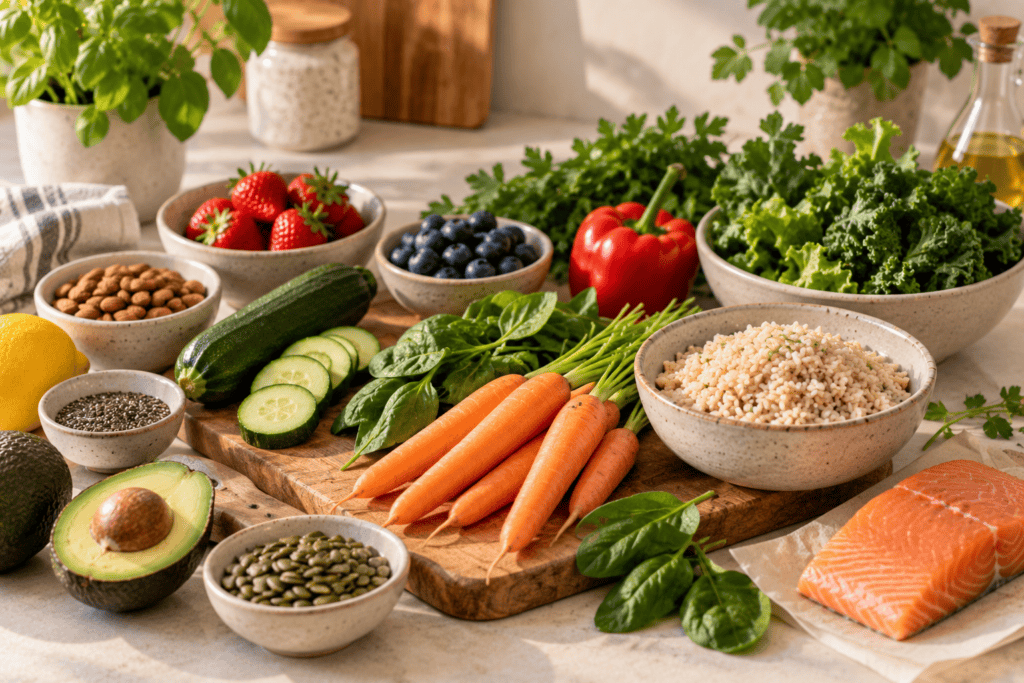
The low-FODMAP diet is a well-recognized strategy for managing IBS, aside from avoiding specific trigger foods. FODMAPs are indigestible carbs present in many items like certain fruits, vegetables, wheat, dairy, and sweeteners, often leading to bloating, gas, and discomfort in IBS sufferers. This diet involves two stages: initially eliminating high-FODMAP foods for a few weeks to soothe the gut, then gradually reintroducing them to identify tolerated items. While effective for many, it can be complex and limiting. Therefore, working with a healthcare professional or dietitian is recommended to develop the most suitable, least restrictive plan.
Get the Right Kind of Fiber
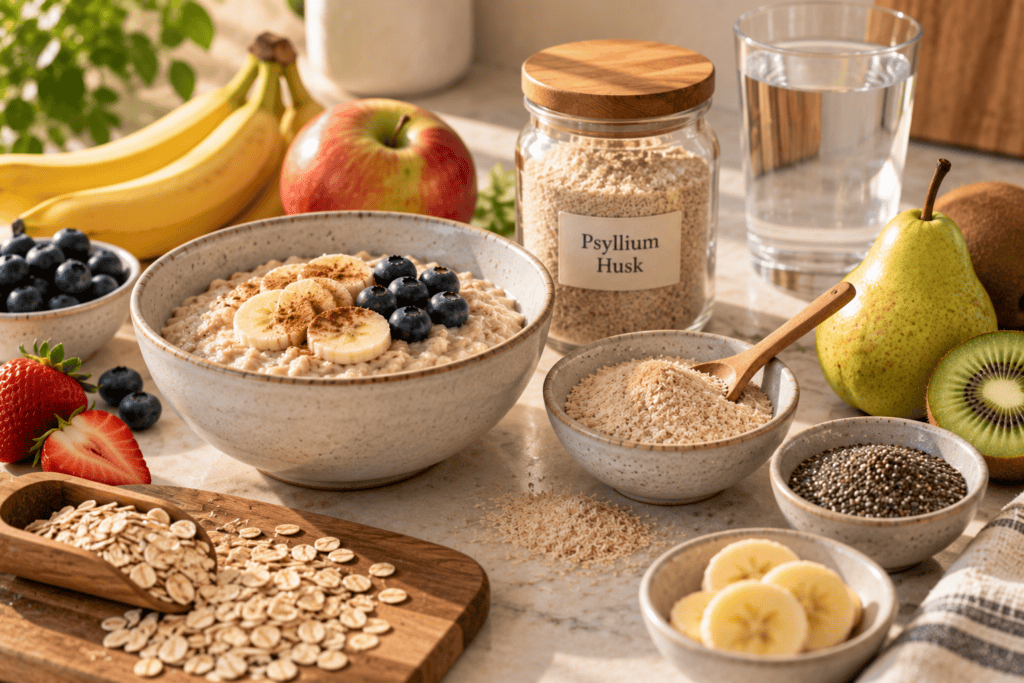
Fiber can be challenging for people with IBS, so selecting the right type is essential. Soluble fiber, found in oats, psyllium, and many fruits and vegetables, generally helps to regulate stool and relieve both constipation and diarrhea. Insoluble fiber, such as wheat bran, may worsen bloating and cramping for some individuals. When increasing fiber intake, focus on soluble sources and do so gradually. Introducing fiber too quickly can lead to increased gas and bloating. The best approach is to slowly add soluble fiber while drinking plenty of water to support gut health.
Ease Symptoms With Peppermint

Peppermint is a widely supported natural remedy for IBS. It relaxes gut muscles, easing cramping and spasms. The most researched form is enteric-coated peppermint oil capsules, which release lower in the digestive system. Peppermint tea offers a milder, soothing alternative for upset stomachs. However, if you have reflux, peppermint may worsen heartburn, so it isn’t suitable for everyone. Nonetheless, peppermint can be beneficial for relieving cramping and spasms.
Support Your Gut With Probiotics

The balance of bacteria in your gut influences IBS, and probiotics in supplements and fermented foods may help some individuals by reducing bloating and irregularity. However, research results vary and depend on the specific strains used, so probiotics aren’t guaranteed to work. Try a reputable probiotic for about a month to see whether it helps, rather than expecting immediate relief. Adding fermented foods such as yogurt (if you tolerate dairy), kefir, or sauerkraut could also help.
Manage Stress and the Gut-Brain Connection

Managing stress is crucial for individuals with IBS, as it is strongly linked to the brain-gut connection. Stress and anxiety often trigger IBS symptoms. Effective stress management is essential, not optional, for controlling the condition. Techniques that soothe your nervous system, such as slow breathing, regular exercise, good sleep, and relaxation, benefit your gut health. Acupressure can also help reduce cramping and ease stress. Overall, for most people with IBS, mental well-being is equally important as caring for the gut.
A Few More Everyday Habits

Adopting a few simple habits can effectively manage IBS. Consistently eat regular meals to prevent gut disturbances caused by skipping and overeating. Eat slowly and in a relaxed manner. Stay well-hydrated, especially if constipation is an issue. Limit intake of known gut irritants like caffeine, alcohol, carbonated beverages, and greasy or fried foods, as they may trigger symptoms. Incorporate regular exercise to support digestion and reduce stress levels. Applying a warm compress or heat pack to your stomach can also provide relief during cramps.
When to See a Doctor

Getting an accurate diagnosis for IBS is crucial, and certain symptoms should never be mistaken for IBS.
If you haven’t seen a doctor, avoid self-diagnosis because IBS symptoms often resemble those of other conditions. Seek medical attention immediately if you experience symptoms that are unusual for IBS and could indicate a more serious issue, such as blood in your stool, black or tarry stools, unexplained weight loss, fever, persistent or severe pain, difficulty swallowing, symptoms that disturb your sleep, signs of anemia, or any new changes in your usual pattern—especially if you’re over fifty or have a family history of colorectal cancer, inflammatory bowel disease, or celiac disease. These are not typical IBS signs. If you’ve been diagnosed with IBS but home care isn’t effective, consult a doctor or dietitian for additional support, particularly regarding the low-FODMAP diet and other treatments.
These home remedies are meant to help manage diagnosed IBS daily, alongside medical care, not replace it.
Above and Beyond Acupuncture offers acupuncture, cupping, and lifestyle coaching at the North Frank Lloyd Wright Boulevard location in Scottsdale.
Schedule an appointment online to start your healing journey.

About the Publisher
Paul Kerzner, L.Ac., is a licensed acupuncturist and board-certified herbalist, as well as the founder of Above and Beyond Acupuncture in Scottsdale. His own journey from chronic patient to practicing acupuncturist shapes his commitment to providing honest, clinically grounded information about acupuncture and Traditional Chinese Medicine. Learn more about Paul and his clinical approach on the About Us page.