
Key Takeaways
- Gluten, found in wheat, barley, and rye, affects individuals differently, often linked to various health issues.
- Celiac disease and non-celiac gluten sensitivity (NCGS) represent different gluten-related disorders, with NCGS being more prevalent than once thought.
- Modern wheat contains higher levels of gluten and gliadin than older varieties, possibly affecting gut health.
- Elimination trials may help individuals determine if gluten is the cause of their symptoms, emphasizing the need for whole food options rather than processed gluten-free alternatives.
- Consulting a healthcare professional can provide insight into gluten’s role in ongoing health issues and guide dietary changes.

In the last ten years, gluten has shifted from being a little-known nutritional concern to a widely discussed topic. The discussion has become more nuanced than simply diagnosing celiac disease. The reality is more complex than marketing suggests, so people need to understand how gluten truly affects the body when making informed dietary decisions.
Gluten elimination trials tend to produce highly consistent clinical outcomes in patients with chronic digestive issues, systemic inflammation, brain fog, joint pain, and unexplained fatigue. This isn’t because gluten is inherently toxic, but because a significant portion of the modern population reacts to it in ways that standard medical tests often fail to detect.
What is Gluten?
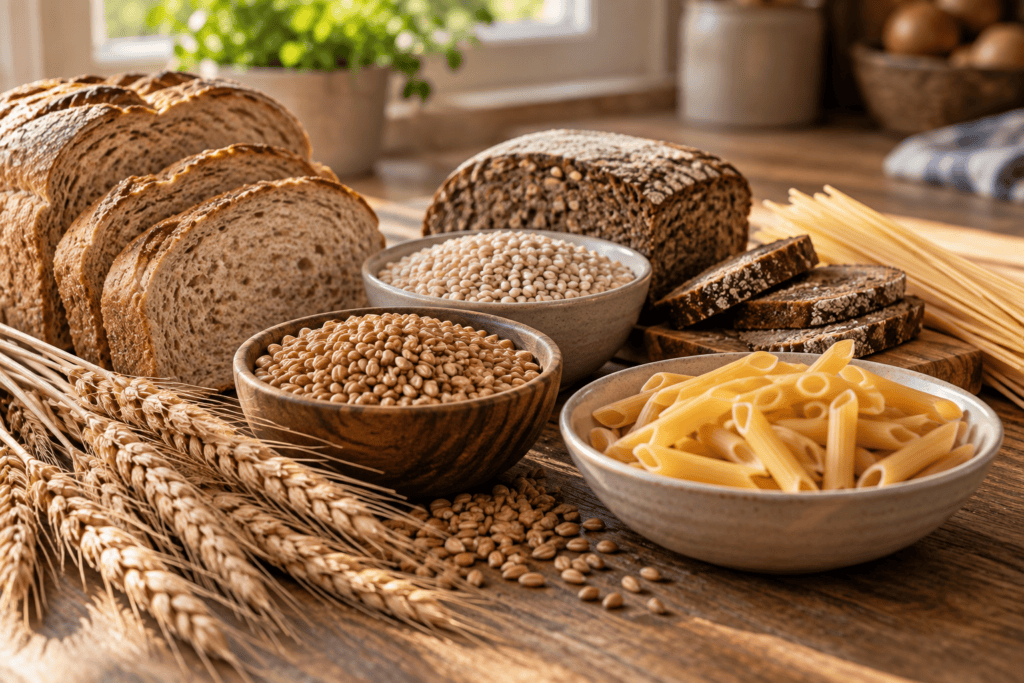
Gluten is a group of proteins found in wheat, barley, rye, and some similar grains. It gives bread its stretchy, chewy texture. The main component that causes reactions is called gliadin, which is linked to immune and inflammatory problems related to gluten.
Gluten impacts individuals differently because our bodies struggle to fully break down gliadin. Unlike other proteins in food, fragments of gliadin frequently remain partially intact during digestion.
The impact of these fragments varies depending on the strength of the gut lining, individual immune responses, and each person’s unique composition.
The Spectrum: From Celiac to Non-Celiac Sensitivity

Gluten-related health problems are not limited to a single illness; they encompass a variety of conditions.
Celiac disease is the most well-known gluten-related disorder. It’s an autoimmune condition where gliadin triggers the immune system to attack the small intestine lining. Approximately one percent of people have it, but many cases go undetected because the symptoms often aren’t typical.
Wheat allergy is a distinct condition. It is a classic food allergy that causes rapid symptoms after eating wheat.
Non-celiac gluten sensitivity, known as NCGS, has gained more recognition recently. Individuals with NCGS are not diagnosed with celiac disease or a wheat allergy, but they typically feel better without gluten and notice symptoms reappear when they reintroduce it into their diet.
Doctors now recognize that NCGS is a genuine condition and is more prevalent than celiac disease. It appears to involve inflammation and alterations in the gut lining rather than the same autoimmune mechanism seen in celiac disease.
The Intestinal Permeability Connection
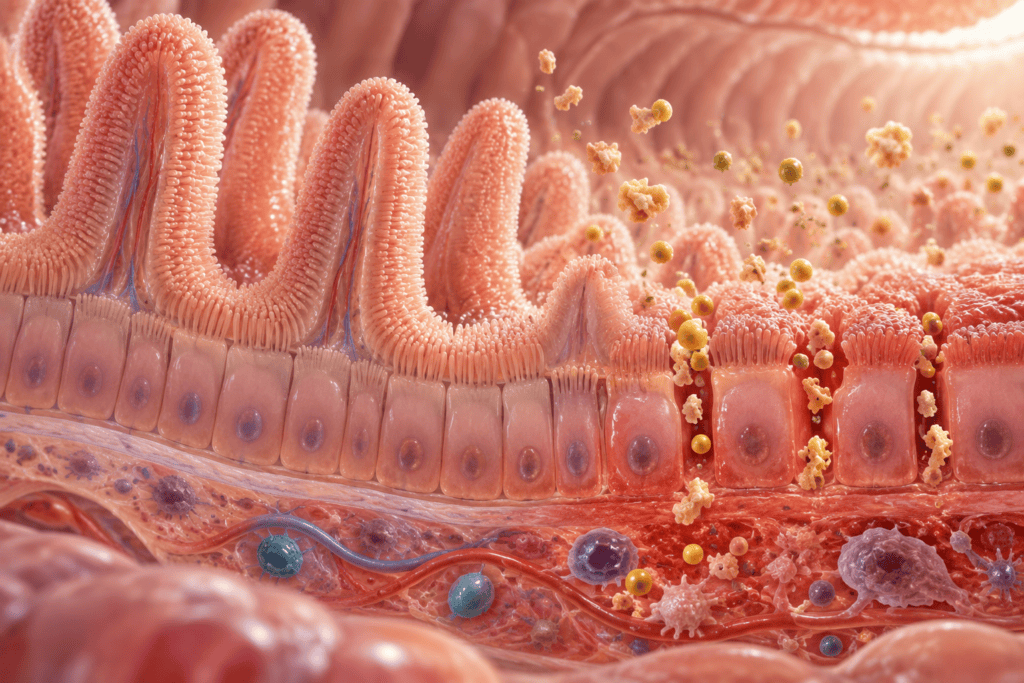
A key finding in gluten research is the protein zonulin, which regulates gut lining permeability. Gliadin often triggers zonulin release in many individuals, temporarily increasing gut permeability. While this usually isn’t an issue in small amounts, regular gluten consumption over time can contribute to persistent leaky gut.
Prolonged opening of the gut lining allows larger food particles and inflammatory substances to enter the bloodstream in unusual amounts. This can trigger widespread inflammation, contribute to new food sensitivities, and create issues similar to those described in our post about chronic inflammation.
Gluten affects more than just the gut; for sensitive individuals, it can cause inflammation that impacts various body parts.
Neurological and Systemic Effects

Experts now understand that gluten reactions can lead to more than just stomach issues. Research has connected gluten sensitivity to symptoms like brain fog, headaches, nerve and joint pain, skin problems, and mood shifts.
Many individuals who eliminate gluten and notice reduced fatigue, improved mental clarity, or less pain often don’t realize their symptoms are food-related. Since they didn’t experience obvious stomach issues, they didn’t suspect gluten as the trigger. Instead, the inflammation in their bodies was contributing to symptoms in unexpected areas.
Modern Wheat Is Not What It Used to Be

A commonly overlooked point is that the wheat most people eat today differs significantly from what past generations consumed.
Modern wheat is cultivated to yield higher grain output, be shorter in stature, and contain more gluten. The varieties used on large farms tend to have higher levels of reactive gliadin proteins than older wheat strains. In the United States, conventional wheat is commonly sprayed with glyphosate before harvest, potentially leaving residues that could affect gut health.
This doesn’t imply that all wheat is harmful; rather, it indicates that modern consumption involves wheat in different forms and contexts than in the past.
The Traditional Chinese Medicine Perspective

Traditional Chinese Medicine views eating grains through the lens of the Spleen and Stomach systems, which govern digestion and how the body processes food.
In TCM, eating too many gluten grains, or eating them if you have a weak Spleen, is thought to create Dampness and promote inflammation. Dampness shows up as symptoms like bloating, brain fog, tiredness after eating, irregular stools, and feeling heavy or sluggish in both body and mind.
When Damp mixes with Heat in the gut, the condition worsens and becomes Damp-Heat. This can cause more severe digestive inflammation, skin problems, joint pain, and the kind of ongoing inflammation that modern medicine links to leaky gut.
This concept is also covered in our Dairy Dilemma post. Both dairy and gluten can promote Dampness and often result in similar symptoms. Consuming both daily, as is typical in Western diets, adds extra stress to the Spleen system.
The Power of an Elimination Trial

If you have ongoing symptoms that might be related to food, cutting out gluten for three to four weeks is one of the best ways to determine what helps. Your body’s reaction provides information that blood tests cannot.
The elimination trial must be conducted rigorously. Even small amounts of gluten can sustain inflammation in sensitive individuals, leading to unclear results. After three to four weeks, reintroduce gluten carefully to check if symptoms reappear. If they do, even within hours or days, this is valuable information.
For the best results, focus on whole foods that are gluten-free rather than simply swapping in gluten-free processed foods. Many packaged gluten-free products contain ingredients that can cause inflammation and may not give you a clear answer.
A Worthwhile Investigation

If you continue to experience digestive issues, fatigue, brain fog, joint pain, skin problems, or persistent inflammation despite other treatments, it may be worthwhile to consider a gluten elimination trial.
Contact Above and Beyond Acupuncture on North Frank Lloyd Wright Boulevard in Scottsdale to set up a consultation. We can help figure out if gluten might be causing your symptoms and explain how to investigate it with a plan that includes acupuncture and support for your overall health.
Schedule an appointment online to start your journey to relief.

About the Publisher
Paul Kerzner, L.Ac., is a licensed acupuncturist and board-certified herbalist, as well as the founder of Above and Beyond Acupuncture in Scottsdale. His own journey from chronic patient to practicing acupuncturist shapes his commitment to providing honest, clinically grounded information about acupuncture and Traditional Chinese Medicine. Learn more about Paul and his clinical approach on the About Us page.