
Key Takeaways
- Neuropathy affects around 20 million Americans, causing pain, numbness, and weakness due to nerve dysfunction.
- Standard Western treatments, such as medications, often manage symptoms but do not address underlying nerve damage.
- Acupuncture offers support by improving circulation, stimulating nerve growth factors, and reducing inflammation related to neuropathy.
- Research indicates acupuncture effectively reduces neuropathy symptoms and improves nerve function for various causes, including diabetic and chemotherapy-induced neuropathy.
- A holistic approach combines acupuncture with medical care, lifestyle changes, and dietary support for better management of neuropathy.

The burning pain that intensifies at night. The numbness that makes walking feel unstable. The tingling and pins-and-needles sensations that never fully resolve. The loss of sensation that makes it difficult to notice injuries. The weakness that develops as nerve function declines. Standard Western care with gabapentin, pregabalin, and other nerve pain medications helps some patients manage symptoms but rarely addresses the underlying nerve dysfunction.
Neuropathy affects roughly 20 million Americans and produces some of the most frustrating symptoms in medicine.
Acupuncture and Traditional Chinese Medicine offer meaningful holistic support for neuropathy. Research on acupuncture for neuropathy has been growing steadily, and the findings consistently support the treatment for symptom relief, improved nerve function, and slowed progression of the condition. The treatment does not replace standard medical care for the underlying cause of neuropathy, but it addresses the nerve function, circulation, and symptom patterns that standard care alone often cannot fully manage.
Here is what neuropathy actually involves, how acupuncture supports the condition, and how to think about integrated care.
What is Neuropathy?
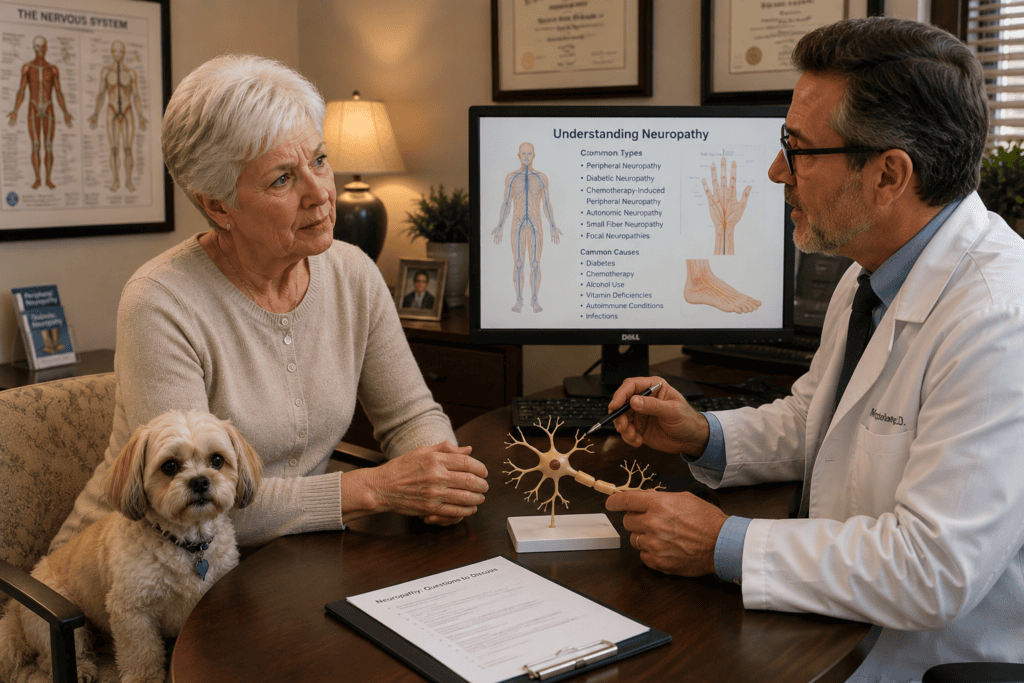
Neuropathy refers to damage or dysfunction of the peripheral nerves that carry signals between the central nervous system and the rest of the body. When these nerves are damaged, the signals get disrupted, distorted, or lost, which produces the characteristic symptoms of pain, numbness, tingling, and weakness.
Common types of neuropathy include the following.
- Peripheral neuropathy affects the nerves in the hands and feet, producing the characteristic stocking-and-glove pattern of symptoms. This is the most common type and can develop from many causes.
- Diabetic neuropathy develops from the nerve damage produced by chronic elevated blood sugar. It affects roughly half of patients with long-standing diabetes and is one of the most common serious complications of the condition.
- Chemotherapy-induced peripheral neuropathy develops from certain cancer treatments that damage peripheral nerves as a side effect. It can persist for months or years after chemotherapy ends.
- Autonomic neuropathy affects the nerves that control automatic body functions including digestion, heart rate, blood pressure, and sweating. Symptoms include dizziness on standing, digestive issues, and abnormal sweating patterns.
- Small fiber neuropathy affects the small nerve fibers that carry pain and temperature sensations. Patients often experience burning pain despite normal nerve conduction studies.
- Focal neuropathies affect specific nerves rather than a general pattern. Carpal tunnel syndrome, ulnar neuropathy, and other single-nerve conditions fall in this category.
Common symptoms include: burning pain, particularly at night. Tingling and pins-and-needles sensations. Numbness that reduces sensation. Sharp shooting pains. Loss of temperature or pain sensation. Weakness in the affected regions. Balance and coordination difficulties. Muscle wasting in long-standing cases. Skin changes including thinning or discoloration.
Common causes include: diabetes, chemotherapy, alcohol use, vitamin deficiencies (particularly B12), autoimmune conditions, infections including shingles, physical injuries, chronic kidney disease, thyroid dysfunction, exposure to certain toxins, and hereditary conditions. Some cases have no identifiable cause and are classified as idiopathic.
The Mayo Clinic overview of peripheral neuropathy provides the medical picture of the condition.
Why Standard Western Care Sometimes Falls Short

Standard Western care for neuropathy includes several approaches with real value but real limitations.
- Medications for nerve pain including gabapentin, pregabalin, duloxetine, and tricyclic antidepressants help many patients manage symptoms. These medications can produce side effects including drowsiness, weight gain, cognitive changes, and dependency patterns. They do not address the underlying nerve damage.
- Treatment of the underlying cause including blood sugar control for diabetic neuropathy, B12 supplementation for deficiency neuropathy, and treatment of underlying autoimmune or thyroid conditions. This helps prevent further nerve damage but does not always reverse existing damage.
- Topical treatments including capsaicin cream and lidocaine patches provide localized relief for some patients.
- Physical therapy supports balance, coordination, and prevention of falls that neuropathy can produce.
- Alpha-lipoic acid supplementation has research support for diabetic neuropathy specifically.
Patients who continue to have significant symptoms despite standard care often benefit from acupuncture and complementary approaches that address the nerve function directly.
How Traditional Chinese Medicine Views Neuropathy
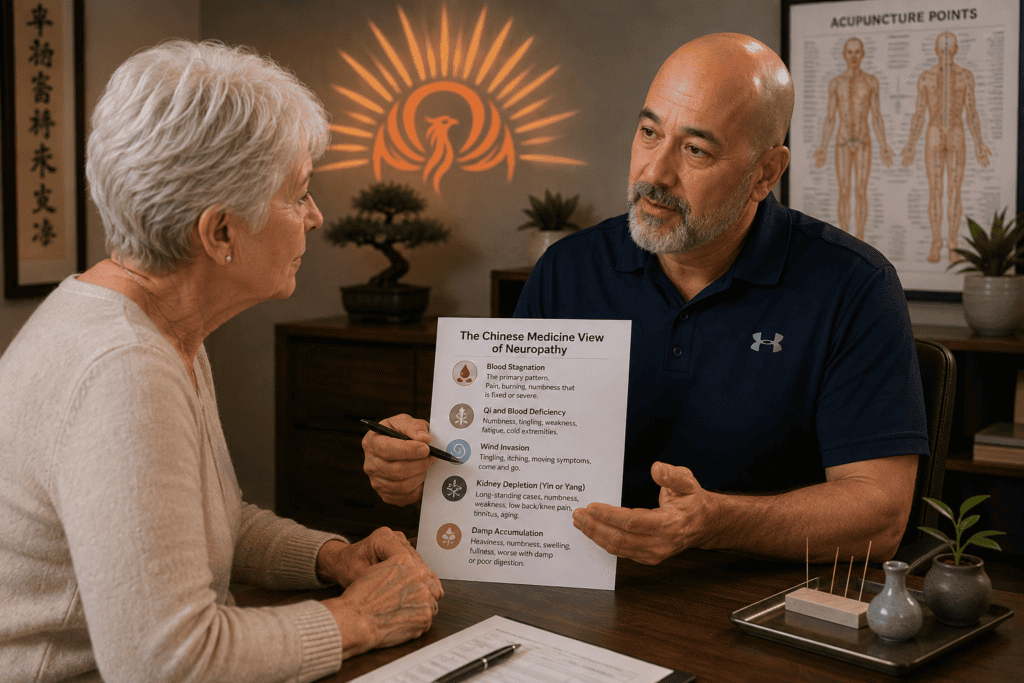
Traditional Chinese Medicine has understood the patterns underlying neuropathy for thousands of years, and the view offers something Western neurological categories do not.
- Blood Stagnation is the primary pattern underlying most neuropathy. When circulation to the nerves and surrounding tissues becomes impaired, the nerves cannot receive adequate oxygen and nutrients to function properly. The characteristic burning pain of neuropathy reflects Blood Stasis obstructing the channels.
- Qi and Blood deficiency in the extremities produces the numbness and weakness patterns. When the Qi and Blood do not reach the fingers, toes, and other affected regions, the tissue there loses proper function.
- Wind invasion affects the peripheral nerves and produces the tingling, moving, and unpredictable qualities of neuropathic pain. Chronic Wind patterns underlie the shifting quality of many neuropathy symptoms.
- Kidney depletion develops in long-standing neuropathy. The Kidneys in Chinese medicine govern the constitutional foundation and support the deep function of the extremities. Chronic conditions deplete the Kidneys and reduce the resources available for nerve maintenance and repair.
- Damp accumulation contributes to the heaviness and dysfunction that some neuropathy patients experience. This pattern often overlaps with the metabolic patterns of diabetes and other conditions that produce neuropathy.
A licensed acupuncturist identifies which patterns are dominant in the individual patient and treats accordingly.
How Acupuncture Treats Neuropathy
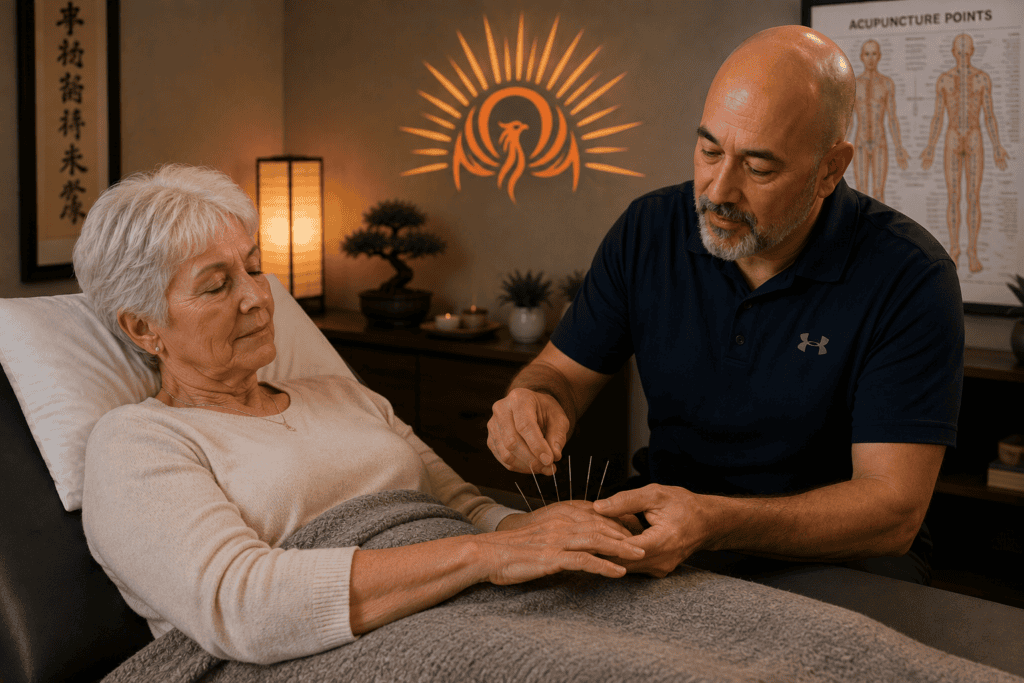
Acupuncture addresses neuropathy through several effects that produce meaningful relief for many patients.
- Improved nerve circulation. Nerves require adequate oxygen and nutrients to function properly. Acupuncture produces measurable improvements in local circulation to the affected regions, which supports nerve function and provides the conditions needed for nerve recovery.
- Nerve growth factor stimulation. Research has documented that acupuncture stimulates the release of nerve growth factors, which are compounds the body produces to support the repair and regrowth of damaged nerve fibers. This is one of the most significant effects specific to neurological recovery.
- Anti-inflammatory effects. The chronic inflammation that underlies many neuropathy patterns responds to the documented anti-inflammatory effects of acupuncture. Reducing the inflammatory load supports the nerve function and reduces symptom severity.
- Pain modulation. Acupuncture affects the descending pain modulation pathways in the brain and spinal cord, which reduces the central sensitization that develops with chronic neuropathic pain.
- Electroacupuncture benefits. For neuropathy specifically, electroacupuncture (which adds gentle electrical stimulation to acupuncture needles) has stronger effects than manual needling alone. The electrical stimulation directly supports nerve tissue recovery and pain reduction.
- Circulation improvement to extremities. Peripheral neuropathy specifically involves impaired circulation to the hands and feet. Acupuncture points on the affected extremities and points that generally improve peripheral circulation address this pattern directly.
- Nervous system regulation. The chronic cortisol elevation from ongoing pain and stress contributes to the nerve dysfunction patterns. Acupuncture addresses this through effects on the nervous system and HPA axis.
- Pattern differentiation. The individualized approach treats the specific patterns present in each patient. Blood-moving points for Blood Stagnation. Qi and Blood tonification for deficiency patterns. Wind expelling for the moving symptoms. Kidney tonification for constitutional depletion. Damp clearing for the heavy patterns.
For patients wanting the broader picture on nerve pain including shingles, Bell’s palsy, and other neurological conditions, Understanding Nerve Pain: How Acupuncture Offers Relief covers the range of nerve pain conditions.
The Research Base
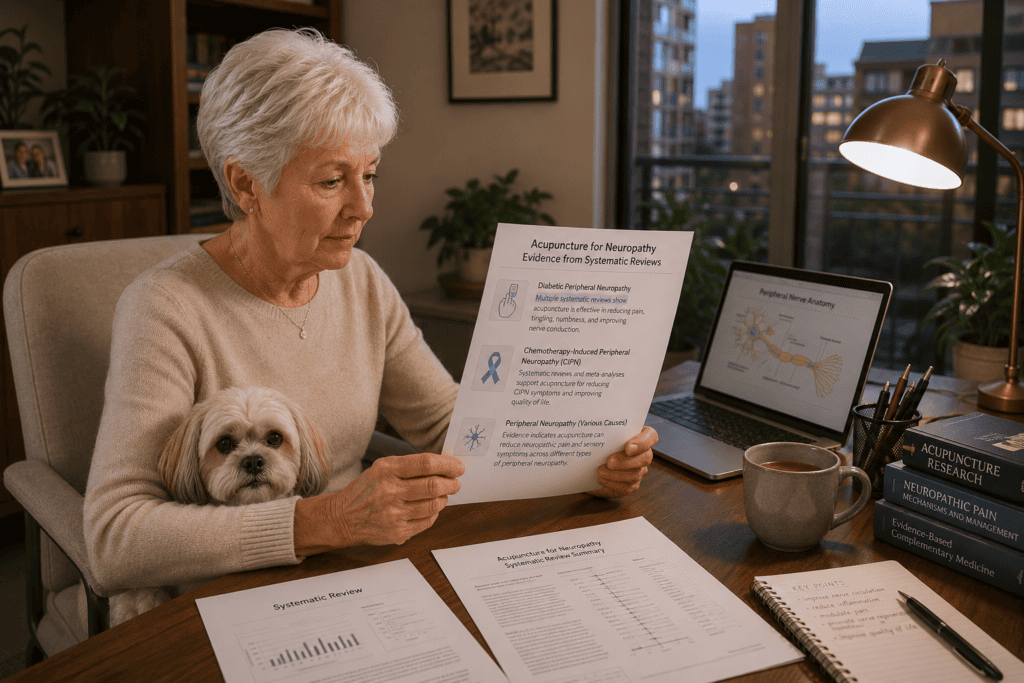
- Research on acupuncture for neuropathy has been growing substantially. Multiple systematic reviews and randomized controlled trials have found acupuncture effective for reducing neuropathy symptoms and improving nerve function.
- Research on diabetic neuropathy has shown acupuncture reduces pain intensity, improves nerve conduction, and slows progression of the condition.
- Research on chemotherapy-induced peripheral neuropathy has shown acupuncture reduces symptom severity and improves quality of life during and after cancer treatment.
- Research on general peripheral neuropathy has documented improvements in pain, tingling, numbness, and functional measures.
The NCCIH summary on acupuncture examines the scientific and clinical evidence for acupuncture across a wide range of health conditions.
The Holistic Integrated Approach

Neuropathy responds best to a coordinated approach that combines medical care with complementary support.
- Treatment of the underlying cause. Whether diabetes, B12 deficiency, autoimmune conditions, or other causes, addressing the underlying condition prevents further nerve damage and supports recovery.
- Blood sugar control for diabetic neuropathy. Consistent blood sugar management is essential. Even patients with well-established diabetic neuropathy can slow progression through sustained glucose control.
- Regular acupuncture treatment. Weekly or biweekly acupuncture during the initial course produces the best results for most neuropathy patients. Electroacupuncture is often incorporated for its specific benefits on nerve recovery.
- Anti-inflammatory nutrition. Dietary patterns affect systemic inflammation and nerve function. Reducing processed foods, refined sugars, and industrial seed oils supports recovery. Adequate omega-3 fats, colorful vegetables, and quality proteins provide the nutrients nerves need.
- B vitamin support. B12 in particular is essential for nerve function. Testing B12 levels and supplementing when needed supports nerve health.
- Alpha-lipoic acid. This antioxidant has research support for diabetic neuropathy and general nerve support.
- Regular movement. Gentle exercise supports circulation to the extremities and nerve function. Walking, swimming, and tai chi work particularly well.
- Foot care. For peripheral neuropathy patients, careful foot inspection and care prevents complications from injuries that reduced sensation can hide.
- Stress management. Direct nervous system practices support the pain modulation and nerve function that neuropathy affects.
When to See a Doctor

Certain symptoms warrant medical evaluation beyond acupuncture care.
- Sudden severe neuropathy symptoms that develop rapidly.
- Neuropathy accompanied by weakness that affects walking or function.
- New neuropathy after starting medications or supplements.
- Symptoms of autonomic neuropathy including significant blood pressure changes on standing, severe digestive issues, or abnormal sweating.
- Signs of infection in feet or hands with reduced sensation.
- Rapidly progressive symptoms.
Patients who have not received a formal diagnosis should work with their physician to identify the underlying cause of their neuropathy. Different causes require different approaches to prevent further nerve damage.
Many patients dealing with chronic neuropathy also experience anxiety, stress, and depression that overlap with the demands of managing a chronic pain condition.
Above and Beyond Acupuncture offers acupuncture, cupping, and lifestyle coaching at the North Frank Lloyd Wright Boulevard location in Scottsdale.
Schedule an appointment online or call us today to start your healing journey.

About the Publisher
Paul Kerzner, L.Ac., is a licensed acupuncturist and board-certified herbalist, as well as the founder of Above and Beyond Acupuncture in Scottsdale. His own journey from chronic patient to practicing acupuncturist shapes his commitment to providing honest, clinically grounded information about acupuncture and Traditional Chinese Medicine. Learn more about Paul and his clinical approach on the About Us page.