
Key Takeaways
- Tinnitus affects about 50 million Americans, leading to frustrating symptoms like persistent ringing and disrupted sleep.
- Acupuncture can support tinnitus management by addressing stress, tension, and improving overall quality of life, but it does not cure the condition.
- The realities of tinnitus include its subjective perception, common causes, and the distinction between acute and chronic forms.
- Traditional Chinese Medicine offers insights into tinnitus patterns, treating them through individualized acupuncture approaches.
- A holistic integrated approach, combining medical and complementary care, is most effective for managing tinnitus symptoms.
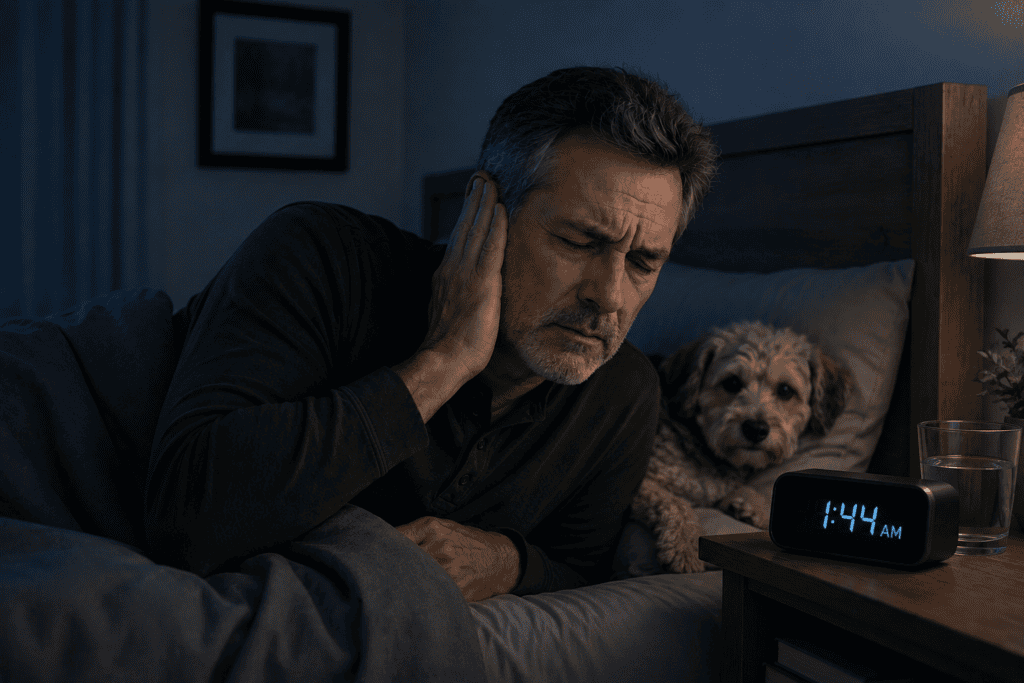
The persistent ringing, buzzing, or hissing that never fully goes away. The way the sound becomes more noticeable in quiet moments. The impact on sleep, concentration, and daily functioning. The exhaustion of managing a condition that has no visible cause and often no available cure. Standard Western care includes hearing aids, sound therapy, cognitive behavioral therapy, and treatment of underlying causes when identifiable. For many patients, these approaches provide meaningful support but cannot eliminate the tinnitus itself.
Tinnitus affects roughly 50 million Americans and produces some of the most frustrating symptoms in medicine.
Acupuncture and Traditional Chinese Medicine offer supportive care for tinnitus. The treatment does not cure the condition. Any content suggesting otherwise is overpromising. What acupuncture can do is address the stress patterns, nervous system activation, jaw and neck tension, and quality of life impacts that make chronic tinnitus so difficult to manage. This positioning is honest about what the treatment provides and what it does not.
Here is what tinnitus involves, how acupuncture addresses the condition, and when to consider holistic integrated care:
What is Tinnitus?

Tinnitus is the perception of sound without an external source. The sound may be ringing, buzzing, hissing, clicking, roaring, or other variations. Some patients hear a constant tone. Others hear varying sounds. Some have tinnitus in both ears. Others have it in one ear only.
- Subjective versus objective tinnitus. Most tinnitus is subjective, meaning only the patient can hear it. Objective tinnitus, which a clinician can also detect, is rare and usually reflects a specific vascular or muscular cause.
- Acute versus chronic tinnitus. Acute tinnitus develops recently and may resolve. Chronic tinnitus has been present for months or years and is often permanent.
- Common causes include age-related hearing loss (presbycusis), noise-induced hearing loss from loud sound exposure, ear infections and impacted earwax, medication side effects (ototoxic drugs including certain antibiotics, chemotherapy drugs, and high-dose aspirin), Meniere’s disease, TMJ dysfunction, cervical spine issues, cardiovascular conditions producing pulsatile tinnitus, head or neck injuries, and idiopathic cases where no specific cause is identified.
- Common symptoms include the perception of sound without external source, worsening in quiet environments, difficulty sleeping, concentration problems, anxiety and stress patterns, depression in severe cases, and hearing difficulty when the tinnitus is loud.
The Mayo Clinic overview of tinnitus provides the medical picture of the condition.
Why Does Western Standard Care Sometimes Fall Short?
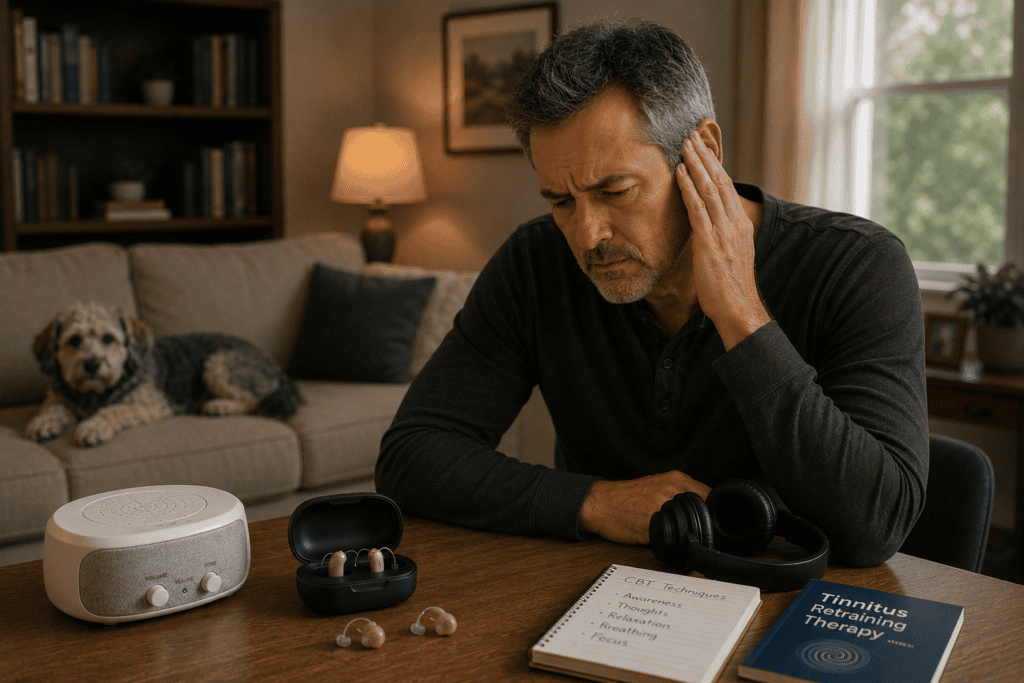
Standard Western care for tinnitus includes several approaches with real value but real limitations:
- Hearing aids can be helpful for patients whose tinnitus is associated with hearing loss. Amplifying external sounds often reduces the relative prominence of the tinnitus.
- Sound therapy and masking uses external sounds to reduce the perception of tinnitus. Devices, apps, and dedicated maskers can help many patients particularly with sleep.
- Cognitive behavioral therapy addresses the psychological response to tinnitus and can substantially improve quality of life without changing the sound itself.
- Tinnitus retraining therapy combines counseling with sound therapy to support the habituation process.
- Treatment of underlying causes when identifiable including managing Meniere’s disease, addressing TMJ dysfunction, or removing ototoxic medications.
- No proven cure. Despite decades of research, there is currently no medication or procedure that reliably cures tinnitus. This is one of the most challenging realities for patients and practitioners.
Patients who continue to have significant symptom burden despite standard care often benefit from complementary approaches that support quality of life and the habituation process.
How Does Traditional Chinese Medicine View Tinnitus?

Traditional Chinese Medicine has understood tinnitus patterns for thousands of years, and the view offers something Western neurological categories do not. TCM distinguishes between excess patterns (sudden onset, loud tinnitus with vigorous quality) and deficiency patterns (gradual onset, softer chronic tinnitus).
- Kidney depletion is the primary pattern underlying chronic gradual-onset tinnitus. The Kidneys in Chinese medicine open into the ears and support the ear function. As the Kidneys deplete with age or chronic stress, tinnitus develops. This pattern accounts for much of the tinnitus that develops with aging.
- Liver Yang rising produces sudden loud tinnitus with associated dizziness, headache, and irritability. This excess pattern often reflects the physical toll of chronic stress and emotional patterns.
- Gallbladder Fire produces sudden severe tinnitus with a ringing or roaring quality. This excess pattern often develops after acute stress or emotional intensity.
- Phlegm and Dampness accumulation can produce tinnitus with a muffled or heavy quality, often combined with sensations of ear fullness.
- Blood Stagnation in the head region can contribute to certain tinnitus patterns, particularly after head injuries or in the context of cardiovascular issues.
A licensed acupuncturist identifies which patterns are dominant in the individual patient and treats accordingly.
How Can Acupuncture Support Patients Living With Tinnitus?
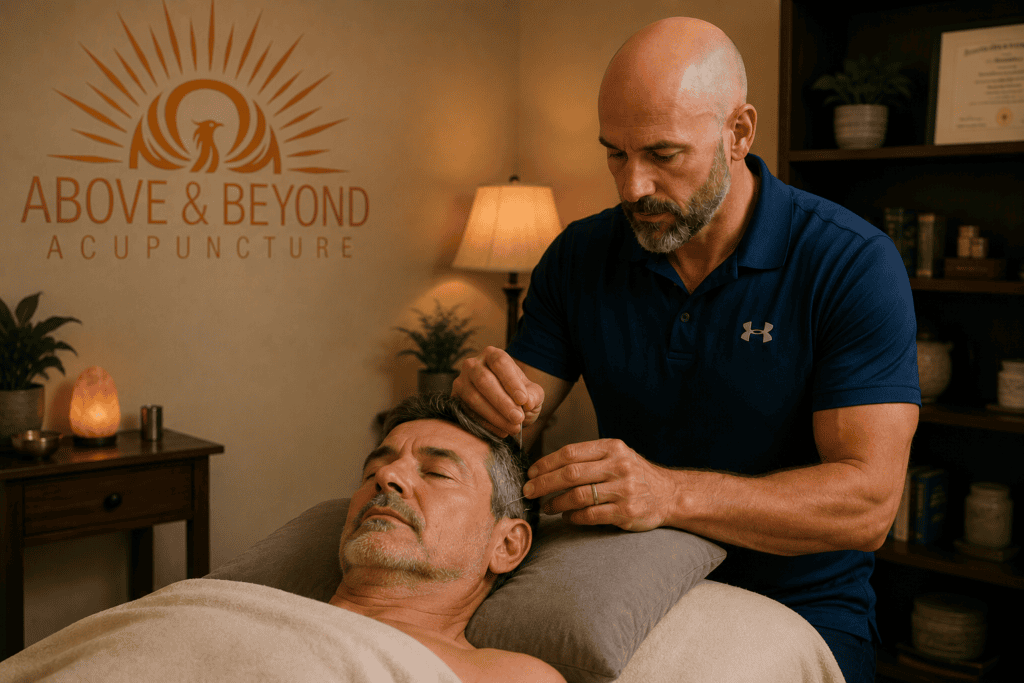
Acupuncture addresses tinnitus through several supportive effects rather than curing the condition:
- Stress and cortisol regulation. Chronic stress and tinnitus feed each other in a self-amplifying pattern. Stress makes tinnitus feel worse. Tinnitus creates more stress. Acupuncture activates the parasympathetic nervous system and reduces the chronic cortisol elevation from ongoing stress that amplifies tinnitus perception.
- Improved local circulation. Circulation to the ear region and the head generally supports the tissue function that tinnitus involves. Acupuncture produces measurable improvements in local circulation.
- Jaw and neck tension release. TMJ dysfunction and cervical spine tension contribute substantially to some tinnitus patterns. The muscular release that acupuncture produces can meaningfully reduce tinnitus in patients with these contributing factors.
- Nervous system regulation. The nervous system’s response to tinnitus determines much of the suffering. Acupuncture supports the habituation process where the brain stops treating the tinnitus as a threat requiring constant attention.
- Sleep support. Tinnitus disrupts sleep for many patients. Acupuncture supports the sleep patterns that tinnitus disrupts, which in turn reduces the daytime severity.
- Anxiety and mood support. The anxiety, stress, and depression patterns that develop from chronic tinnitus respond to acupuncture treatment. Reducing the anxiety component often reduces the perceived severity of the tinnitus even when the sound itself remains.
- Pattern differentiation. The individualized approach treats the specific patterns present in each patient. Kidney tonification for the deficiency patterns. Liver Yang subduing for the excess patterns. Gallbladder Fire clearing for the acute presentations. Phlegm resolving for the muffled patterns. Blood moving for the stagnation patterns.
The Research Base

Research on acupuncture for tinnitus has produced mixed results. Some studies have found meaningful improvements in tinnitus severity and quality of life. Other studies have not shown effects beyond placebo. The NCCIH summary on acupuncture examines the scientific and clinical evidence for acupuncture across a wide range of health conditions.
The honest interpretation of the mixed research base is that acupuncture likely helps some patients meaningfully and does not help others. The variability probably reflects the different underlying causes and Chinese medicine patterns of individual patients. Those whose tinnitus is driven by stress, TMJ dysfunction, cervical tension, or certain circulation patterns may benefit substantially. Those whose tinnitus reflects irreversible sensorineural damage will benefit less.
The Reality of Habituation

For chronic tinnitus that cannot be resolved, habituation is the reality most patients face. Habituation refers to the brain’s process of learning to filter out the tinnitus so that it stops demanding conscious attention. The sound may still be present, but the patient stops noticing it most of the time.
This is what allows people to live full lives with tinnitus. Musicians with tinnitus continue to make music. Practitioners with tinnitus continue to help patients. Patients with tinnitus continue to enjoy their lives. The tinnitus does not go away for most of these patients. Their relationship to it changes.
Acupuncture supports the habituation process. The nervous system regulation, stress reduction, and quality of life improvements create the conditions where habituation can happen. Patients who receive acupuncture often report that the tinnitus bothers them less over time, even when the sound itself remains the same. This is meaningful support, and it is what acupuncture honestly offers for chronic tinnitus.
The Holistic Integrated Approach

Tinnitus responds best to a coordinated approach that combines medical care with complementary support:
- Audiologist evaluation. Working with an audiologist to identify hearing loss patterns and pursue hearing aids when appropriate produces meaningful benefit for many tinnitus patients.
- ENT evaluation. Working with an ENT to rule out treatable causes including impacted earwax, ear infections, Meniere’s disease, or other specific conditions is essential.
- Cognitive behavioral therapy or tinnitus retraining therapy. These approaches have strong research support for improving quality of life with chronic tinnitus.
- Regular acupuncture treatment. Weekly or biweekly acupuncture during the initial course supports the stress, tension, and quality of life patterns.
- Sound enrichment. Using low-level background sound rather than silence during quiet times reduces the relative prominence of tinnitus and supports habituation.
- Sleep support. Sleep masking, dedicated tinnitus maskers, or white noise machines support sleep for many patients.
- Reduced caffeine and alcohol. Both can worsen tinnitus for some patients. Reducing or eliminating them is worth trying.
- Anti-inflammatory nutrition. Dietary patterns that support systemic health also support the ear and vascular health relevant to tinnitus.
- Regular movement. Circulation and stress reduction from regular movement support the underlying patterns.
- Direct nervous system practices. Meditation, breath work, or contemplative practices support the nervous system regulation that habituation requires.
- Community and support. Tinnitus support groups and communities help patients navigate the emotional impact of the condition.
When Should I See a Doctor?

Certain tinnitus patterns warrant medical evaluation rather than complementary care alone:
- Sudden hearing loss with tinnitus, which is a medical emergency requiring same-day evaluation for possible sudden sensorineural hearing loss.
- Pulsatile tinnitus that beats with the heartbeat, which can indicate vascular conditions requiring evaluation.
- Unilateral tinnitus affecting only one ear, which requires evaluation to rule out acoustic neuroma or other specific conditions.
- Tinnitus with severe dizziness, vertigo, or balance issues.
- Tinnitus after head injury.
- Rapidly worsening tinnitus.
For patients dealing with vestibular symptoms alongside tinnitus, Can Acupuncture Treat Vertigo? covers a related condition and its treatment approach.
Many patients dealing with chronic tinnitus also experience anxiety, stress, and depression that overlap with the demands of managing a chronic condition.
Above and Beyond Acupuncture offers acupuncture, cupping, and lifestyle coaching at the North Frank Lloyd Wright Boulevard location in Scottsdale.
Reach out to schedule a consultation.
Schedule an appointment online or call us today to start your healing journey.

About the Publisher
Paul Kerzner, L.Ac., is a licensed acupuncturist and board-certified herbalist, as well as the founder of Above and Beyond Acupuncture in Scottsdale. His own journey from chronic patient to practicing acupuncturist shapes his commitment to providing honest, clinically grounded information about acupuncture and Traditional Chinese Medicine. Learn more about Paul and his clinical approach on the About Us page.