Key Takeaways
- Dizziness can stem from various causes, including BPPV, cervicogenic issues, vestibular migraines, and anxiety-driven factors.
- Chronic stress, poor posture, and medications contribute to the increasing prevalence of dizziness.
- Traditional Chinese Medicine identifies specific patterns like Phlegm-Dampness and Liver Yang rising to treat dizziness effectively.
- Research supports acupuncture as a beneficial treatment for different types of dizziness and associated quality of life.
- Consulting a professional can help identify the underlying causes and tailor a treatment plan specifically for your situation.
Dizziness is one of the most disorienting symptoms a person can deal with. The room spins. The floor feels off. You stand up and the world goes sideways. For some people it lasts a few seconds. For others it lasts minutes or hours and keeps coming back.
If you have been dealing with persistent dizziness, you are not alone, and you are not imagining it. Dizziness is one of the most common reasons adults visit a doctor, and most patients walk out without a clear answer. The condition gets vague names like “vertigo” or “imbalance” and the standard treatment is often a medication that helps temporarily without addressing what is actually going on.
The reality is that dizziness is not one condition. It is a symptom with several different causes, and understanding which type you are dealing with is the starting point for actually treating it.
The Different Kinds of Dizziness
The most common type is called BPPV, or benign paroxysmal positional vertigo. This is dizziness triggered by changes in head position, often when you roll over in bed, look up, or bend down. It comes from small calcium crystals in the inner ear that have moved out of place. The Epley maneuver, performed by a trained provider, repositions these crystals and often resolves the episode.
A second common type is cervicogenic dizziness. This is dizziness that comes from the neck. Chronic muscle tension, poor posture, and restricted blood flow through the neck can all produce dizziness, often paired with neck pain or headaches. Patients with this type are often the ones whose dizziness shows up after long hours at a computer or after a stressful day. The connection between neck tension and modern life is covered in Why Does My Neck Hurt All the Time?.
A third type is vestibular migraine, which is dizziness that comes with migraine patterns. The dizziness may happen alongside the headache or in place of it.
A fourth type is anxiety-driven dizziness. When the nervous system is in a chronic state of activation, dizziness is a common symptom, sometimes the primary one. The connection between chronic anxiety and physical symptoms is covered in Why Am I So Anxious All the Time?.
Other types include Meniere’s disease, vestibular neuritis, blood pressure issues, and side effects from medications. The picture is more varied than most patients have been told.
Why Dizziness Is So Common
Several factors make dizziness more common in modern adults than it used to be. Chronic stress is one. Sustained cortisol elevation affects the inner ear, the cardiovascular system, and the neck muscles, all of which can contribute to dizziness. The full picture of how chronic stress affects the body is covered in What Is Cortisol and Why Do I Have So Much of It?.
Modern posture is another factor. Hours per day in forward head posture creates the kind of cervical tension that produces dizziness. Poor sleep depletes the systems that maintain balance regulation. Dietary inflammation can affect the inner ear and the broader vascular system. Medications, particularly blood pressure medications and some antidepressants, can produce dizziness as a side effect.
For most patients dealing with chronic dizziness, the cause is rarely a single isolated problem. It is several overlapping factors compounding on each other.
The Traditional Chinese Medicine View
Traditional Chinese Medicine has been treating dizziness for thousands of years through several distinct patterns. The framework gives the practitioner specific patterns to identify and address rather than treating dizziness as a single condition.
The most common pattern in modern patients is Phlegm-Dampness obstructing the clear orifices. When the digestive system is overwhelmed by inflammatory foods, alcohol, or chronic stress, it produces an internal accumulation that interferes with the clarity needed for the head and senses to function properly. This pattern shows up as a heavy, foggy, muffled type of dizziness.
A second common pattern is Liver Yang rising. Chronic stress, emotional pressure, and sustained tension drive energy upward in the body, and when it reaches the head, it produces dizziness, often paired with headache, irritability, and a sense of pressure in the temples.
A third pattern is Kidney essence depletion. In older adults or patients who have been under chronic stress for years, the deeper constitutional reserves become depleted, and dizziness can emerge from that depletion, often paired with fatigue, tinnitus, and weak knees.
The treatment selects acupuncture points based on the specific pattern. Treating Phlegm-Dampness requires different points than treating Liver Yang rising. This is why the TCM approach can produce results where generic treatment falls short.
What the Research Shows on Acupuncture
The research base on acupuncture for dizziness has grown substantially in recent years. A 2024 systematic review and meta-analysis published in Frontiers in Medicine examined acupuncture for Meniere’s disease and concluded that acupuncture provided meaningful clinical benefit for vertigo episodes and quality of life.
A 2025 systematic review on cervical vertigo found that acupuncture combined with conventional treatment produced better outcomes than conventional treatment alone, with significant improvement in blood flow velocity through the arteries that supply the brain.
The National Center for Complementary and Integrative Health acknowledges acupuncture as an evidence-supported approach for several conditions, with safety standards backed by licensing and accreditation requirements.
How Acupuncture Helps
Acupuncture addresses dizziness at the level of the underlying pattern. For cervicogenic dizziness, treatment releases the muscle tension and improves circulation through the neck. For anxiety-driven dizziness, treatment shifts the nervous system out of the sustained activation that is producing the symptom. For Phlegm-Dampness patterns, treatment supports the digestive system that has become overwhelmed. For Liver Yang rising patterns, treatment moves the stuck energy and clears the heat. For Kidney essence patterns, treatment nourishes the deeper constitutional reserves.
The approach is different for each presentation, which is why a clinical assessment is the starting point. Treating dizziness as a single condition with a single approach often produces inconsistent results. Treating the specific pattern in the specific patient produces real change.
Where to Start
If you have been dealing with persistent dizziness that has not responded to the conventional approach, the next step is a clinical conversation about your specific pattern and what a treatment approach designed for your situation could look like.
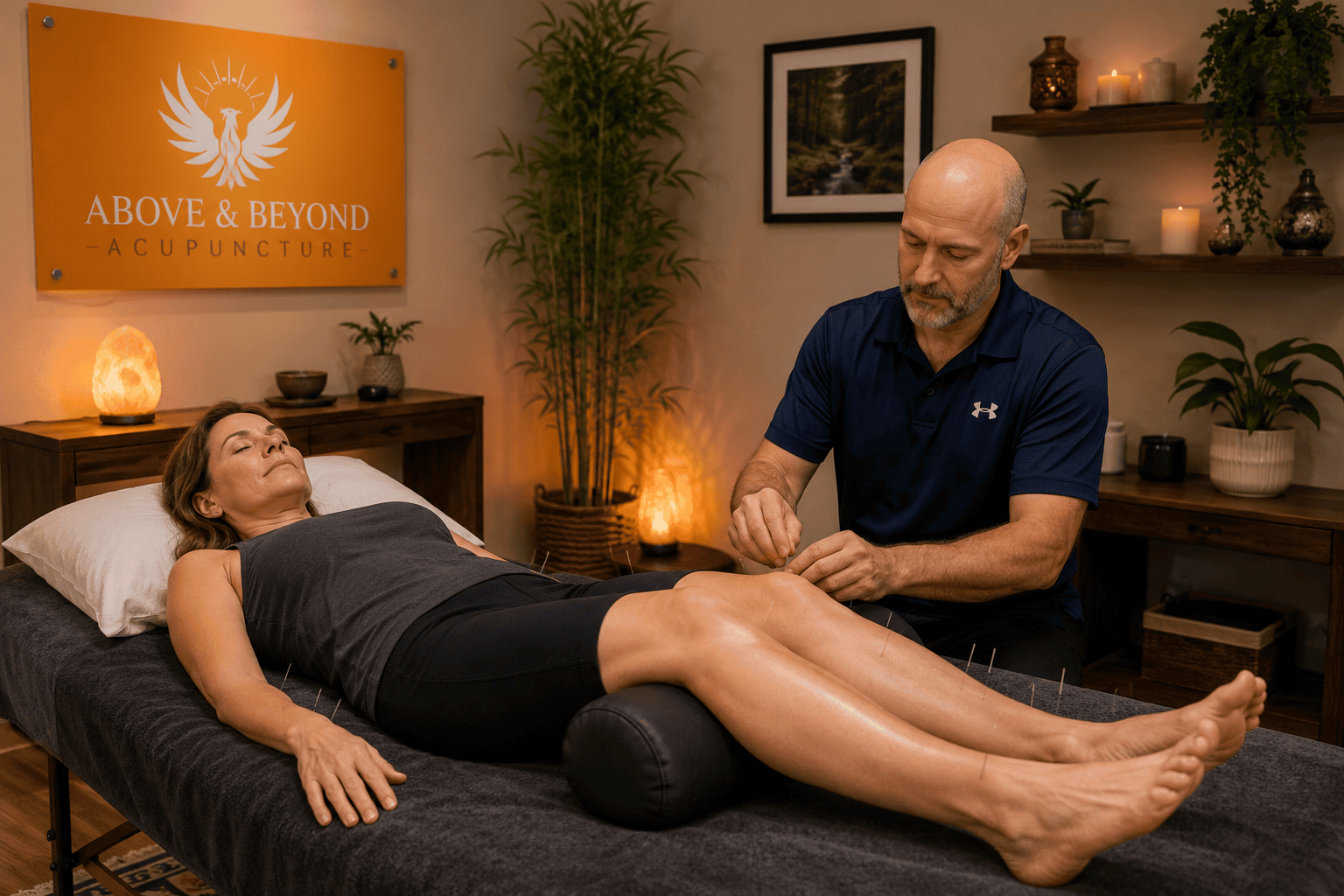
Reach out to Above and Beyond Acupuncture on North Frank Lloyd Wright Boulevard in Scottsdale to schedule a consultation and find out what addressing your dizziness at the level of the underlying pattern could do for what you have been dealing with.
Schedule an appointment online or call us today to start your journey to relief.