
Key Takeaways
- Acupuncture works by stimulating specific points, producing measurable effects on the nervous system and brain.
- It releases natural pain-relieving chemicals like endorphins, helping to alleviate pain and promote calm.
- Acupuncture shifts the nervous system from fight-or-flight to rest-and-recovery mode, improving stress and sleep.
- Research shows acupuncture enhances local blood flow, aiding tissue healing and reducing muscular pain.
- The practice is supported by both traditional and modern science, highlighting its effectiveness despite expectations and placebo effects.

So why does acupuncture work?
It’s a valid, slightly skeptical question… exactly how it should be asked.
How can inserting tiny needles into the skin have real effects on pain, nausea, sleep, or stress?
Despite its ancient roots, acupuncture can seem hard to reconcile with modern scientific understanding of the body. The honest answer is that researchers have discovered substantial evidence about how it works – the biology is real and measurable. The placebo effect also plays a role, and it deserves a direct explanation.
The Abridged Version
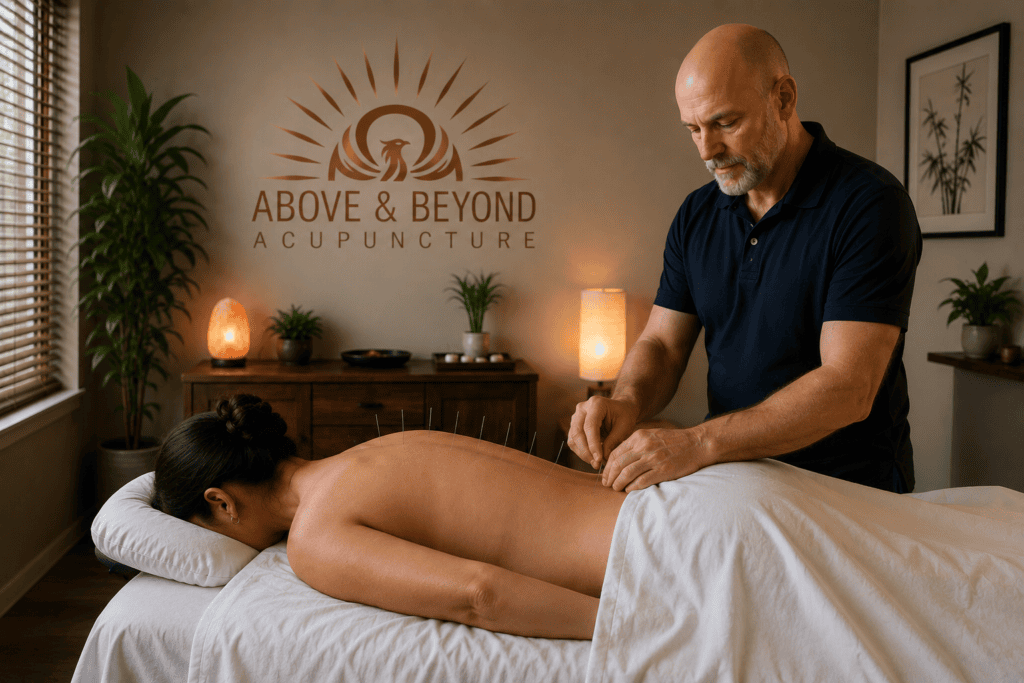
Acupuncture works by stimulating specific points on the body, producing measurable effects on the nervous and circulatory systems and the brain. It’s not magical and doesn’t depend on belief. The needles trigger a series of physical responses: releasing natural painkillers, shifting the nervous system into rest-and-recovery mode, altering local blood flow, and activating brain regions involved in pain and mood regulation. Scans have shown these effects, helping explain why acupuncture has gained acceptance in major hospitals and medical centers.
Acupuncture Stimulates the Body’s Natural Painkillers
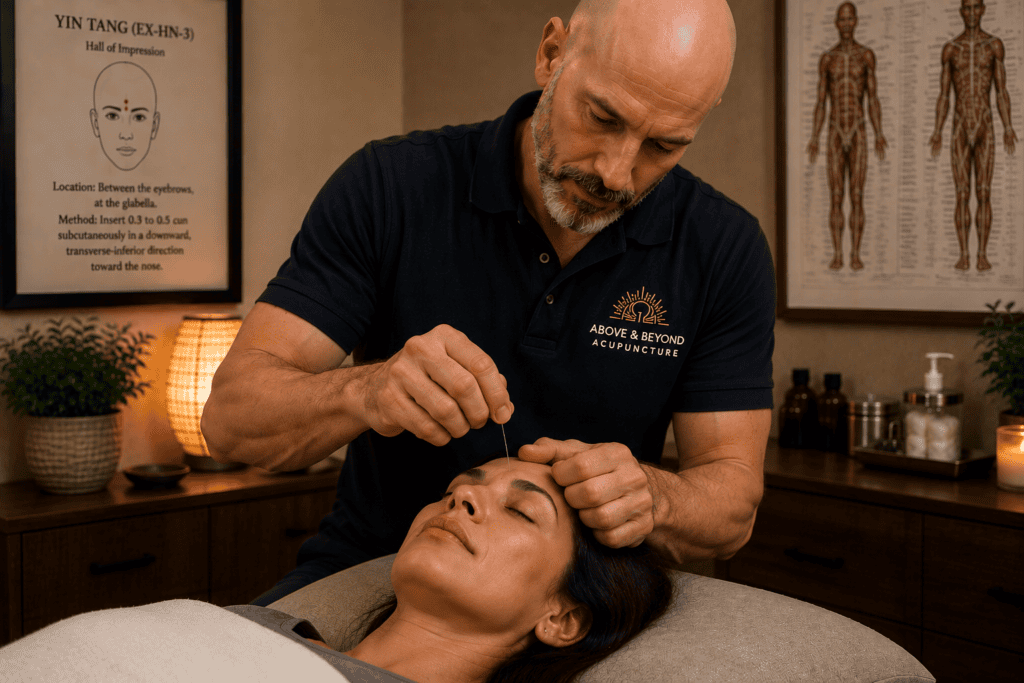
One of the primary reasons acupuncture is effective is that it stimulates the body to release endogenous chemicals, such as endorphins. Inserting needles at specific acupuncture points sends signals through the nervous system, prompting the release of these biochemicals that reduce pain and induce relaxation, often felt during and after the session. This phenomenon goes beyond a traditional idea; there is significant physiological evidence backing acupuncture’s effectiveness in reducing pain.
Acupuncture Shifts the Nervous System Out of Fight-or-Flight and Into Rest-and-Relaxation
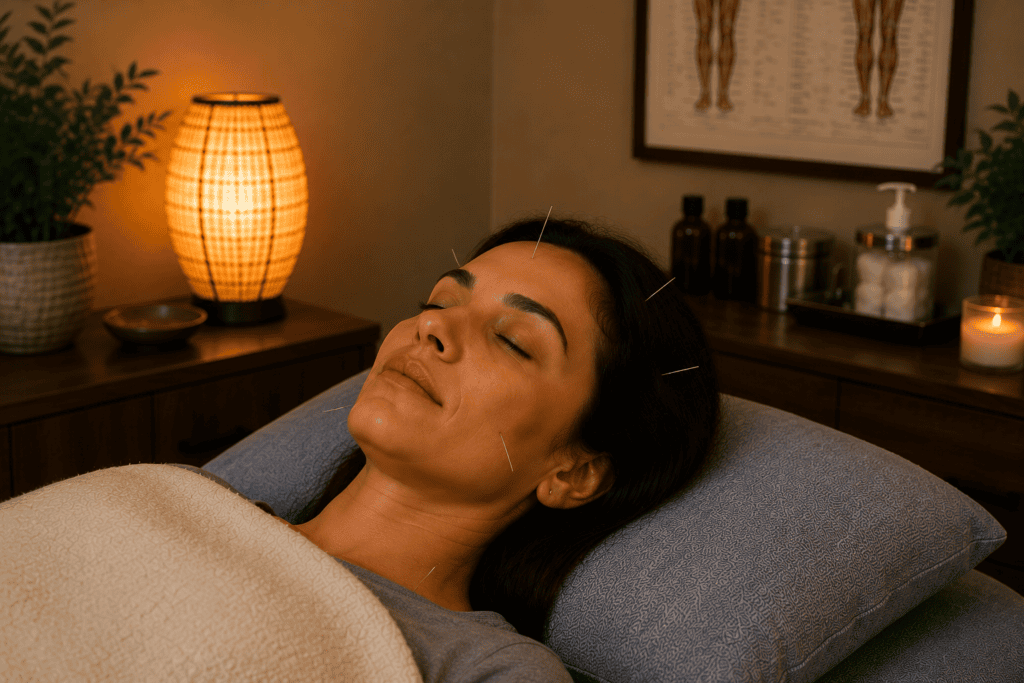
Many aspects of modern life can keep our nervous systems in a constant state of alertness, known as the sympathetic, fight-or-flight mode. Fortunately, acupuncture seems to help shift this balance toward the parasympathetic, rest-and-recovery mode. You might notice this in measurable ways, such as changes in heart rate variability, lower stress hormones, slower breathing, and a calmer stress response. This shift is a major reason acupuncture can be so helpful for managing stress, anxiety, sleep issues, and the many physical symptoms caused by stress. Ongoing elevation of cortisol, often linked to persistent stress, can respond well to this kind of nervous system regulation.
Acupuncture Increases Blood Flow and Directly Affects the Tissue
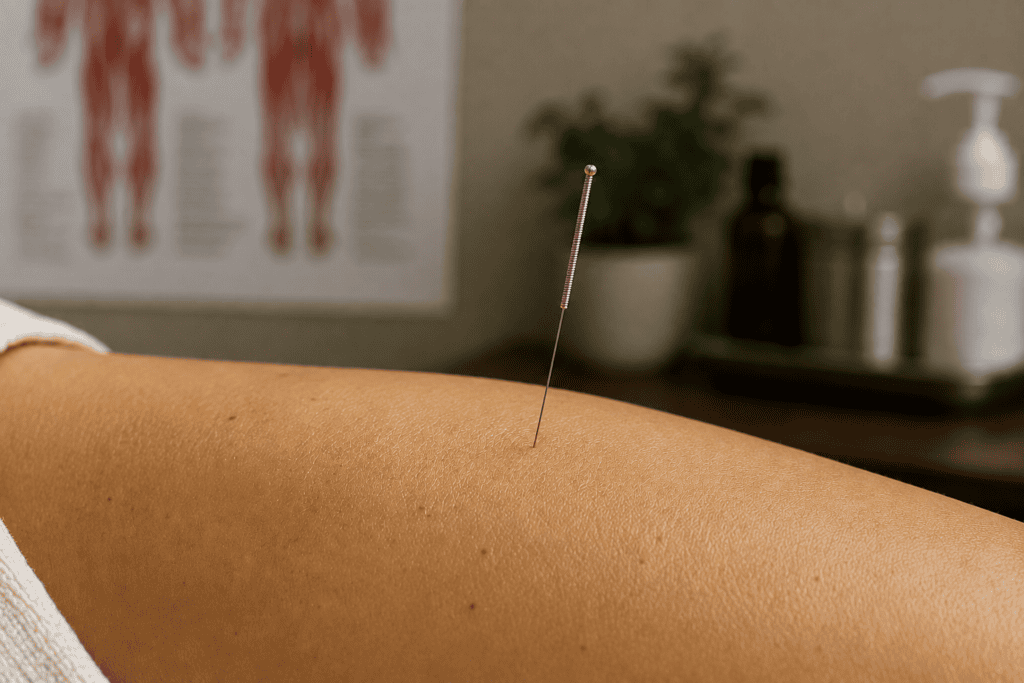
Inserting an acupuncture needle increases local blood flow, promoting tissue healing and helping remove inflammatory byproducts.
Studies also show that needling affects the fascia, the body’s connective tissue, and that the interaction between the needle and fascia contributes to acupuncture’s effectiveness in reducing muscle pain and tension. These effects are localized to the treatment site and distinct from broader nervous system responses.
Acupuncture Shows Up in Brain Scans
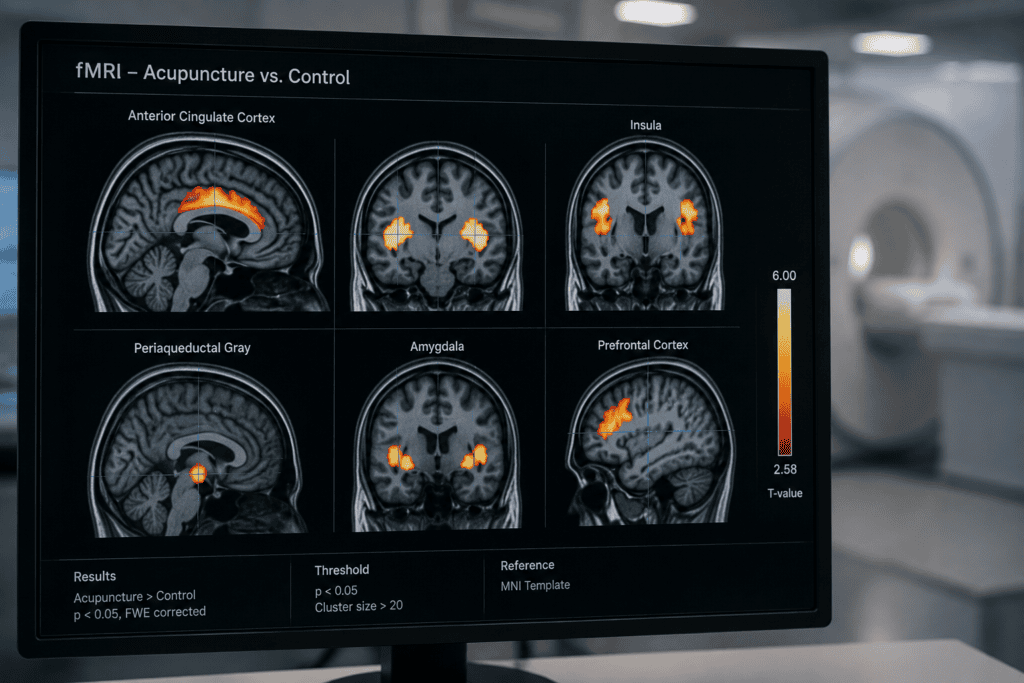
Some of the most compelling evidence supporting acupuncture’s effectiveness comes from brain imaging studies.
Functional MRI scans have demonstrated that acupuncture elicits specific, measurable responses in brain areas responsible for processing pain and managing emotion. In other words, inserting a needle in the wrist or foot can produce observable changes in the brain. This challenges the notion that acupuncture has no effect and explains why it has attracted serious scientific investigation rather than outright dismissal.
For a more detailed explanation of these bodily effects, see “What Does Acupuncture Actually Do to Your Body?” for a deeper look, and “How Does Acupuncture Work?” for an overview from both Traditional Chinese Medicine and modern scientific perspectives.
What About the Placebo Effect of Acupuncture?
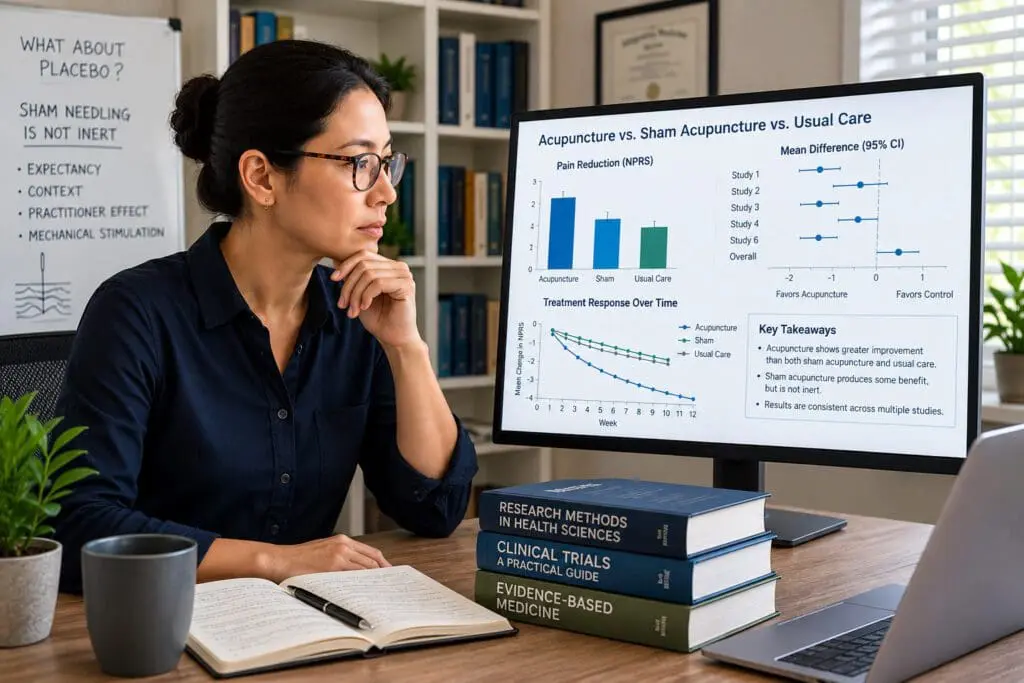
Any honest discussion about why acupuncture works needs to address the placebo question, as it’s the primary concern amongst skeptics. The concern is valid: expectations genuinely affect how people feel, and some acupuncture benefits likely stem from this. However, claiming that acupuncture is solely placebo does not stand up to the evidence for several reasons.
The key point is that studies comparing acupuncture often have subtle complexities that many people might not realize. To test against a placebo, researchers typically use “sham” acupuncture, which involves needling at non-traditional points or inserting needles only shallowly. However, sham needling isn’t really an inert placebo, because inserting a needle anywhere can produce physiological effects. This means these studies are often comparing real acupuncture to a milder form, rather than to no treatment at all. When the results of acupuncture and sham are more similar than expected, it often indicates that both treatments had some effect, rather than neither doing anything.
Additionally, the brain imaging, endorphin, and nervous system findings are physical responses that placebo effects alone cannot fully explain. Acupuncture has exhibited results in real-world situations where placebo effects are less likely, such as in animals and patients under anesthesia.
Acupuncture works through physiological processes, with expectation playing a role, as in many other medical treatments, including traditional medicine. Evidence shows it can be effective for specific health issues like chronic pain and nausea, though the evidence is less definitive for other conditions.
For a more comprehensive understanding of the current research, you may find “Is There Any Proof That Acupuncture Actually Works?” particularly relevant, as it examines specific conditions with more depth.
Why the Ancient and the Modern Explanations of Acupuncture Both Fit
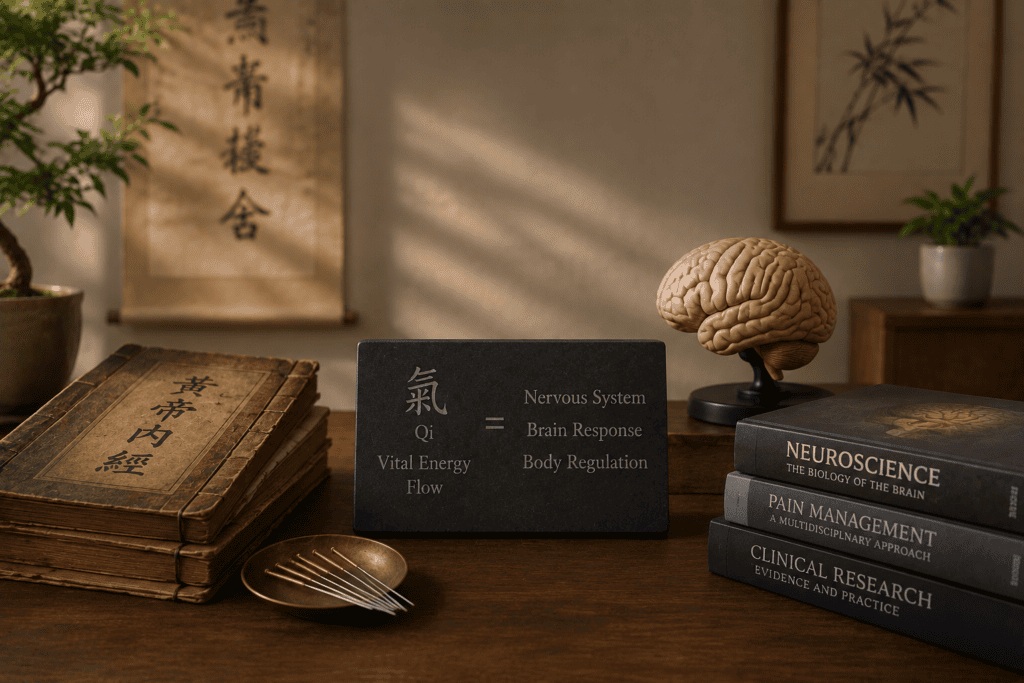
Traditional Chinese Medicine understands acupuncture as the flow of Qi along channels in the body called meridians, a description that aligns with what modern research now shows about the nervous system and the brain. It’s not a matter of one explanation being right and the other wrong – they’re just two ways of describing the same phenomenon. One medicine comes from thousands of years of careful observation, and the other from modern scientific instruments. The fact that these two very different traditions identify the same points and effects exemplifies how important and valuable this practice is.
The Bottom Line
Acupuncture works because it produces real, measurable effects on the body, releasing natural pain relievers, calming the nervous system, improving local circulation, and engaging the brain regions that process pain and mood. Expectation contributes, as it does in nearly all treatment, but it is not the whole story, and the “only placebo” dismissal does not hold up under close scrutiny.
If you’re wondering whether acupuncture is worth trying, understanding why it works is a good foundation, and “Can Acupuncture Help Me?” explains where it applies.
Above and Beyond Acupuncture offers acupuncture, cupping, and lifestyle coaching at the North Frank Lloyd Wright Boulevard location in Scottsdale.
Schedule an appointment online or call us today to start your healing journey.

About the Publisher
Paul Kerzner, L.Ac., is a licensed acupuncturist and board-certified herbalist, as well as the founder of Above and Beyond Acupuncture in Scottsdale. His own journey from chronic patient to practicing acupuncturist shapes his commitment to providing honest, clinically grounded information about acupuncture and Traditional Chinese Medicine. Learn more about Paul and his clinical approach on the About Us page.