Key Takeaways
- Acupuncture is an ancient practice that involves inserting fine needles at specific points on the body to promote healing and balance.
- It aims to regulate the flow of Qi and Blood along meridians, addressing various conditions like pain, stress, and digestive issues.
- Modern research supports acupuncture’s effectiveness through nervous system regulation, endorphin release, and improved circulation.
- Patients can expect a consultation followed by needle placement, often resulting in relaxation and sometimes sleep during the session.
- Acupuncture is safe when performed by licensed practitioners and can complement standard medical care for various health concerns.
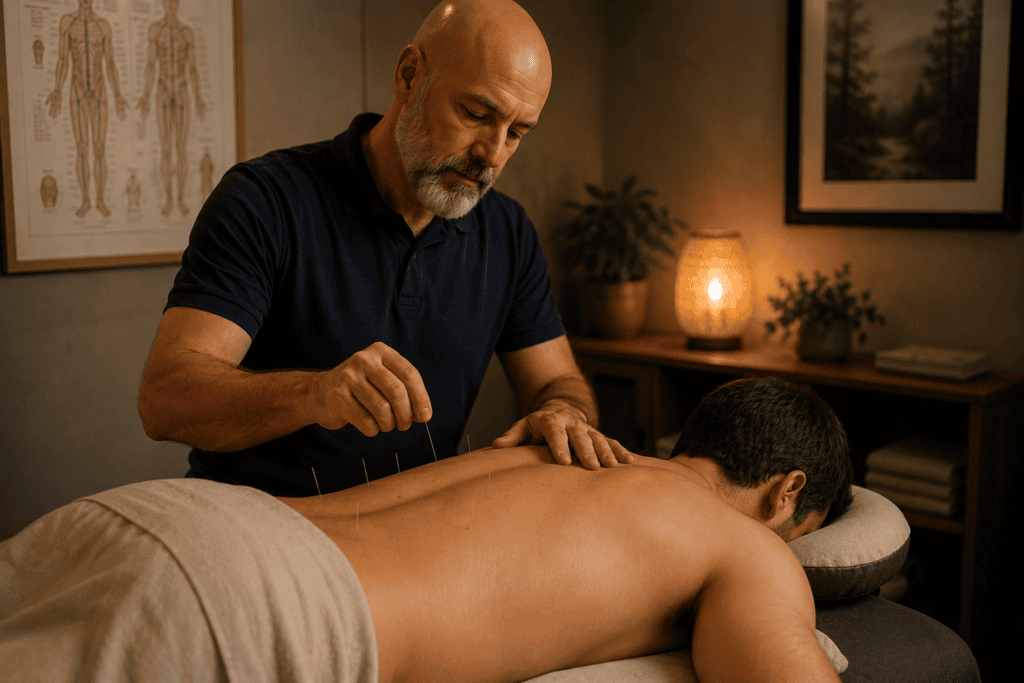
Acupuncture is one of the oldest medical systems in the world and one of the most researched complementary therapies practiced today. Millions of people around the world use it for pain relief, stress reduction, digestive support, sleep issues, women’s health, and dozens of other conditions. The practice has moved from the fringes of Western medicine to the mainstream. Hospitals offer it. Insurance covers it in many cases. Physicians refer to it. The 2017 American College of Physicians guidelines specifically recommend acupuncture as a first-line treatment for acute low back pain.
Still, most patients coming to acupuncture for the first time have questions. What is it actually doing to my body? How does putting needles in specific points produce all these effects? Does it hurt? What can it actually treat? What should I expect from a session?
Here is a comprehensive answer to what acupuncture actually is, where it comes from, how it works, what it treats, and what to expect if you decide to try it.
What Is Acupuncture?
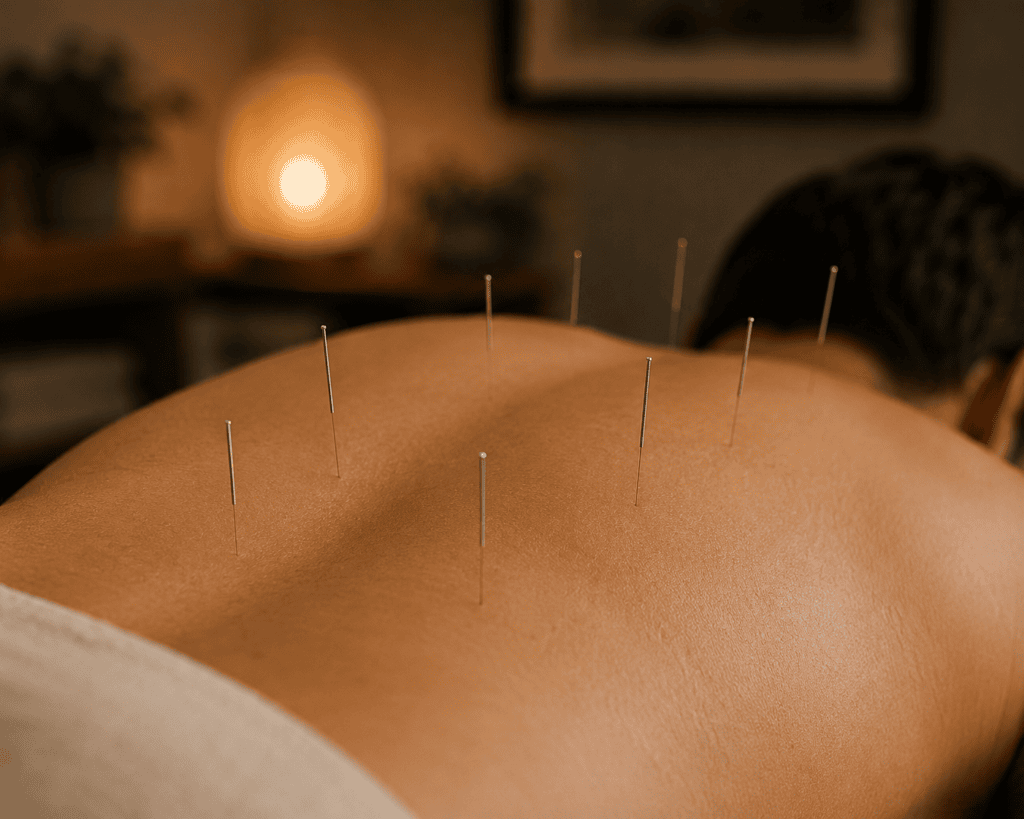
Acupuncture is a treatment practice that involves the insertion of very fine sterile needles at specific points on the body. These points sit along pathways that Traditional Chinese Medicine has mapped over thousands of years called meridians. Each point has specific effects that have been refined through centuries of clinical observation and confirmed by modern research.
The needles used are extremely thin, typically smaller than the diameter of a human hair. Most patients feel little more than a slight sensation on insertion. Some points produce a dull ache, warmth, or tingling as the needle activates the underlying tissue. This sensation is called “de qi” in Chinese medicine and is often desirable because it indicates the point is being properly stimulated.
A typical acupuncture session involves the placement of multiple needles at specific points based on the patient’s presentation. The needles remain in place for 20 to 45 minutes while the patient rests comfortably. Most patients find the experience deeply relaxing. Many fall asleep during treatment.
Acupuncture is performed by licensed acupuncturists who complete extensive training in Traditional Chinese Medicine, anatomy, physiology, and safe needle practice. In the United States, licensed acupuncturists typically complete a master’s or doctoral degree in acupuncture and Chinese medicine and pass national board examinations.
The Mayo Clinic overview of acupuncture and the Cleveland Clinic summary provide the medical picture of the practice.
What is the History and Tradition of Acupuncture?
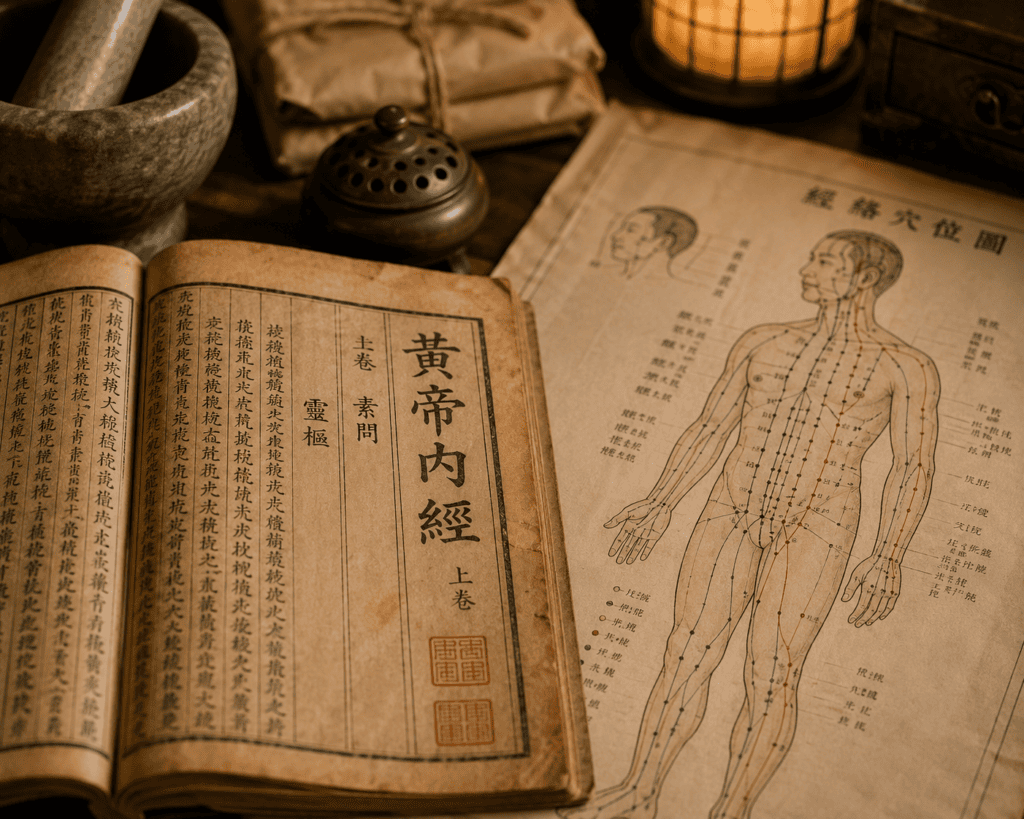
Acupuncture has been practiced continuously for over 2,500 years and possibly longer. The earliest written documentation of acupuncture appears in the Huangdi Neijing (The Yellow Emperor’s Inner Classic), a foundational text of Chinese medicine dating back to around 100 BCE. The tradition existed for centuries before it was written down.
Traditional Chinese Medicine developed as a complete system of health and disease that includes acupuncture, herbal medicine, dietary therapy, exercise practices like qigong and tai chi, and lifestyle guidance. Acupuncture is one component of this comprehensive system rather than a standalone practice.
The tradition spread throughout Asia over centuries, with distinct schools developing in Japan, Korea, and other regions. Each tradition contributed refinements while maintaining the underlying view.
Acupuncture came to the West in waves over the 20th century. A significant moment was 1971, when New York Times journalist James Reston received acupuncture during an appendectomy in China and wrote about the experience for a mass audience. Interest in the practice grew rapidly in the following decades. The World Health Organization recognized acupuncture as a legitimate treatment for numerous conditions in 1979. The National Institutes of Health confirmed its effectiveness for various conditions in a consensus statement in 1997.
Today, acupuncture is practiced in every major country in the world and is increasingly integrated into Western medical settings.
What is the Traditional Chinese Medicine Explanation of How Acupuncture Works?
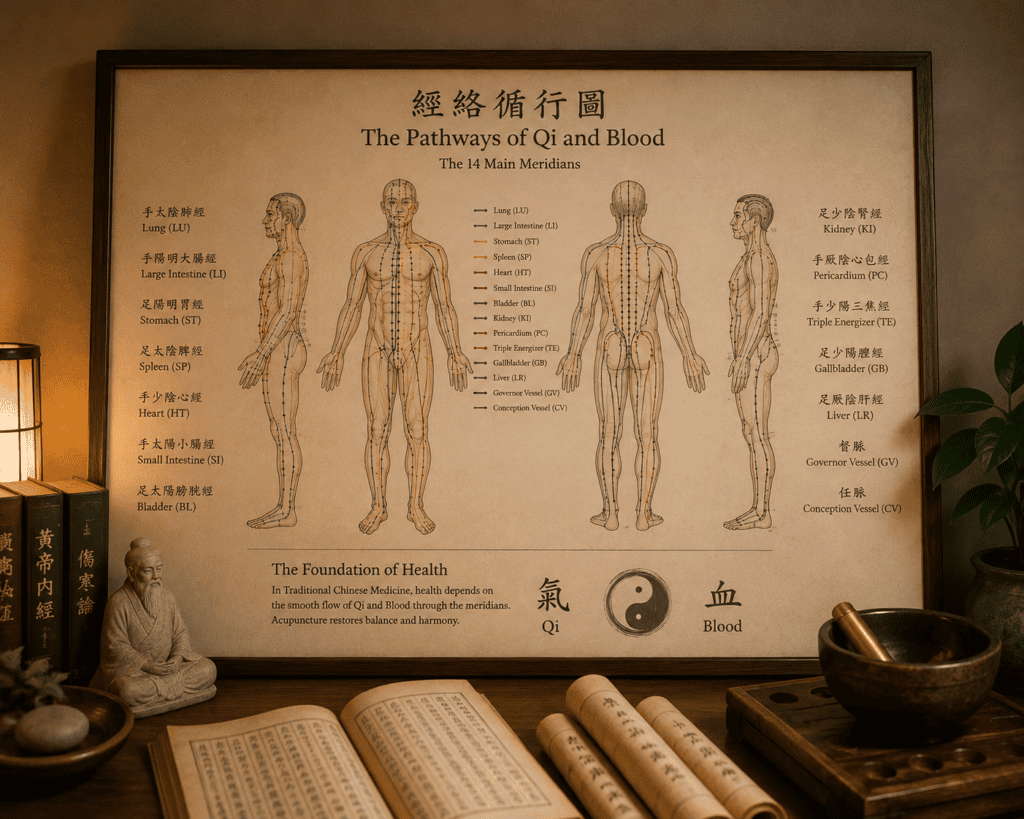
Traditional Chinese Medicine views health as the smooth flow of Qi (vital energy) and Blood through pathways called meridians. When the flow is smooth and balanced, health is maintained. When the flow becomes blocked, deficient, excessive, or otherwise disturbed, disease or discomfort results.
Acupuncture points are specific locations along the meridians where the practitioner can influence the flow. There are 361 classical acupuncture points along 14 main meridians, plus hundreds of additional points including extra points and micro-systems (ear points, scalp points, hand points).
The Chinese medicine view identifies specific patterns rather than named diseases. Two patients with the same Western diagnosis often have different Chinese medicine patterns and receive different point selections. Two patients with different Western diagnoses may share the same pattern and receive similar treatment. This pattern-based approach is what distinguishes Traditional Chinese Medicine from protocol-only Western approaches.
Common patterns include Qi Stagnation (blocked energy flow producing pain and tension), Blood Stasis (impaired circulation producing sharp pain and inflammation), Yang Deficiency (depleted warming energy producing cold sensitivity and fatigue), Yin Deficiency (depleted cooling energy producing heat and dryness), and dozens of other specific presentations. A skilled acupuncturist identifies which patterns are dominant in each patient and treats accordingly.
How Does Acupuncture Work From a Modern Scientific Perspective?
Modern research has documented multiple ways acupuncture affects the body.
- Nervous system regulation. Acupuncture activates the parasympathetic nervous system, which is responsible for rest, recovery, and healing. This shift produces measurable effects on heart rate variability, cortisol levels, and stress hormone patterns.
- Endorphin release. Acupuncture stimulates the release of endorphins, enkephalins, and other natural pain-relieving chemicals. This produces both immediate pain relief and actually reduces the pain sensitivity that chronic pain patients develop.
- Anti-inflammatory effects. Research has documented that acupuncture reduces inflammatory markers throughout the body. The chronic inflammation that underlies many conditions responds directly to acupuncture treatment.
- Improved circulation. Local blood flow at the site of needle insertion increases measurably, which supports tissue healing and reduces pain. The improved circulation extends beyond the immediate needle sites to broader regions.
- Cortisol regulation. Sustained cortisol elevation from chronic stress affects nearly every body system. The chronic cortisol elevation from ongoing stress responds to acupuncture through effects on the HPA axis.
- Nervous system modulation. Acupuncture affects the descending pain modulation system in the brain and spinal cord, which reduces the central sensitization that develops with chronic conditions.
- Neurotransmitter effects. Serotonin, dopamine, GABA, and other neurotransmitters shift in response to acupuncture, which contributes to the mood and sleep effects patients experience.
These effects work together rather than in isolation. A single acupuncture session activates multiple pathways simultaneously, which is why the practice can address such a wide range of conditions.
What Conditions Does Acupuncture Treat?
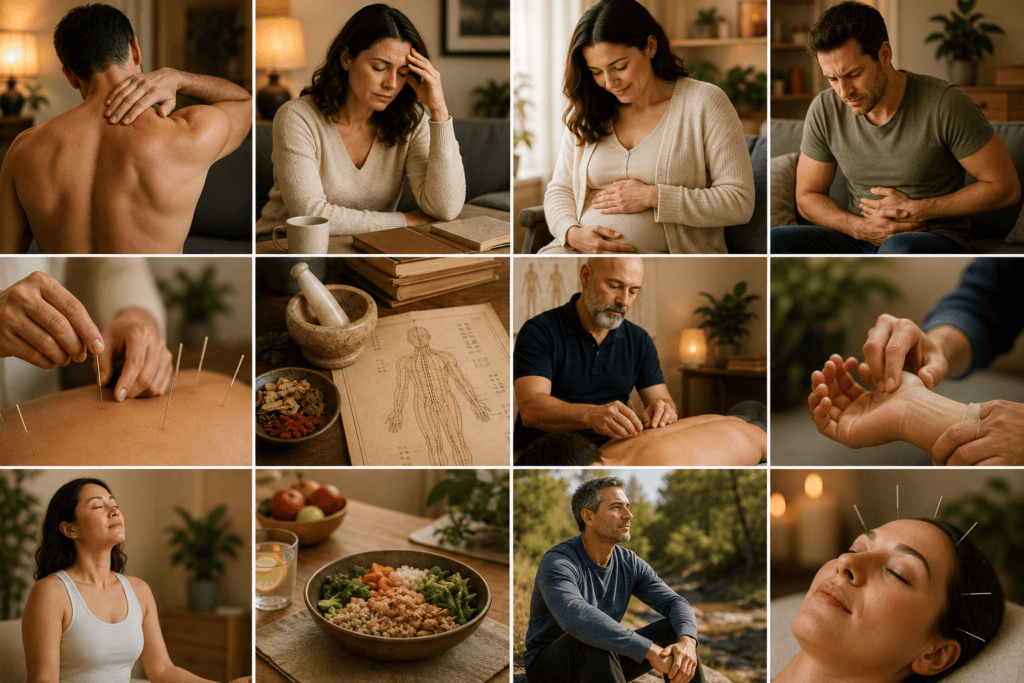
Acupuncture has substantial research support for a wide range of conditions. The applications with the strongest evidence include:
- Pain conditions. Back pain, neck pain, shoulder pain, knee pain, arthritis, sciatica, herniated discs, degenerative disc disease, carpal tunnel, tennis elbow, plantar fasciitis, migraines, tension headaches, fibromyalgia, and TMJ disorders all have research support.
- Stress-related conditions. Anxiety, depression, PTSD, insomnia, chronic fatigue, and stress-related digestive issues all respond well to acupuncture treatment.
- Women’s health. Menstrual pain, PMS, PCOS, endometriosis, fertility support, pregnancy-related symptoms, and menopausal symptoms including hot flashes are common applications.
- Digestive issues. IBS, functional dyspepsia, acid reflux, chronic constipation, and other digestive patterns respond to acupuncture through effects on gut motility and the gut-brain connection.
- Nausea and vomiting. Chemotherapy-induced nausea, postoperative nausea, and pregnancy-related nausea have the strongest research support of any acupuncture application.
- Neurological conditions. Bell’s palsy, post-stroke recovery, neuropathy, and certain chronic neurological patterns respond to acupuncture.
- Respiratory and immune conditions. Chronic sinusitis, allergies, asthma support, and recurring illness patterns respond to acupuncture through immune and inflammatory pathways.
- Emotional and mental health support. Grief, life transitions, and the emotional patterns that accompany chronic conditions respond to the nervous system and Shen effects of acupuncture.
For patients wanting a deeper understanding of what acupuncture can and cannot do, Can Acupuncture Help Me Heal? covers the honest picture of what the treatment provides.
What Should I Expect From an Acupuncture Treatment?
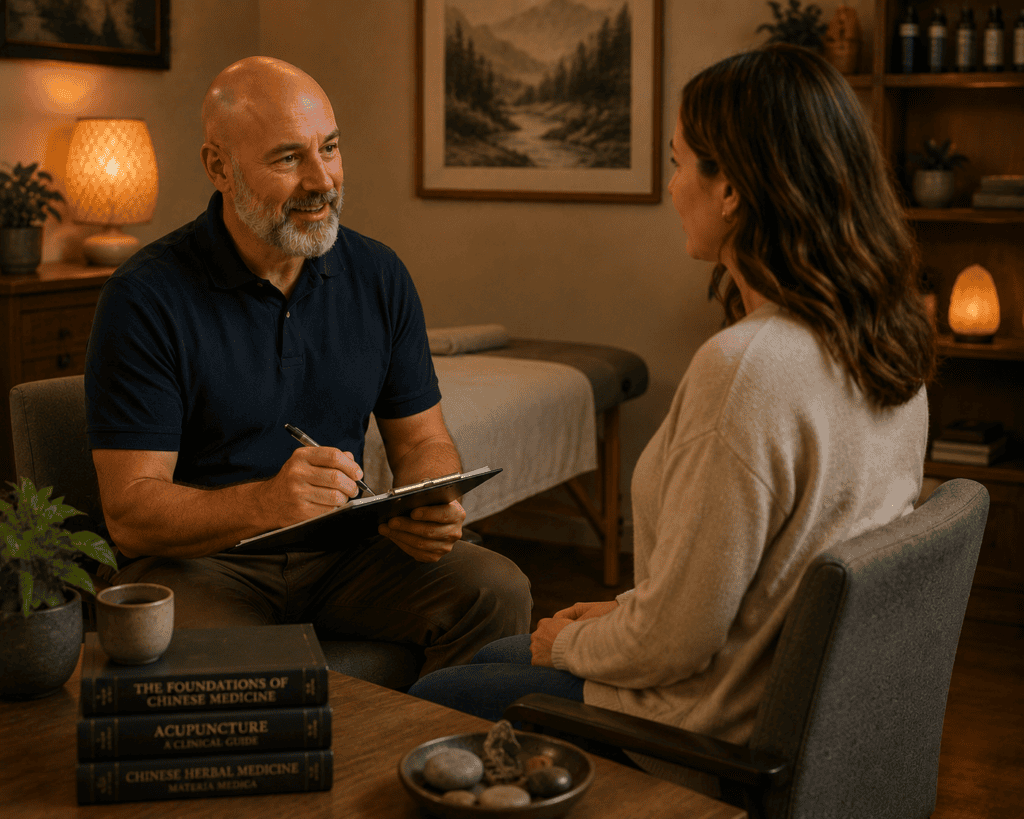
First-time patients often wonder what happens during a session. Here is what to expect:
- The initial consultation. The first appointment typically involves an in-depth conversation about your health history, current concerns, and goals. Chinese medicine diagnosis includes pulse examination (which involves reading multiple positions on both wrists to assess organ system patterns) and tongue examination (which reveals substantial information about internal patterns). The practitioner may ask questions about sleep, digestion, emotions, and other patterns that may seem unrelated but actually inform the treatment approach.
- The treatment itself. After the consultation, you rest on a comfortable treatment table while the acupuncturist places needles at the selected points. The needles remain in place for 20 to 45 minutes while you rest. Most patients find the experience deeply calming. Many fall asleep during treatment.
- After the session. Most patients feel relaxed and calm after treatment. Some feel energized. A few feel initially tired as the body shifts into recovery mode. Any of these responses is normal.
- Frequency of treatment. Most conditions respond best to consistent weekly treatment during the initial course. As improvement occurs, sessions can move to biweekly or monthly maintenance. Acute conditions often need more frequent treatment initially. Chronic patterns typically need longer treatment courses.
- How many sessions are needed. This varies substantially by condition and patient. Some patients experience meaningful improvement after one or two sessions. Most conditions require six to twelve sessions to see substantial sustained improvement. Chronic conditions may need ongoing treatment.
- Does it hurt. Most patients feel little more than a slight sensation on insertion. Some points produce a dull ache or warmth as the point activates. This is called “de qi” and indicates the point is properly stimulated. Actual pain during treatment is uncommon and usually indicates the needle should be adjusted.
Safety and Precautions
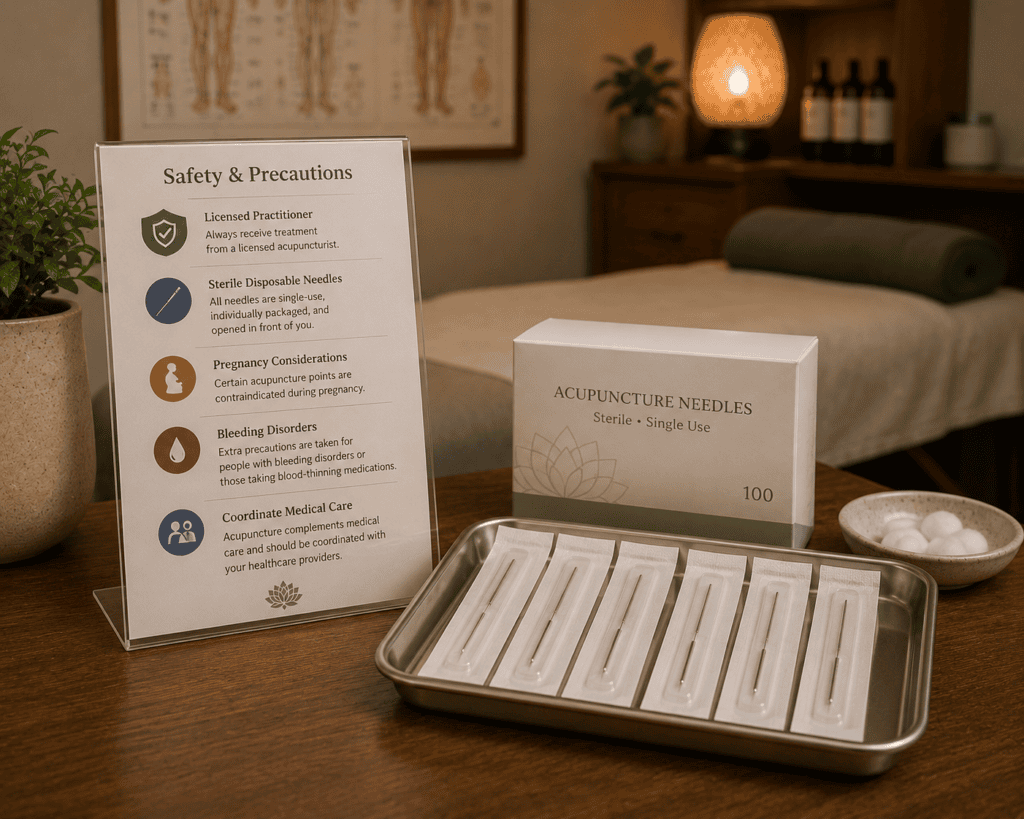
Acupuncture is generally very safe when performed by a licensed practitioner using sterile disposable needles. Serious complications are rare.
The precautions that matter:
- Licensed practitioners only. Acupuncture should only be performed by licensed acupuncturists who have completed proper training. Physical therapists doing “dry needling” have significantly less training in point location, safe depth of needling, and Chinese medicine diagnosis than licensed acupuncturists.
- Sterile disposable needles. All licensed acupuncturists use single-use sterile needles. Never accept reused needles under any circumstances.
- Pregnancy considerations. Certain points including LI4, SP6, and several others are contraindicated during pregnancy. A licensed acupuncturist trained in pregnancy support knows which points to use and which to avoid.
- Bleeding disorders. Patients with bleeding disorders or on blood-thinning medications should discuss acupuncture with their physician before starting. Adjustments to technique may be appropriate.
- Certain medical conditions. Patients with pacemakers should avoid electroacupuncture. Patients with certain infections may need to postpone treatment.
- Post-treatment care. Occasional minor bruising, brief soreness at needle sites, or temporary fatigue can occur. These resolve quickly. Any concerning symptoms after treatment warrant contacting your acupuncturist.
When is Acupuncture a Good Fit?
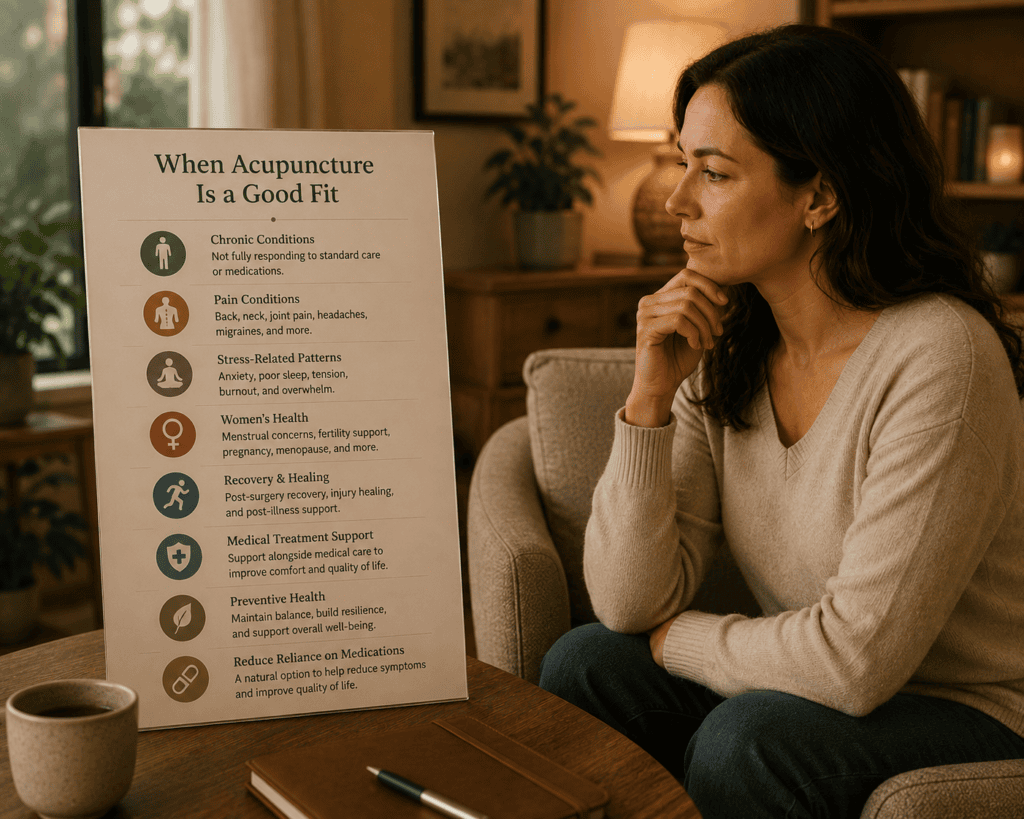
Acupuncture is a good fit for many patients but not every situation. Situations where acupuncture is often a good fit include:
- Chronic conditions that have not fully responded to standard Western care.
- Pain conditions across the body.
- Stress-related patterns affecting multiple systems.
- Women’s health conditions.
- Recovery from illness, injury, or surgery.
- Support during medical treatments like chemotherapy.
- Preventive health and wellness maintenance.
- Situations where you want to reduce reliance on medications.
Situations where standard medical care should come first or alongside acupuncture include acute severe injuries requiring emergency evaluation, symptoms suggesting serious underlying disease, cardiovascular emergencies, signs of infection with fever, and any symptoms your instincts tell you need immediate attention.
Acupuncture works well alongside standard medical care rather than replacing it. Many patients under ongoing medical care use acupuncture to support their treatment and address patterns that medications alone do not fully manage.
Beyond the Basics
For patients wanting to explore acupuncture and Traditional Chinese Medicine further:
What Is Acupuncture? – Part 2 covers the different techniques including conventional acupuncture, electroacupuncture, moxibustion, cupping, and laser acupuncture.
What Is Acupressure? covers the home practice version of acupuncture that uses pressure rather than needles.
Can Acupuncture Help Me Heal? covers the honest picture of what acupuncture can and cannot do.
Many patients also experience anxiety, stress, and depression alongside their primary concerns that respond well to acupuncture treatment.
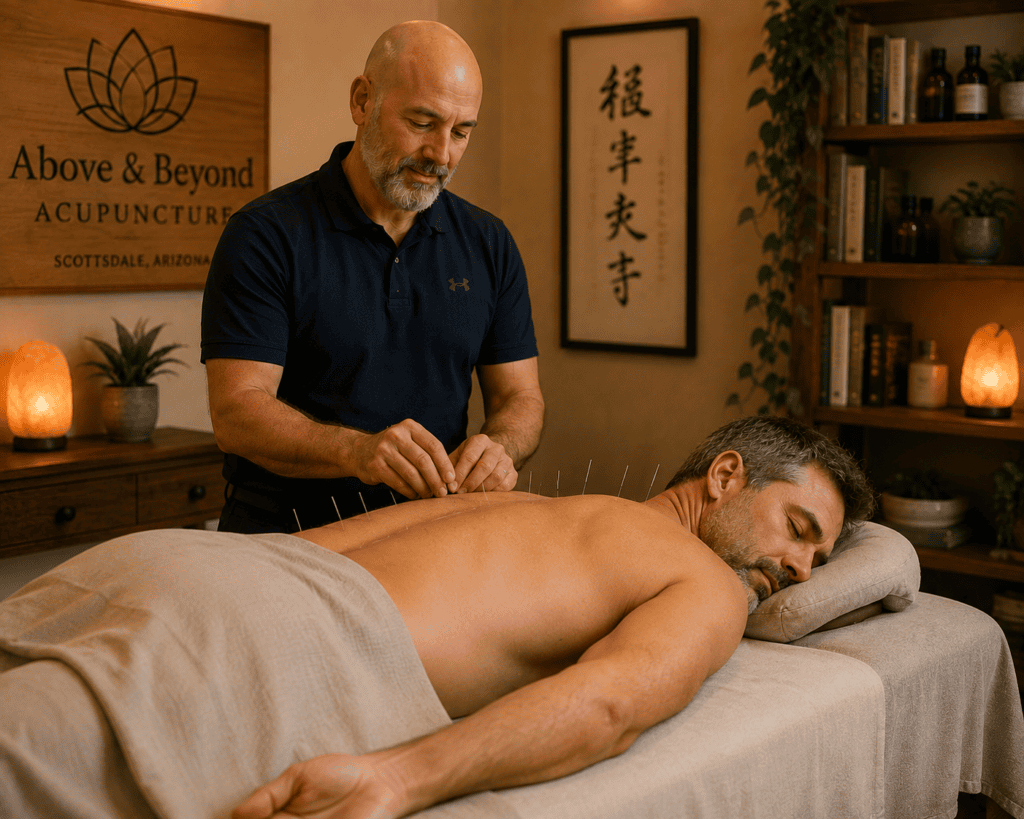
Above and Beyond Acupuncture offers acupuncture, cupping, and lifestyle coaching at the North Frank Lloyd Wright Boulevard location in Scottsdale.
Schedule an appointment online or call us today to start your healing journey.
About the Publisher
Paul Kerzner, L.Ac., is a licensed acupuncturist and board-certified herbalist, as well as the founder of Above and Beyond Acupuncture in Scottsdale. His own journey from chronic patient to practicing acupuncturist shapes his commitment to providing honest, clinically grounded information about acupuncture and Traditional Chinese Medicine. Learn more about Paul and his clinical approach on the About Us page.