Key Takeaways
- Stress can cause real physical pain due to changes in the nervous system and inflammatory responses.
- Chronic stress leads to muscle tension, lowered pain thresholds, inflammation, and a cycle of pain and stress.
- Common areas of stress-driven pain include the jaw, neck, shoulders, and lower back, often unrecognized by patients.
- Traditional Chinese Medicine explains stress-pain connection through Liver Qi stagnation, impacting energy flow.
- Acupuncture addresses stress-driven pain by targeting the nervous system and releasing muscle tension effectively.
“Is stress causing my physical pain?” This is one of the most common questions patients bring to Above and Beyond Acupuncture in Scottsdale, often after months of dealing with pain that does not have an obvious cause.
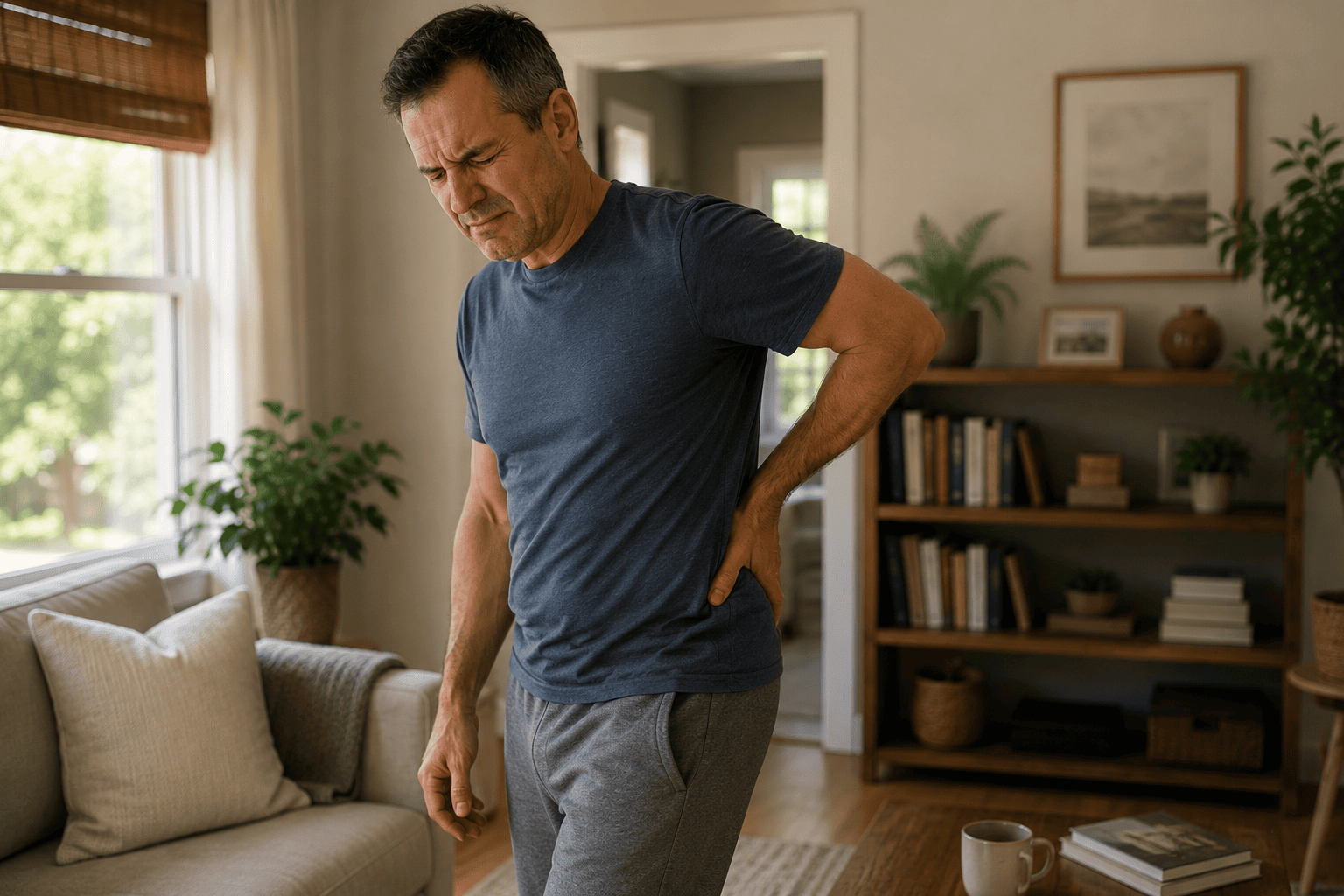
The jaw that aches by mid-afternoon. The neck and shoulders that feel like they are made of stone. The headaches that arrive on schedule. The low back that tightens for no reason the imaging can find. Many of these patients have already been to other providers, had scans that came back clean, and left without a clear answer.
The question underneath all of it is simple.
The answer is yes, stress causes real, measurable physical pain.
Not imagined pain.
Not exaggerated pain.
Genuine physical pain produced by documented changes in the nervous system, the muscles, and the body’s inflammatory chemistry. Understanding the mechanism is the first step toward treating it, because pain driven by stress does not respond to the same approaches as pain driven by structural injury.
The Short Answer Is Yes
The connection between stress and physical pain is well-established in the medical literature. Chronic stress produces a long list of physical symptoms, including muscle tension, jaw clenching, headaches, and generalized aches and pains.
These are not side effects of worrying. They are the direct physical output of a nervous system that has been kept in a state of alert for too long.
The reason this connection gets missed is that the pain is real and physical, while the cause is upstream and invisible. A patient feels the tension in their neck, so they look for a structural problem in their neck.
The structural problem is not there, because the neck tension is the downstream result of a nervous system pattern that started somewhere else entirely.
How Stress Becomes Physical Pain
There are several distinct mechanisms by which stress converts into physical pain, and most patients are experiencing more than one of them at the same time.
The first is sustained muscle tension.
When the body perceives stress, the nervous system shifts into a protective state often called fight-or-flight. In this state, the muscles tense in preparation for action. This is useful for a brief threat.
The problem is that chronic stress keeps the body in this state continuously. The American Psychological Association notes that under stress the muscles tense up, and when the stress is ongoing, they never get the signal to fully release. Muscles held in sustained contraction for weeks or months produce pain, stiffness, and the trigger points that refer pain to other areas.
The second is a lowered pain threshold.
Chronic stress actually lowers the body’s threshold for pain, which means the same physical sensation registers as more painful in a stressed body than in a calm one. This is part of why stress can flare existing conditions like arthritis and fibromyalgia, and why a stressed person experiences ordinary aches as significantly more intense.
The third is inflammation.
Chronic elevation of the stress hormone cortisol disrupts the body’s inflammatory regulation, contributing to the systemic low-grade inflammation explored in the chronic inflammation post. Inflammation sensitizes pain receptors throughout the body and contributes to widespread aching that has no single identifiable source.
The fourth is the self-reinforcing cycle between pain and stress.
Research has documented that pain and stress feed each other in a mutually reinforcing loop. Stress produces pain, the pain becomes a new source of stress, and the cycle compounds. Breaking this loop is one of the central goals of effective treatment, because addressing only the pain or only the stress leaves the other half of the cycle intact.
Where Stress Pain Tends to Show Up
Stress-driven pain has favorite locations. These are the areas where the body tends to hold tension, and they account for a large share of the pain complaints that bring people into the clinic.
The jaw is one of the most common. Stress-related jaw clenching and grinding, often happening during sleep without the person being aware of it, produces TMJ pain, facial tension, headaches, and tooth wear. Many patients do not connect their jaw pain to stress until the pattern is explained to them.
Tension headaches are the classic stress headache, presenting as a band of pressure around the head driven by sustained tension in the muscles of the neck, scalp, and jaw. This pattern is explored in depth in the headaches post.
The neck and shoulders carry an enormous share of stress tension. The trapezius and surrounding muscles tighten under stress, producing the rock-hard shoulders, restricted range of motion, and referred pain that so many desk workers and high-pressure professionals live with daily.
The low back is another common holding site. Chronic stress tightens the muscles of the lower back and hips, contributing to low back pain that has no structural cause visible on imaging, a pattern explored in the normal MRI post.
The pelvic floor is the least discussed but a significant one. Chronic stress can produce sustained tension in the pelvic floor muscles, contributing to a range of uncomfortable symptoms that are frequently misattributed to other causes.
Why This Often Goes Unexplained
Patients dealing with stress-driven pain frequently move through the conventional medical system without getting a clear explanation. The reason is structural rather than anyone’s fault.
The conventional diagnostic process is built to find structural problems: tears, fractures, herniations, inflammation visible on a scan. When the imaging comes back clean and the labs are normal, the system often has nothing more to offer.
The patient is left with real pain and no explanation, sometimes with the implication that the pain is not real.
The pain is real. It simply originates from a source the standard structural workup is not designed to detect. A nervous system locked in chronic stress does not show up on an MRI. The muscle tension it produces does not appear on a blood panel. This is precisely the gap where a different clinical framework becomes valuable.
The Traditional Chinese Medicine Perspective: Liver Qi Stagnation
Traditional Chinese Medicine (TCM) has described the stress-pain connection for thousands of years through the framework of Liver Qi stagnation. In TCM, the Liver is responsible for the smooth flow of energy throughout the body, and it is the system most affected by stress, frustration, and emotional pressure.
When stress goes unresolved, the smooth flow of Liver Qi becomes stuck. This stagnation produces exactly the cluster of physical symptoms that stress-driven pain patients report: tension in the neck and shoulders, jaw clenching, tension headaches, irritability, and a general sense of physical and emotional tightness.
The TCM framework recognized the connection between emotional stress and physical pain long before modern research began documenting the underlying mechanisms, and it built an entire treatment approach around resolving the stagnation rather than chasing the individual symptoms.
When Liver Qi stagnation persists, it can generate internal Heat, which intensifies the pattern and adds the restlessness, sleep disruption, and heightened reactivity that often accompany chronic stress pain. The treatment goal is to restore the smooth flow, which releases the physical tension and settles the system that has been producing it.
How Acupuncture Addresses Stress-Driven Pain
Acupuncture is particularly well-suited to stress-driven pain because it works at the level where the pain actually originates: the nervous system.
By stimulating specific points on the body, treatment shifts the autonomic nervous system out of the chronic fight-or-flight state and into the recovery state where muscles release and pain processing normalizes. This is the same nervous system regulation explored in the wired and tired post, applied directly to the physical pain it produces.
Treatment addresses both halves of the pain-stress cycle at once.
The local points release the specific areas of muscular tension, including the jaw, the neck, the shoulders, and the low back. The constitutional points settle the underlying nervous system pattern and, in TCM terms, move the stagnant Liver Qi that has been driving the whole presentation.
This dual approach is why acupuncture produces lasting results for stress-driven pain where treatments aimed only at the muscle provide temporary relief at best.
For patients who have been dealing with unexplained physical pain, who have had the scans and the workups without getting answers, and who suspect that stress is playing a role they have not been able to address, a clinical assessment from this perspective is a different kind of investigation than what they have already pursued.
Reach out to Above and Beyond Acupuncture on North Frank Lloyd Wright Boulevard in Scottsdale to schedule a consultation and begin addressing the pain at the level where it actually lives.
Schedule an appointment online or call us today to start your journey to relief.