
Key Takeaways
- Chronic inflammation affects mood and brain function, often without obvious signs, and can cause symptoms such as depression and fatigue.
- Pro-inflammatory cytokines are able to cross the blood-brain barrier, which can modify neurotransmitter production and impact mental clarity.
- Diet, especially ultra-processed foods, can increase inflammation and negatively affect mood, whereas dietary changes may enhance psychological well-being.
- Traditional Chinese Medicine associates internal inflammation with symptoms like mental fog and emotional instability, implying that addressing inflammation may enhance mental clarity.
- Acupuncture can help lessen the neurological impact of long-term inflammation by decreasing inflammatory signals and rebalancing the body’s systems.

Most individuals associate inflammation with injury, such as swelling from a sprained ankle or redness and warmth around a wound. In these cases, inflammation serves as a targeted immune response that kicks off healing.
What happens when low-level inflammation persists over months or years is less understood. Unlike acute inflammation, chronic systemic inflammation shows no visible signs and instead works quietly, affecting more than just tissues and joints.
Over the last twenty years, research has shown a growing link between chronic inflammation and shifts in mood, motivation, cognition, and mental clarity. At Above and Beyond Acupuncture in Scottsdale, understanding this link helps explain why patients often show both physical and psychological symptoms, which conventional medicine often addresses separately.
How Inflammation Reaches the Brain
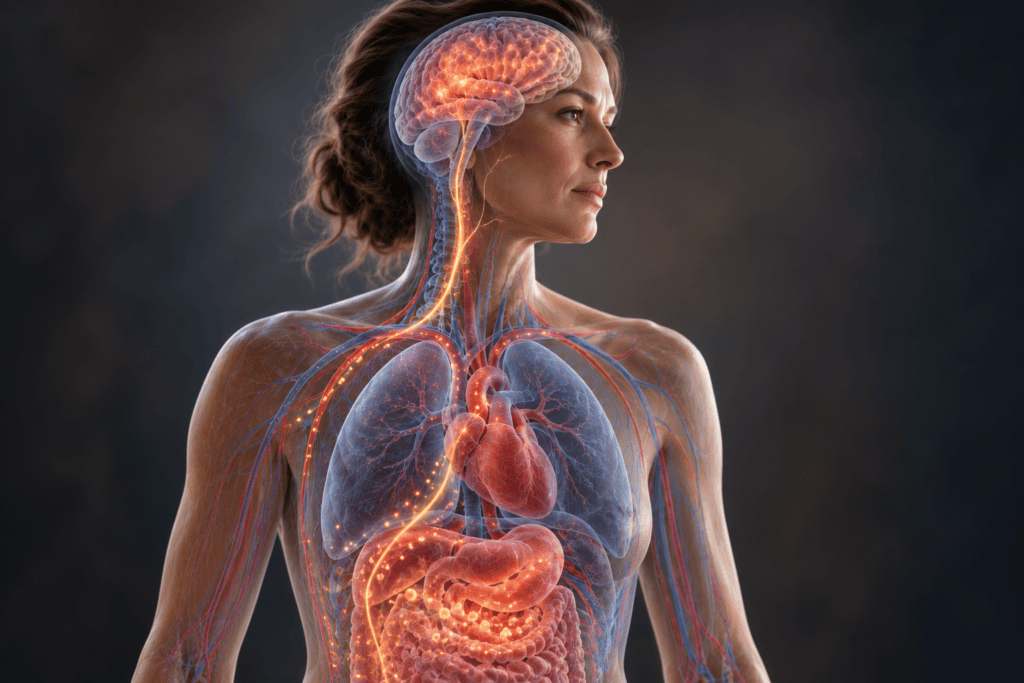
It was once believed that the blood-brain barrier protected the brain from immune system activity by preventing substances from crossing into neural tissue. However, recent studies have greatly revised this view.
During chronic inflammation, the body produces pro-inflammatory cytokines such as interleukin-6, interleukin-1 beta, and tumor necrosis factor-alpha. These molecules reach the brain through several pathways, including a more permeable blood-brain barrier, vagus nerve signaling, and activation of brain immune cells called microglia.
Chronic activation of microglia caused by persistent inflammatory signals keeps them in a state of constant defense, changing brain chemistry. This directly affects neurotransmitter production. For example, during inflammation, the enzyme IDO increases and shifts tryptophan from making serotonin toward producing kynurenine. Kynurenine is linked to depression and cognitive issues. As a result, these changes can cause depression, low motivation, slowed thinking, and concentration problems, regardless of life factors or psychological strength.
This is referred to as the cytokine model of depression, representing a significant advance in psychiatric research in recent years. It provides an explanation for why traditional antidepressants tend to be less effective for individuals whose depression results from inflammatory dysregulation instead of a neurotransmitter deficiency.
The Brain Fog and Fatigue Connection

Brain fog often occurs in chronic inflammatory conditions but is frequently missed in clinical settings because it doesn’t show up on standard tests. Patients often describe it as thinking through cotton, losing words mid-sentence, processing information more slowly, or being mentally present but not fully alert.
Inflammatory brain fog occurs when activated microglia reduce synaptic efficiency in the prefrontal cortex and hippocampus, which are vital for memory and information processing. Additionally, ongoing inflammation disrupts the HPA axis, keeping cortisol levels high when they should decline and further hindering memory consolidation and cognitive recovery during rest.
In this situation, fatigue isn’t caused by exertion; it’s a neurological response the brain triggers to reduce activity and preserve resources during a perceived immune threat. The body shifts energy away from motivation and physical activity toward immune function, which explains why rest doesn’t relieve inflammatory fatigue the way it does with typical tiredness.
The Ultra-Processed Food Connection

Diet influences neurological function through inflammation. Ultra-processed foods cause gut dysbiosis and increased intestinal permeability, raising systemic inflammation that affects the brain. The gut-brain axis allows a disrupted gut environment to send ongoing inflammatory signals to the central nervous system, which can impair mood, motivation, and cognitive performance.
This explains why dietary changes often lead to both psychological and physical improvements. Lowering gut inflammation reduces cytokine signaling, which in turn supports healthier neurotransmitter production and microglial function.
The TCM Perspective: Phlegm-Heat and the Clouded Shen

Traditional Chinese Medicine has long understood the connection between internal inflammation, digestive issues, and mental clarity, even before modern science could detect cytokines or microglial activation.
In Traditional Chinese Medicine, symptoms such as mental cloudiness, low motivation, and emotional flatness are viewed as Phlegm-Heat clouding the Heart and obstructing mental clarity. The Shen, or mind and spirit, requires a clean internal environment to function properly. When Phlegm and Heat accumulate due to Spleen deficiency, poor diet, chronic stress, or Qi stagnation, they obscure the Shen, leading to symptoms that modern research has identified through the cytokine model.
In TCM, Liver Qi stagnation progressing to Heat is associated with irritability, mood swings, and decreased motivation, often seen in chronic inflammation. The Liver controls Qi flow and emotional regulation; when it becomes constrained and overheated, it can cause emotional imbalance and reduced motivation.
Spleen deficiency is fundamental to this pattern. In Traditional Chinese Medicine (TCM), the Spleen transforms nutrients and maintains mental clarity. When the Spleen weakens from poor diet, worry, or overexertion, it produces Dampness and Phlegm, which hinder cognitive and emotional healing.
How Acupuncture Addresses the Inflammatory-Neurological Connection

Acupuncture stimulates the vagus nerve, activating the cholinergic anti-inflammatory pathway and reducing pro-inflammatory cytokine production. This decrease in peripheral cytokines diminishes inflammatory signals sent to the brain and helps mitigate the neurological effects associated with chronic inflammation.
According to TCM, treatment aims to strengthen the Spleen and Stomach to reduce Damp and Phlegm, clear Heat from the Liver and Heart to relieve agitation and emotional issues, and soothe the Shen through Heart and Kidney points to restore mental clarity and drive.
Patients seeking treatment for physical inflammation often experience clearer thinking, more stable moods, and increased energy early on, before recognizing that these improvements are linked to their treatment. This happens because treating the underlying cause alleviates symptoms across multiple bodily systems, not just the surface problems.
Where to Start

If you experience ongoing low mood, unexplained lack of motivation, slow thinking despite rest, or combined physical and mental fatigue without a clear cause, consider assessing for chronic systemic inflammation.
A comprehensive assessment with our licensed acupuncturist in Scottsdale reviews physical, neurological, and constitutional aspects to determine inflammation sources and suggest optimal acupuncture, lifestyle, and diet plans.
Above and Beyond Acupuncture offers acupuncture, cupping, and lifestyle coaching at the North Frank Lloyd Wright Boulevard location in Scottsdale.
Schedule an appointment online to start your healing journey.

About the Publisher
Paul Kerzner, L.Ac., is a licensed acupuncturist and board-certified herbalist, as well as the founder of Above and Beyond Acupuncture in Scottsdale. His own journey from chronic patient to practicing acupuncturist shapes his commitment to providing honest, clinically grounded information about acupuncture and Traditional Chinese Medicine. Learn more about Paul and his clinical approach on the About Us page.