Key Takeaways
- Reishi mushrooms, or Ganoderma lucidum, have a long history in Traditional Chinese Medicine for calming the mind and promoting vitality.
- Research indicates possible immune benefits, but the evidence is still limited, mainly derived from laboratory studies and small-scale human trials.
- Reishi may support cancer treatment but is not a first-line therapy; it could enhance quality of life when used with standard care.
- Potential side effects include dizziness and stomach issues; caution is advised for those on blood-thinning or blood pressure medications.
- Overall, reishi mushrooms serve as a tonic for well-being, but should be taken alongside a healthy lifestyle and after consulting a doctor.
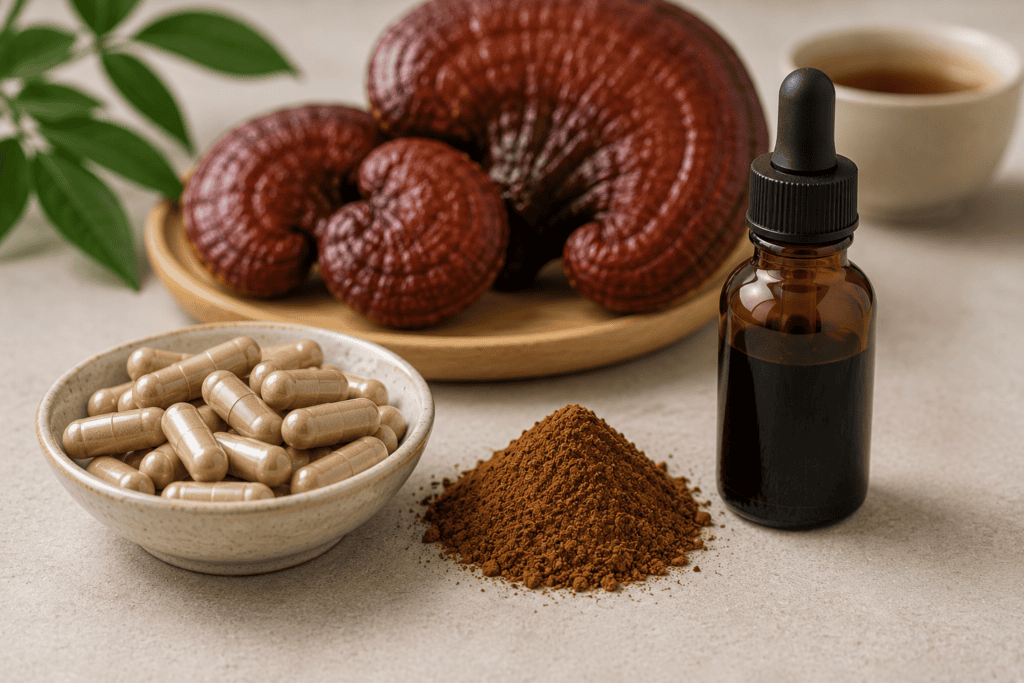
Reishi mushrooms have been part of Traditional Chinese Medicine for over two thousand years and have long been used to calm and support the mind, promote vitality, and support long life. Today, they are among the most widely used medicinal mushrooms and are available as capsules, powders, extracts, and teas, marketed for a variety of purposes such as immunity and stress. While some of its reputation is supported by research, other claims go beyond what the evidence shows.
This article examines what reishi is, how it has been used in traditional practice, and what the studies actually reveal about its benefits, so you can make an informed decision rather than accept marketing claims at face value.
What is Reishi?
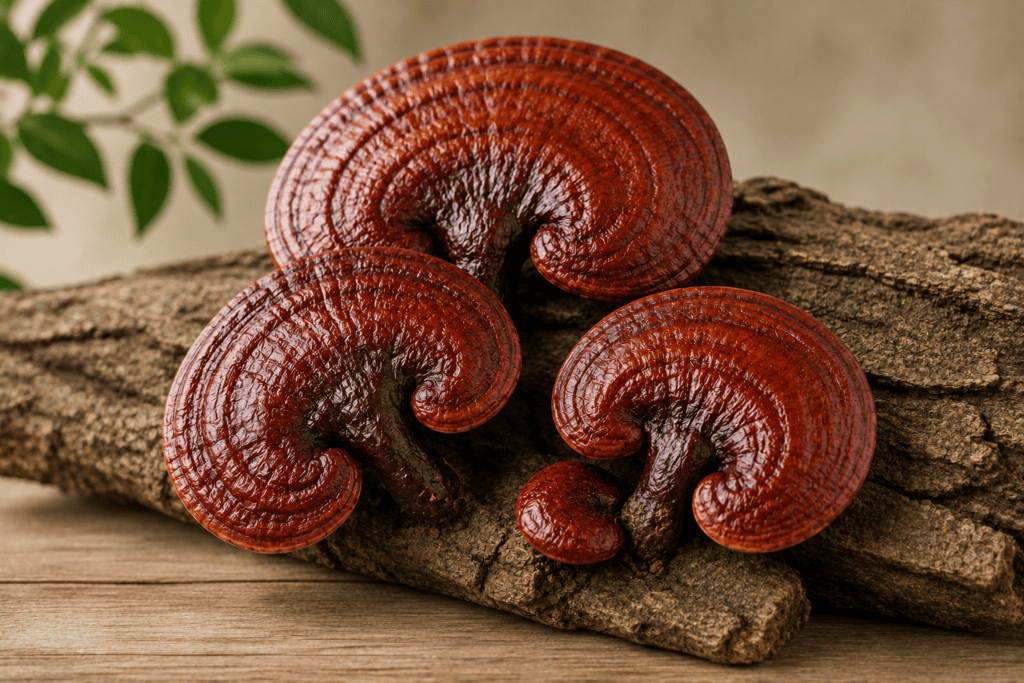
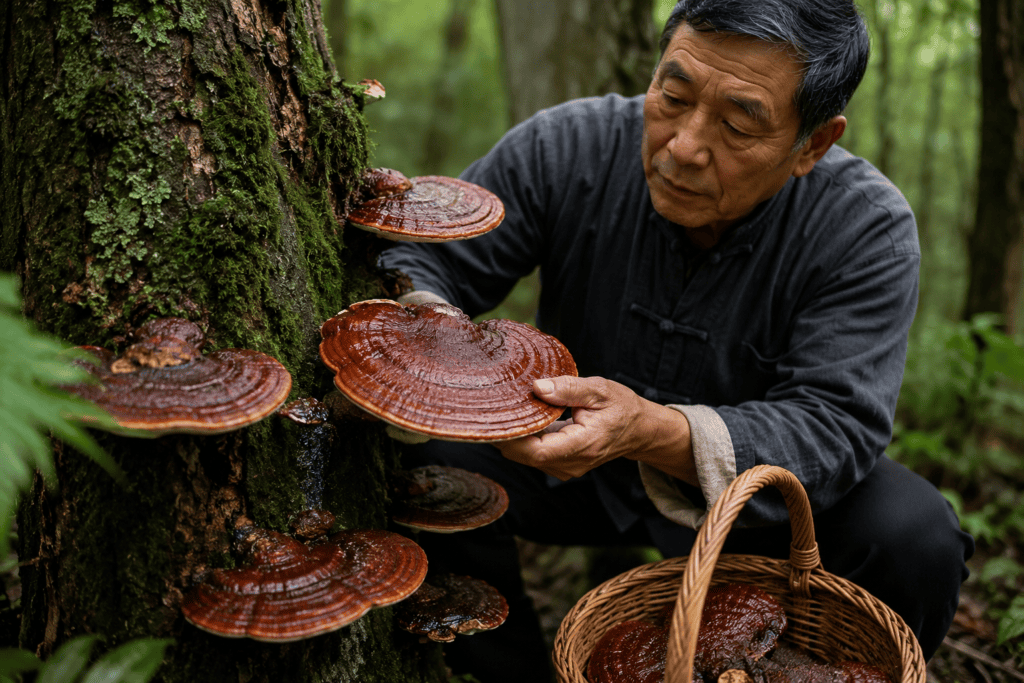
Reishi is the common name for Ganoderma lucidum, a woody, bitter fungus that grows on trees in the hot, humid areas of Asia.
In Chinese, it is known as Ling Zhi, a name associated with spiritual power and a long life, and it has long held a high status in Traditional Chinese herbal medicine, where it is regarded as a calming tonic rather than a regular food. Because reishi is too tough and bitter to eat like other mushrooms, people take it as an extract, powder, or tea. Wild reishi is rare; therefore, almost all reishi sold today is cultivated. The active substances in it, polysaccharides and triterpenes, are what researchers have focused on to understand its effects.
How is Reishi Traditionally Used?
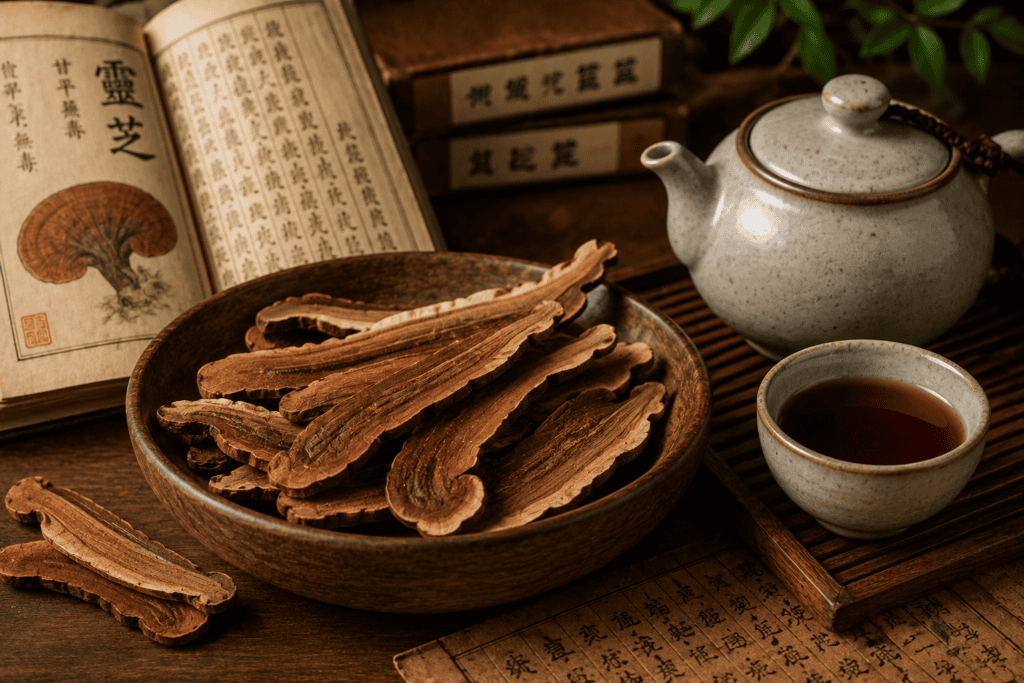
In Traditional Chinese Medicine, reishi is most famous as a herb which calms the Shen, that is to say the mind and spirit; it has for long been employed to relieve restlessness, to reduce anxiety and to aid sleep, as well as to boost general vitality and to support the body’s resilience over time. It is regarded as one of the tonic herbs taken not for the purpose of treating a particular illness but in order to nourish the constitution and promote longevity, a role it has held in Chinese and other Asian medical traditions for helps explain
Its long use is one reason it has attracted scientific interest, even though tradition and proof are not the same.
What Does the Research Show?
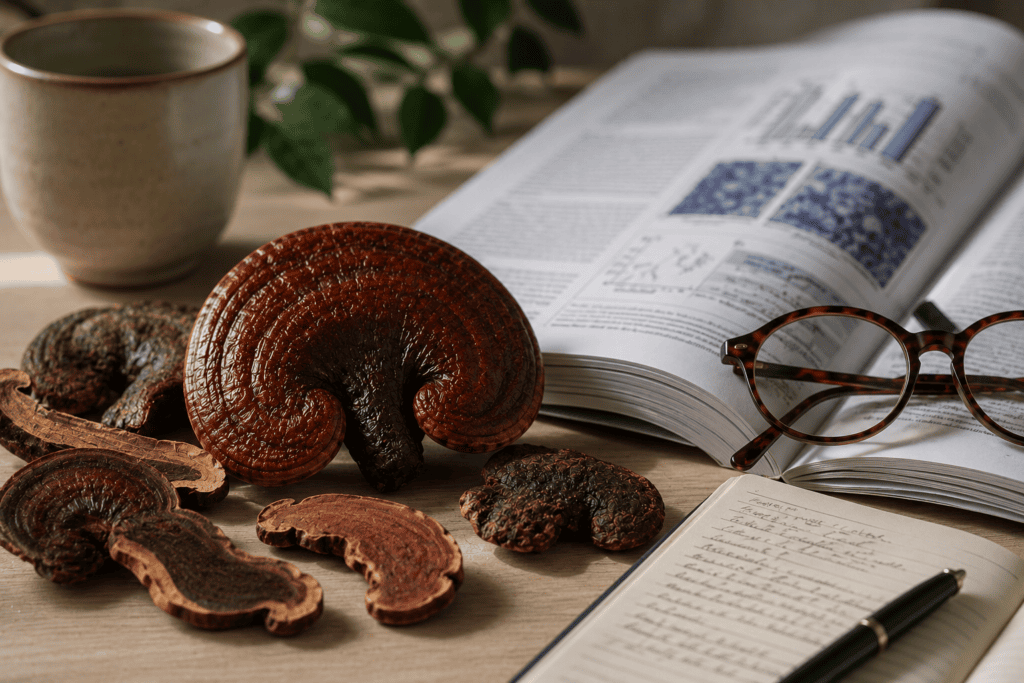
Research into reishi is active but still limited, and the evidence is mixed and largely based on early studies. Much of the available information comes from laboratory and animal studies, while human trials are generally small and only moderate in quality, so the results below should be seen as encouraging rather than proven.
The most studied aspect is the immune system. Reishi has compounds that seem to have an effect on immune activity by influencing white blood cells and inflammation pathways, and it is precisely this immune-modulating action that forms the basis of both its traditional and modern reputation, even though it is agreed that more good studies involving humans are needed in order to confirm just how meaningful it is in practice.
In cancer treatment, reishi is regarded as a complementary therapy used alongside conventional methods, not as a standalone treatment. A respected 2016 review of available trials found the studies small and low quality and concluded that reishi should not be used as a first-line cancer treatment, but that it might support the body’s immune response and improve quality of life when used alongside standard care. A subsequent analysis of reishi-related products among cancer patients reached a similar conclusion, showing better outcomes but maintaining the same caution about study quality. It does not reduce tumors.
Several small studies have examined other applications, with mixed results. Some trials suggest that reishi might slightly influence blood sugar levels in people with type 2 diabetes; others have investigated effects on cholesterol, fatigue, and heart health; and more recent research suggests it could increase hemoglobin levels in endurance athletes. However, results across these areas are inconsistent, and the studies are small, so nothing is certain. It is fair to say that reishi is a traditional tonic and that there is genuine but still developing scientific interest in its immune and supportive effects, rather than it being a proven treatment for any particular disease.
Safety and Precautions
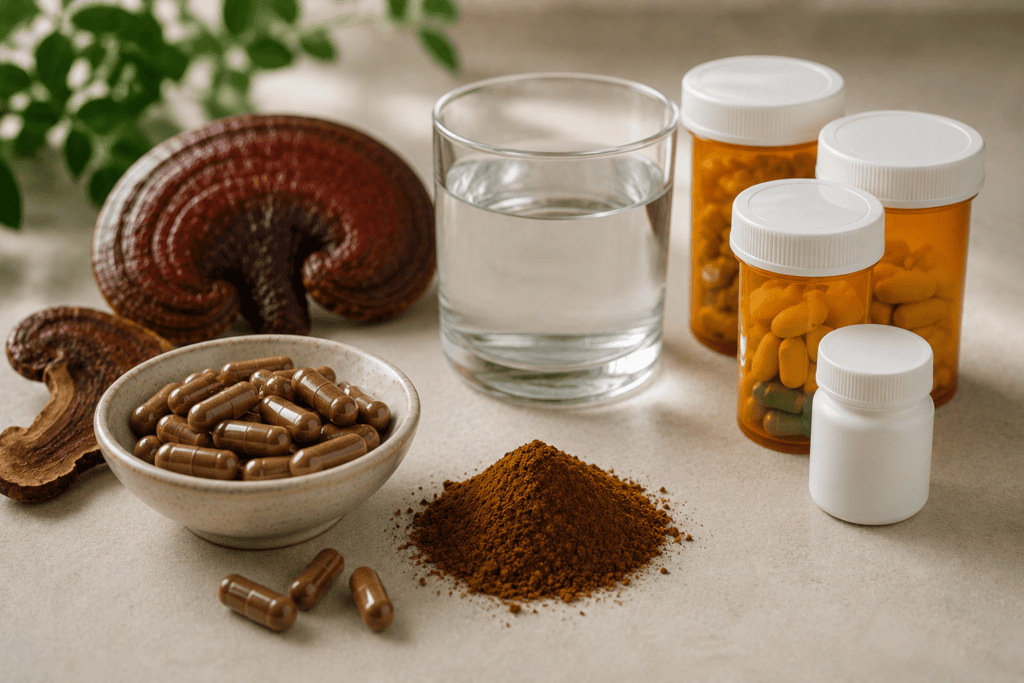
Reishi is considered reasonably safe for most people when taken as directed. Studies have used extracts for up to a year and powdered reishi for shorter periods, with no reports of major problems in most users. It may, however, cause side effects such as dizziness, dry mouth, nausea, an upset stomach, itching, and a rash, and rare instances of liver problems have been associated with some products, so stop use and consult a doctor if any worrying symptoms appear.
When it comes to precautions, interaction-related ones matter most. Since reishi can thin the blood, it may enhance the effects of blood-thinning drugs and therefore should be used with care by anyone who is on such medication or who is about to have surgery. It may also lower blood pressure and blood sugar, which can strengthen the effects of medications used to treat those conditions. For this reason, people who are pregnant or breastfeeding, those who are taking any kind of regular medication, or individuals who have a health condition should consult their doctor before beginning to take Reishi. As with any supplement, quality can vary by brand, so choose a reliable source.
The Bottom Line
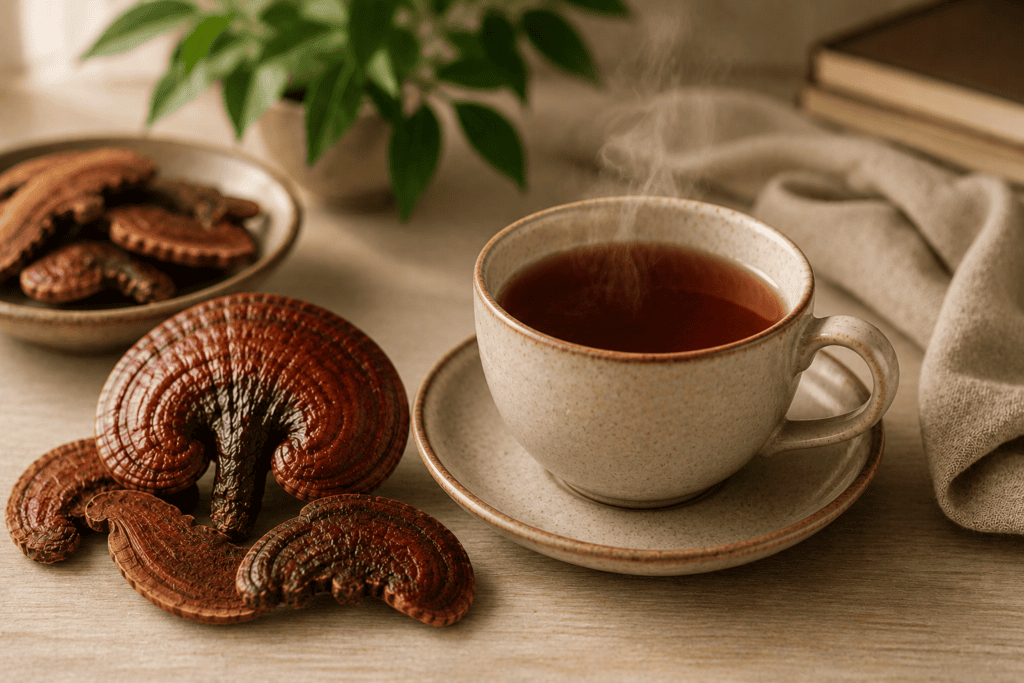
Reishi is a medicinal mushroom that has long held a respected place in Chinese medicine and is now the subject of a growing, though still early, body of modern research on its ability to support the immune system and aid in supportive care. It is best seen as a tonic for well-being that can provide genuine but limited benefits, rather than the panacea it is sometimes advertised to be. If you want to try it, treat it as part of a healthy lifestyle, choose a good-quality product, and consult your doctor first, especially if you are taking medication.
Above and Beyond Acupuncture offers acupuncture, cupping, and lifestyle coaching at the North Frank Lloyd Wright Boulevard location in Scottsdale.
Schedule an appointment online or call us today to start your healing journey.
About the Publisher
Paul Kerzner, L.Ac., is a licensed acupuncturist and board-certified herbalist, as well as the founder of Above and Beyond Acupuncture in Scottsdale. His own journey from chronic patient to practicing acupuncturist shapes his commitment to providing honest, clinically grounded information about acupuncture and Traditional Chinese Medicine. Learn more about Paul and his clinical approach on the About Us page.