Key Takeaways
- This blog post discusses treatments for alleviating back pain using acupuncture, building on prior information from the first part of the series.
- Practitioners can use local acupuncture points by inserting needles directly into sensitive areas for pain relief.
- Distal acupuncture points help treat back pain by targeting imbalances in affected meridians and channels.
- Cupping therapy, creating a partial vacuum on skin, helps alleviate stagnation and can be used alongside acupuncture.
- Combining acupuncture and cupping therapy maximizes efficacy for immediate relief of back pain.
Please note that this blog post is the second part of a series in which we discuss the use of acupuncture to alleviate back pain. We suggest you read the first part, as it will provide background information about back pain and using Traditional Chinese Medicine to treat this physical ailment. Please click here to view that post: [Link]
What types of acupuncture treatments could be used to alleviate back pain?
In future blog posts we will talk about specific acupuncture points, their locations, indications and functions. Given that there are so many different acupuncture points that can be used to alleviate back pain, we wanted to briefly talk about a few different types of treatment styles that can be used to provide relief.
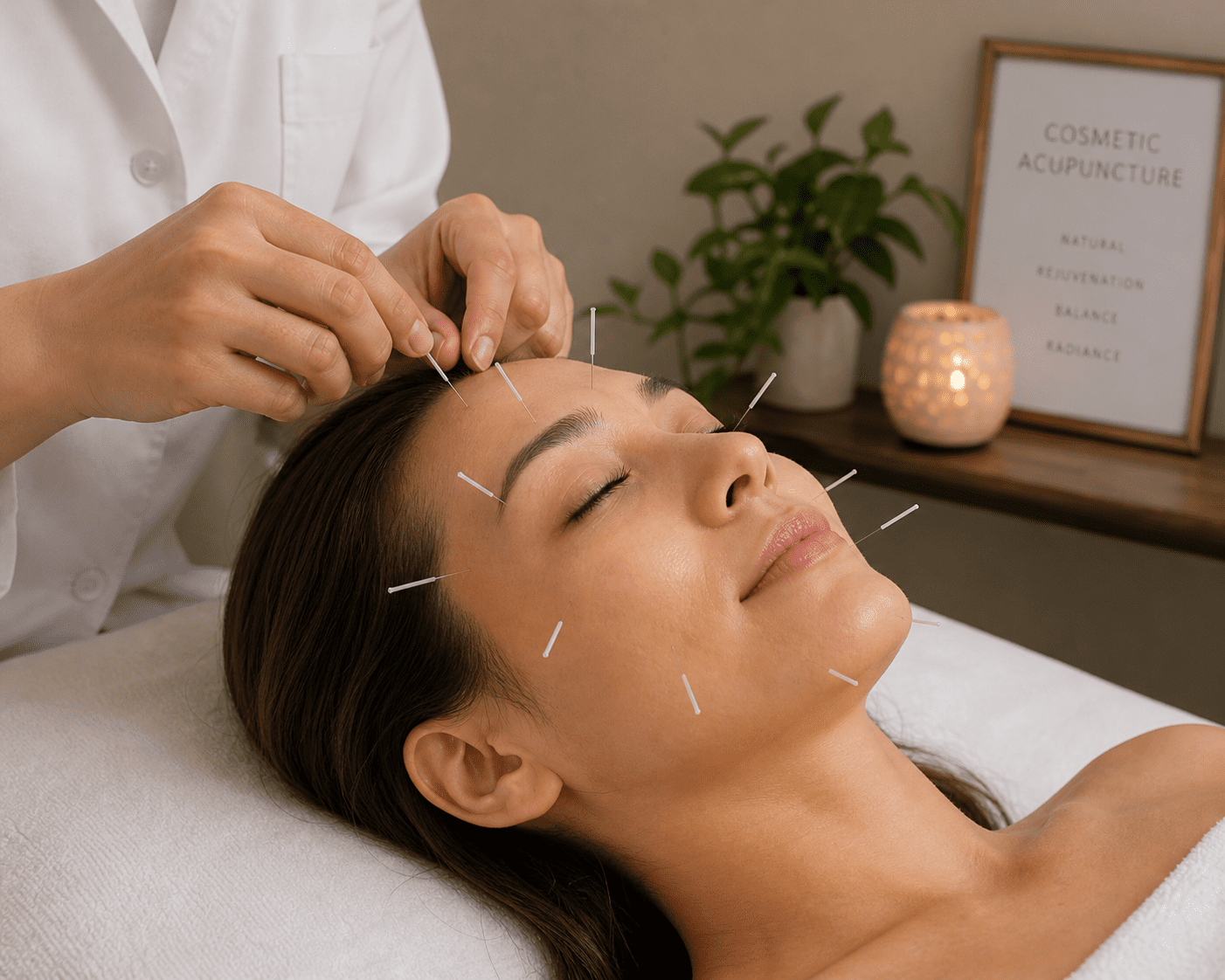
One type of acupuncture treatment that is effective in eliminating back pain is the placement of needles directly into the affected area. After locating the most sensitive areas using palpation, a practitioner will insert acupuncture needles locally that can alleviate pain by eliciting an energetic response from the body. Using local points will reduce pain by clearing out inflammation, calming nerves and moving Qi and blood that can become stagnant.
Inserting needles at distal acupuncture points to treat back pain is a different treatment style that can be used alone or in conjunction with local points. Distal (or distant) points whose functions are to alleviate pain in the back are an effective way to provide treatment. A licensed acupuncturist would first do a full intake to determine which meridians/channels have been affected; look for any imbalances; and then create a treatment plan. Distal points on specific parts of the body would be selected based on which channels they are located, as well as their indications and functions.
Can cupping help to alleviate back pain?
Cupping is an ancient Chinese treatment modality that is used to alleviate stagnation. A partial vacuum is created in plastic or glass cups that are placed on the skin either by means of suction or heat. This draws up the underlying tissues/muscles.
When the cup is left in place on the skin for a few minutes, blood stasis is formed and localized healing takes place.[Stationary cupping is effective, but limited to the areas where the cup is present. Running cupping—also known as sliding cupping—is a type of cupping where the cups are moved around the back. Sliding the cups allows the practitioner to cover a wider area. This type of cupping can elicit a tremendous amount of change in a short period of time.
Acupuncture and cupping can be used together to work synergistically in an effort to alleviate back pain. Both treatment types complement each other; when combined, they are extremely effective and can provide immediate relief.
At Above & Beyond Acupuncture, cupping therapy is a popular treatment modality among our patients. If you are interested in trying it, please schedule an appointment online.