
Key Takeaways
- Sea sickness can ruin trips, but home remedies provide effective management without medication.
- Ten remedies include ginger, fresh air, pressure wristbands, hydration, bland foods, rest, peppermint, vitamin B6, and acupressure.
- Combining several approaches yields the best results for both prevention and management of symptoms.
- Patients should prepare for future trips by testing remedies on shorter journeys and purchasing supplies in advance.
- Seek medical attention for severe cases, persistent symptoms, or signs of dehydration.
If you’ve experienced sea sickness, you know how quickly it can spoil a trip. It starts with subtle nausea that intensifies, accompanied by cold sweats and a pale face. Dizziness and disorientation occur as your inner ear conflicts with what your eyes perceive. There’s a strong urge to lie down and block everything out. Sea sickness can affect anyone, no matter their maritime experience, and typical Western remedies with over-the-counter drugs often cause drowsiness or side effects that can also ruin the experience.
The good news is that many home remedies can help prevent and treat seasickness without medications. These methods have been used for centuries and are backed by both research and traditional wisdom. Combining these remedies usually produces the best outcomes.
Here are ten home remedies that can help:
1. Ginger in Various Forms

Ginger is one of the most researched natural remedies for nausea of any kind including sea sickness. Multiple studies have documented ginger’s effectiveness at reducing nausea intensity and duration.
Fresh ginger tea works well. Slice fresh ginger root, steep in hot water for 10 minutes, and drink throughout the trip. Ginger capsules provide a concentrated dose that is easy to take before boarding and during the trip. Ginger chews and candies work well for maintaining the effect throughout the trip. Crystallized ginger can be nibbled as needed.
Take ginger before symptoms begin whenever possible. Preventive use produces better results than reactive use once nausea has already spiked.
2. Keep Your Eyes on the Horizon
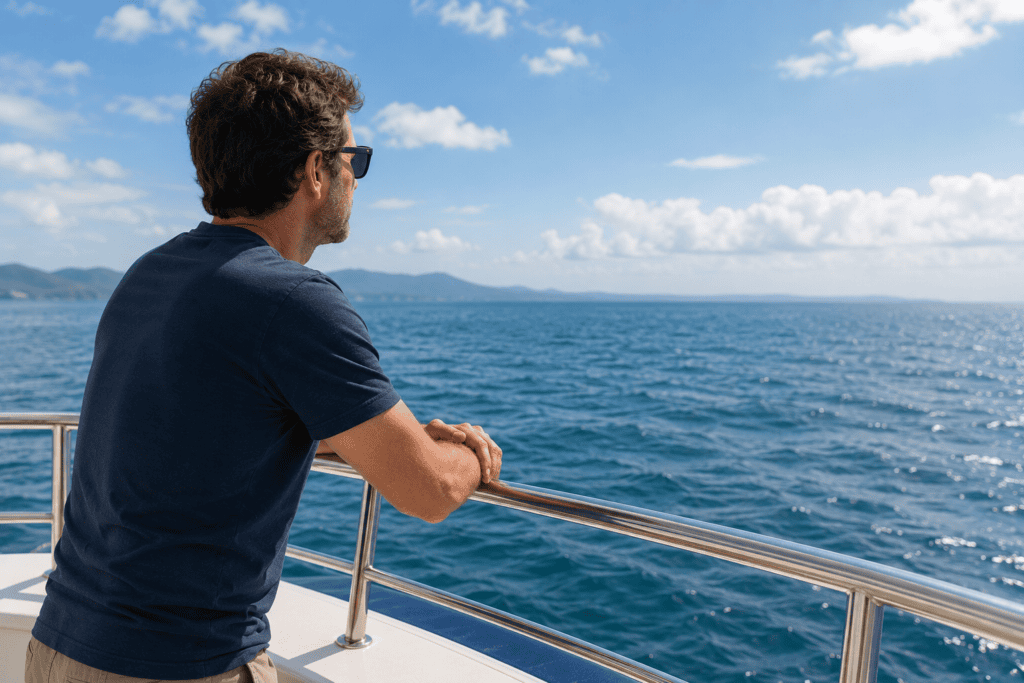
Sea sickness occurs when your inner ear senses motion, but your eyes show conflicting signals. Focusing on the horizon helps lessen this conflict by allowing you to see the movement your body is experiencing.
Stay on deck rather than below deck whenever possible. Look at the distant horizon rather than at close objects on the boat. Avoid reading or looking at screens which intensify the sensory conflict. If you must go below decks, close your eyes to reduce the conflict rather than looking at close objects that move with the boat.
This remedy is simple but genuinely effective. Many patients find that returning to deck and looking at the horizon resolves mild sea sickness before it develops into severe symptoms.
3. Fresh Air on Deck

Fresh air specifically helps sea sickness through several mechanisms. The cool air reduces the flushing and sweating that accompany nausea. The open space reduces the claustrophobic feeling that can worsen symptoms. The breeze on the face activates the vagus nerve and supports parasympathetic activation.
Stay outside on deck as much as possible during the trip. Position yourself where you can feel the wind on your face. Avoid enclosed spaces with recirculated air. Even in poor weather, brief periods on deck often reduce symptoms substantially.
4. Pressure Wristbands
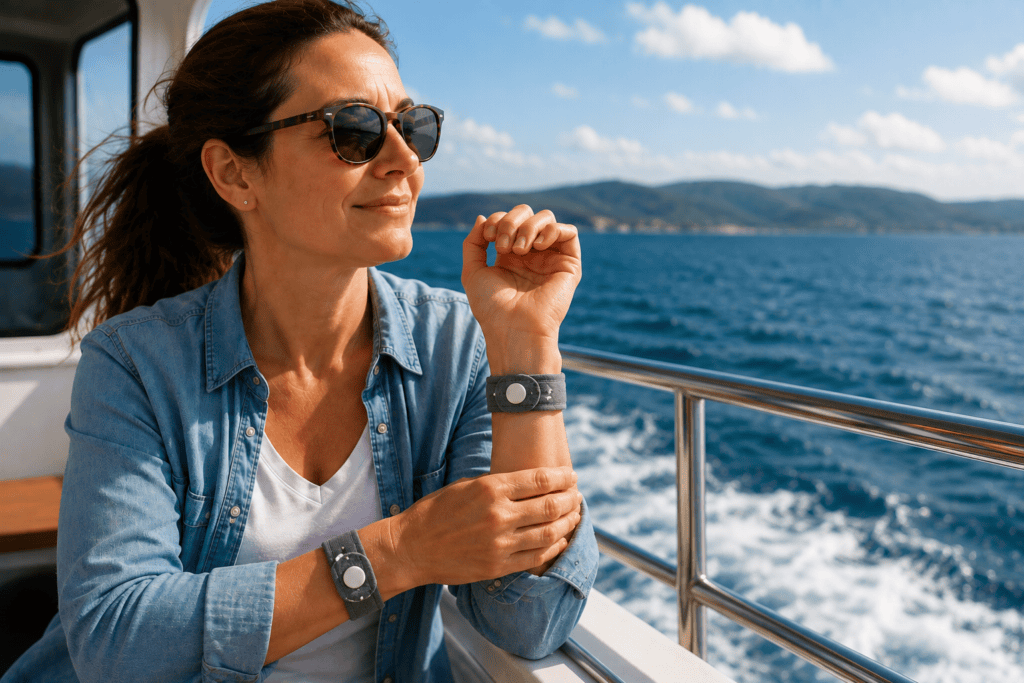
Pressure wristbands work by maintaining continuous pressure on the PC6 acupressure point on the inner forearm. PC6 is the most researched acupressure point for nausea of any kind and has extensive research support specifically for motion sickness.
Sea-Band and similar products are widely available. Put the bands on both wrists before boarding and wear them throughout the trip. The continuous pressure provides ongoing prevention rather than reactive relief once symptoms develop.
For patients who want to apply the pressure manually, How to Use Acupressure for Sea Sickness covers the specific points and techniques including PC6 and other supporting points.
5. Adequate Hydration
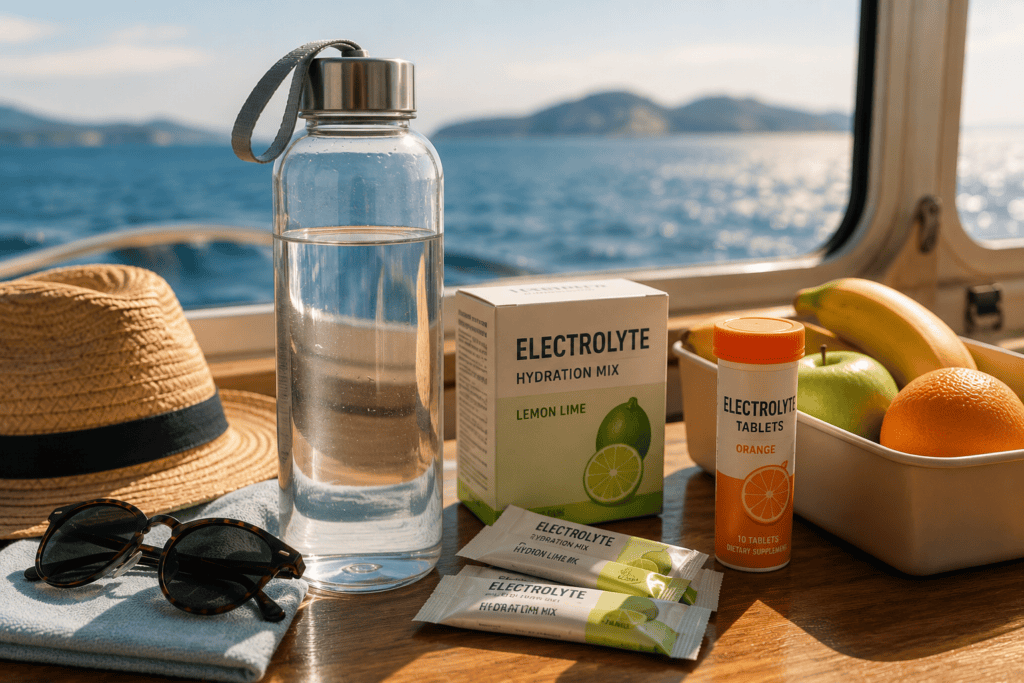
Dehydration worsens sea sickness substantially. Drink water consistently throughout the trip rather than large amounts at once. Small frequent sips work better than large glasses.
Electrolyte drinks can help if you are losing fluid through sweating or vomiting. Avoid caffeinated drinks which can be dehydrating. Avoid alcohol which dehydrates and specifically worsens sea sickness.
Start hydrating well before boarding. Being adequately hydrated when you begin the trip provides a buffer against the fluid loss that sea sickness can produce.
6. Simple Bland Foods
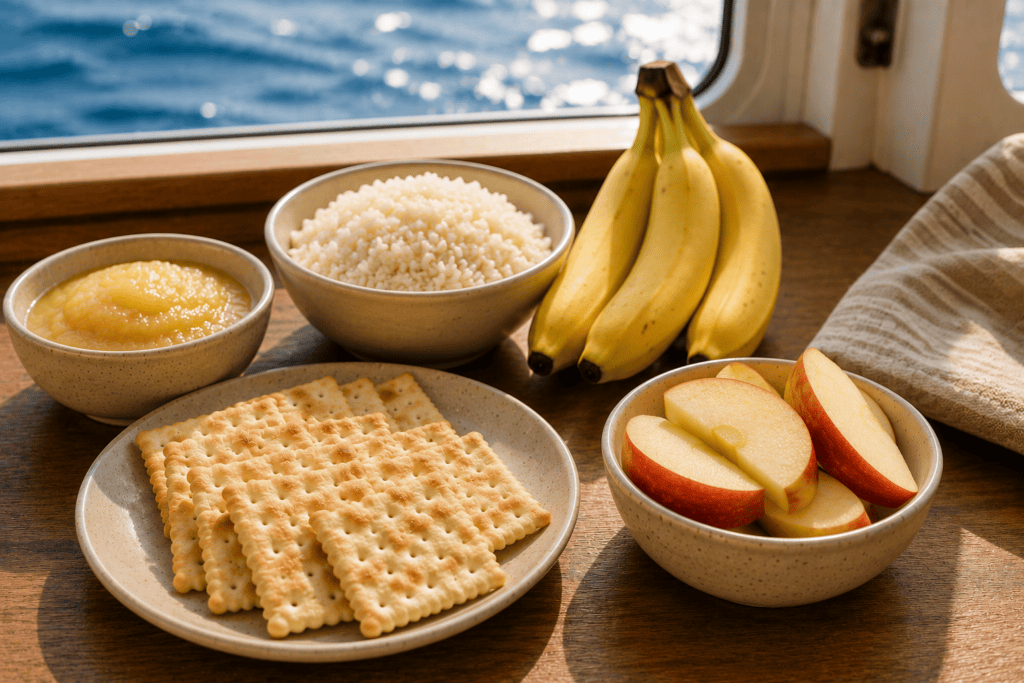
Heavy, greasy, or spicy foods worsen sea sickness. Simple bland foods are easier for the digestive system to handle when the nausea patterns of motion sickness are activated.
Good options include crackers, plain bread, bananas, applesauce, and rice. Avoid greasy foods, spicy foods, dairy in some patients, and anything that has previously caused digestive upset. Eat small amounts frequently rather than large meals.
Do not skip meals entirely. An empty stomach can worsen nausea just as effectively as an overloaded stomach. The balance is small amounts of easy-to-digest foods throughout the trip.
7. Rest and Sleep Positioning
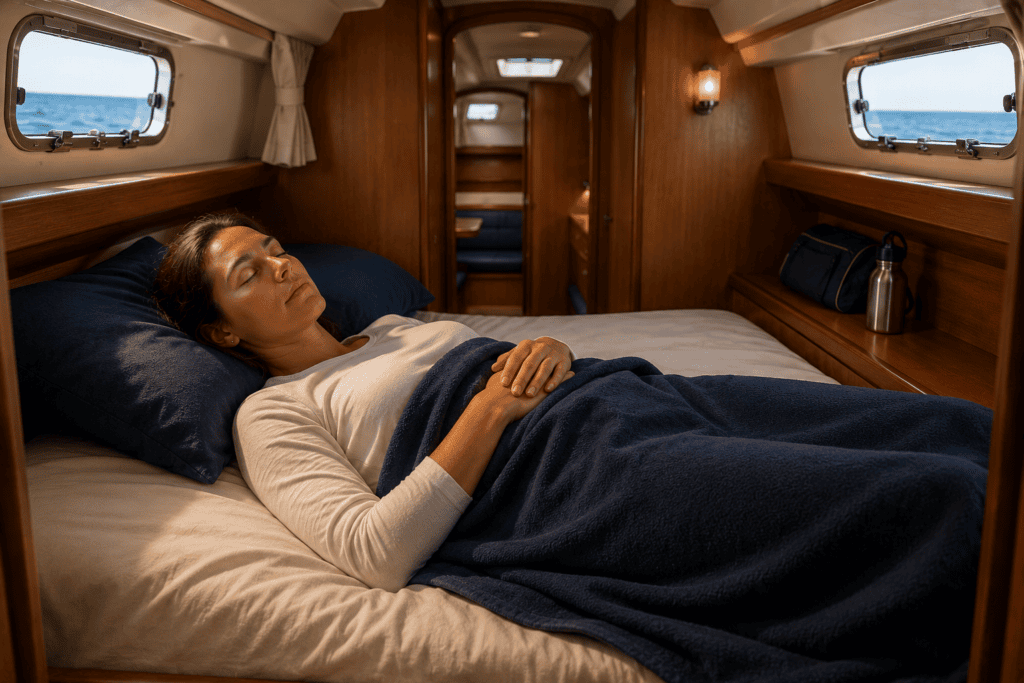
If you can sleep through the trip or portions of it, sleep provides substantial relief. The eyes closed position eliminates the visual-vestibular conflict that drives sea sickness. The horizontal position reduces the effect of motion on the vestibular system.
Position yourself in the middle of the boat where the motion is least intense. If possible, lie down in a cabin near the center of the vessel. Close your eyes even if you cannot fully sleep. Rest with your head supported to minimize head movement.
For overnight trips, sleeping through the night in a well-positioned cabin often means waking with much less sea sickness than fighting the symptoms while awake.
8. Peppermint
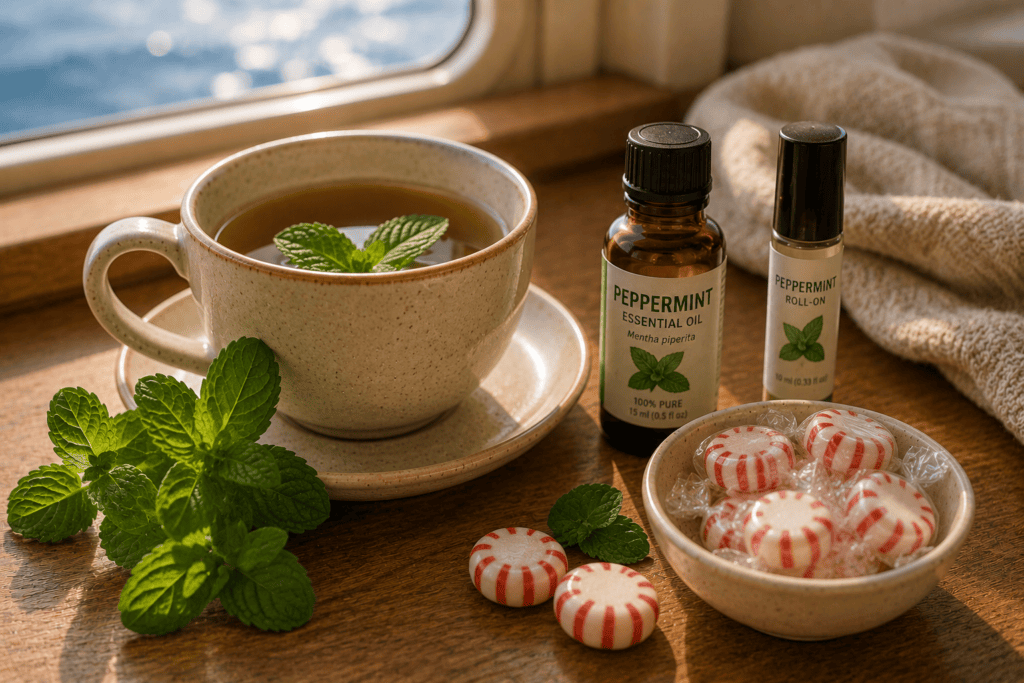
Peppermint has traditional use for nausea and digestive discomfort. Peppermint tea, peppermint essential oil, or peppermint candies can support the nausea patterns of sea sickness.
For peppermint tea, brew and sip throughout the trip. For essential oil, place a drop on a tissue and inhale periodically. For candies, use as needed for immediate support. The menthol in peppermint has documented calming effects on the digestive system.
Peppermint works particularly well combined with ginger. The two can be used together throughout the trip for compounded benefit.
9. Vitamin B6
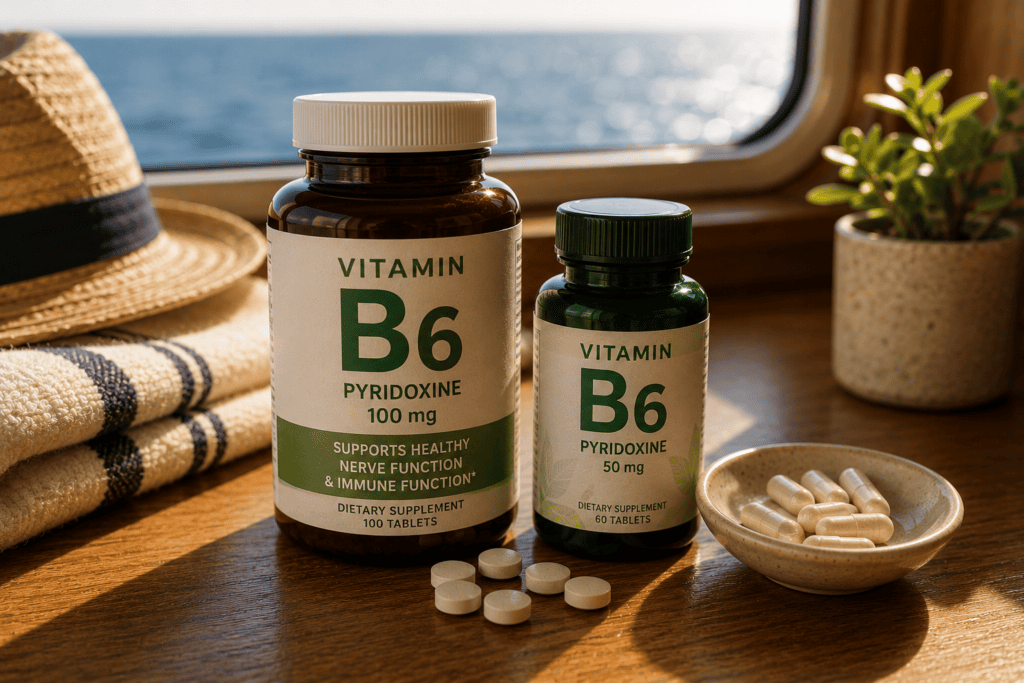
Vitamin B6 has research support for nausea reduction including motion sickness and pregnancy nausea. Some patients find B6 supplementation helpful for sea sickness prevention.
Doses of 25 to 50 mg taken before the trip and during long trips may help reduce nausea intensity. Discuss B6 supplementation with your physician if you are on other medications or have specific medical conditions.
B6 works best as preventive support taken before symptoms develop rather than as reactive treatment once nausea has peaked.
10. Acupressure Practice
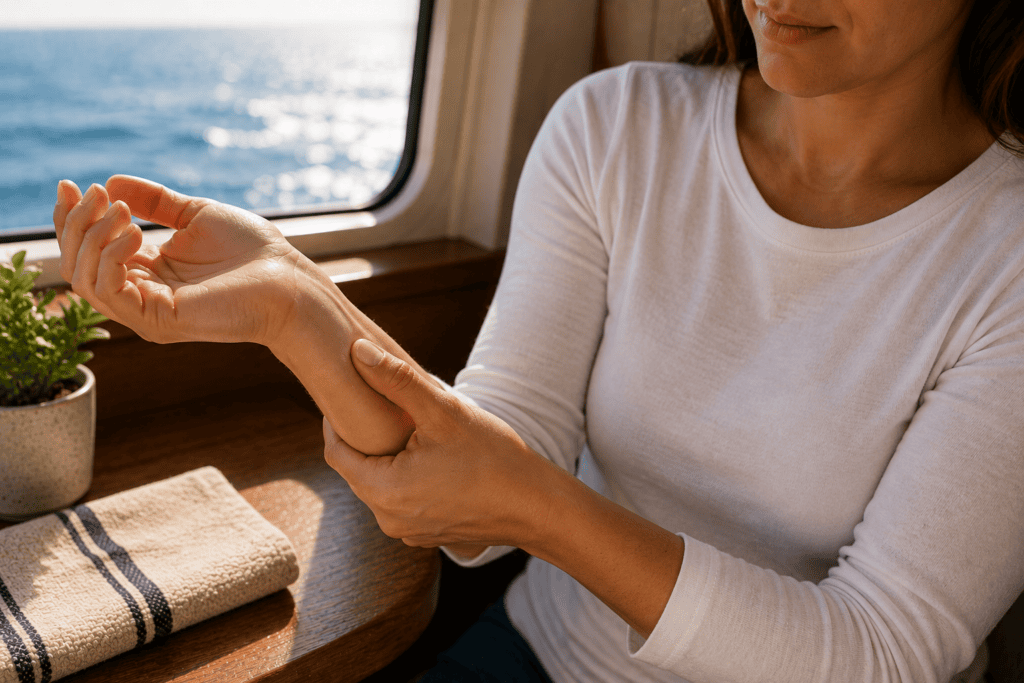
Acupressure has strong research support for motion sickness prevention and management. The PC6 point on the inner forearm is the most researched, but several other points support the sea sickness pattern.
For the full acupressure protocol including PC6, ST36, SP4, LI4, Yintang, GV20, and KI1 with instructions on how to press each point, How to Use Acupressure for Sea Sickness covers the specific points and techniques in more depth.
Acupressure combined with pressure wristbands, ginger, and the other remedies in this piece produces the strongest overall support for preventing and managing sea sickness naturally.
Combining the Remedies for Best Results
No single remedy resolves sea sickness for every patient in every situation. Combining several approaches produces the strongest results.
- For prevention before boarding. Start ginger, vitamin B6, and adequate hydration the day before the trip. Put on pressure wristbands before boarding. Practice the acupressure protocol before leaving for the trip.
- For maintenance during the trip. Stay on deck with eyes on the horizon whenever possible. Continue ginger throughout the trip. Sip water and eat small bland meals. Practice acupressure periodically. Rest and sleep when possible.
- For acute symptoms if they develop. Ginger, peppermint, acupressure at PC6, fresh air on deck, and eyes on the horizon combined produce the fastest response.
- For post-trip recovery. Continue hydration and rest. The “sea legs” feeling that persists after returning to land typically resolves within a few hours to a day.
Preparing for Future Trips
Patients who consistently experience sea sickness benefit from preparing before future trips.
Start by testing different methods on shorter trips to find what works best for you. Buy pressure wristbands, ginger supplements, and other supplies in advance. Consider which remedies are easy to pack for your specific trip. Talk to your doctor about preventive strategies if you’ve experienced severe seasickness before.
For patients with chronic motion sensitivity or vestibular disorders beyond sea sickness, Can Acupuncture Treat Vertigo? discusses professional treatment options for vestibular patterns causing vertigo.
When to Seek Medical Attention
Home remedies support most cases of typical sea sickness. Certain situations warrant medical evaluation and intervention.
Severe persistent vomiting that continues after leaving the boat and returning to stable ground. Signs of severe dehydration from fluid loss. Sea sickness accompanied by fever, severe headache, or other concerning symptoms. Chronic motion sensitivity that affects daily life beyond specific trips. Symptoms suggesting vestibular disorders including ongoing vertigo or balance issues.
For patients who need medications for severe sea sickness on important trips, discuss options with your physician before the trip.
Many patients dealing with anxiety about travel also experience anxiety, stress, and depression that overlap with the anticipatory patterns of travel anxiety.
Above and Beyond Acupuncture offers acupuncture, cupping, and lifestyle coaching at the North Frank Lloyd Wright Boulevard location in Scottsdale.
Schedule an appointment online or call us today to start your healing journey.

About the Publisher
Paul Kerzner, L.Ac., is a licensed acupuncturist and board-certified herbalist, as well as the founder of Above and Beyond Acupuncture in Scottsdale. His own journey from chronic patient to practicing acupuncturist shapes his commitment to providing honest, clinically grounded information about acupuncture and Traditional Chinese Medicine. Learn more about Paul and his clinical approach on the About Us page.