
Key Takeaways
- Acupuncture effectively alleviates chronic pain, nausea, and symptoms related to stress and anxiety.
- It is appropriate for individuals looking for a low-risk therapy in addition to standard medical treatment.
- Signs that acupuncture might be a good fit include chronic pain and stress-related symptoms.
- Before undergoing acupuncture, it is advisable to get a proper diagnosis to confirm if it’s suitable for your condition.
- Select a licensed acupuncturist and set realistic expectations for your treatment process.
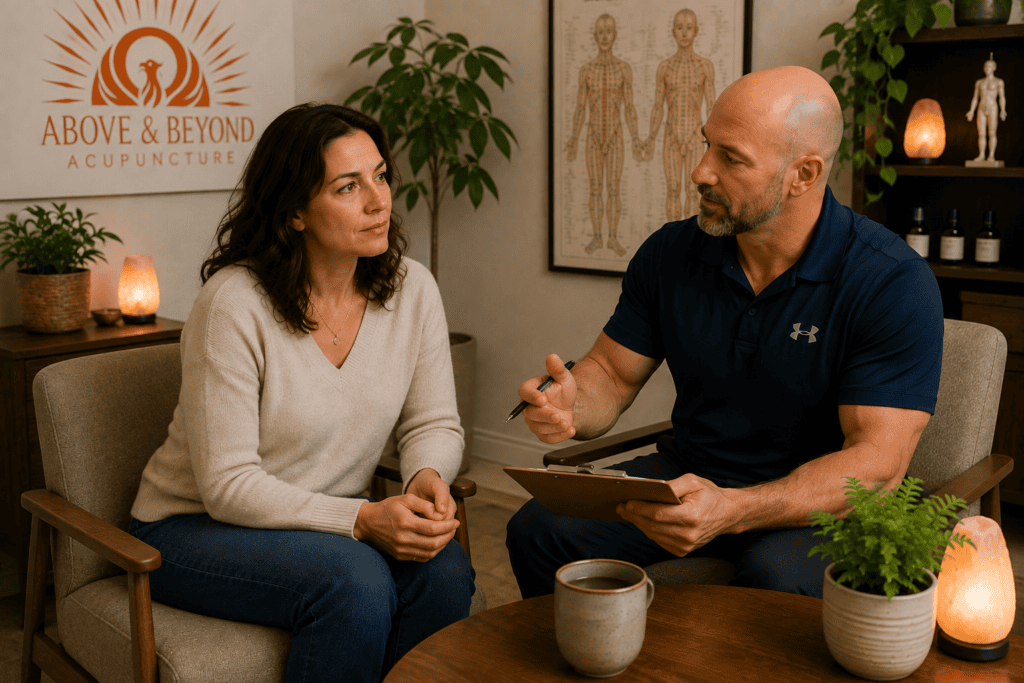
Many people are curious about acupuncture and often ask: Is it right for me?
Ask this question before investing time and money in any treatment. The answer depends on your particular health condition, previous therapies, and your health goals. This article explains what acupuncture treats, signs it might be right for you, what to expect if you try it, and when other options should be considered first. This helps you make a well-informed logical and rational decision.
What is Acupuncture Good For?
The best place to start is by looking at the supporting evidence, since that is where acupuncture is most likely to be effective for you. Its most consistent and strongest track record is in managing pain, especially chronic pain that has not fully responded to other treatments. Conditions like chronic low back pain, neck pain, and knee osteoarthritis pain have strong evidence backing them, and headache disorders are notably supported, with major clinical guidelines recommending acupuncture to prevent migraines and reduce chronic tension headaches. Additionally, fibromyalgia and other persistent pain conditions often show a positive response.
Beyond treating pain, acupuncture is well-known for its ability to alleviate nausea, particularly after surgery and during chemotherapy. It is also commonly used to treat stress, anxiety, and the tension underlying many physical issues because it calms an overactive nervous system and helps with sleep problems linked to that tension. Acupuncture also supports menstrual and other women’s health concerns and has strong evidence backing its use for issues like indigestion. Overall, the evidence shows that acupuncture helps manage symptoms and improve well-being when used alongside conventional medicine.
While it’s not a cure-all and doesn’t work equally for everyone, it is a legitimate, low-risk treatment option suitable for many health conditions.
What are Some Signs Acupuncture Might Be a Good Fit?
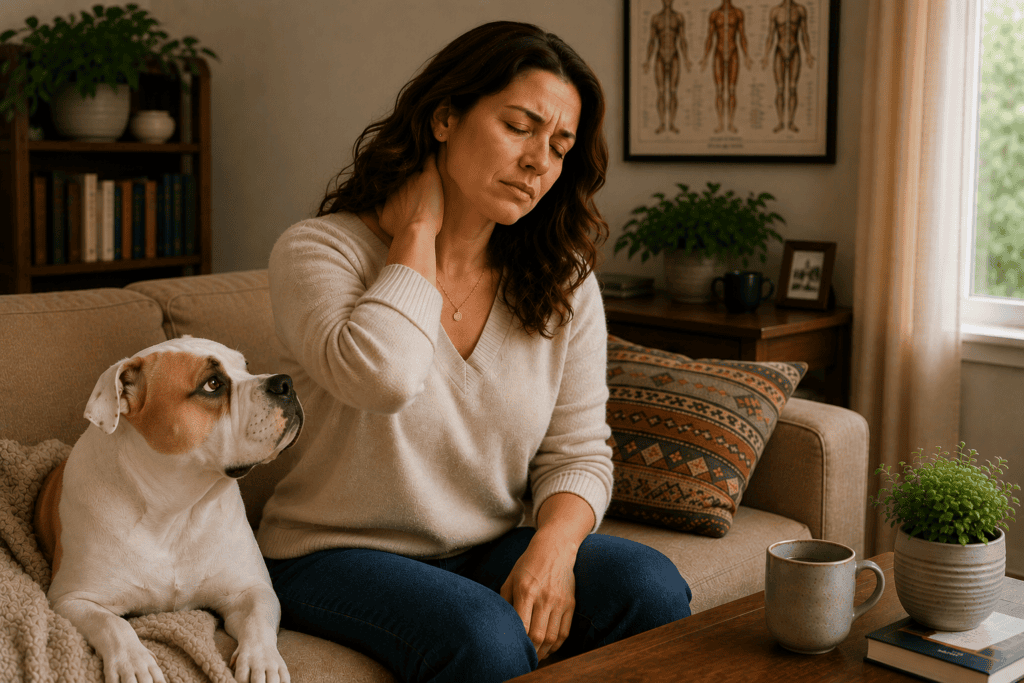
You might find acupuncture helpful if a few of these points resonate with you:
- You have a chronic pain problem, like back, neck, joint, or headache pain, that conventional care has helped only partly.
- You would like to reduce how much you rely on pain medication, or you cannot tolerate the side effects of a medication you are on.
- Your symptoms are clearly tied to stress and tension, or they flare when life does.
- You have a functional problem, meaning real symptoms with no structural cause found, such as functional indigestion, tension headaches, or a stubbornly disordered cycle.
- You want a low-risk therapy to use alongside your regular medical care rather than instead of it.
- You are open to a short course of treatment rather than expecting a single session to fix everything.
If many of these points resonate with you, trying acupuncture could be a good option. If they don’t apply to you, it might just mean that acupuncture isn’t the best fit, and that’s ok.
What to Expect If You Try Acupuncture?
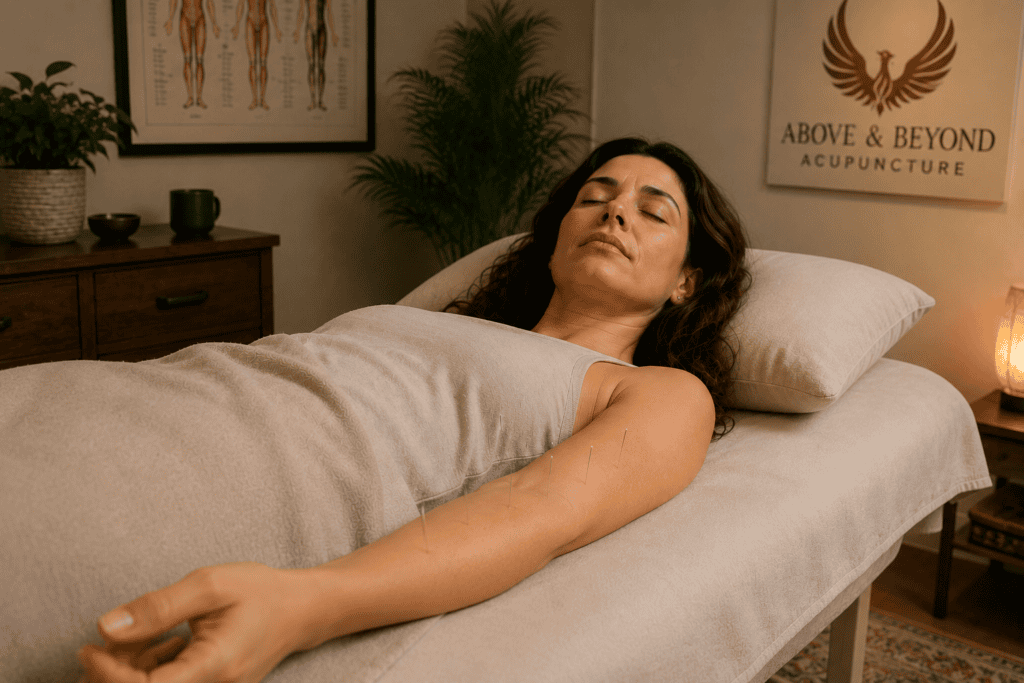
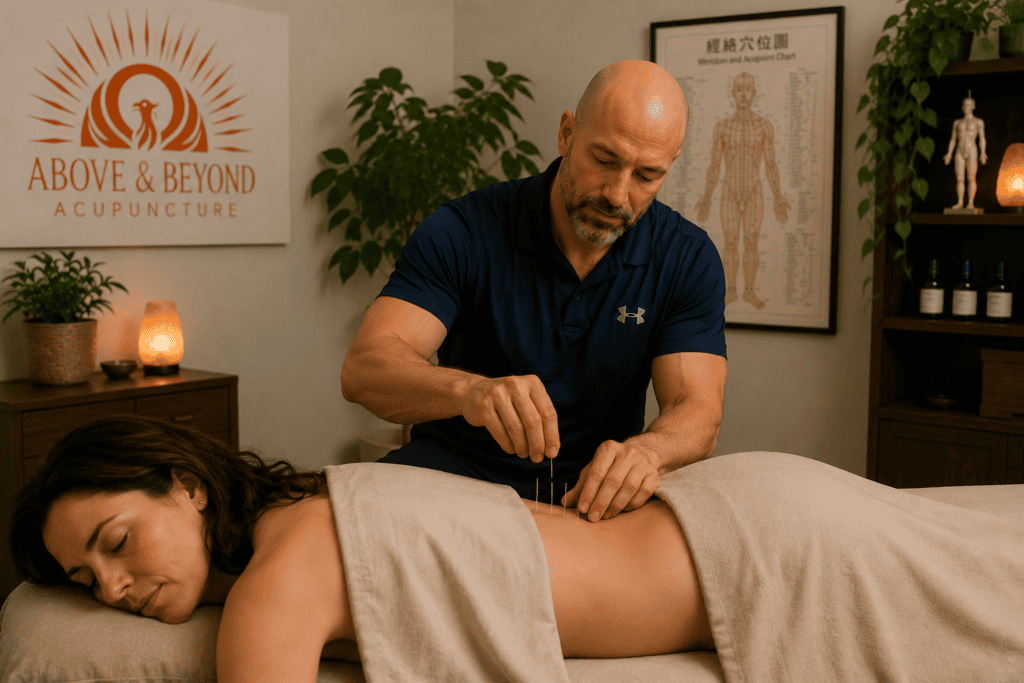
Acupuncture is a treatment that takes place over multiple sessions, not just a one-time treatment. Typically, sessions occur once or twice a week at first, with effects gradually improving over several weeks rather than immediately. A licensed practitioner begins by reviewing your medical history to determine the best treatment for your specific pattern, then inserts very thin needles at specific points on your body. These needles are much finer than those used for injections, and most people feel only a small pinch or dull ache at each point.
Many experience deep relaxation, which encourages them to continue treatment. When a licensed practitioner uses sterile, single-use needles, acupuncture is very safe. Side effects are usually minor, like bruising or soreness. It works best alongside your regular medical care, not as a replacement.
When to Obtain a Diagnosis First

Understanding what you are treating is the most crucial step.
Before trying acupuncture for a symptom, make sure you have an accurate diagnosis, because the underlying cause matters, and some conditions may require treatments beyond acupuncture. It’s important to recognize that acupuncture isn’t suitable for medical emergencies, serious sudden illnesses, or conditions needing medication, surgery, or urgent care, none of which should be delayed.
Severe symptoms like a sudden intense headache, chest pain, unexplained significant weight loss, new or changing lumps, or any worsening or alarming signs should prompt a visit to a doctor, not an acupuncturist. Personal factors such as blood thinners, bleeding disorders, pregnancy, or a pacemaker do not automatically exclude acupuncture, but they require discussion with a licensed practitioner who will review your full history and adjust treatment accordingly.
How to Decide

Deciding to get an acupuncture treatment involves a few simple steps.
First, get a proper diagnosis to understand your condition and rule out any urgent issues. Choose a licensed acupuncturist rather than someone who offers acupuncture as a side service, since training and credentials matter. ‘How Do I Find a Good Acupuncturist Near Me?‘ provides guidance on what to look for. Approach treatment with realistic expectations, allow several sessions before judging, and communicate openly with your practitioner about your situation, previous efforts, and goals. A reputable practitioner will honestly advise whether acupuncture is likely to benefit you or if other options would be more appropriate, which is the outcome you want.
Above and Beyond Acupuncture offers acupuncture, cupping, and lifestyle coaching at the North Frank Lloyd Wright Boulevard location in Scottsdale.
Schedule an appointment online or call us today to start your healing journey.

About the Publisher
Paul Kerzner, L.Ac., is a licensed acupuncturist and board-certified herbalist, as well as the founder of Above and Beyond Acupuncture in Scottsdale. His own journey from chronic patient to practicing acupuncturist shapes his commitment to providing honest, clinically grounded information about acupuncture and Traditional Chinese Medicine. Learn more about Paul and his clinical approach on the About Us page.