Key Takeaways
- Life in the 21st century is fast-paced, leading to exhaustion and a lack of personal fulfillment.
- Slowing down helps individuals be more present, reducing inner conflict and promoting personal growth.
- Lowering anxiety and stress levels becomes easier when one slows down and regains control over their life.
- Many benefits arise from slowing down, including better health, enhanced relationships, and improved productivity.
- This article emphasizes the importance of recognizing the need to slow down and suggests methods to achieve it.
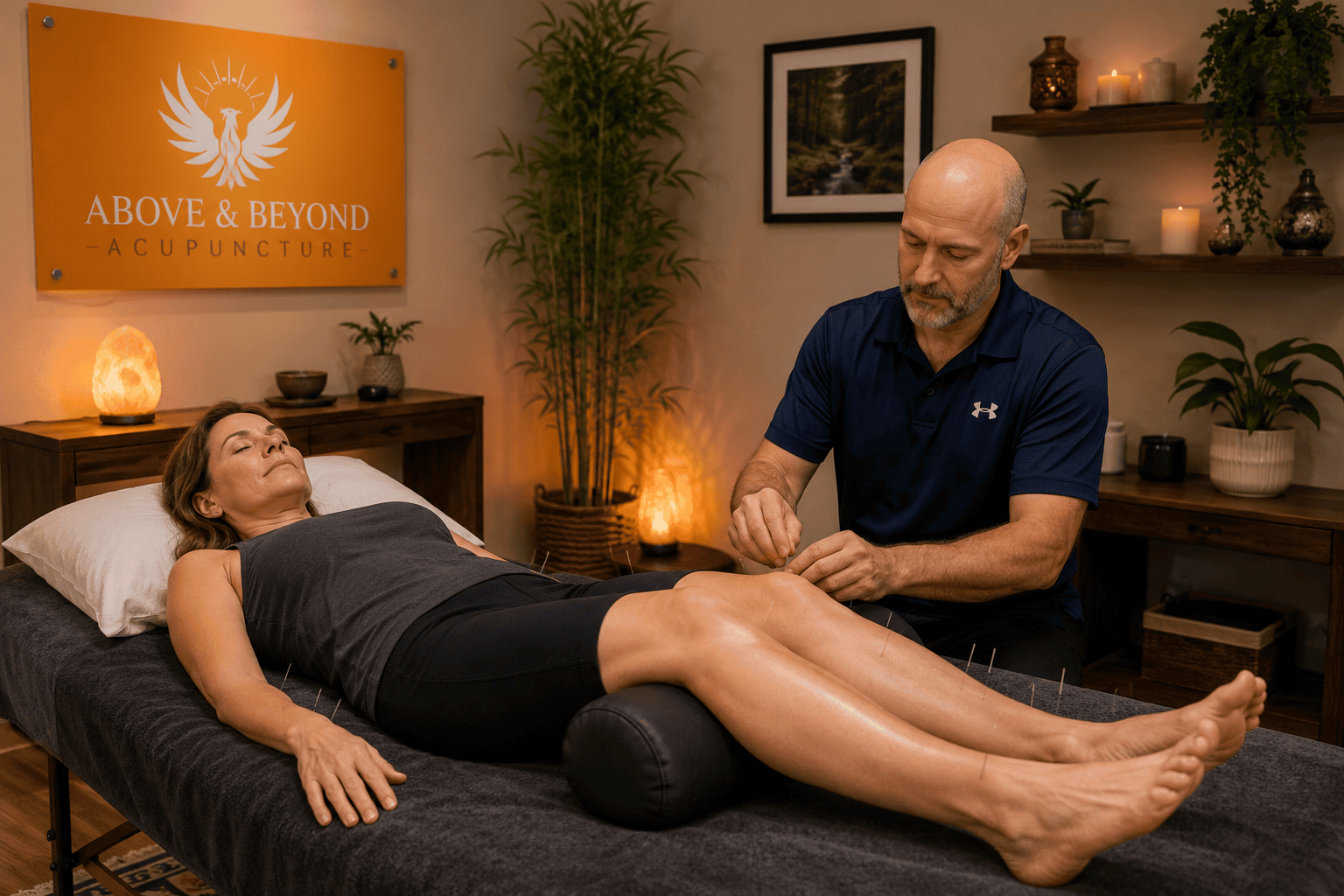
Life in the 21st century is filled with stimulation, schedules, and movement. We are constantly being bombarded with images and sounds from a variety of mediums, including television and the internet. With so much to see, so many things to do and so many places to be, it is no surprise that our lives are constantly in motion. But this constant push is exhausting—leading to long days at the end of which we feel completely exhausted. Leading this type of life can also be quite unfulfilling, as it leaves little time for self-reflection, an activity that is essential for personal growth and development. Maintaining such a demanding schedule also detracts from our ability to “be present,” as there is always the need, or desire, to be somewhere else doing something else. At Above & Beyond Acupuncture we work with many patients who have an incessant need to constantly be doing something—always needing to be stimulated. We want to take some time to talk about the importance of slowing down—and how it can benefit your health and well-being.
Why do I need to slow down?
Before we provide some tools to help you slow down, it’s important to understand some of the benefits. The most important reason you should slow down is because it will help you to be more present. Being present is one of the most important facets of life, and not being present is often a source of inner conflict and turmoil. In a previous blog post titled “The Power Of Being Present,” we explained what it means to be present, and provided some tools to help you become so. This is an extremely important issue. Changing one’s mindset—to focus on the present—can singlehandedly change a person’s reality. It can end suffering and help propel an individual into a new life trajectory. Once you better understand the negative ramifications of thinking about the past and worrying about the future, it will become evident that being present is vital and should be made a top priority. If you’ve not already done so, we urge you to read through that blog post. It has the potential to change your perspective and redirect your attention toward present living.
Another significant reason to slow down is the effect it can have on lowering levels of anxiety and stress. When your life is moving too fast, it can often feel like you’re out of control (or about to lose control.) You can easily be overwhelmed by all the distractions, unable to accomplish your goals. A lot of this stress and anxiety is self-induced. By slowing down, you can begin to see just how much unnecessary emotional turmoil you are inflicting on yourself.
Aside from those two reasons, there are a variety of others including slowing down to lose weight, slowing down to be a better parent, slowing down to enhance intimacy, slowing down for a healthier heart, slowing down to boost your energy, slowing down to get ahead at work, slowing down for better fitness and slowing down to travel safely. All of these reasons are significant and can help you lead a more fulfilled life.
In part 2 of this series we will discuss ways to slow down, providing some methods that can be useful. Slowing down is a process. The first step is to see the value in it. Our goal is to make you more aware of the speed at which you’ve been pushing yourself—and the benefits to be derived by making some adjustments. The time for change is now.