
Key Takeaways
- Holistic approaches to pain management consider the whole person, addressing factors like sleep, stress, and diet.
- Traditional Chinese Medicine focuses on the flow of Qi and Blood, proposing that blockages cause pain.
- The key principles of holistic pain management include addressing the underlying cause and caring for the individual as a whole.
- Effective holistic plans include a clear diagnosis, acupuncture, herbal medicine, daily movement, and stress-relief techniques.
- Seek medical advice if pain persists, worsens, or interferes with daily life. Holistic care should complement, not replace, medical treatment.

Pain can take over your life, affecting how you sleep, move, work, and even how you see yourself. When it lasts for weeks or months, people often move from one appointment or prescription to the next, hoping for relief. Sometimes they find it, but often the pain is only dulled.
That is why many people look into holistic approaches to pain management. Holistic care works alongside modern medicine and treats pain as more than just tissues or nerves. Sleep, stress, diet, movement, emotions, and overall health all play a role. Addressing these factors together can make pain easier to manage and may even improve it.
Traditional Chinese Medicine has used this approach to pain for thousands of years. The idea is simple: when things flow freely, there is no pain; when that flow is blocked, pain arises. Pain research has reached a similar view, showing that sleep and stress both change how strongly pain is felt.
What Does It Mean to Treat Pain Holistically?
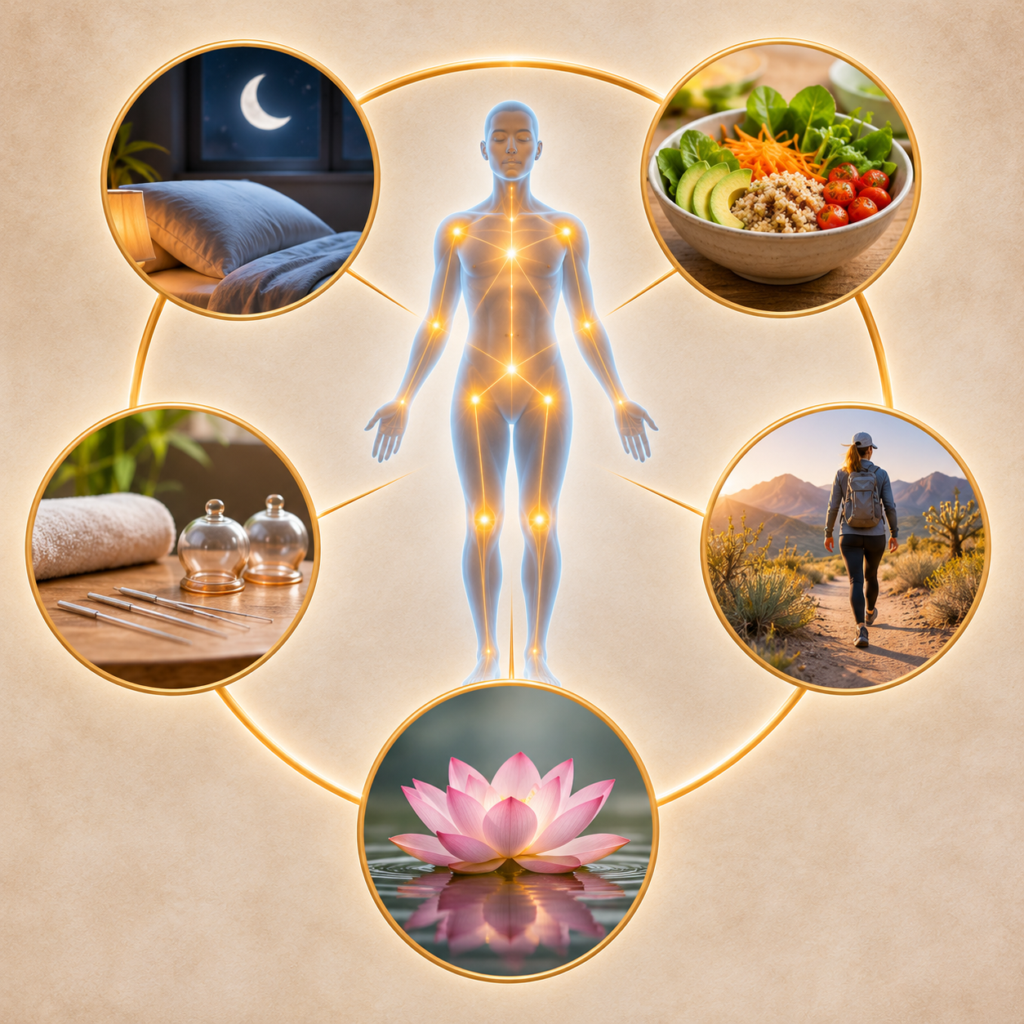
Holistic care looks at the whole person. Along with asking where it hurts, it explores why it hurts, what may be keeping it going, and what else in your life could be making it worse.
Holistic pain management is guided by several core principles:
- Treat the root, not only the symptom. Pain is a signal, and lasting relief comes from addressing what is causing it, whether that is an injury, inflammation, tight muscles, stress, poor sleep, or an underlying imbalance.
- Care for the whole person. The body, mind, and daily habits are connected, and each one influences how much pain you feel.
- Combine approaches. No single treatment works for everyone, and pain often responds best to several therapies used together.
- Take an active role. Holistic care gives you tools to use every day at home, in addition to the treatments you receive in an office.
- Work with your medical team. Holistic care complements medical diagnosis and treatment, and the best results often come when both work together.
Start With an Accurate Diagnosis
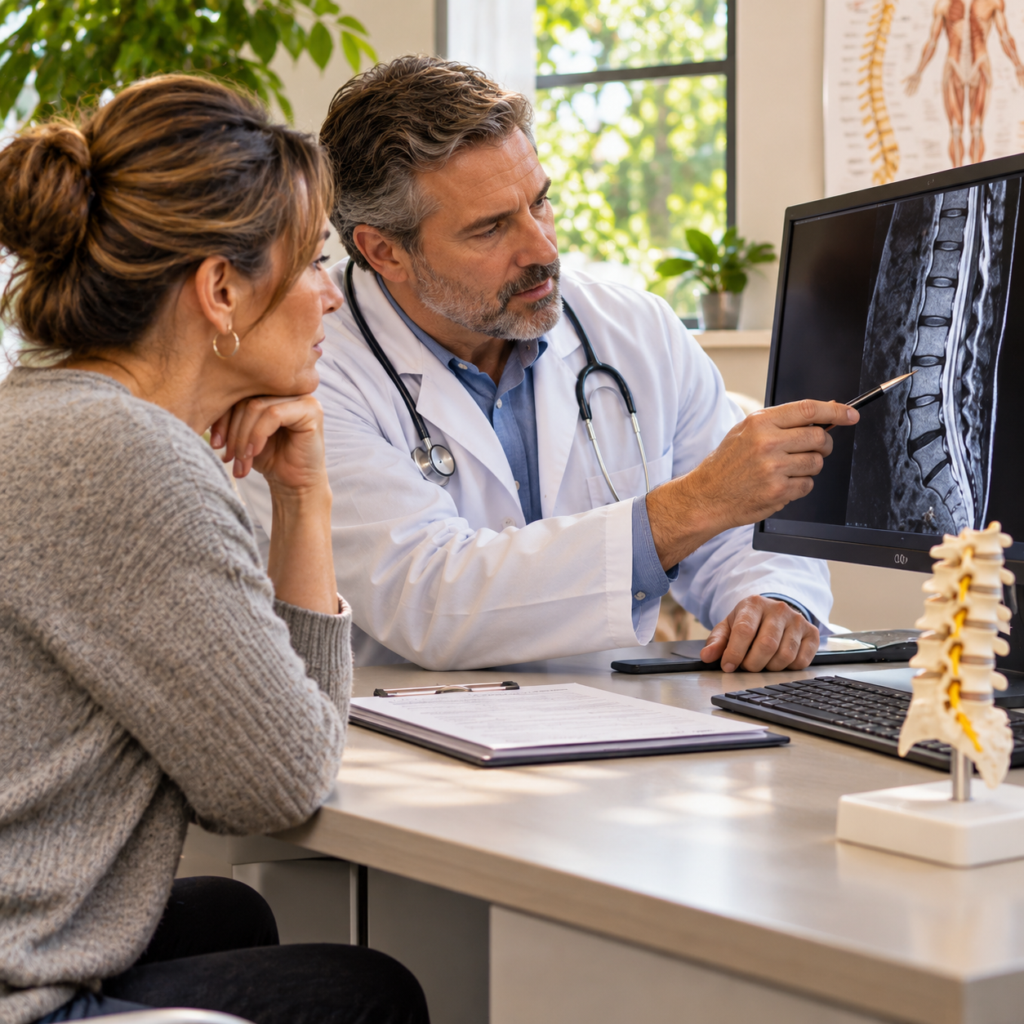
Before trying any approach, it’s important to understand what’s causing your pain. Pain due to a fracture, infection, pinched nerve, or a condition such as an autoimmune disease requires a doctor’s evaluation and may need specialized treatment. A diagnosis can also help you choose the most suitable holistic therapies.
Traditional Chinese Medicine takes diagnosis a step further. An acupuncturist will ask what your pain feels like, when it worsens, what relieves it, and how it relates to your sleep, digestion, mood, and energy. Sharp, fixed pain suggests something different from dull, aching pain that improves with rest. Pain that worsens in cold weather is treated differently from pain that feels hot and swollen. Combining a Western diagnosis with a Traditional Chinese Medicine assessment provides the clearest understanding of your pain and individual situation.
Acupuncture
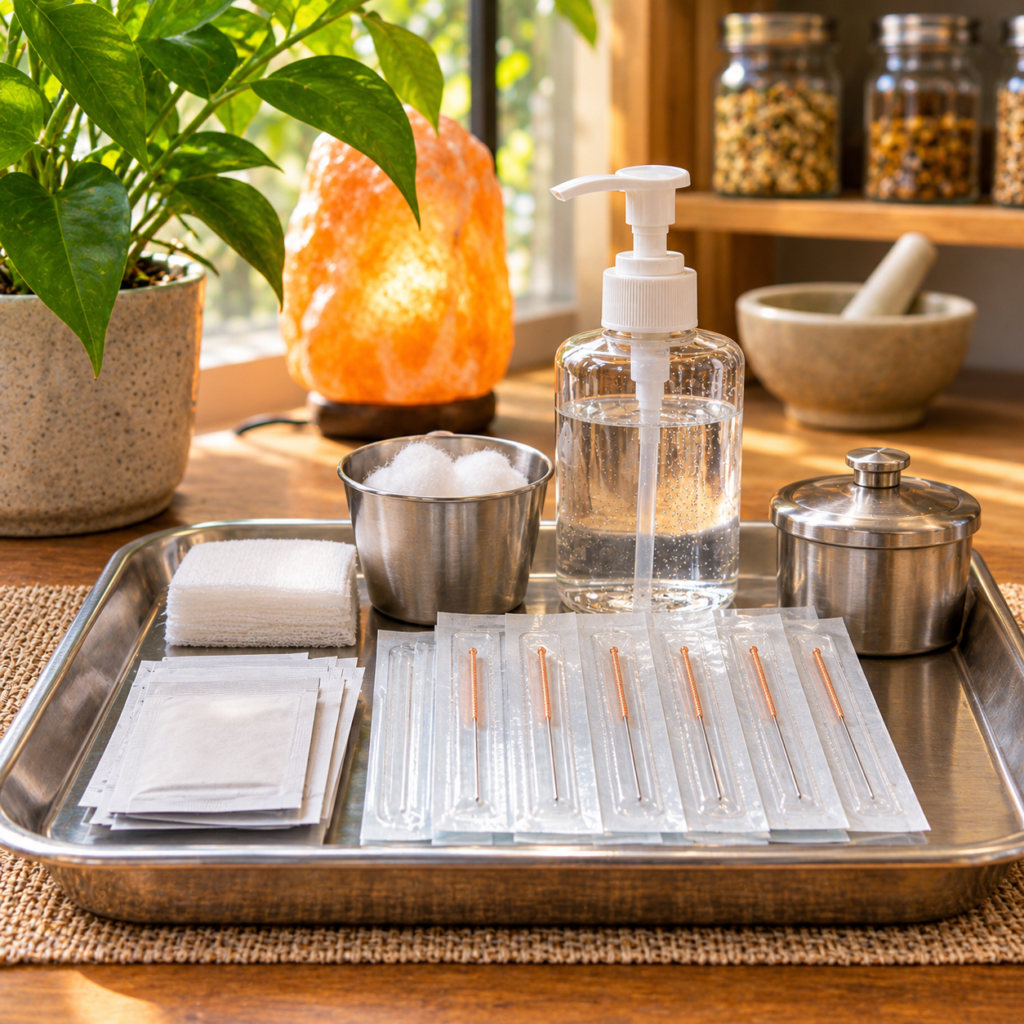
Acupuncture is among the most researched natural treatments for pain. In Traditional Chinese Medicine, thin, sterile needles are placed at specific points to encourage the free flow of Qi and Blood, clear blockages, and support healing tissues. An acupuncturist may use points both near and far from the pain, so a session for low back pain might include points on the back, legs, ankles, and hands.
From a Western perspective, acupuncture affects the nervous system in several ways: it helps the body release endorphins, its natural painkillers; changes how the spinal cord processes pain signals; relaxes tight muscles; increases local blood flow; and reduces stress. These effects help explain why acupuncture is used to treat many types of pain, including back and neck pain, arthritis, headaches, nerve pain, and fibromyalgia.
Acupuncture has also earned a place in mainstream medicine. In its guideline on low back pain, the American College of Physicians recommends that people with acute and chronic low back pain begin with non-drug treatments, and acupuncture is listed among the first options for both. In 2020, the Centers for Medicare and Medicaid Services began covering acupuncture for chronic low back pain, describing it as a potential alternative to opioids.
For long-standing pain, acupuncture works best as a series of treatments rather than a single visit, and it may be combined with electroacupuncture, which adds a gentle electrical current to selected needles. Learn more about how to incorporate acupuncture for pain management.
Cupping and Bodywork
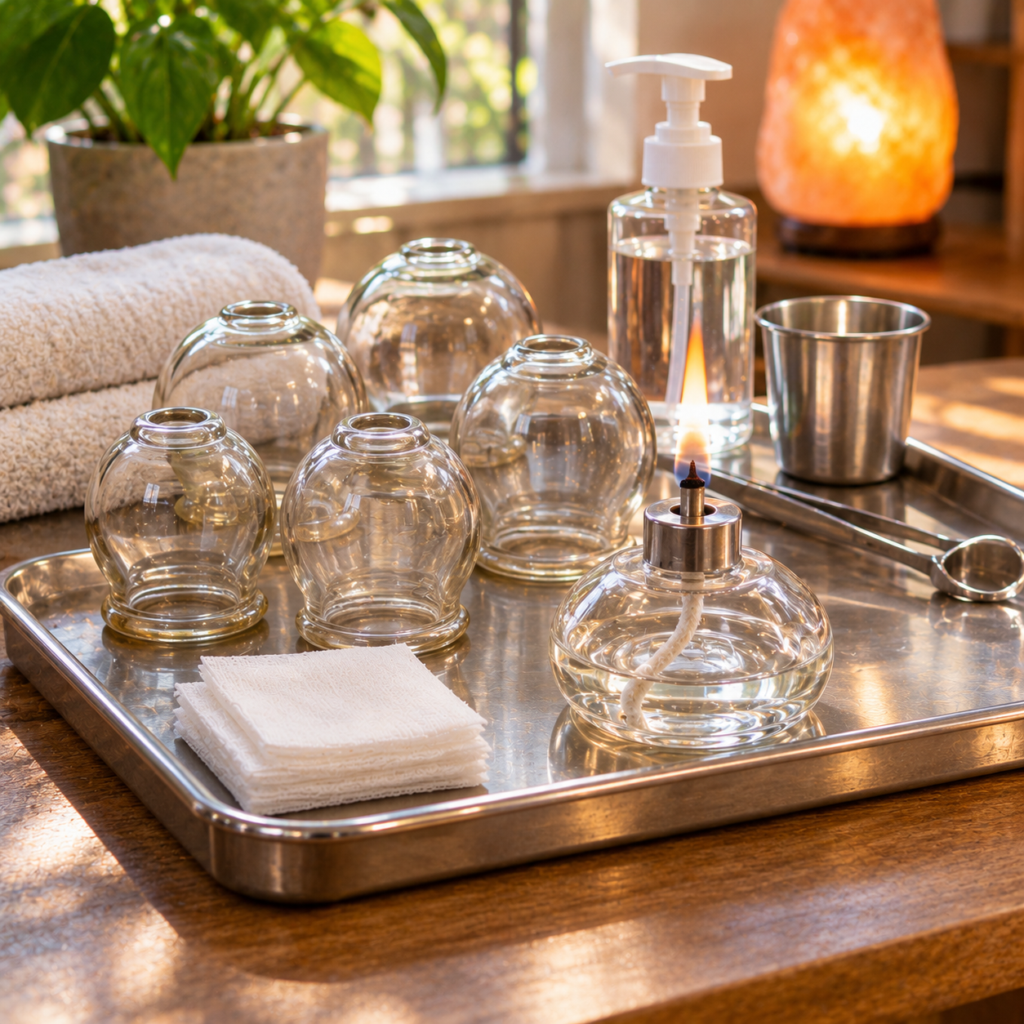
Cupping uses glass or silicone cups to gently suction the skin, lifting the tissue rather than pressing into it. This increases circulation to tight muscles and fascia, eases stagnation, and often provides immediate relief from stiffness in the back, neck, and shoulders. In Traditional Chinese Medicine, cupping helps move stuck Qi and Blood and is especially useful for pain that feels tight or heavy, or gets worse in cold weather.
Learn more about the benefits of cupping therapy.
Other forms of bodywork can help, too. Tuina is a Chinese massage that works on the muscles, joints, and energy channels. Gua sha gently scrapes the skin with a smooth tool to ease tension, while regular massage relaxes muscles and soothes the nervous system. Ongoing hands-on care can help break the cycle of tension and pain many people experience.
Herbal Medicine
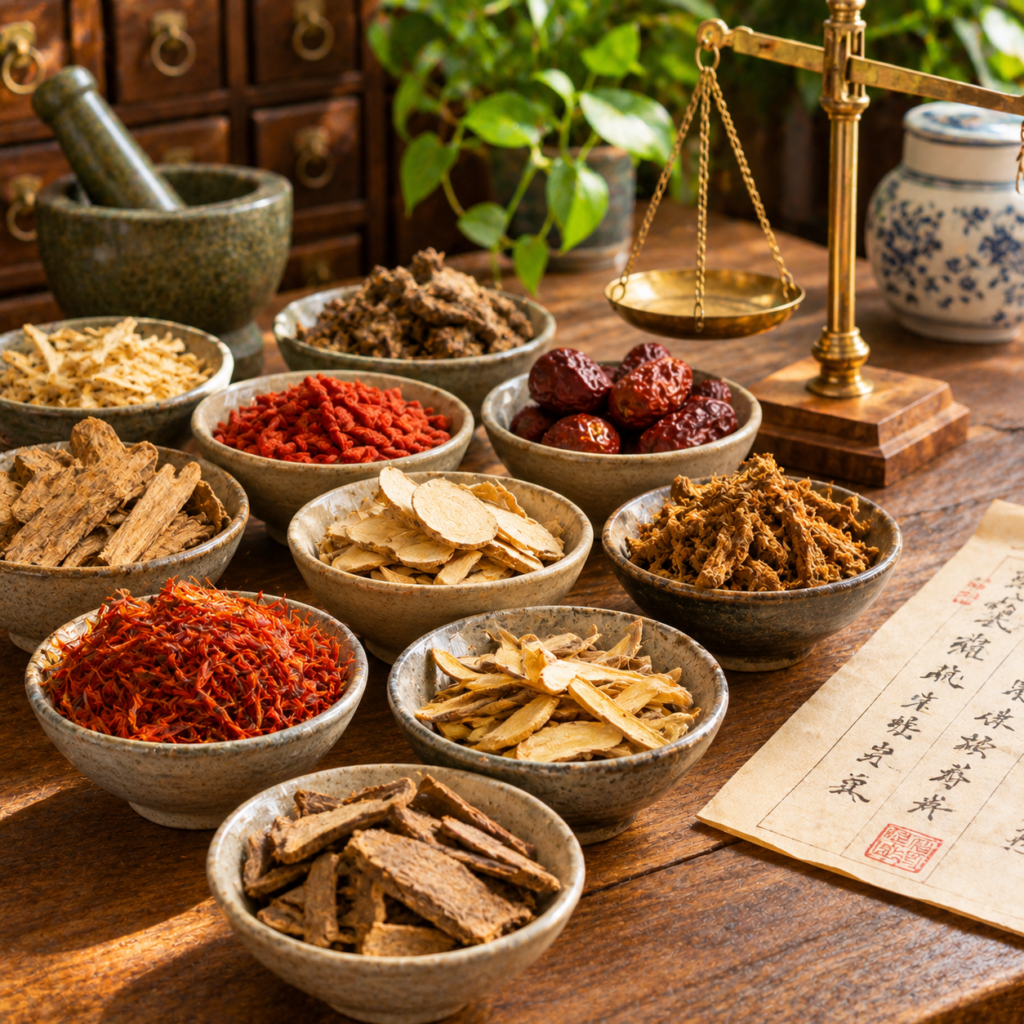
Herbal medicine is a key part of Traditional Chinese Medicine. Rather than prescribing a single herb for pain, a trained herbalist combines several herbs into a formula tailored to the cause of the pain. For pain accompanied by cold and stiffness, the formula warms the body. For hot, swollen joints, it clears heat and reduces swelling. Other formulas help move Blood after an injury, strengthen low Qi and Blood, or calm the mind when pain is linked to stress or poor sleep.
Since herbal formulas are made for each person and herbs can interact with medications, you should always work with a licensed practitioner. Arnica is another natural remedy that many people use for bruises, soreness, and injuries. Learn more about arnica as a natural alternative to NSAIDs.
Acupressure at Home
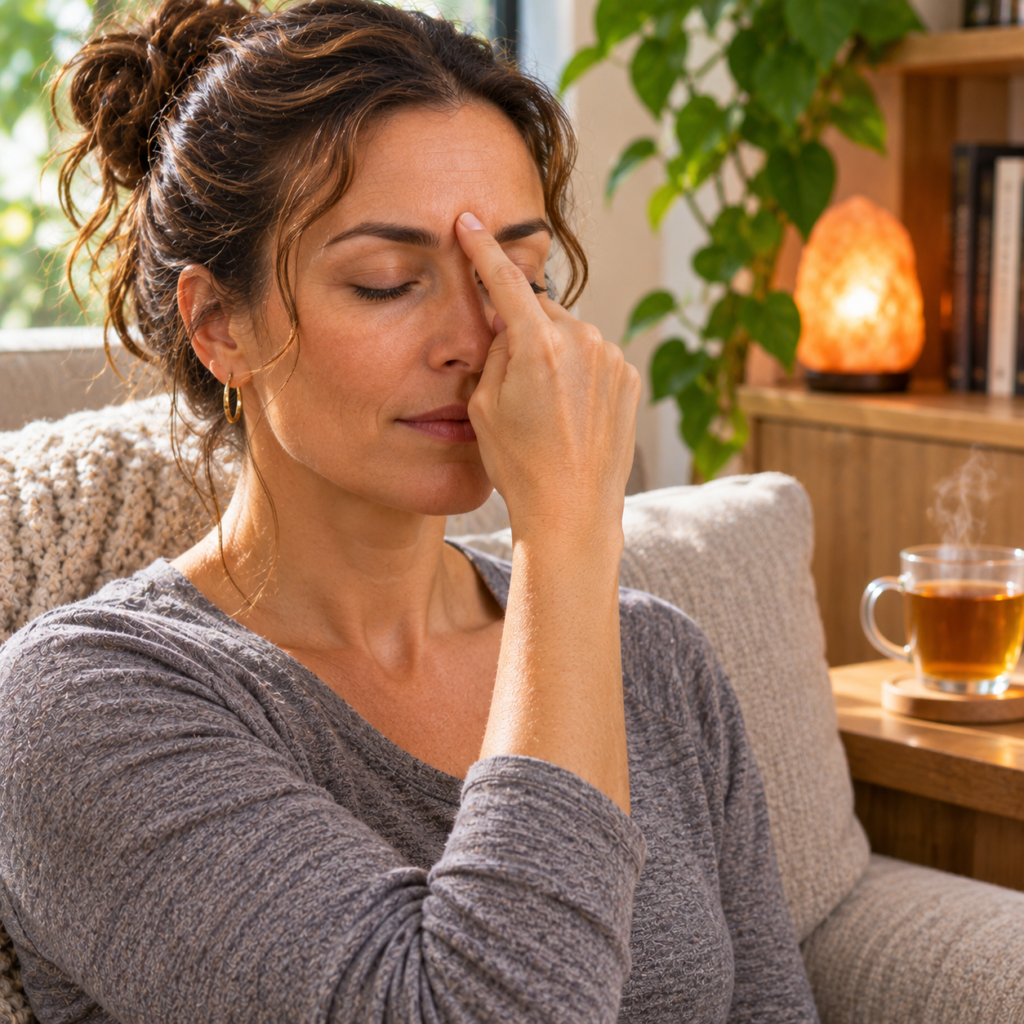
Acupressure uses steady finger pressure on the same points as acupuncture, and it’s one of the easiest ways to help yourself every day. Pressing a few key points for one or two minutes each can ease pain between treatments, relax tight muscles, and calm your nerves. Points like LI4 in the hand and LR3 on the foot are among the most common for body-wide pain, and Yintang between the eyebrows helps calm the stress that can worsen pain. Learn more about acupressure for chronic pain.
Movement
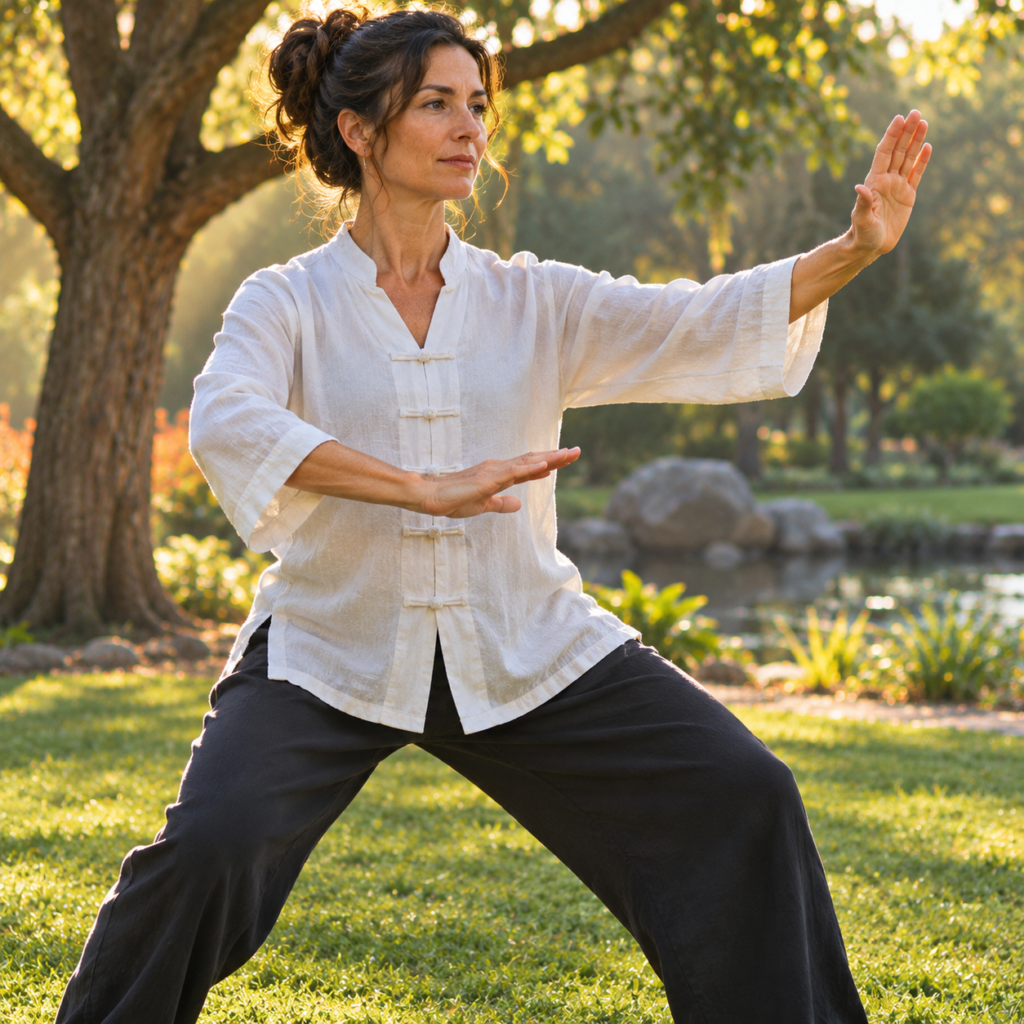
Rest is important after an injury, but too much rest can actually make pain worse. Gentle, regular movement helps keep your joints flexible, your muscles strong, and your blood flowing. It also signals to your nervous system that movement is safe.
Tai chi and qigong suit people living with pain. These slow, gentle practices from China combine movement, breathing, and focus to promote the flow of Qi and Blood without straining your body. The American College of Physicians recommends tai chi for chronic low back pain, along with yoga and exercise. Walking, swimming, and stretching are also good choices. Start slowly, increase activity over time, and choose activities that help you feel better, not worse.
Food and Inflammation
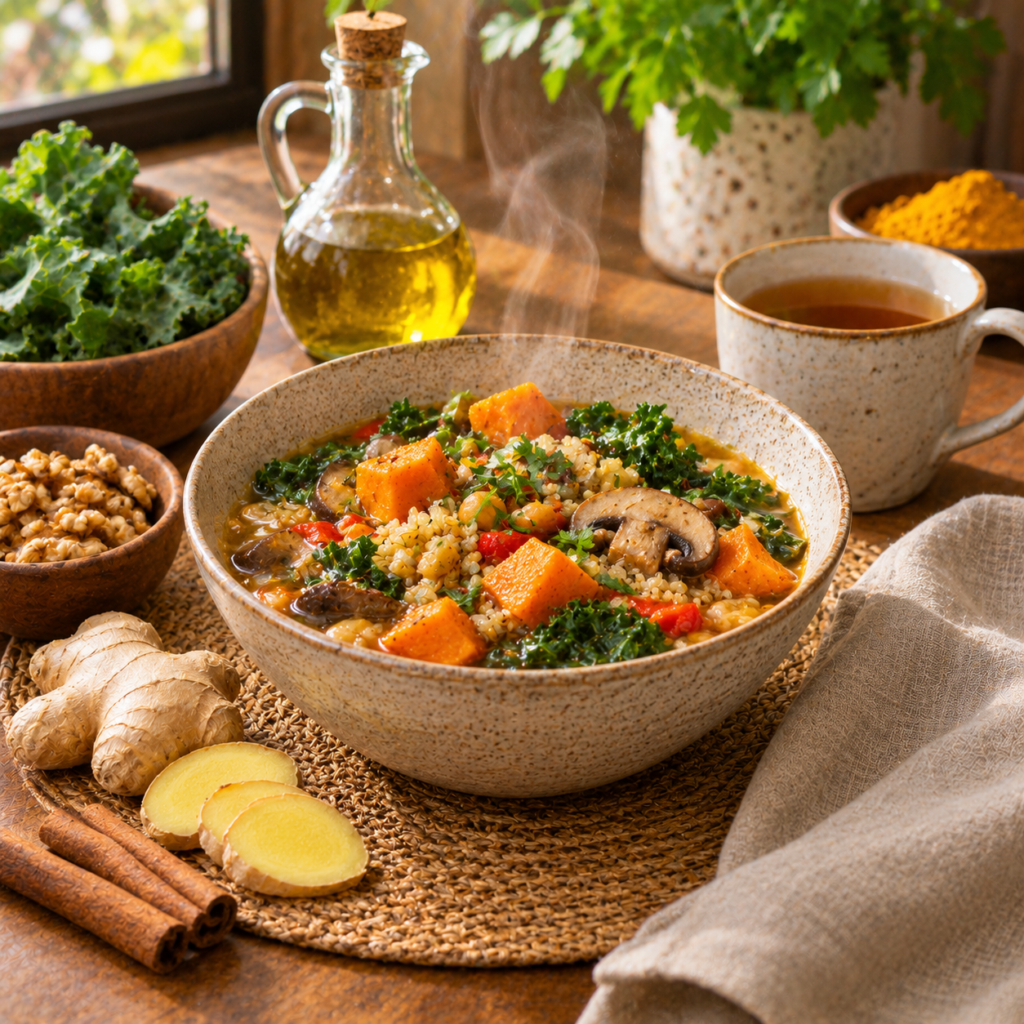
What you eat can either fuel inflammation or help calm it. Ultra-processed foods, refined sugar, excess alcohol, and fried foods are linked to higher levels of inflammation, which can make many kinds of pain worse. Vegetables, fruits, whole grains, beans, nuts, olive oil, and fish provide nutrients that help the body repair and regulate inflammation. Learn more about how ultra-processed food drives inflammation.
Traditional Chinese Medicine also considers the temperature and types of foods you eat. If cold worsens your pain, choose warm, cooked meals and spices such as ginger and cinnamon instead of cold drinks and raw foods, which may slow circulation and digestion. Drink enough water to help keep your muscles, joints, and discs healthy.
Sleep

Sleep and pain are closely connected. Pain can make it difficult to sleep, while poor sleep can increase your sensitivity to pain. Even a single bad night can make pain feel worse the next day. Over time, this cycle can prolong pain, even after your injury has healed.
Taking care of your sleep is one of the best ways to manage pain. Try to go to bed and wake up at the same time every day, avoid screens and caffeine in the evening, keep your bedroom cool and dark, and spend time in natural light during the day to help your body’s clock stay on track. Learn more about how to restore your circadian rhythm.
Stress, Emotions, and the Nervous System
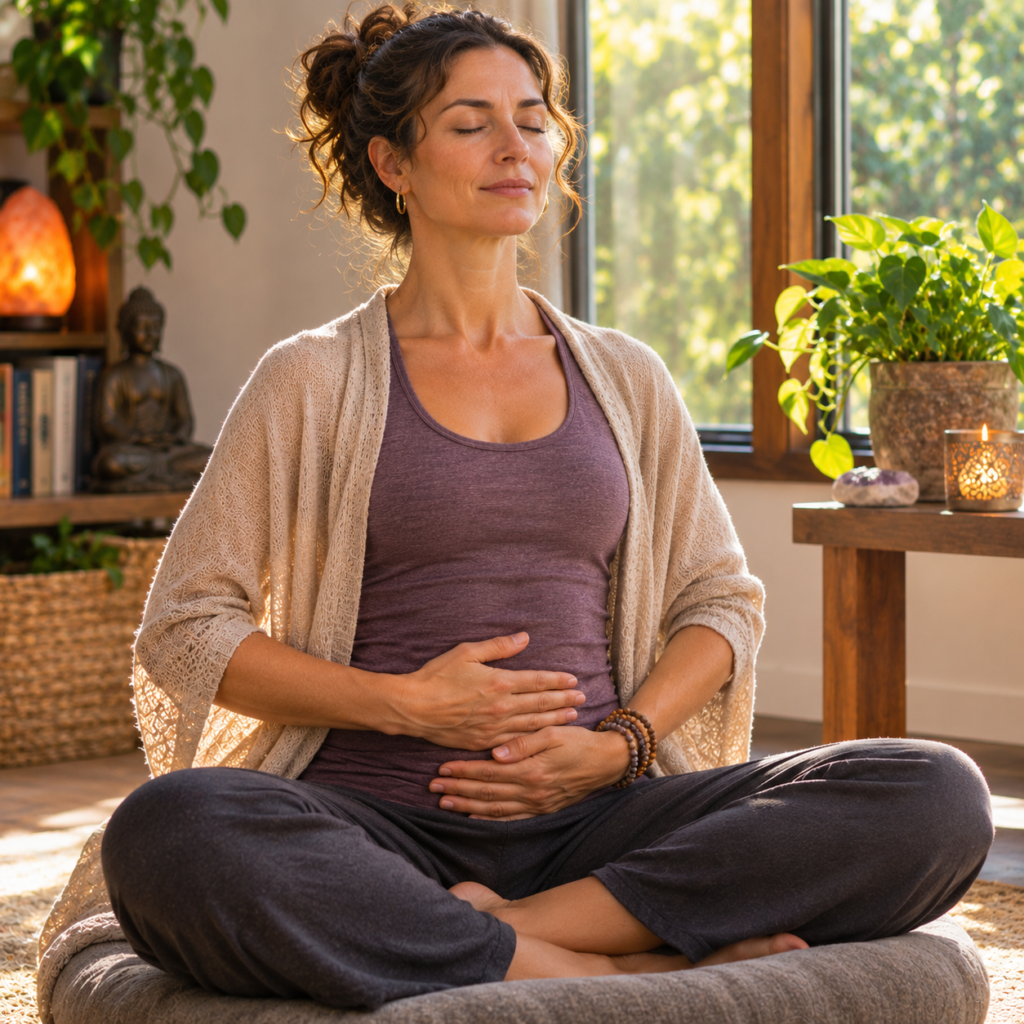
Stress can tighten your muscles, increase inflammation, and keep your nervous system on high alert, all of which can worsen pain. In Traditional Chinese Medicine, stress and frustration are said to block Liver Qi, causing tension and pain, while worry, grief, and fear each influence the flow of Qi in different ways.
Calming the nervous system belongs in every pain plan. Slow breathing, with an exhale longer than the inhale, signals safety to the body within minutes. Meditation, time in nature, journaling, and meaningful connection with others all lower stress and help the brain turn down pain signals. Many people also benefit from working with a counselor, especially when pain has affected mood, relationships, or work. Learn more about the vagus nerve and the stress response.
Heat, Cold, and Simple Home Care
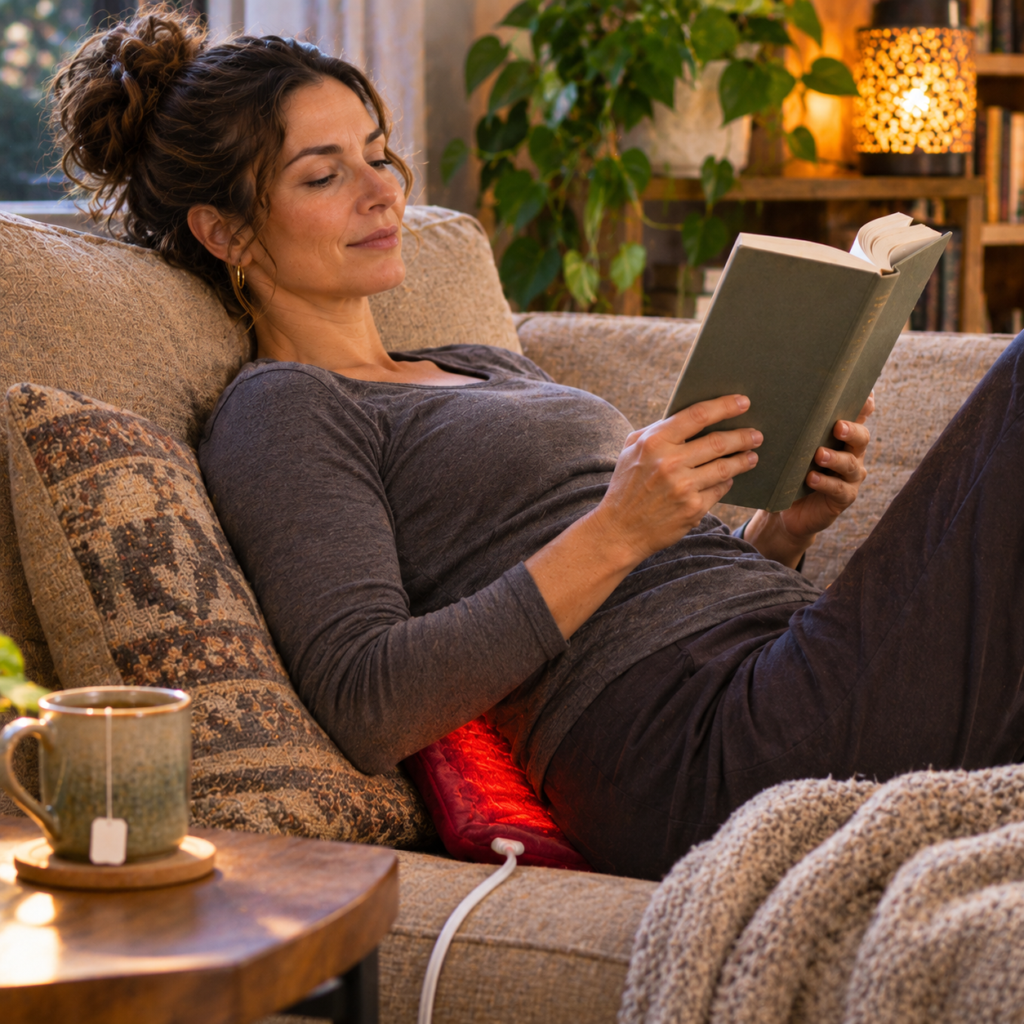
Ice is appropriate right at the onset of an acute injury, during the first day or two, to keep swelling and inflammation down. After that, switch to heat. Traditional Chinese Medicine favors warmth once the initial swelling settles because it relaxes muscles and keeps Qi and Blood moving, while prolonged cold can leave the area stiff and slow healing. A heating pad, a warm bath with Epsom salts, or a warm compress over a stiff area are easy ways to ease pain at home.
Learn more about why Traditional Chinese Medicine does not like ice.
Building Your Holistic Pain Plan

Effective holistic plans combine professional care and self-care. A practical plan includes:
- A clear diagnosis from your doctor and an assessment from a licensed acupuncturist.
- A course of acupuncture, often with cupping, herbal medicine, or bodywork, depending on your pattern.
- A short daily acupressure routine between treatments.
- Gentle daily movement, such as walking, tai chi, or qigong.
- An anti-inflammatory way of eating, with warm, cooked meals when pain is worse with cold.
- Consistent, protected sleep.
- A daily practice for calming the nervous system.
Keep a simple pain journal, recording your pain level, sleep, activity, food, and stress each day. After a few weeks, you may notice patterns and learn which changes help most. Be patient with yourself: pain that has built up over months or years usually improves gradually, and healing often has ups and downs.
When to See a Doctor

See your doctor if your pain lasts more than a few weeks, keeps returning, worsens over time, or interferes with sleep, work, or daily activities. If you take prescription medications, talk with your doctor before trying any herbs or supplements. Seek medical care right away if pain occurs with a fever, unexplained weight loss, a history of cancer, spreading redness or swelling, or new numbness, tingling, or weakness. Get emergency care for sudden, severe pain; chest pain or pressure that spreads to your arm, jaw, or back; a sudden, severe headache; severe belly pain; pain after a serious fall or accident; or a new loss of bladder or bowel control.
Holistic care can support you in managing pain, but it works alongside, not instead of, diagnosis and medical care.
For related reading, explore four natural ways to overcome pain, learn whether you are stuck in a pain cycle, and read why acupuncture is better than pain medication.
Above and Beyond Acupuncture offers acupuncture, cupping, and lifestyle coaching at the North Frank Lloyd Wright Boulevard location in Scottsdale.
Schedule an appointment online to start your healing journey.

About the Publisher
Paul Kerzner, L.Ac., is a licensed acupuncturist and board-certified herbalist, as well as the founder of Above and Beyond Acupuncture in Scottsdale. His own journey from chronic patient to practicing acupuncturist shapes his commitment to providing honest, clinically grounded information about acupuncture and Traditional Chinese Medicine. Learn more about Paul and his clinical approach on the About Us page.