Key Takeaways
- The lymphatic system is a network of vessels and nodes that returns excess fluid to the bloodstream and helps the immune system filter out waste.
- Gentle lymphatic drainage is most helpful when the lymphatic system has been compromised by surgery, illness, or injury, and for healthy people, its main benefit is relaxation and a temporary reduction in puffiness.
- In Traditional Chinese Medicine, fluid pooling in the tissues suggests that the Spleen, Lung, or Kidney is not effectively moving and transforming fluids, allowing Dampness to remain.
- Nine acupressure points on the collarbone, abdomen, arms, and legs help move fluids, reduce Dampness, and support the organs that keep fluids flowing.
- Sudden swelling, warmth, and redness in one leg; swelling accompanied by shortness of breath; or red, hot skin with a fever require prompt medical attention.
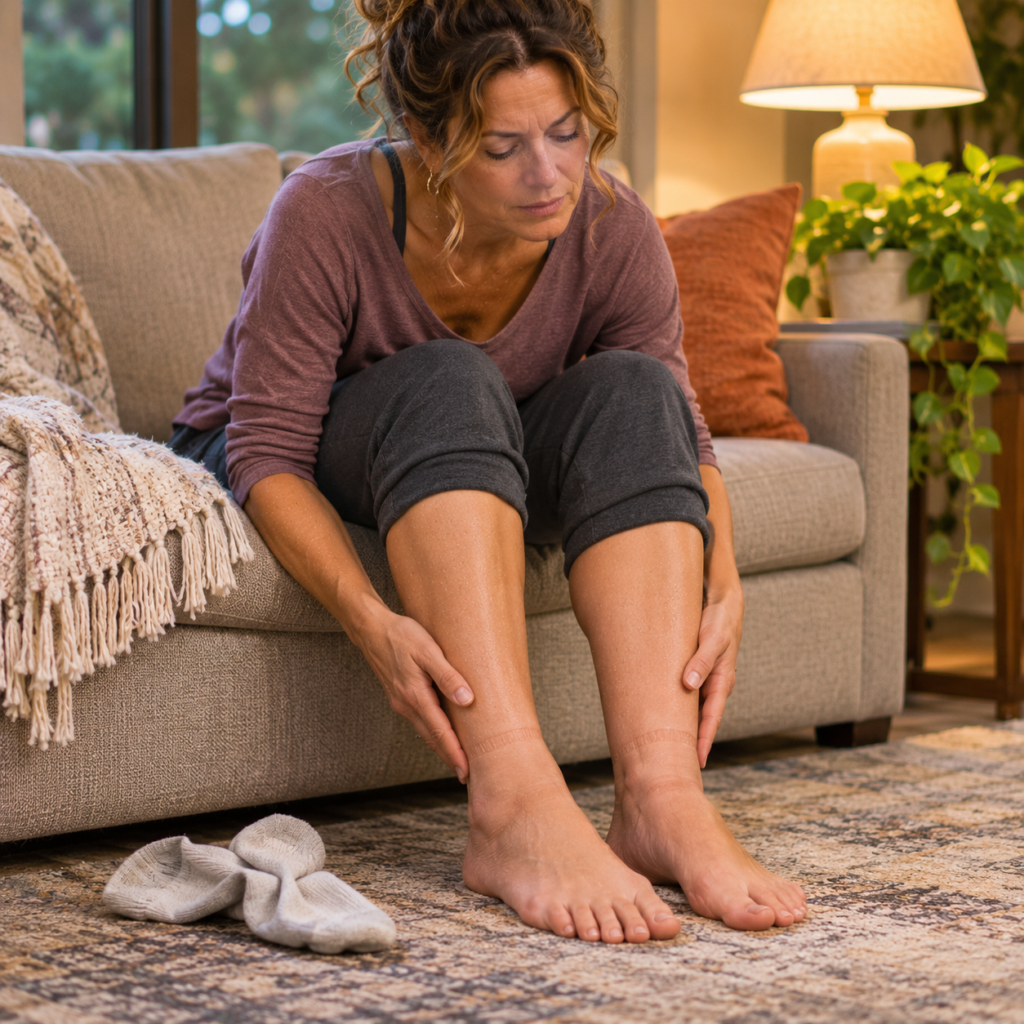
Social media is full of lymphatic drainage techniques, from light strokes along the jaw to “depuff” the face and dry brushing before a shower to tapping above the collarbones and spa sessions promising a flatter belly and glowing skin. People often try these methods after waking with puffy eyes, noticing sock lines on swollen ankles, or feeling heavy and sluggish after salty food or a long flight.
According to Cedars-Sinai, the lymphatic system is a network of vessels and organs beneath the skin that supports the immune system and filters waste. Manual lymphatic drainage is a gentle massage that uses light pressure to move lymph fluid toward functioning vessels and nodes, beginning with the main drainage areas in the neck, armpits, and groin. It can be especially helpful for people whose lymphatic systems have been affected by surgery, illness, or injury, including those with lymphedema after lymph node removal. For people with healthy lymphatic systems, the benefits are likely limited to relaxation, and there is no evidence that it promotes weight loss. Cedars-Sinai notes that lymphatic drainage techniques are not recommended for people with heart conditions, kidney problems, or cellulitis, a skin infection.
Unlike blood, which the heart pumps, lymph depends on muscle movement and breathing to keep moving. Long periods of sitting, shallow breathing, salty foods, heat, and air travel can slow its flow. This is why puffiness often appears in the face overnight and around the ankles by evening.
Traditional Chinese Medicine explains fluid movement through three organs. The Lung disperses fluids through the upper body and sends them downward, the Spleen transforms and moves fluids through the middle, and the Kidney manages water that collects below. The Triple Energizer links these organs like a system of waterways. When irregular meals, too much cold or sweet food, stress, or overwork weaken the Spleen, fluids are not transformed properly and settle as Dampness, leaving the body feeling puffy, heavy, and slow. A weak Lung can cause swelling in the face and hands, especially after a cold, while a weak Kidney allows fluid to build up in the lower legs and ankles.
The nine points below begin at the collarbone and abdomen, continue to the forearm, and end on the legs.
What Acupressure Points to Press and Why
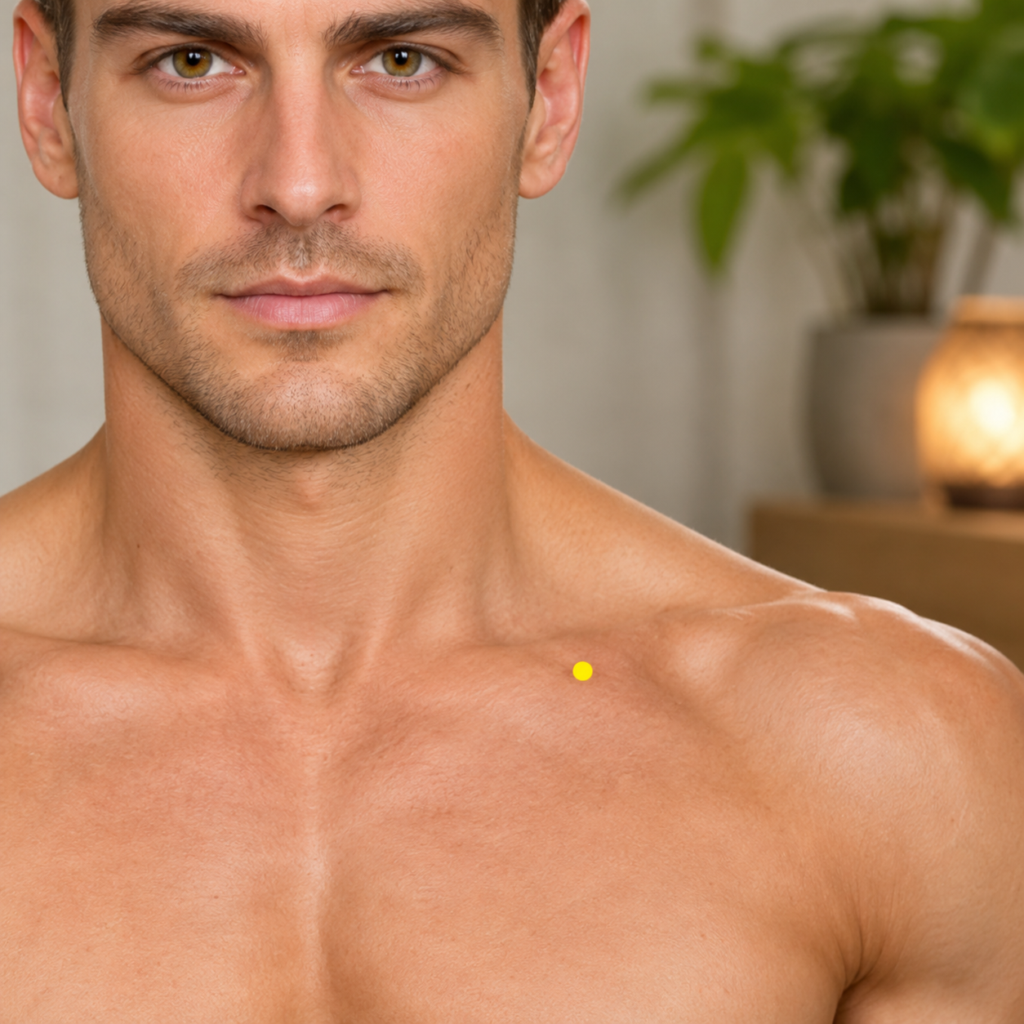
1. Tap ST12 above the collarbone to open the main drainage area. ST12 sits in the hollow just above the middle of each collarbone, in line with the nipple. Tap lightly with two or three fingertips, or rest the fingertips in the hollow and press very gently, for 30 seconds to one minute on each side. ST12 is called “Quepen,” the “Empty Basin.”
ST12 is located in the hollow above the collarbone, where many lymphatic drainage routines begin because lymph returns to the bloodstream near the base of the neck. In Traditional Chinese Medicine, it is a meeting point for several channels traveling between the chest and head, and it supports the flow of Qi and fluids through the upper body.
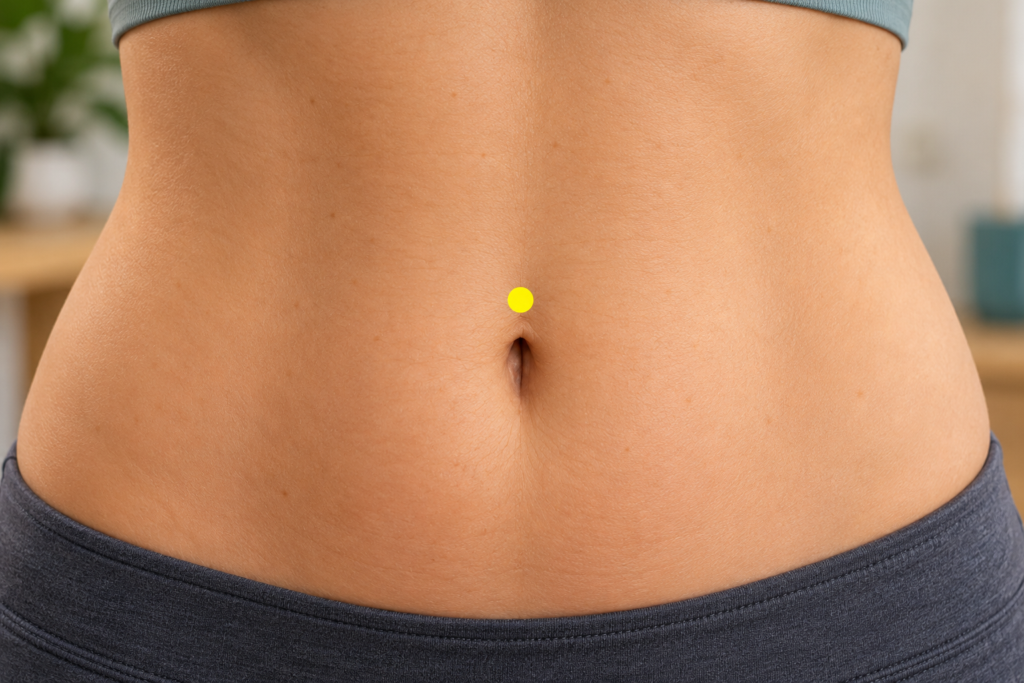
2. Press on CV9 above the navel to separate and move fluids. CV9 sits on the midline of the abdomen, one thumb-width above the navel. Rest two or three fingertips on the point and press gently, or make slow circles, for one to two minutes while breathing slowly into the belly. CV9 is called “Shuifen,” the “Water Separation.” CV9 is avoided during pregnancy.
CV9 is a classic point in Traditional Chinese Medicine for fluid that has accumulated in the body. Its name reflects its traditional role in separating clear fluids from turbid ones, and it is used for puffiness, swelling, and a bloated, heavy feeling in the belly.
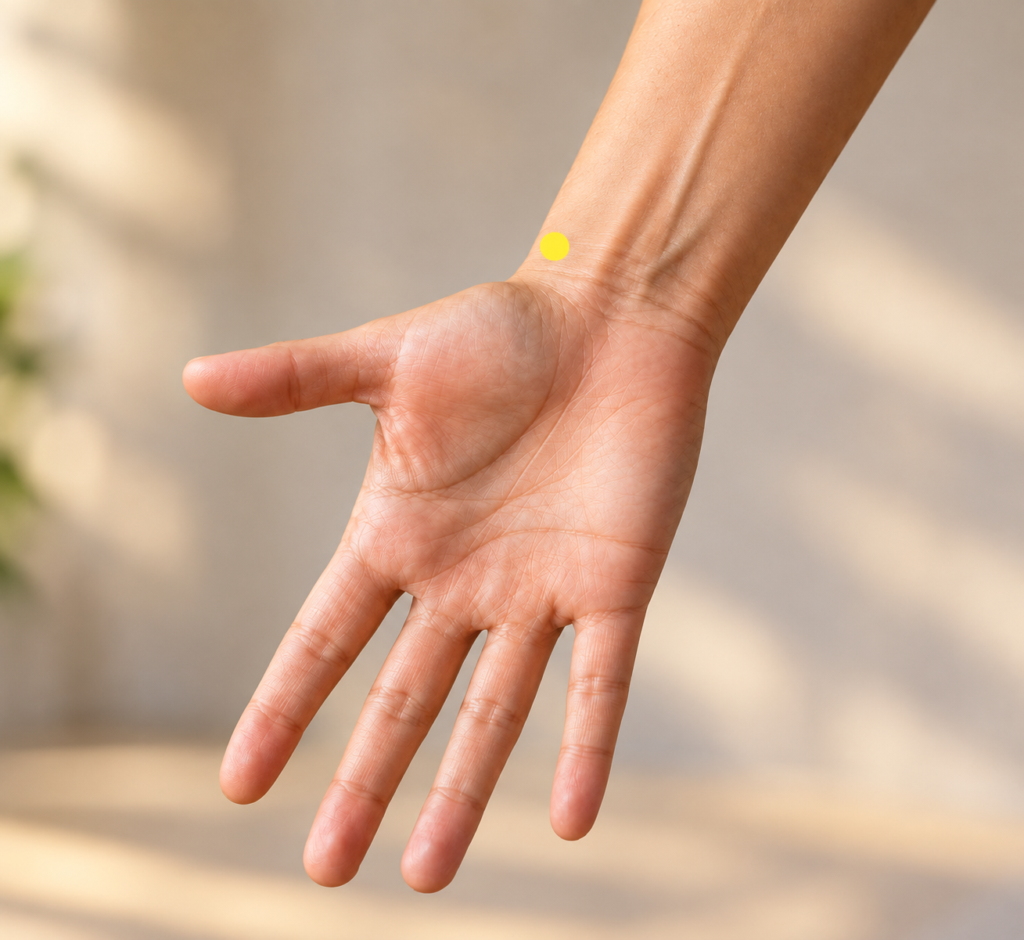
3. Press on LU7 above the wrist to help the Lung move fluids. LU7 sits on the thumb side of the forearm, about two finger-widths above the wrist crease, in the small groove just above the bony bump at the wrist. Press with the tip of your index finger for one to two minutes on each arm. LU7 is called “Lieque,” the “Broken Sequence.”
LU7 is the Lung’s connecting point. In Traditional Chinese Medicine, the Lung opens the water passages and moves fluids downward, so LU7 may help with puffiness in the face, eyes, and hands, particularly in the morning or after a cold.
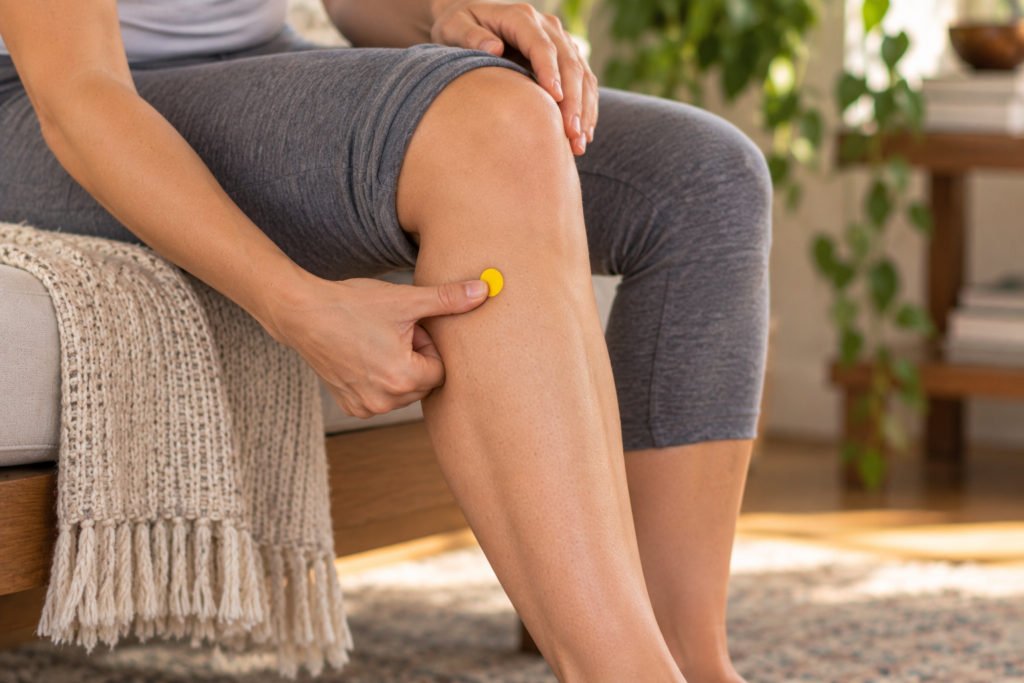
4. Press on ST36 below the knee to strengthen the Spleen and Stomach. ST36 sits on the front of the lower leg, four finger-widths below the bottom of the kneecap and one finger-width toward the outside of the shinbone. Press firmly with your thumb for one to two minutes on each leg. ST36 is called “Zusanli,” the “Leg Three Miles.”
ST36 is the Stomach’s sea point. It builds Qi and strengthens the Spleen and Stomach, helping them transform fluids. It also eases the tired, heavy, sluggish feeling associated with Dampness.
5. Press on SP9 below the inner knee to drain Dampness. SP9 sits on the inner side of the lower leg, in the hollow just below the knee where the shinbone curves upward. Press firmly with your thumb for one to two minutes on each leg. SP9 is called “Yinlingquan,” the “Yin Mound Spring.”
SP9 is the Spleen’s sea point and a key point in Traditional Chinese Medicine for draining Dampness. It is considered one of the most important points for swelling in the legs and ankles, as well as for a puffy, heavy feeling in the body.
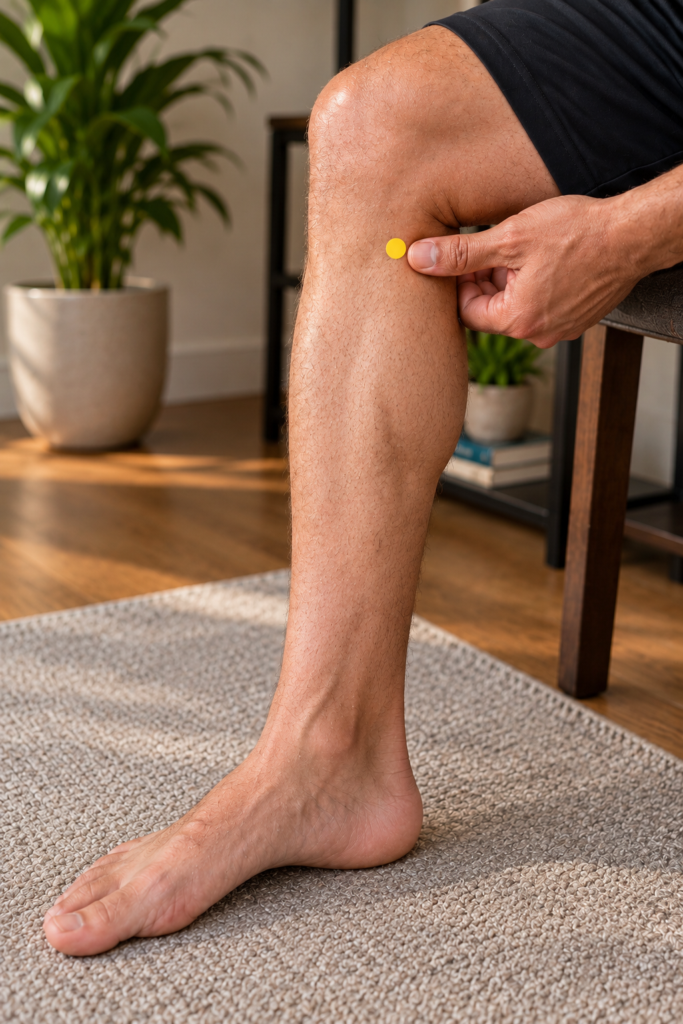
6. Press on ST40 on the outer shin to clear Phlegm and Dampness. ST40 sits on the outer lower leg, halfway between the knee crease and the outer ankle bone, about two finger-widths out from the edge of the shinbone. Press firmly with your thumb for one to two minutes on each leg. ST40 is called “Fenglong,” the “Abundant Bulge.”
ST40 is the connecting point of the Stomach and the primary point for transforming Phlegm, or thickened Dampness. It can help when puffiness occurs alongside sluggish digestion, foggy thinking, or a heaviness that lingers.
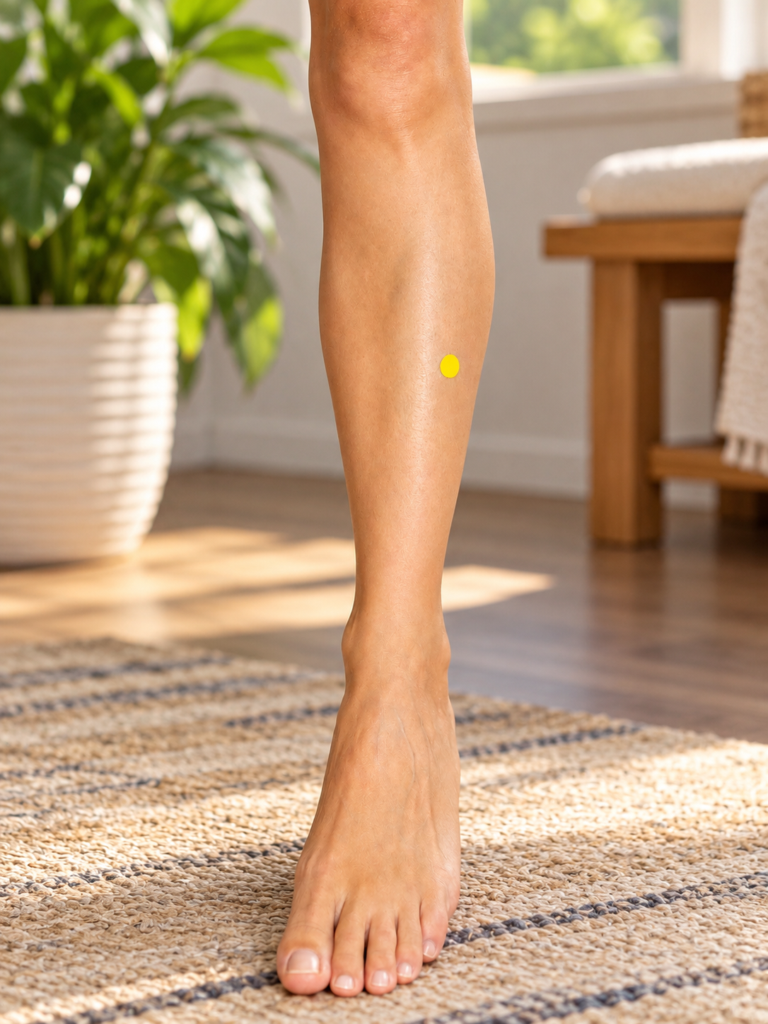
7. Press on SP6 above the inner ankle to support fluid movement. SP6 sits on the inside of the lower leg, four finger-widths above the tip of the inner ankle bone, just behind the edge of the shinbone. Press firmly with your thumb for one to two minutes on each leg. SP6 is called “Sanyinjiao,” the “Three Yin Intersection.” SP6 is avoided during pregnancy.
SP6 is the point where the Spleen, Liver, and Kidney channels meet. It strengthens the Spleen, resolves Dampness, and may help reduce ankle swelling that develops by the end of the day.
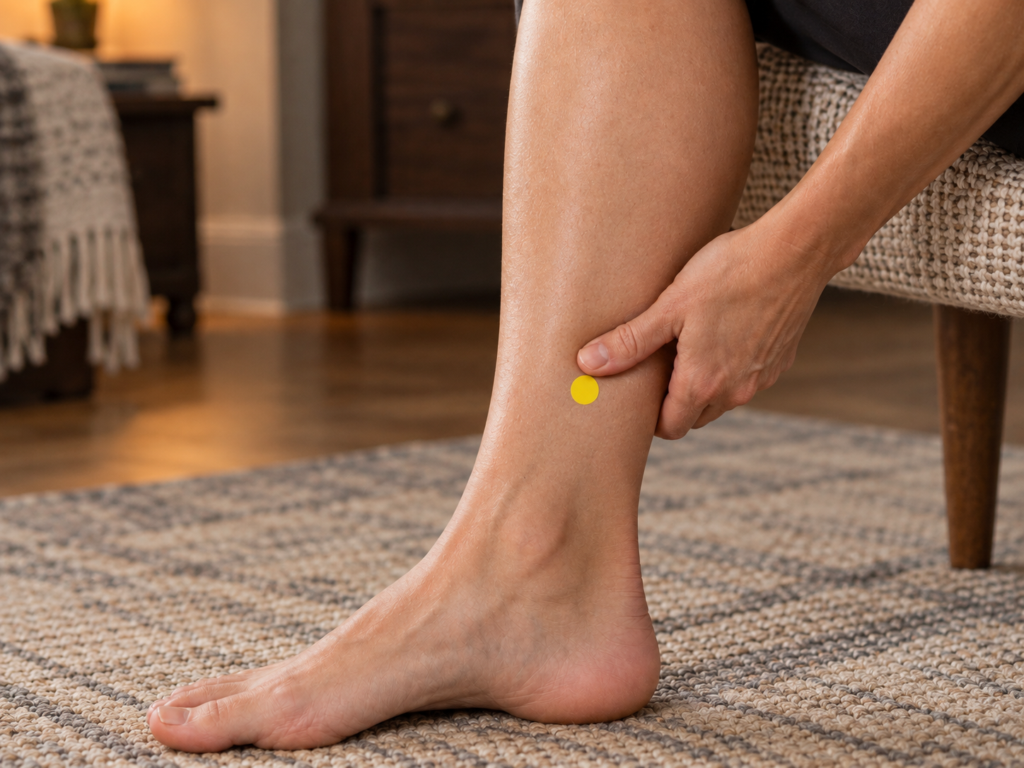
8. Press on KI7 above the inner ankle to regulate water. KI7 sits on the inside of the lower leg, two thumb-widths above the hollow between the inner ankle bone and the Achilles tendon, just in front of the tendon. Press with moderate pressure for one to two minutes on each leg. KI7 is called “Fuliu,” the “Returning Current.”
KI7 supports the Kidney’s regulation of water and is traditionally used to address swelling in the lower legs and ankles, particularly when accompanied by tired legs and cold feet.
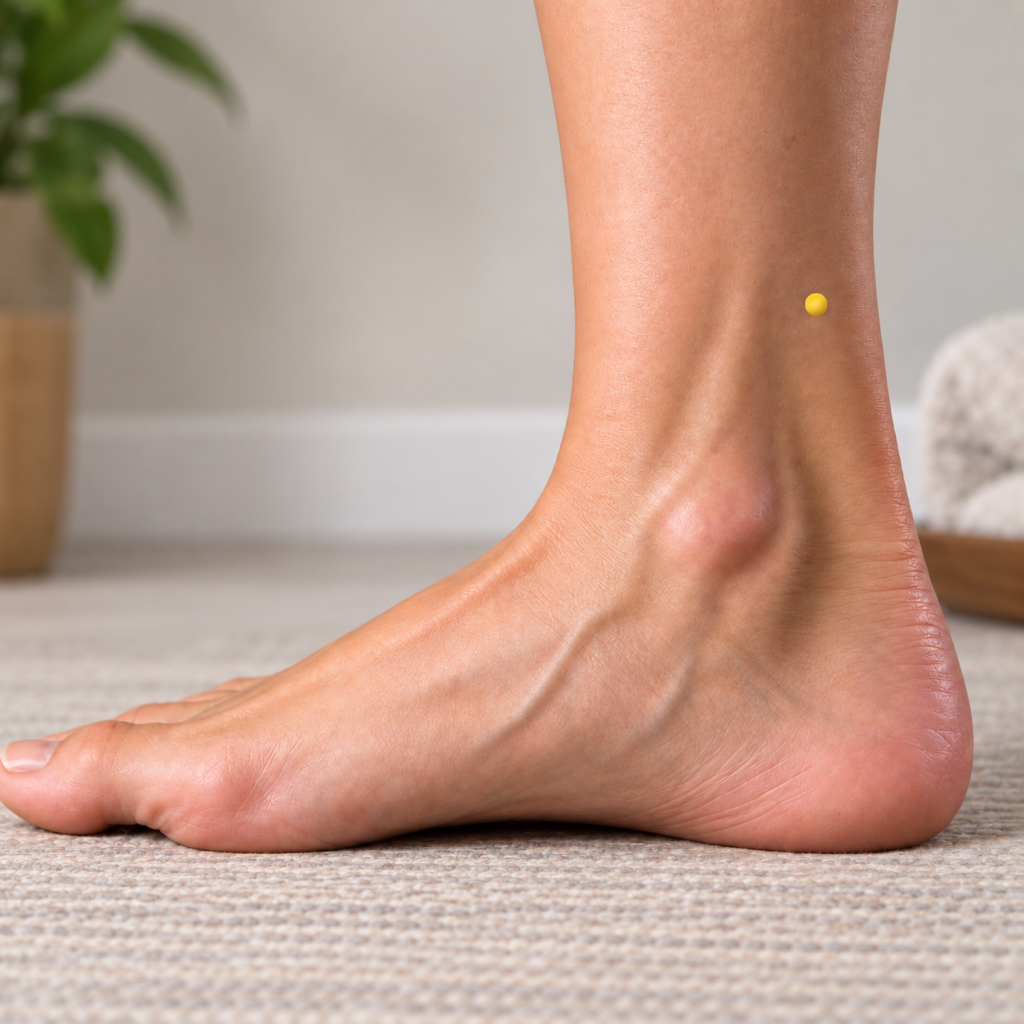
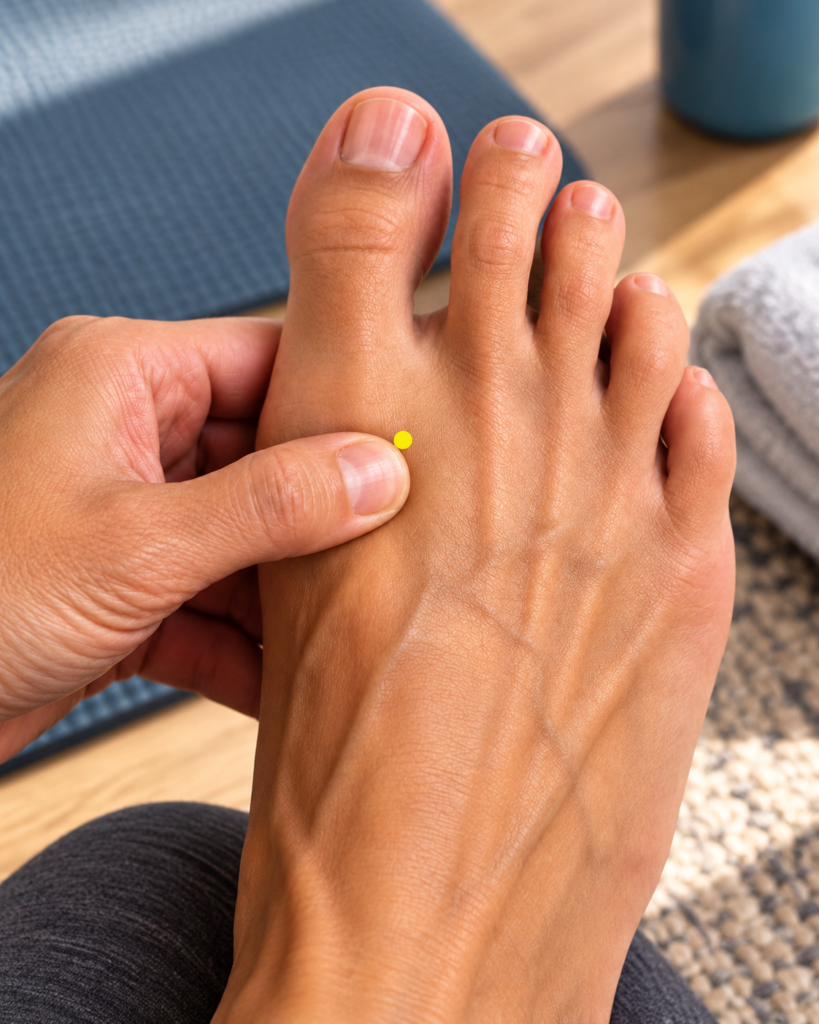
9. Press on LV3 on the top of the foot to keep Qi moving. LV3 sits on the top of the foot, in the hollow where the bones of the big toe and second toe meet, about two finger-widths back from the web between the toes. Press firmly with your thumb for one to two minutes on each foot. LV3 is called “Taichong,” the “Great Rushing.”
LV3 is the Liver’s source point. In Traditional Chinese Medicine, fluids follow Qi, so when stress causes Liver Qi to stagnate, fluids slow down too. LV3 keeps Qi moving and helps the other points work effectively.
Why These Acupressure Points Work
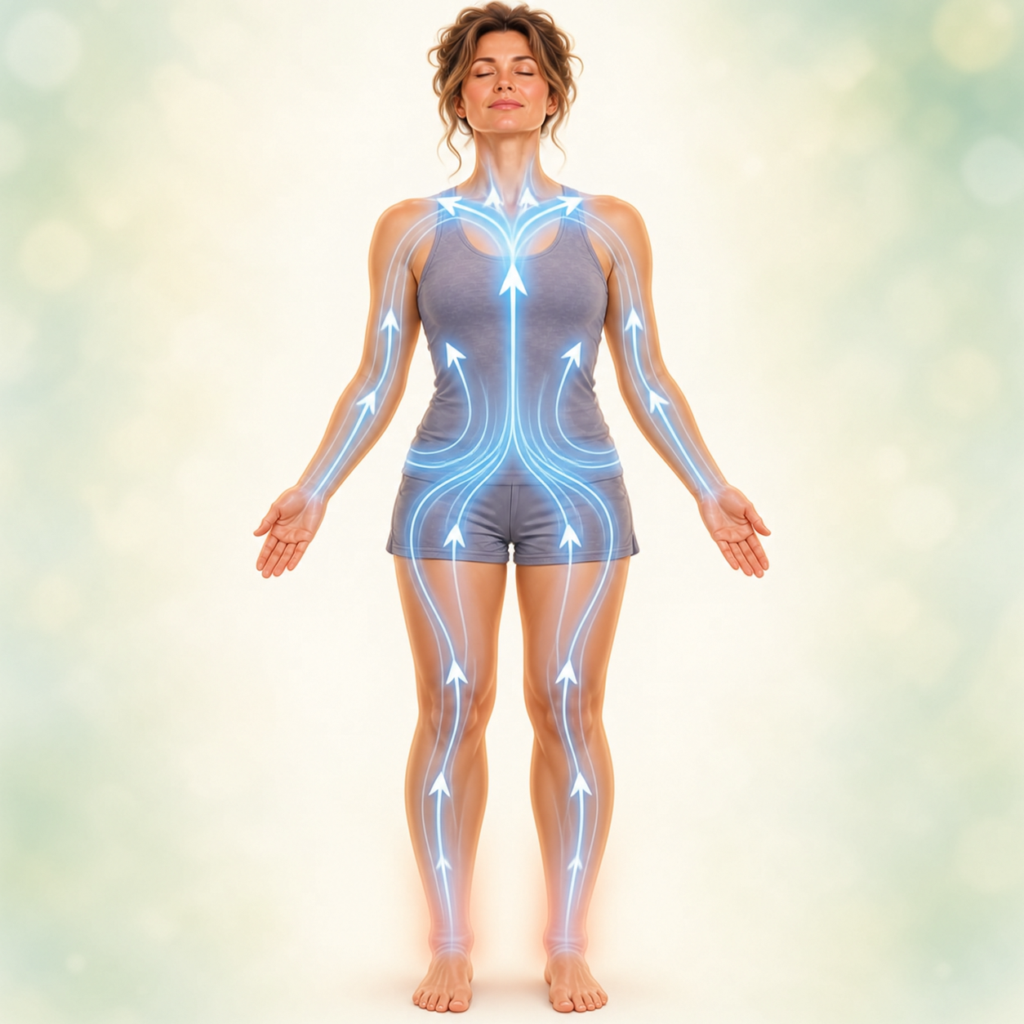
From a Traditional Chinese Medicine perspective, fluids stay in motion when the Lung sends them downward, the Spleen transforms them, the Kidney regulates them, and Qi keeps them moving. When any of these functions slows, fluid can linger in the tissues as Dampness. The point above the collarbone works near the base of the neck, where lymph returns to the bloodstream; the abdominal point separates and moves fluids through the center of the body; and the arm and leg points strengthen the organs that keep fluids flowing.
The nine points work together to support fluid movement:
- ST12 and CV9 open the main drainage area and move fluids at the center of the body.
- LU7 helps the Lung send fluids downward.
- ST36, SP9, ST40, and SP6 strengthen the Spleen and drain Dampness.
- KI7 and LV3 regulate water and keep Qi moving.
How to Properly Use These Acupressure Points
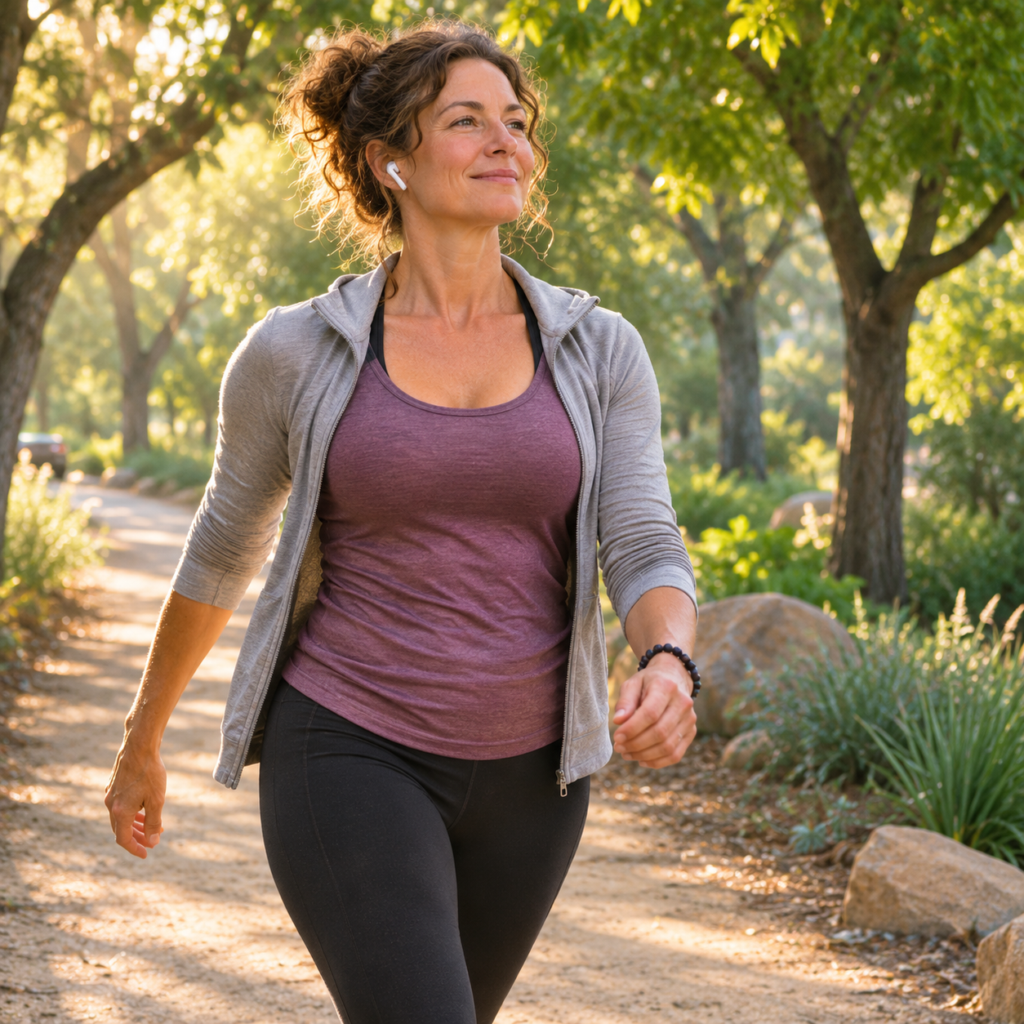
Acupressure for lymphatic drainage is most effective as a short, gentle daily routine, ideally in the morning or after sitting for a long time.
- Begin by gently tapping ST12 above both collarbones. Then press CV9 as you take five slow belly breaths.
- Press LU7 on both arms. Then work down the legs, pressing ST36, SP9, ST40, SP6, and KI7, and finish with LV3.
- If your ankles feel puffy at the end of the day, spend a little extra time on SP9, SP6, and KI7, then rest with your legs elevated on a pillow.
- Apply very light pressure above the collarbones and on the abdomen, and firmer pressure on the legs. Avoid CV9 and SP6 during pregnancy, and never apply pressure to skin that is red, hot, or broken.
Movement helps keep lymph flowing, as muscles act as its pump. A 15- to 20-minute walk, a swim, or gentle yoga after a long period of sitting can help. Slow belly breathing a few times a day also helps move fluid through the chest and abdomen. Drink enough water, eat fewer salty and processed foods, and raise your legs for a few minutes in the evening if your ankles swell. On long flights or drives, flex your ankles and walk when you can. Traditional Chinese Medicine also recommends regular, warm, cooked meals and fewer cold drinks, raw foods, and sweets, which are considered to add Dampness.
You can also learn more about acupressure to support your immune system.
When to Get Professional Help
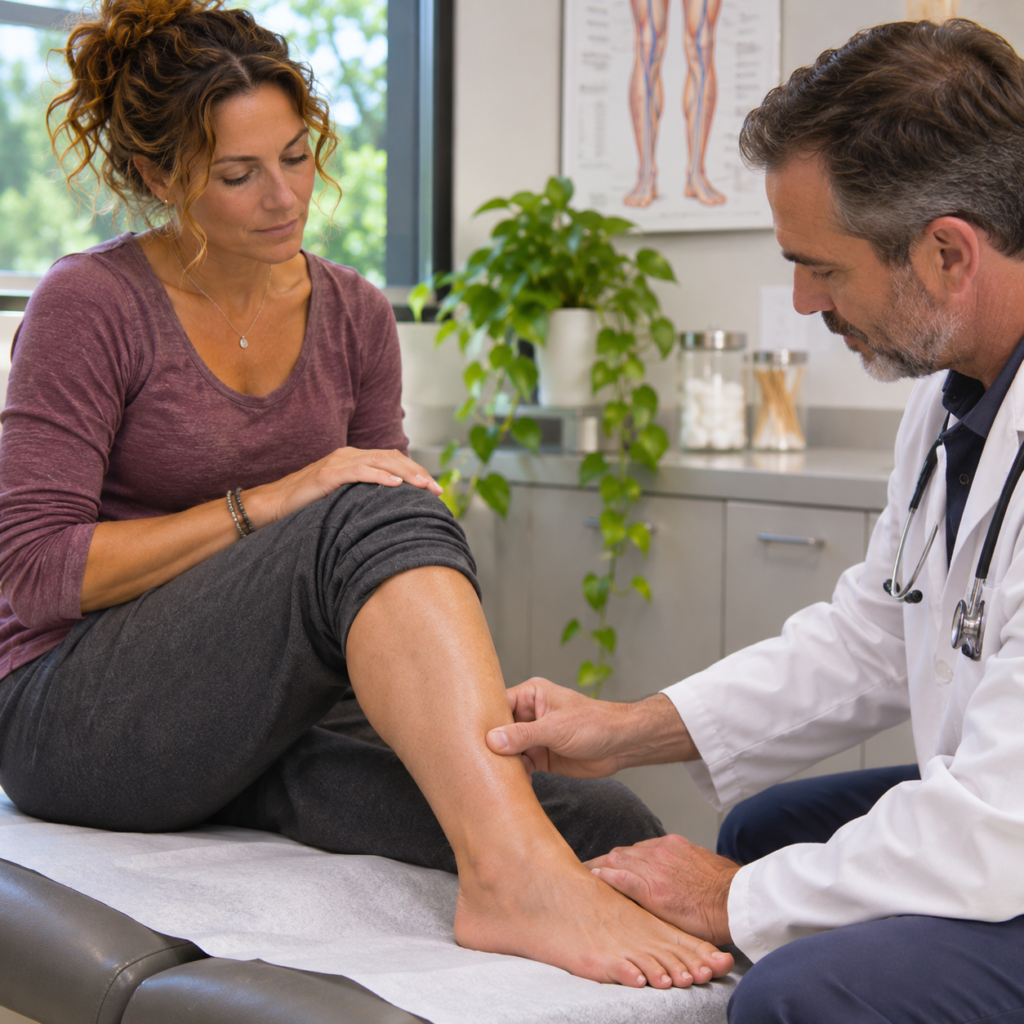
If one leg suddenly becomes swollen, warm, red, or tender, seek urgent medical care, as these symptoms could indicate a blood clot. Call 911 if you also experience shortness of breath or chest pain. If your skin becomes red, hot, and painful and you develop a fever, see a doctor promptly, as this could be cellulitis. Swelling in both legs, sudden weight gain, difficulty breathing when lying down, or reduced urination may signal a heart or kidney problem and should be checked by a doctor. If you’ve had lymph nodes removed or received radiation for cancer, consult your doctor and a certified lymphedema therapist before trying lymphatic drainage at home. See a doctor if a swollen lymph node lasts more than two weeks, feels hard, or is accompanied by fever, night sweats, or unexplained weight loss. If you have a heart or kidney condition, check with your doctor before using lymphatic drainage techniques.
Acupressure is a gentle, supportive practice for lymphatic drainage. It complements, and does not replace, diagnosis and medical care.
For related health concerns, acupressure for lymphedema, acupressure for inflammation, and acupressure after surgery are companion articles.
Above and Beyond Acupuncture offers acupuncture, cupping, and lifestyle coaching at the North Frank Lloyd Wright Boulevard location in Scottsdale.
Schedule an appointment online to start your healing journey.
The points above are only as effective as the technique used to apply them. Where to press, how firmly, and for how long all affect the result. For a full breakdown of how to perform acupressure properly at home, read Performing Acupressure in 3 Easy Steps.
About the Publisher
Paul Kerzner, L.Ac., is a licensed acupuncturist and board-certified herbalist, as well as the founder of Above and Beyond Acupuncture in Scottsdale. His own journey from chronic patient to practicing acupuncturist shapes his commitment to providing honest, clinically grounded information about acupuncture and Traditional Chinese Medicine. Learn more about Paul and his clinical approach on the About Us page.