Key Takeaways
- Acupuncture can help manage pain, nausea, anxiety, and other conditions but doesn’t cure diseases or replace necessary medical care.
- The treatment relies on inserting needles at specific points, affecting various body systems and promoting healing.
- While it shows substantial benefits for many patients, acupuncture does not work equally well for everyone or every condition.
- An integrated approach combining acupuncture with nutrition, movement, and stress management leads to the best outcomes.
- Patients with chronic issues or stress-related symptoms often find acupuncture helpful, but serious conditions require standard medical evaluation first.
Millions of patients ask this question every year. Some come to acupuncture after trying standard Western care and finding it incomplete. Others come because they want to avoid medications when possible. Some come because a friend, family member, or physician recommended it. Whatever the path in, the underlying question is the same. Can this treatment actually help me, and if so, how.
The honest answer depends on what you are dealing with and what you mean by heal. Acupuncture has substantial and growing research support for many conditions. It has meaningful clinical value for many patients. It also has limits, and those limits matter as much as the strengths when you are deciding whether to pursue it.
Here is the honest picture of what acupuncture can do, where it fits in your care, and how to think about whether it is right for your situation.
What Is Acupuncture?
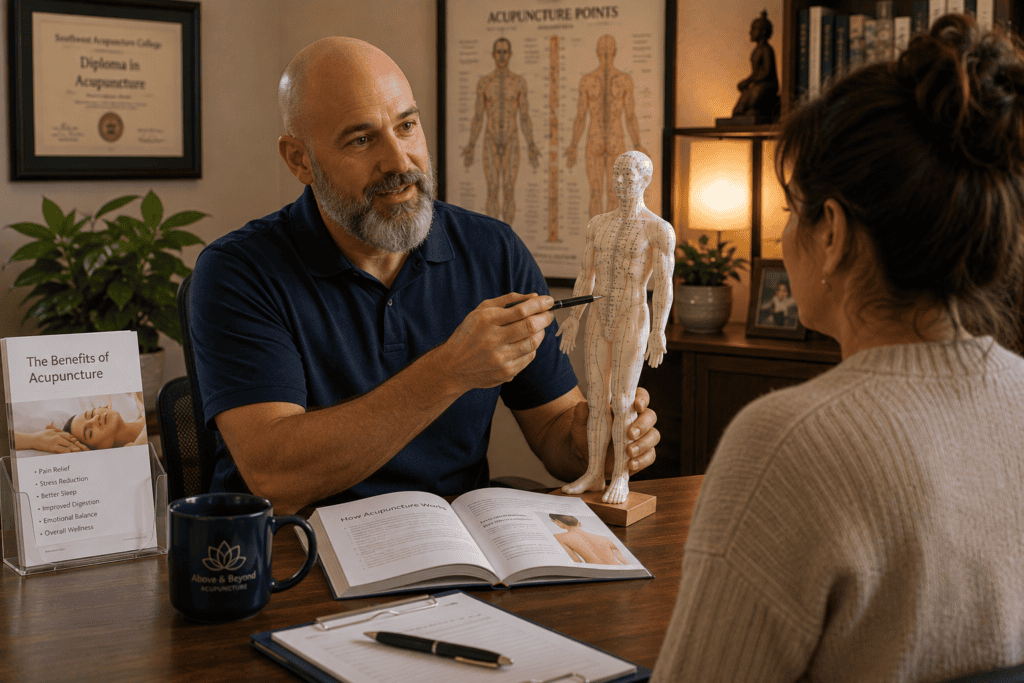
Acupuncture is one of the oldest continuously practiced medical systems in the world. The Chinese medicine tradition that acupuncture comes from has been developed and refined over more than two thousand years and continues to evolve today.
At its most basic, acupuncture involves the placement of fine sterile needles at specific points on the body. These points correspond to pathways that Traditional Chinese Medicine describes as meridians. Modern research has documented that the needle placement produces measurable effects on the nervous system, the endocrine system, local circulation, and multiple other body systems.
The treatment is performed by licensed acupuncturists who complete extensive training in Chinese medicine including diagnosis, point selection, needle technique, and safe practice. Licensing requirements vary by state but typically include a master’s or doctoral degree in acupuncture and Chinese medicine and national board certification.
The Mayo Clinic overview of acupuncture and the Cleveland Clinic summary provide the medical picture of the treatment.
What Can Acupuncture Treat?
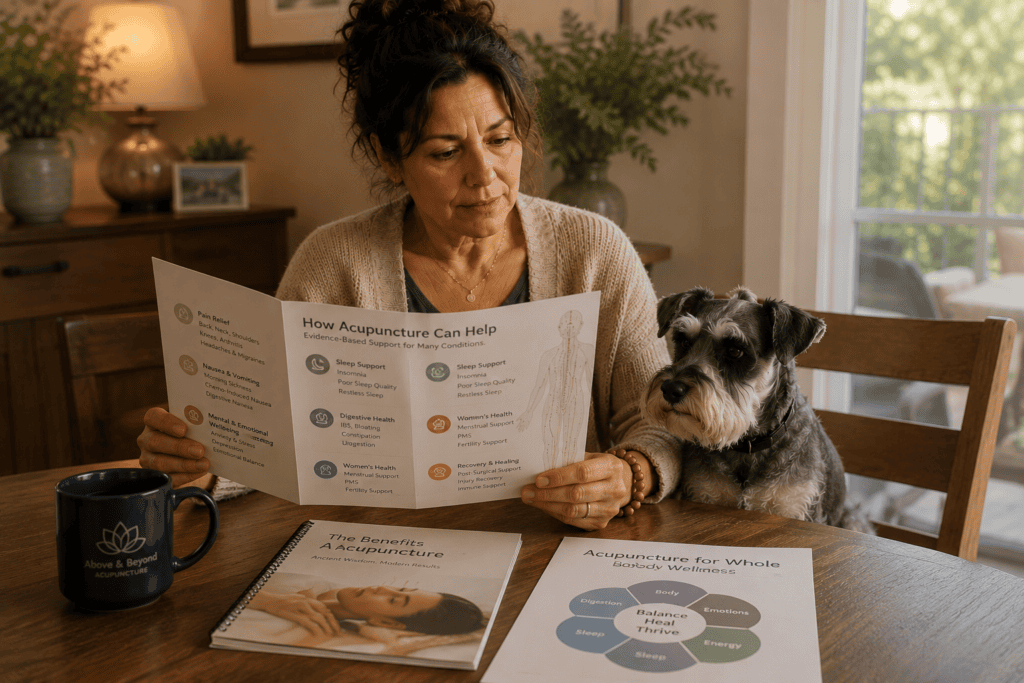
The research on acupuncture has grown substantially over the past three decades. Certain applications have particularly strong support.
- Pain conditions. This is where acupuncture has the strongest research base. The 2017 American College of Physicians guidelines specifically recommend acupuncture as a first-line non-pharmacologic treatment for acute low back pain. Multiple Cochrane systematic reviews have found acupuncture effective for chronic low back pain, neck pain, tension headaches, migraine prevention, and knee osteoarthritis. Research supports acupuncture for fibromyalgia, temporomandibular joint disorders, and multiple other pain conditions.
- Nausea and vomiting. Research supports acupuncture for chemotherapy-induced nausea, postoperative nausea, and pregnancy-related nausea. This is one of the applications with the strongest and most consistent research base.
- Anxiety and depression. Multiple studies have found acupuncture effective for reducing symptoms of anxiety and depression alongside standard mental health care. The treatment does not replace therapy or medications when appropriate, but adds meaningful support.
- Sleep issues. Research supports acupuncture for insomnia and sleep disturbance across multiple conditions.
- Digestive conditions. Acupuncture has research support for IBS, functional dyspepsia, and other digestive conditions.
- Women’s health. Research supports acupuncture for menstrual cramps, PMS, fertility support, pregnancy-related symptoms, and menopausal symptoms.
- Recovery and healing support. Acupuncture supports recovery from surgery, injuries, and chronic conditions through effects on circulation, inflammation, and nervous system regulation.
The NCCIH summary examines the clinical evidence for acupuncture across a range of health conditions.
How Does Acupuncture Produce These Effects?
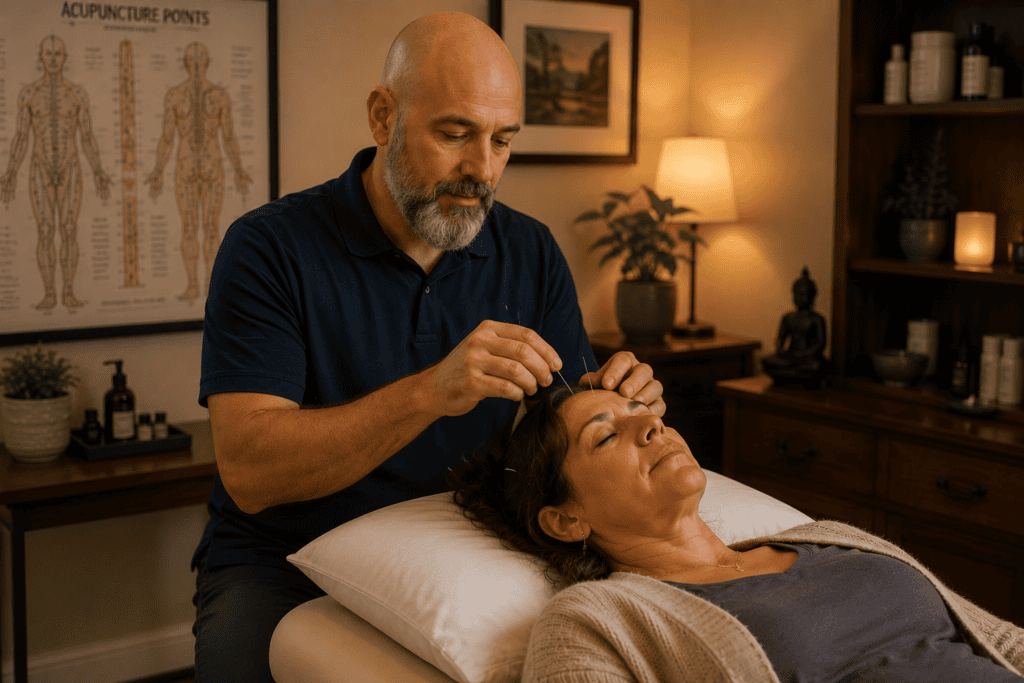
Modern research has documented several ways acupuncture affects the body.
- Endogenous pain relief. Acupuncture stimulates the release of endorphins, enkephalins, and other natural pain-relieving chemicals. This produces both immediate pain relief and reduces the pain sensitivity that chronic pain patients develop.
- Nervous system regulation. Acupuncture activates the parasympathetic nervous system and reduces sympathetic activation. This shifts the nervous system state that chronic stress and anxiety produce.
- Anti-inflammatory effects. Research has documented anti-inflammatory effects of acupuncture through several pathways including vagal stimulation. The chronic inflammation patterns that underlie many conditions respond to these effects.
- Improved circulation. Acupuncture improves local blood flow at the site of needle placement and produces systemic circulation effects.
- Muscular release. Direct effects on trigger points and chronic muscular tension address the physical patterns underlying many conditions.
- Cortisol regulation. Acupuncture has documented effects on cortisol regulation, which affects nearly every body system. The chronic cortisol elevation from ongoing stress contributes to many chronic conditions.
- Nervous system modulation. Research suggests acupuncture affects the descending pain modulation system in the brain and spinal cord, which reduces the central sensitization that develops with chronic conditions.
What Acupuncture Cannot Do

Being honest about the limits matters as much as being clear about the strengths.
- Acupuncture supports patterns of healing, reduces symptoms, and addresses underlying patterns that contribute to conditions. It does not eliminate cancer, reverse advanced degenerative disease, or replace treatment for serious medical conditions.
- Acupuncture does not replace necessary medical care. Patients with acute injuries need appropriate emergency evaluation. Patients with cardiovascular emergencies need cardiac care. Patients with serious infections need appropriate treatment. Acupuncture works alongside medical care, not as a replacement for it.
- Acupuncture does not work equally well for every patient or every condition. Some patients respond substantially. Others respond modestly. Some respond very little. This is true of every medical intervention including standard Western care.
- Acupuncture is not a quick fix. Most conditions require several sessions to see meaningful improvement. Chronic conditions often require ongoing treatment over months.
How Does Traditional Chinese Medicine View the Healing Process?
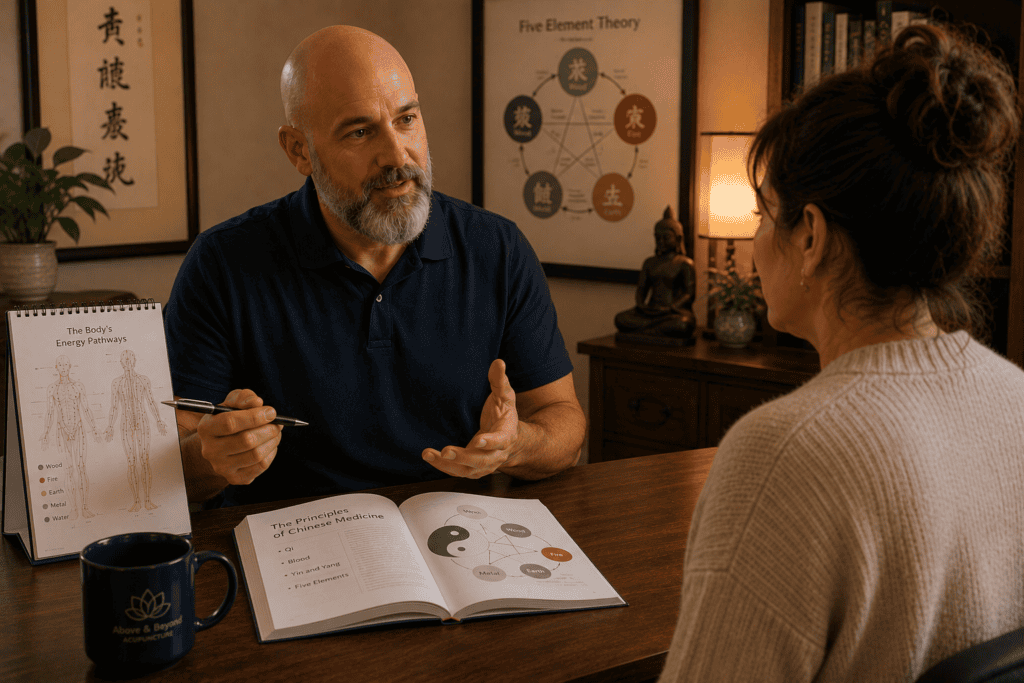
Traditional Chinese Medicine has developed a rich understanding of healing over more than two thousand years. The view differs from Western medicine in ways that shape how patients experience acupuncture treatment.
- Patterns rather than diseases. Chinese medicine treats patterns of imbalance rather than named diseases. Two patients with the same Western diagnosis often have different Chinese medicine patterns and receive different treatment. Two patients with different Western diagnoses may have similar Chinese medicine patterns and receive similar treatment.
- The whole person. Chinese medicine treats the whole person including physical symptoms, emotional patterns, sleep, digestion, energy levels, and constitutional patterns. The treatment addresses the underlying patterns rather than isolating one symptom.
- Balance and flow. The tradition understands health as the balance of opposing forces and the smooth flow of Qi and Blood through the body’s pathways. Illness reflects imbalance or obstruction of these flows. Treatment restores balance and flow.
- Constitutional patterns. Every person has constitutional patterns that shape their tendencies toward certain conditions. Chinese medicine works with these patterns rather than treating everyone the same way.
- The role of the practitioner. A skilled acupuncturist develops the diagnostic ability to identify the specific patterns present in each patient through pulse and tongue examination, questioning, observation, and clinical reasoning. This individualized approach is what makes Chinese medicine distinct from protocol-only approaches.
When Is Acupuncture Likely to Help Me?
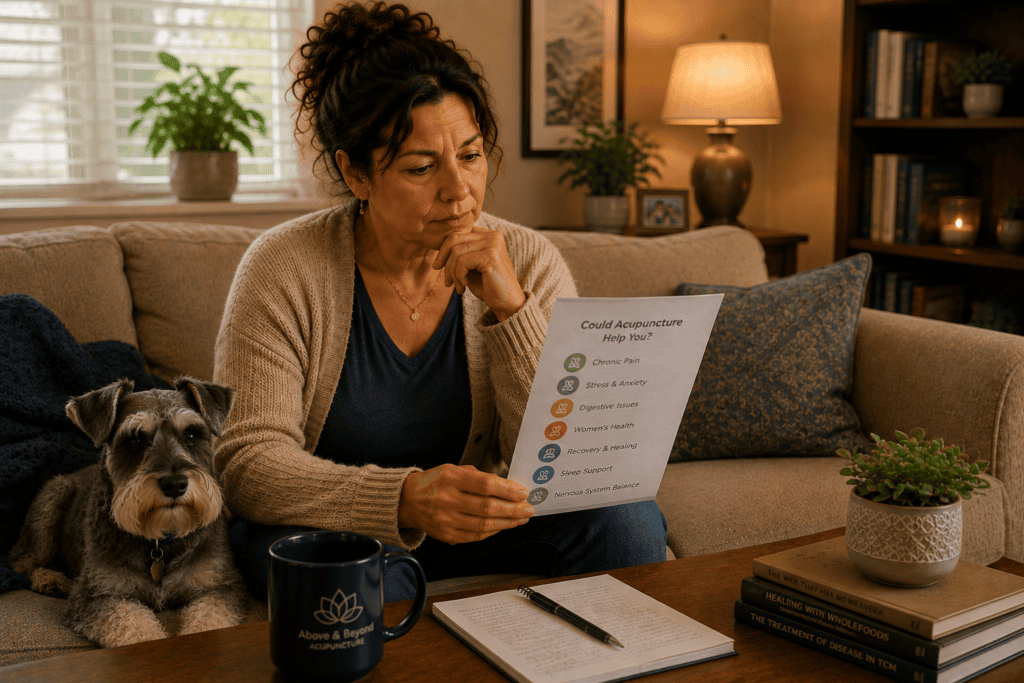
Certain patterns suggest acupuncture is likely to provide meaningful benefit.
Chronic conditions that have not fully responded to standard care. Pain conditions across most body regions. Stress-related patterns affecting sleep, mood, or physical symptoms. Digestive issues without clear structural cause. Women’s health conditions. Recovery from illness, surgery, or injury. Conditions with a strong nervous system or stress component. Situations where you want to reduce reliance on medications.
Patients dealing with these patterns often experience meaningful improvement through consistent acupuncture treatment. The initial course typically involves weekly sessions for several weeks. Response varies by individual and condition.
When Should Standard Medical Care Come First?
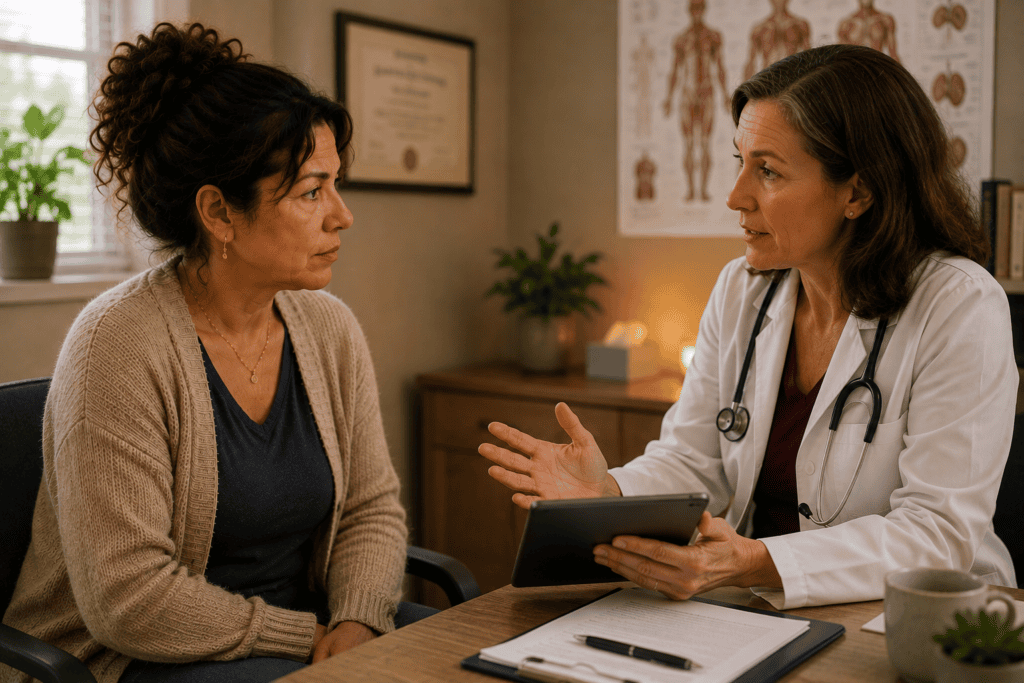
Certain situations require standard medical evaluation before or alongside acupuncture.
- Acute severe symptoms requiring emergency evaluation.
- Symptoms suggesting serious underlying disease including unexplained weight loss, night sweats, or progressive neurological symptoms.
- Chest pain or cardiovascular symptoms.
- Signs of infection with fever. New severe pain from injury.
- Any symptoms your instincts tell you need immediate attention.
Acupuncture works well alongside appropriate medical care but should not delay evaluation of concerning symptoms.
The Holistic Integrated Approach

For most patients, the best outcomes come from an integrated approach that combines acupuncture with other supportive practices.
- Regular acupuncture treatment. Weekly sessions during the initial course produce the best results for most conditions.
- Movement. Regular movement supports the effects of acupuncture and general wellbeing.
- Nutrition. Whole foods, anti-inflammatory eating patterns, and adequate hydration support healing.
- Sleep. Quality sleep is essential for healing. Sleep hygiene practices support what acupuncture provides.
- Stress management. Direct nervous system practices including meditation, breath work, prayer, or contemplative practices amplify treatment effects.
- Coordination with medical care. For patients under ongoing medical care, acupuncture works alongside their treatment.
Many patients dealing with chronic conditions also experience anxiety, stress, and depression patterns that acupuncture addresses alongside the primary complaint.
Above and Beyond Acupuncture offers acupuncture, cupping, and lifestyle coaching at the North Frank Lloyd Wright Boulevard location in Scottsdale.
Schedule an appointment online or call us today to start your healing journey.
About the Publisher
Paul Kerzner, L.Ac., is a licensed acupuncturist and board-certified herbalist, as well as the founder of Above and Beyond Acupuncture in Scottsdale. His own journey from chronic patient to practicing acupuncturist shapes his commitment to providing honest, clinically grounded information about acupuncture and Traditional Chinese Medicine. Learn more about Paul and his clinical approach on the About Us page.