
Key Takeaways
- Cortisol, a vital hormone from the adrenal glands, helps regulate stress responses and blood sugar levels.
- Consistently high cortisol levels can interfere with sleep, promote weight gain, raise anxiety, and cause digestive problems.
- Modern life constantly adds stress, hindering the body’s ability to reset cortisol levels.
- Common causes of increased cortisol levels are chronic stress, sleep deprivation, caffeine intake, and inadequate recovery.
- Acupuncture may aid in balancing cortisol levels, helping the body reset and decrease associated symptoms.

If you have been hearing the word cortisol everywhere lately, you are not alone. Health podcasts mention it. Wellness influencers warn about it. Friends bring it up at the gym. Most people now have a vague sense that cortisol is something they should probably know more about, and a growing suspicion that they might have too much of it.
The good news is that the basics are not complicated. Cortisol is a normal, useful hormone that your body produces every single day. It is supposed to be there. The problem is not cortisol itself. It is what happens when the body cannot stop producing it.
At Above and Beyond Acupuncture in Scottsdale, cortisol frequently arises in discussions with patients, regardless of whether the concern is pain, sleep issues, anxiety, digestion, or fatigue. This is because cortisol underlies many of the symptoms patients struggle to articulate. Recognizing what cortisol is and why it might be elevated is essential for understanding the underlying processes happening in your body.
What is Cortisol?

Cortisol is a hormone produced by the adrenal glands, which sit on top of your kidneys. It is sometimes called the stress hormone, but that label is incomplete. Cortisol does many useful things in the body. It helps regulate blood sugar, supports the immune system in short bursts, controls inflammation, and follows a daily rhythm that helps wake you up in the morning and wind you down at night.
The body releases cortisol in response to stress, but it also releases it in response to exercise, blood sugar changes, hunger, and the natural transitions of the day. In healthy amounts, cortisol is essential. The problem is not the hormone. The problem is when the system that controls it can’t switch off.
What Happens When the Sympathetic Nervous System Stays On

Think of the body’s cortisol system like a glass of water. The body is designed to handle short pours. A stressful conversation, a difficult workout, a brief scare, a missed meal. Each one pours a little cortisol into the glass. Between pours, the body has time to empty the glass and reset.
Modern life pours continuously. Work pressure, financial stress, family responsibilities, social media, news cycles, poor sleep, inadequate recovery time, dietary stress, screen overuse. The pouring never stops, the glass never empties, and eventually it overflows. When that happens, the body shifts from using cortisol as a useful short-term tool to running on it as a chronic background state.
Chronically elevated cortisol changes how the body functions. It disrupts sleep, drives inflammation, suppresses immune function, alters digestion, interferes with mood, and pulls the body out of the natural rhythm it is designed to operate on. The patient feels this as the cluster of symptoms that most people now associate with chronic stress, even when they have not connected the dots back to cortisol.
What is Keeping Your Cortisol Elevated

The triggers are usually the same handful of things, working together.
- Chronic psychological stress is the most obvious one
- Sleep deprivation is a big one and often gets missed
- Caffeine overuse, particularly later in the day, keeps the cortisol curve elevated when it should be coming down
- Alcohol disrupts the regulatory system that controls cortisol release
- Inflammatory foods, particularly refined sugars, ultra-processed foods, and excess alcohol, contribute to the inflammatory load the body is trying to manage with cortisol in the first place
- Excessive high-intensity exercise without adequate recovery can keep cortisol elevated
- Constant screen use, particularly at night, disrupts the circadian rhythm that the cortisol cycle depends on
None of these are individually catastrophic. The problem is that most modern lives include several of them at once, and the cumulative effect is a body that hasn’t had a chance to fully reset for months or years.
What You Might Be Feeling

Patients with chronically elevated cortisol typically experience some combination of the following:
- Trouble falling asleep or staying asleep
- Waking up tired even after a full night
- Weight gain particularly around the midsection
- Anxiety or a constant low-grade sense of being on edge
- Fatigue that does not respond to rest
- Brain fog and difficulty concentrating
- Digestive issues
- Frequent illness
- Increased muscle tension
- A general sense that the body is no longer responding to recovery the way it used to
If this list feels familiar, you’re experiencing issues many people face when cortisol regulation fails. More detail on each aspect appears throughout the following companion articles:
- Why Does Trying to Relax Make Me More Anxious?
- Do I Have “Sleep PTSD”?
- Why Do I Have Brain Fog?
- Is Stress Causing My Physical Pain?
- Why Do I Keep Getting Sick?
The Traditional Chinese Medicine Perspective

Traditional Chinese Medicine has been describing this pattern for thousands of years through the framework of Liver Qi stagnation. When the smooth flow of energy through the body gets stuck under sustained emotional and physical pressure, the body produces the same constellation of symptoms that modern medicine is now describing through the language of cortisol dysregulation. The vocabulary is different. The clinical picture is the same.
This is why acupuncture has been effective for stress-related symptoms long before anyone measured a cortisol level. The treatment addresses the underlying flow pattern rather than chasing each downstream symptom individually.
How Acupuncture Helps
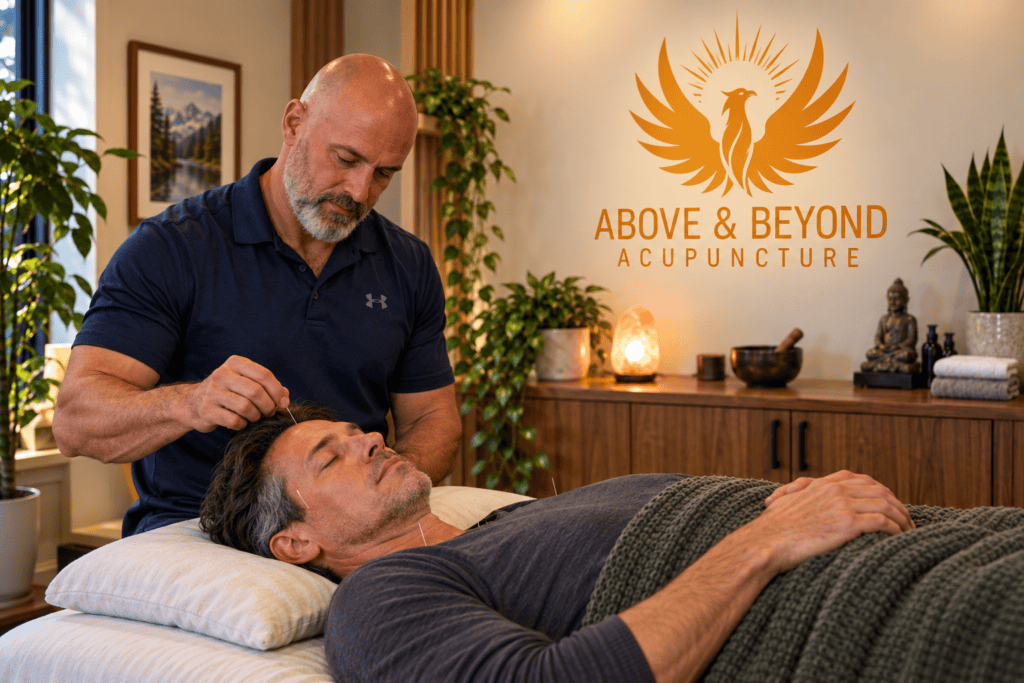
Acupuncture works directly with the autonomic nervous system that controls cortisol release. Treatment shifts the body out of the sustained activation state that keeps cortisol elevated and into the recovery state where the system can finally reset. Over a course of treatment, the cortisol rhythm starts to normalize, the symptoms downstream of it begin to resolve, and the body remembers how to come down from stress on its own.
How Acupuncture Shifts You from Fight or Flight to Rest and Relax covers this topic in more depth.
Frequently Asked Questions About Cortisol

What are the signs of high cortisol?
The most common signs include disrupted sleep, weight gain around the midsection, anxiety, fatigue that does not respond to rest, frequent illness, digestive issues, brain fog, and elevated muscle tension. Most people have several of these symptoms before they realize cortisol is involved.
What time of day is cortisol highest?
In a healthy cortisol rhythm, levels peak in the early morning to help wake you up and gradually decline throughout the day, reaching their lowest point around bedtime. When the rhythm is disrupted, this pattern flattens or inverts, contributing to the wired-at-night and exhausted-in-the-morning experience many patients report.
Does caffeine raise cortisol?
Yes. Caffeine increases cortisol release, particularly when consumed in the afternoon or evening. For patients already dealing with elevated cortisol, the morning cup is usually fine, but later caffeine use can significantly worsen the cycle by preventing the natural evening decline.
Can exercise lower cortisol?
It depends on the type. Gentle to moderate exercise, walking, yoga, and similar movement can reduce cortisol and support recovery. High-intensity exercise without adequate recovery time can actually raise cortisol and worsen the pattern, particularly in people who are already chronically stressed.
What foods help lower cortisol?
Whole foods, adequate protein, healthy fats, leafy greens, and meals that stabilize blood sugar all support healthier cortisol regulation. Reducing refined sugar, ultra-processed foods, and alcohol has a meaningful impact. Ultra-Processed Foods and Inflammation covers the dietary side in detail.
How long does it take to lower cortisol?
Some shifts begin within days of changing the inputs that are driving the problem. Restoring a healthy cortisol rhythm after months or years of dysregulation typically takes longer, often weeks to months of consistent work on sleep, diet, stress management, and nervous system support. Acupuncture can meaningfully accelerate this process by directly regulating the system that controls cortisol release.
Where to Start

If the symptom cluster above describes what you have been experiencing, the cortisol piece is likely part of the picture. The next step is a clinical conversation about your specific patterns and what a treatment plan would look like.
Above and Beyond Acupuncture offers acupuncture, cupping, and lifestyle coaching at the North Frank Lloyd Wright Boulevard location in Scottsdale.
Schedule an appointment online or call us today to start your journey to relief.
About the Publisher
Paul Kerzner, L.Ac., is a licensed acupuncturist and board-certified herbalist, as well as the founder of Above and Beyond Acupuncture in Scottsdale. His own journey from chronic patient to practicing acupuncturist shapes his commitment to providing honest, clinically grounded information about acupuncture and Traditional Chinese Medicine. Learn more about Paul and his clinical approach on the About Us page.