Key Takeaways
- Migraines are neurological disorders characterized by intense, throbbing head pain and other symptoms like nausea and sensitivity to light.
- The persistence of migraines may stem from central sensitization, making the nervous system sensitive to triggers like stress and hormonal changes.
- Migraines often trigger due to factors such as inadequate sleep, dietary choices, and strong sensory stimuli, but managing sensitization is crucial.
- Conventional treatments often provide only partial relief as they do not address the underlying nervous system sensitization.
- Acupuncture offers a preventive approach by targeting the underlying causes of migraines, proving effective in reducing frequency and severity.
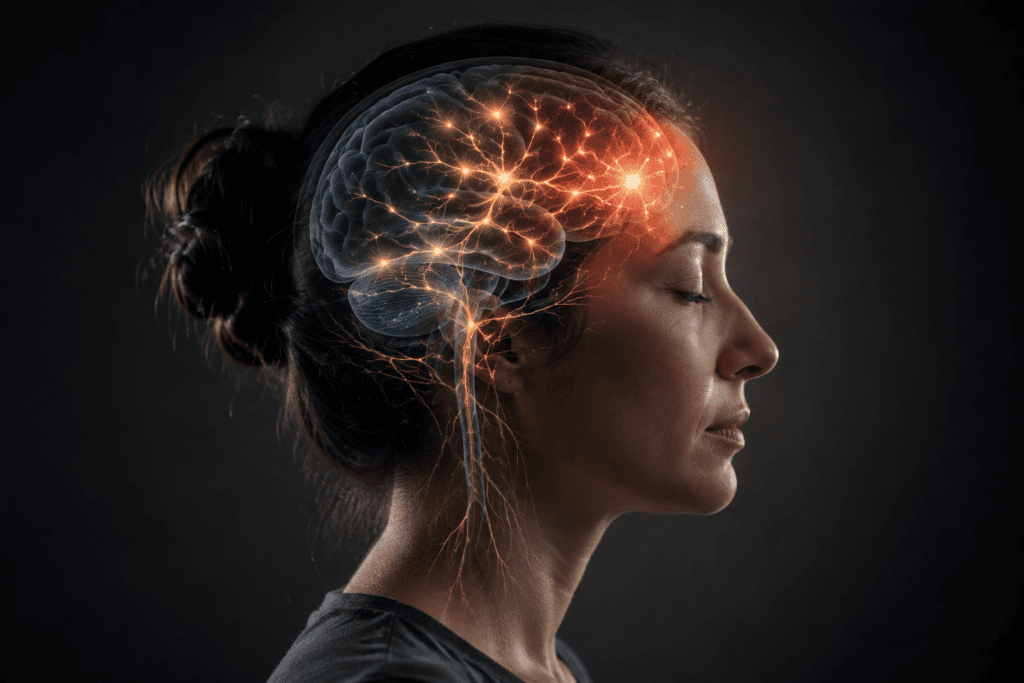
Your head feels like it’s about to split open. Light and sound are painful. Clear thinking is impossible. The next few hours of your day are lost. If you’re reading this, you’ve likely experienced this scene more times than you can remember.
For those with occasional migraines, usually once or twice a year, the experience is tough but manageable. However, for those who suffer weekly, biweekly, or monthly, migraines dominate their lives in ways that are difficult to convey to anyone who hasn’t experienced them. This includes missed work, canceled plans, medications that help only sometimes, and a persistent, low-level fear of the next attack.
If you’ve been stuck in this cycle for years and feel you’ve tried everything, the root cause might not have been fully explained to you. Here’s what is really going on, why it continues, and what steps you can take to address it.
What Are Migraines?

Migraines are more than just severe headaches. They are a neurological disorder involving the nervous system, blood vessels in the head, inflammatory pathways, and brain chemistry, all working together to trigger a distinct set of symptoms.
A typical migraine involves intense head pain, usually on one side and throbbing. Many people with migraines also suffer from nausea, vomiting, sensitivity to light and sound, and mental fog during an attack. Some experience visual auras beforehand. The migraine can last from hours to days, with recovery often taking an extra day or two after the headache subsides.
Approximately 12 percent of people suffer from migraines, with women being three times more likely to be affected than men.
Why Do They Keep Happening?

The true reason your migraines persist is that your nervous system has become more sensitive over time. The threshold for triggers has lowered, so things like stress, hormonal changes, poor sleep, or trigger foods that might not affect others now cause a full migraine in you.
This sensitization process has a name in neuroscience. Central sensitization. The nervous system has been firing the migraine response so often that the response has become easier to trigger. The migraine has become a learned pattern.
This sensitization is driven by factors such as chronic stress, sleep disturbances, hormonal changes, dietary inflammation, and genetic predisposition. While none of these alone causes migraines, their combined effect keeps the nervous system in a heightened state of readiness to trigger them.
The full picture of how chronic stress drives these patterns is covered in What Is Cortisol and Why Do I Have So Much of It?. The role of chronic inflammation in conditions like this is in What Is Inflammation?.
The Migraine Trigger Picture
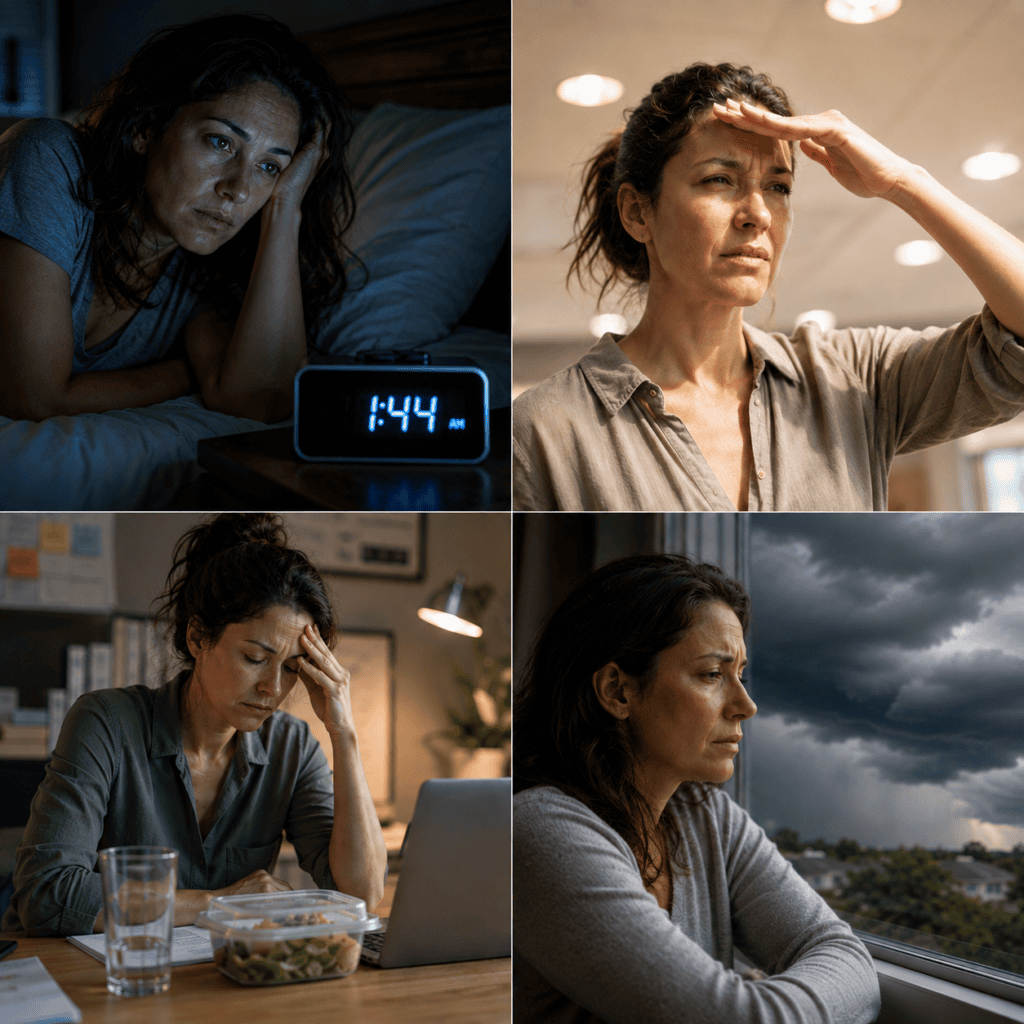
Most individuals suffering from severe migraines have unique triggers that can vary widely. Typical triggers often include hormonal shifts during menstruation, inadequate or excessive sleep, dehydration, missing meals, specific foods like aged cheeses, processed meats, alcohol, MSG, artificial sweeteners, and sometimes chocolate. Additionally, strong sensory stimuli such as bright lights, intense smells, loud noises, and shifts in weather are common triggers.
Stress is a common trigger, but its effects on migraines are often delayed. Migraines typically occur during the relaxation phase after a stressful event, not during the stress itself. That’s why many people experience migraines on weekends or during vacations.
Tracking your triggers can be helpful, but it seldom reveals the complete picture. Usually, triggers are just the spark, not the root cause. While reducing exposure is beneficial, tackling the sensitization that heightens your vulnerability is more effective.
The Hormonal Connection to Migraines

Many women associate migraines with their hormonal cycle. Typically, a migraine occurs a day or two before a period or during the first days of bleeding, coinciding with a sudden drop in estrogen levels. During perimenopause, migraines may become more severe or change patterns, and after menopause, some women find relief while others experience worsening symptoms.
The hormonal trigger involves not just the hormones but also the nervous system’s response to these changes. A rapid decrease in estrogen leads to a stronger response. Patterns with significant fluctuations often cause more frequent and severe migraines.
The complete understanding of how perimenopause influences the nervous system and migraine patterns can be found in Perimenopause, Anxiety, and Brain Fog.
What are the Limitations of Conventional Treatment?

Conventional migraine treatments fall into two primary categories: abortive medications, which are taken at the onset of an attack to halt or lessen it, and preventive medications, which are used regularly to decrease the frequency and intensity of attacks.
Abortive options encompass triptans (such as sumatriptan and rizatriptan), NSAIDs, newer gepants (like rimegepant and ubrogepant), and combination drugs. While effective for many, they don’t work for everyone, and excessive use can lead to medication overuse headache, creating an additional issue.
Preventive options encompass beta blockers, antiepileptics, antidepressants, newer CGRP inhibitors (Aimovig, Ajovy, Emgality, Vyepti, Qulipta), and Botox for chronic migraine. The CGRP class marked a significant breakthrough for many patients. However, despite these advances, numerous migraine sufferers continue to experience attacks even with preventive therapy.
The traditional method often provides only partial relief. Since medications targeting specific neurotransmitters or receptors do not tackle the root nervous system sensitization, they help control the condition but do not change the underlying pattern.
How Does Traditional Chinese Medicine View Migraines?

Traditional Chinese Medicine has used various patterns to treat migraines for centuries, viewing them as more than just a single condition.
Liver Yang rising is the most common pattern among stressed adults today. In simple terms, it means that ongoing stress has caused energy to rise uncontrollably, pressing against the head. This often results in a migraine on one side of the head, characterized by throbbing and intensity, which worsens with stress and frustration.
Liver Qi stagnation combined with internal wind creates a distinct pattern, commonly presenting as neck and shoulder tension along with migraines that may feel like pulsating or moving sensations.
Phlegm-Dampness causes duller, foggier migraines that often include nausea and a heavy feeling in the head.
Blood deficiency patterns cause migraines tied to hormonal cycles, often presenting with pallor, fatigue, and migraines that occur when the body’s resources are already low.
Each pattern demands a tailored approach. That’s why a skilled acupuncturist will first assess the pattern before treatment, rather than applying a standard set of points for all migraine patients.
Where (and How) Does Acupuncture Fit?

The research base for acupuncture in migraine prevention is strong. Studies have shown that acupuncture reduces the frequency and severity of migraine attacks, often comparable to preventive medications and with fewer side effects. The National Center for Complementary and Integrative Health acknowledges acupuncture as evidence-supported for headache and migraine.
Acupuncture functions by targeting the nervous system sensitization that increases your susceptibility to triggers, rather than simply stopping a migraine once it begins. It is most effective when used as a preventive method over multiple sessions, rather than as a quick fix during an active migraine attack.
Where to Start

If you’ve been experiencing migraines for years and prefer to tackle the root cause instead of only controlling the attacks, the next step is to have a clinical discussion about your particular case.
Above and Beyond Acupuncture offers acupuncture, cupping, and lifestyle coaching at the North Frank Lloyd Wright Boulevard location in Scottsdale.
Schedule an appointment online or call us today to start your healing journey.

About the Publisher
Paul Kerzner, L.Ac., is a licensed acupuncturist and board-certified herbalist, as well as the founder of Above and Beyond Acupuncture in Scottsdale. His own journey from chronic patient to practicing acupuncturist shapes his commitment to providing honest, clinically grounded information about acupuncture and Traditional Chinese Medicine. Learn more about Paul and his clinical approach on the About Us page.