Key Takeaways
- Dysautonomia affects the autonomic nervous system and includes conditions like POTS and neurocardiogenic syncope.
- Symptoms often include fatigue, dizziness, palpitations, brain fog, and temperature dysregulation.
- Acupuncture can help by improving autonomic function, reducing sympathetic activation, and enhancing heart rate variability.
- Research shows promising results for acupuncture in treating dysautonomia, especially in relation to POTS and Long COVID symptoms.
- For meaningful improvement, patients typically need 10-15 acupuncture sessions over 2-3 months, integrating this with other medical care.
Dysautonomia is a broad category of disorders that involve dysfunction of the autonomic nervous system. This is the part of the nervous system that regulates the automatic functions of the body, including heart rate, blood pressure, digestion, temperature regulation, and the stress response. When it does not function properly, the effects are far-reaching and often debilitating.
Common forms of dysautonomia include postural orthostatic tachycardia syndrome (POTS), neurocardiogenic syncope, and orthostatic hypotension. Long COVID has produced a substantial increase in dysautonomia cases over the past several years, raising awareness of the condition but not the availability of effective treatment. The typical patient spends years cycling through specialists before receiving a diagnosis, and even diagnosis does not always lead to relief.
The question comes up regularly at Above and Beyond Acupuncture in Scottsdale. Can acupuncture help? The honest answer is yes, with meaningful clinical caveats.
Acupuncture is not a cure for dysautonomia. What it can do is directly address the autonomic nervous system that produces the symptoms. The nervous system effects of acupuncture are well documented, and they map closely to what dysautonomia patients need. Sympathetic downregulation. Parasympathetic activation. Vagal stimulation. Improvements in heart rate variability. Better cardiovascular response to orthostatic stress.
Here is what dysautonomia is, how acupuncture addresses it, what the research shows, and what to expect from treatment.
What Dysautonomia Looks Like
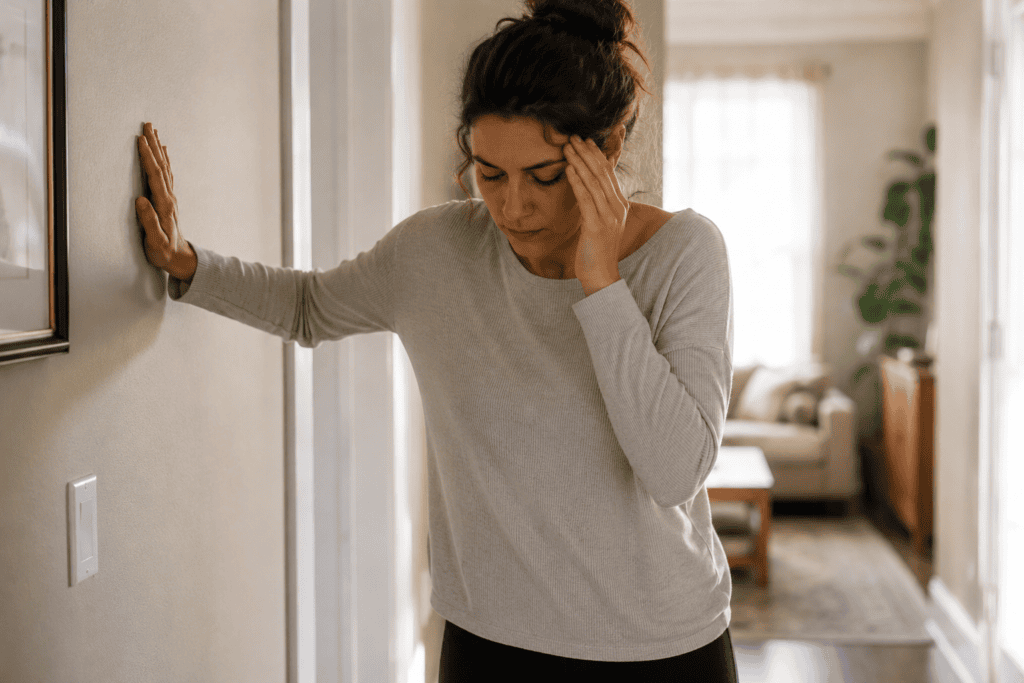
The symptoms vary depending on the specific form, but the common clinical picture includes several patterns.
- Fatigue that does not improve with rest. Many patients describe a level of exhaustion that makes ordinary daily activities feel impossible.
- Dizziness or lightheadedness on standing. The autonomic nervous system normally adjusts blood pressure and heart rate when the body changes position. When it does not, patients experience the room spinning, near-fainting, or actual fainting on standing.
- Heart palpitations or a racing heart. POTS patients in particular experience heart rate increases of 30 beats per minute or more within ten minutes of standing.
- Brain fog and cognitive dysfunction. Difficulty concentrating, word-finding problems, and short-term memory issues are common.
- Exercise intolerance. Activities that were previously routine now produce prolonged symptom flares.
- Temperature dysregulation. Feeling too hot, too cold, or unable to regulate temperature normally.
- Digestive issues. Nausea, bloating, constipation, or delayed gastric emptying.
- Sleep disruption. Difficulty falling asleep, staying asleep, or waking unrefreshed.
- Chronic anxiety or a sense of nervous system activation that does not resolve. This is not psychological anxiety in most cases. It is the physical experience of a nervous system that stays activated even at rest.
Most patients experience some combination of these rather than a single dominant symptom.
How Acupuncture Addresses the Autonomic Nervous System
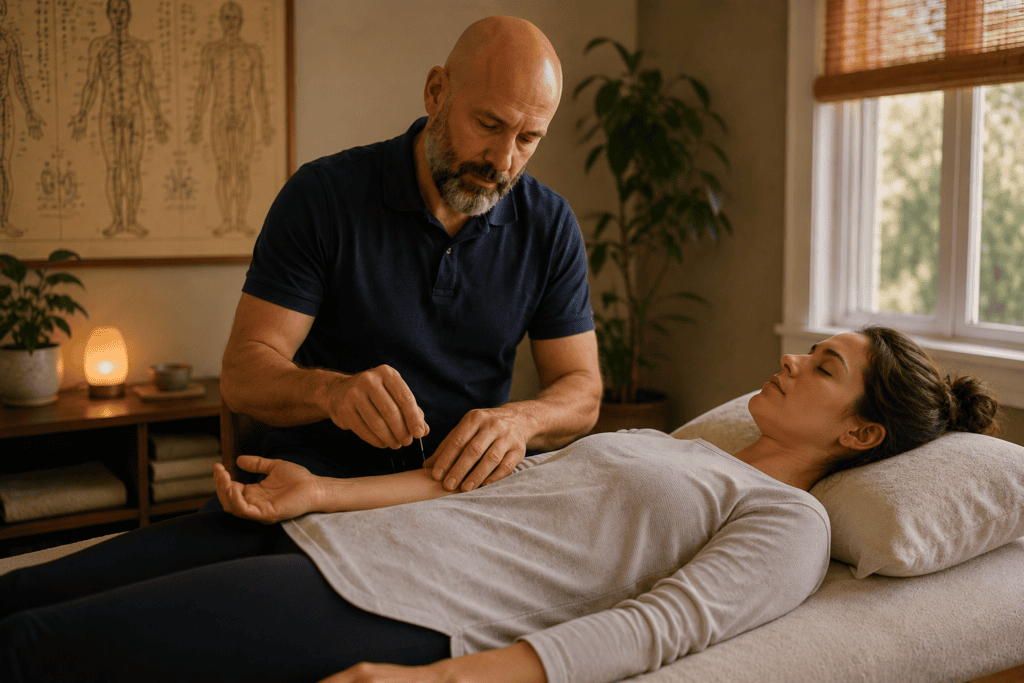
The autonomic nervous system is the exact system that acupuncture affects most directly. The mechanisms are well documented across decades of research.
- Sympathetic downregulation. Acupuncture reduces the fight-or-flight activation that dominates in most dysautonomia patients. This is measurable through heart rate variability, blood pressure response, and cortisol testing.
- Parasympathetic activation. Acupuncture activates the rest-and-digest response that dysautonomia patients often cannot access on their own. The shift is measurable within minutes of needle insertion and can be sustained through the course of treatment.
- Vagal stimulation. The vagus nerve is the primary parasympathetic nerve and one of the most important regulators of autonomic function. Acupuncture directly stimulates the vagus nerve at specific points, which produces effects on heart rate, digestion, inflammation, and the cardiovascular response to stress.
- Improved heart rate variability. This is the variation in time between heartbeats, and it is one of the most reliable measures of autonomic function. Higher heart rate variability indicates better autonomic regulation. Acupuncture has been shown to improve heart rate variability across multiple clinical studies.
- Better cardiovascular response to positional changes. Some studies have shown that acupuncture improves the cardiovascular response to standing, which is directly relevant for POTS and orthostatic hypotension patients.
- Reduction of inflammatory markers. Chronic low-grade inflammation is common in dysautonomia patients and contributes to the symptom picture. Acupuncture reduces inflammatory markers including C-reactive protein and several inflammatory cytokines. The mechanism is covered in more detail in What Does Acupuncture Actually Do to Your Body?.
The broader chronic stress dimension that often complicates dysautonomia is covered in What Is Cortisol and Why Do I Have So Much of It?.
What the Research Shows
The research base for acupuncture and dysautonomia is smaller than for more commonly studied conditions, but what exists is promising.
- A 2021 study published in Neurology examined acupuncture for POTS and found meaningful improvements in orthostatic symptoms, heart rate response, and quality of life measures over a course of treatment.
- The Dysautonomia International research summary describes the autonomic mechanisms that acupuncture affects and how they relate to the clinical picture patients experience.
- Broader research on acupuncture and autonomic function is substantial and directly applicable to dysautonomia. Studies on heart rate variability, vagal tone, and cardiovascular response to stress consistently show that acupuncture produces measurable improvements in the exact systems that dysautonomia disrupts.
- The NCCIH summary on acupuncture describes the research on nervous system effects, which apply directly to the dysautonomia context.
The Long COVID Dimension
The past several years have brought a significant increase in dysautonomia cases connected to Long COVID. The mechanism involves the effects of the SARS-CoV-2 virus on the autonomic nervous system, potentially through inflammation, direct viral effects on nerve tissue, or immune-mediated damage.
Long COVID dysautonomia often presents as POTS-like symptoms with fatigue, exercise intolerance, brain fog, and orthostatic intolerance. The clinical picture is similar to non-COVID dysautonomia, and the treatment considerations are largely similar. Acupuncture addresses the autonomic dysfunction regardless of the underlying cause, which is one of the reasons the treatment can help patients whose condition began with a viral illness.
What to Expect From Treatment

Dysautonomia treatment with acupuncture is not a quick fix. The autonomic nervous system has been dysregulated over time, and restoring function requires sustained work.
Most patients need a course of treatment of at least ten to fifteen sessions over two to three months to see meaningful improvements. The initial sessions may produce fatigue, which is a normal response to autonomic recalibration. The improvements often show up first in secondary patterns (sleep, digestion, mood, energy) before the primary symptoms fully resolve.
The improvements that emerge over the course of treatment are typically graded rather than dramatic. A patient who could stand for five minutes without symptoms may be able to stand for fifteen. A patient whose heart rate spiked to 140 on standing may see the spike drop to 110. A patient whose fatigue prevented them from working may find themselves able to work reduced hours. These are meaningful changes even though they are not complete resolution.
Some patients experience substantial improvement over the course of treatment. Others experience meaningful but partial improvement. A few do not respond well, in which case the practitioner should say so honestly and support the patient in exploring other approaches.
Acupuncture is most effective when integrated with the broader medical care the patient is receiving. Coordination with the physician managing the case, appropriate salt and fluid loading, compression garments, physical therapy protocols, and medications where indicated all remain part of the overall approach. Acupuncture is not a replacement for these but a substantial complement.
When to Consider Acupuncture Treatment
If you have been diagnosed with dysautonomia and are dealing with symptoms that are not fully addressed by your current care, acupuncture is worth considering. The treatment addresses the exact system that produces the symptoms, and the mechanism is well documented.
If you suspect dysautonomia but have not received a diagnosis, working with a physician who specializes in autonomic disorders is the right first step. Neurologists, cardiologists specializing in autonomic conditions, and Long COVID clinics all have the diagnostic tools to confirm or rule out dysautonomia. Once diagnosed, acupuncture fits well alongside conventional care.
The broader nervous system and stress patterns that often complicate dysautonomia are covered in Anxiety, Stress, and Depression.
The full picture of what the practice offers is in Acupuncture, Cupping & Lifestyle Coaching.
Reach out to Above and Beyond Acupuncture on North Frank Lloyd Wright Boulevard in Scottsdale to schedule a consultation.
Schedule an appointment online or call us today to start your journey to relief.