Key Takeaways
- Shingles involves the reactivation of the varicella-zoster virus, presenting with a painful rash and possibly leading to postherpetic neuralgia.
- Mild cases may respond well to holistic treatments, while moderate to severe cases benefit from antiviral medications combined with holistic support.
- Nutrition plays a crucial role: prioritize protein, L-lysine, and anti-inflammatory foods to support healing during outbreaks.
- Topical applications like colloidal oatmeal baths, cool compresses, and aloe vera can alleviate symptoms during a shingles outbreak.
- Managing stress, ensuring good sleep, and balancing rest with gentle movement are essential for holistic recovery from shingles.
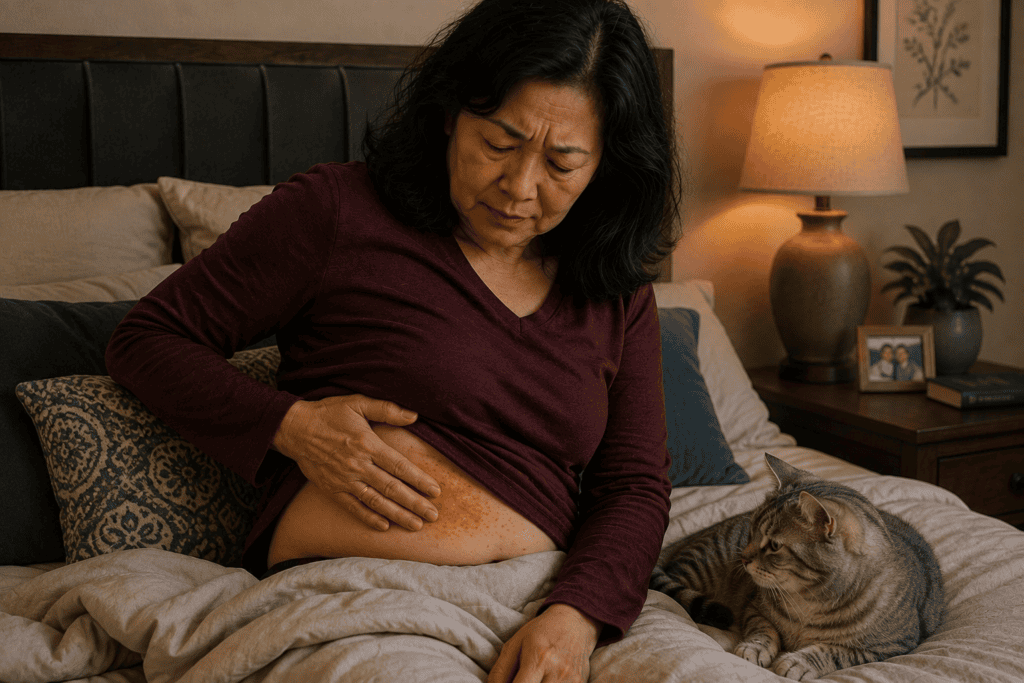
The tingling starts first. A strange sensitivity along one side of the body, sometimes with burning or a deep ache, that does not match any injury you can remember. A few days later the rash appears. Red patches on one side of the body that develop into blisters and follow the path of a nerve. Shingles has arrived.
For roughly one in three Americans over their lifetime, this experience happens at some point in life. The severity varies widely. Some patients have mild cases with limited rash and manageable discomfort. Others have severe cases with widespread rash, intense pain, and complications that require immediate medical care. What most patients want to know is what they can actually do about it, and how much of the response can come from holistic approaches versus conventional treatment.
The honest answer depends on the specific case. Mild presentations may respond well to holistic support alone. More severe cases benefit from antiviral medications when started within the effective window. And across all severities, holistic approaches support the healing process, reduce the risk of complications, and address the underlying patterns that allowed the virus to reactivate in the first place.
Here is what shingles actually involves, how to think about your treatment options honestly, and the specific holistic approaches that support recovery. For readers interested in the specific acupuncture treatment picture, Can Acupuncture Treat Shingles? covers the Traditional Chinese Medicine perspective in more depth.
What Is Shingles?
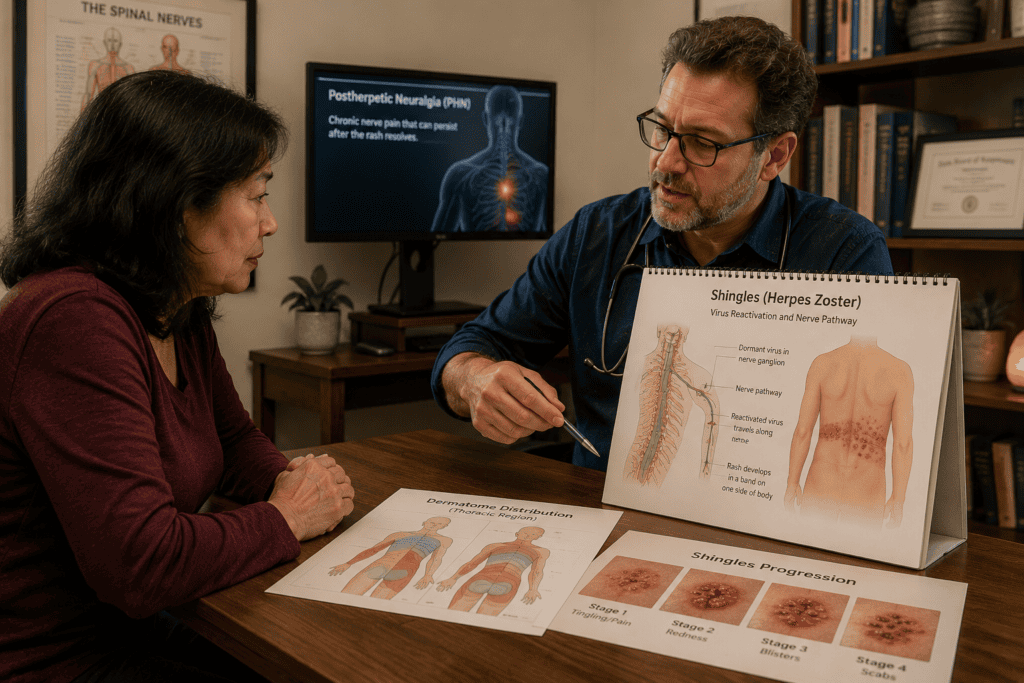
Shingles is the reactivation of the varicella-zoster virus, the same virus responsible for chickenpox. After a chickenpox infection, the virus retreats to nerve tissue where it remains dormant, sometimes for decades. When the immune system weakens or the body is under significant stress, the virus can reactivate and travel back along the nerve pathway to the skin.
The characteristic presentation is a painful rash that appears on one side of the body along a specific nerve distribution. The rash typically develops in stages including tingling or burning that precedes the visible rash, red patches that appear on the skin, blisters that form and eventually break open, and scabbing that resolves over two to four weeks.
Beyond the acute rash, the greater concern for many patients is postherpetic neuralgia. This is chronic nerve pain that can persist for months or years after the rash resolves. Roughly 10 to 18 percent of shingles patients develop postherpetic neuralgia, and the risk increases substantially with age.
The Mayo Clinic overview of shingles and the CDC information page provide the medical picture of the condition.
How Can I Properly Assess My Shingles Case?
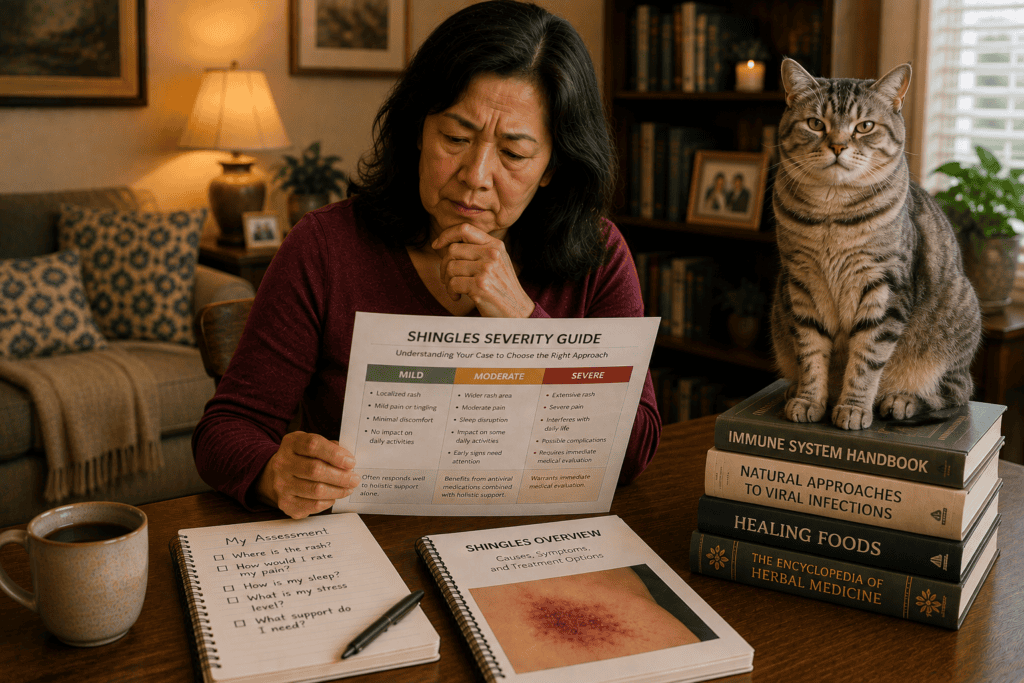
Not every case of shingles requires the same response. Understanding where your specific case fits shapes the appropriate approach.
- Mild presentations involve limited rash, manageable pain, no complications, and healthy immune function. These cases may respond well to holistic support alone. Rest, nutrition, stress management, topical approaches, and acupuncture support the natural healing process.
- Moderate presentations involve more extensive rash, more significant pain, or higher risk factors such as age over 60 or existing health conditions. These cases often benefit from antiviral medications combined with holistic support. Antivirals are most effective when started within 72 hours of the rash appearing.
- Severe presentations involve widespread rash, severe pain, systemic symptoms, or high-risk features. These cases warrant immediate medical evaluation and typically require conventional treatment alongside supportive holistic care.
- Cases requiring immediate medical care include shingles near or affecting the eyes (potential for serious eye involvement including permanent vision changes), shingles on the face involving the nose or forehead area, immunocompromised patients including those on immunosuppressive medications or with immune conditions, disseminated shingles affecting large areas of the body, and signs of secondary bacterial infection.
Choosing among these paths depends on the specific presentation, individual health factors, and personal preferences. Patients who prefer holistic approaches have legitimate options for mild cases. Patients with more severe or high-risk presentations benefit from integrated care.
What Type Of Nutrition Is Best To Alleviate Shingles?

What you eat during a shingles outbreak affects healing and symptom management.
- Prioritize protein. Adequate protein supports immune function and tissue healing. Aim for a source of quality protein with each meal.
- L-lysine. L-lysine is an amino acid that has been shown to interfere with herpes virus replication. Foods high in L-lysine include fish, chicken, beef, legumes, and dairy products. Some patients also take L-lysine as a supplement during outbreaks, typically 1,000 to 3,000 mg per day. Talk with your physician before starting supplements.
- Limit arginine-rich foods during outbreaks. Arginine can promote viral replication. Foods high in arginine include chocolate, nuts, seeds, and certain grains. Limiting these during an active outbreak may support recovery.
- Anti-inflammatory eating. Whole foods, adequate omega-3 fats, vegetables and fruits, and reduced processed foods support the healing process. The chronic inflammation patterns that affect immune function can be addressed through dietary changes.
- Vitamin C and zinc. Both support immune function. Citrus, berries, bell peppers for vitamin C. Oysters, meat, pumpkin seeds for zinc.
- Hydration. Adequate water supports healing and helps flush toxins. Aim for consistent hydration throughout the day.
- Warm nourishing foods. In Chinese medicine, warm nourishing foods are easier for the body to process during illness. Bone broths, warming soups, and cooked vegetables support the body in ways that raw or cold foods do not during recovery.
What Are Some Topical Applications For Shingles?
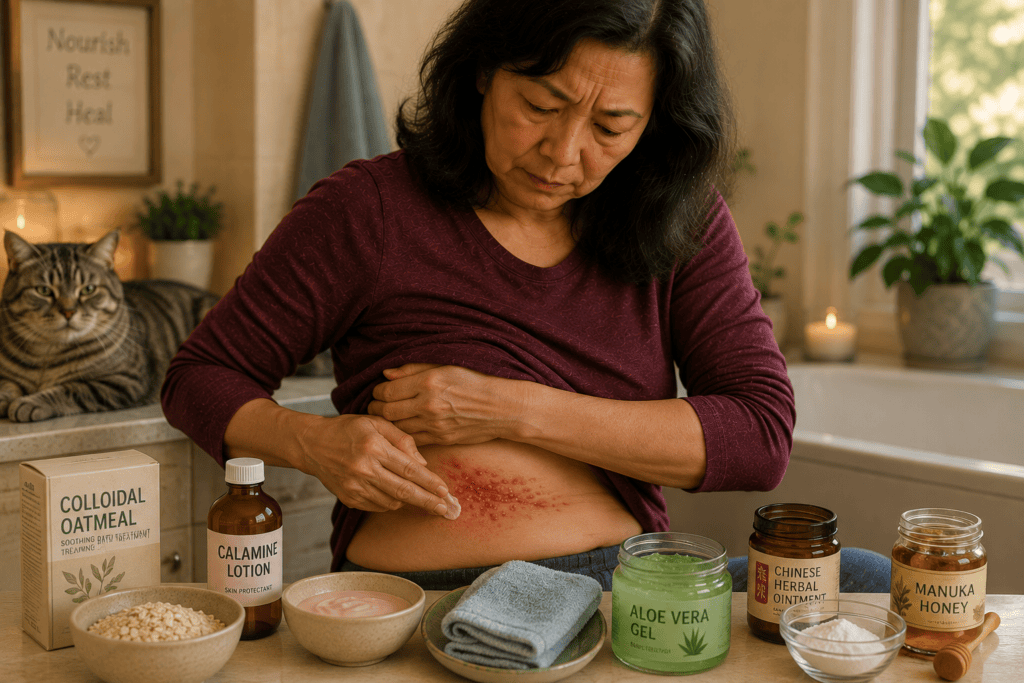
Several topical approaches provide meaningful symptomatic relief during a shingles outbreak.
- Colloidal oatmeal baths. Adding colloidal oatmeal to a cool bath soothes the rash and reduces itching. Products are available at pharmacies or you can grind regular oats into a fine powder.
- Cool compresses. Applying cool wet cloths to the affected area for 20 minutes several times a day provides relief and helps dry the blisters.
- Calamine lotion. Traditional and effective for reducing itching and drying the rash.
- Aloe vera. Fresh aloe vera gel from the plant or high-quality pure aloe products soothe the rash and support healing.
- Chinese medicinal preparations. Traditional preparations including specific ointments used in Chinese medicine can support the healing of the rash. These are best used under the guidance of a licensed practitioner.
- Baking soda paste. A paste of baking soda and water applied to the rash reduces itching for some patients.
- Manuka honey. Manuka honey has antimicrobial properties and can support healing when applied to the affected area, particularly for patients dealing with signs of secondary infection.
Avoid picking at or scratching the blisters. This can lead to secondary infection and scarring.
How Important Is It To Manage My Stress During a Shingles Outbreak?

Stress is not a minor factor in shingles. Chronic stress is one of the primary triggers for viral reactivation because sustained cortisol elevation suppresses immune function.
Managing stress during an active outbreak supports the immune response that is fighting the virus. Managing stress after recovery reduces the risk of future outbreaks.
- Direct nervous system practices. Daily practices including meditation, breath work, prayer, or other contemplative practices support the parasympathetic nervous system.
- Time in nature. Even brief exposure to natural settings reduces cortisol and supports immune function.
- Boundaries. Reducing the specific stressors within your control supports recovery.
- Rest without guilt. The body needs energy for immune function. Pushing through an outbreak without adequate rest impairs healing.
- Community and connection. Isolation worsens stress. Time with people who care about you supports the nervous system.
The chronic cortisol elevation from ongoing stress is directly relevant to shingles both for reactivation risk and recovery.
How Does Sleep Impact Immune Function For Shingles?

Sleep is when the immune system does most of its work. During a shingles outbreak, protecting sleep is essential.
- Prioritize sleep quantity. Adults typically need seven to nine hours. During an outbreak, more may be beneficial.
- Sleep hygiene. Consistent sleep and wake times, cool dark bedroom, no screens before bed, and appropriate wind-down time support sleep quality.
- Manage the pain that disrupts sleep. Position changes, appropriate topical approaches, and pain management support uninterrupted sleep.
- Address anxiety and rumination. The anxiety that shingles produces can interfere with sleep. Direct nervous system practices before bed help.
How Can I Balance Rest and Movement While Having Shingles?

The right balance of rest and movement during a shingles outbreak supports recovery.
- Rest during acute phase. The body needs energy for immune function during the acute phase. Reduce activity, sleep more, and let recovery take priority over productivity.
- Gentle movement. Once past the acute phase, gentle movement including walking supports circulation and immune function.
- Avoid pushing through. The instinct to maintain normal activity often extends the healing process.
- Return gradually. Return to normal activity levels as the rash resolves and energy returns. Rushing back too quickly can extend the recovery.
How Can I Better Support My Immune System During A Shingles Outbreak?

Beyond the specific outbreak, addressing the underlying immune patterns supports recovery and reduces future reactivation risk.
- Address chronic stress patterns. The stress patterns that allowed reactivation continue to affect immune function.
- Support gut health. A substantial portion of immune function is regulated through the gut. Probiotic foods, adequate fiber, and reducing gut disruptors support immune function.
- Address underlying health conditions. Blood sugar dysregulation, autoimmune conditions, and other chronic conditions affect immune function.
- Sleep as ongoing practice. Not just during outbreaks. Chronic sleep insufficiency is one of the most common contributors to immune suppression.
- Movement as ongoing practice. Regular movement supports immune function long-term.
The broader picture of chronic immune patterns is addressed in Why Do I Keep Getting Sick?.
Can I Use Acupuncture As A Substantial Treatment Method For Shingles?
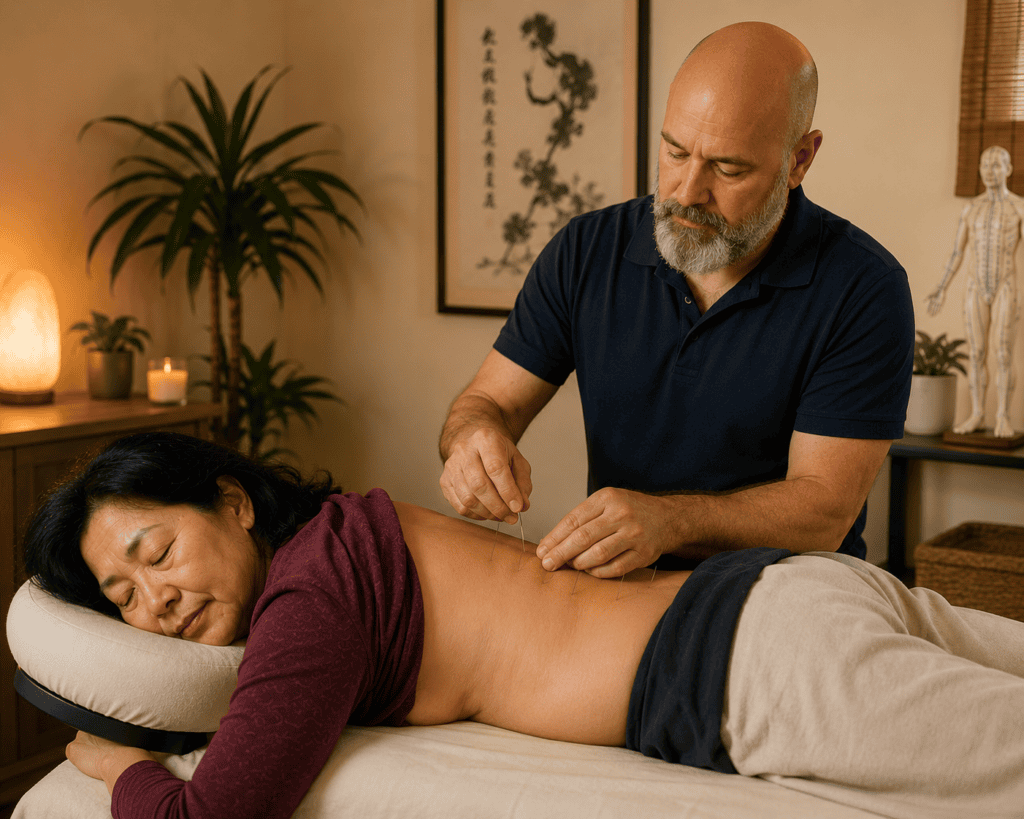
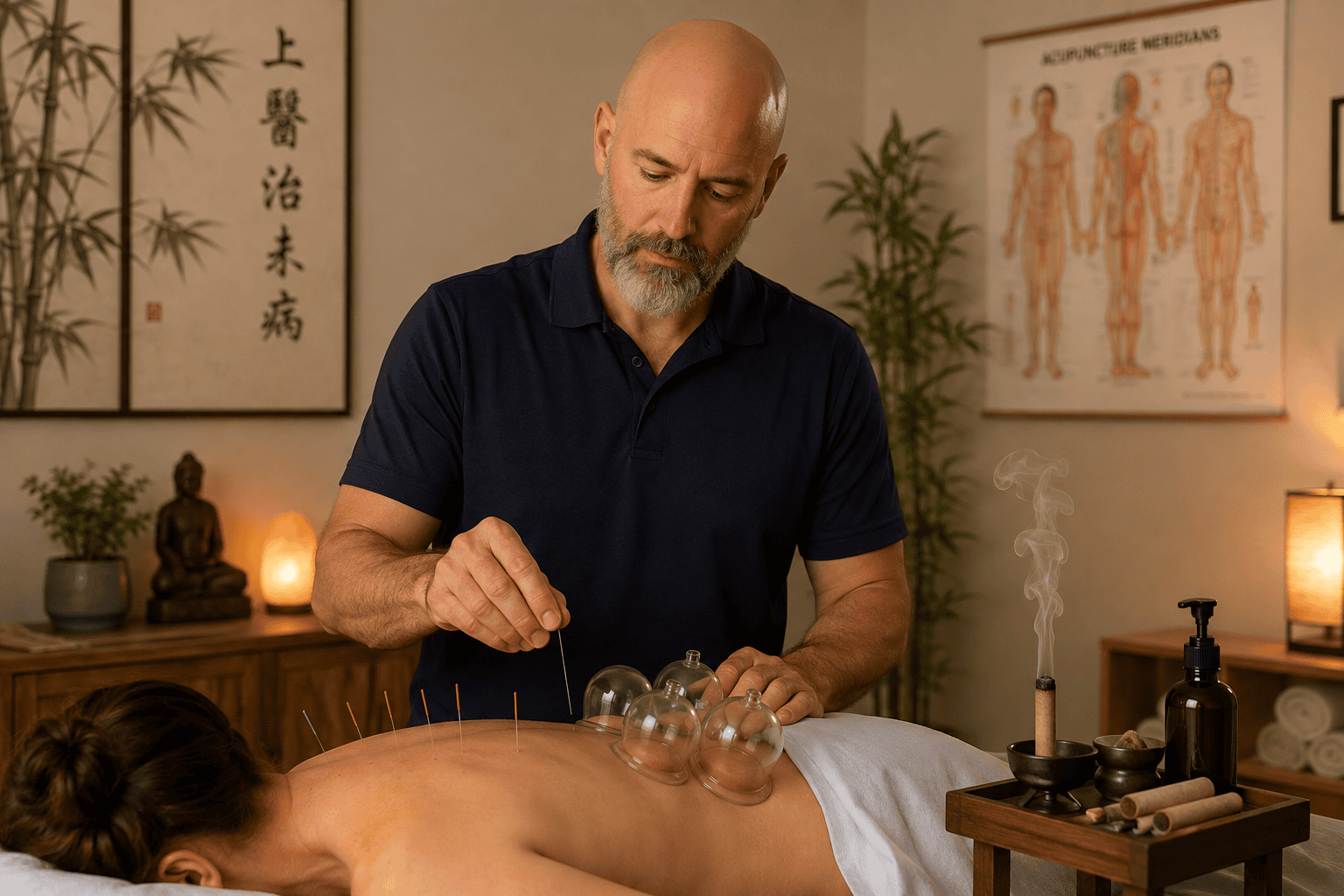
Acupuncture is one of the strongest holistic interventions available for shingles. The treatment addresses acute shingles pain, supports the immune response fighting the virus, and provides substantial support for postherpetic neuralgia when it develops.
Multiple studies have found acupuncture effective for both the acute pain of shingles and the chronic pain of postherpetic neuralgia. For patients whose shingles has progressed to postherpetic neuralgia, acupuncture is one of the most substantial interventions available, often producing meaningful relief when medications have not.
For the specific clinical picture of how acupuncture treats shingles at each stage, Can Acupuncture Treat Shingles? covers the professional treatment path in depth.
How Does Chinese Medicine View Shingles?
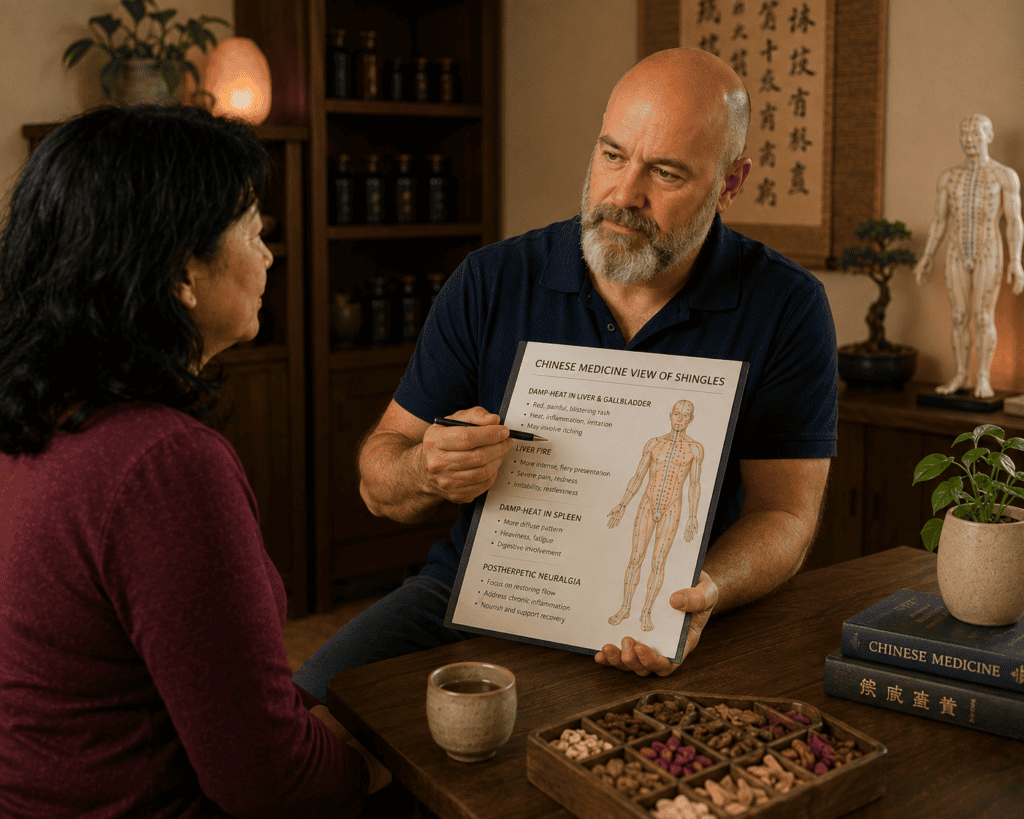
Traditional Chinese Medicine has treated shingles for centuries through several distinct patterns. The most common pattern is Damp-Heat in the Liver and Gallbladder channels, which produces the red painful blistering rash that shingles patients experience. Liver Fire produces a more intense presentation. Damp-Heat in the Spleen produces a more diffuse pattern.
For postherpetic neuralgia, the picture shifts. The acute Damp-Heat has resolved but the channels remain blocked and inflamed. Treatment focuses on restoring proper flow through the affected nerve pathway and addressing the chronic inflammation producing the persistent pain.
The Chinese medicine view offers something the Western picture does not. It addresses not just the virus itself but the terrain that allowed reactivation. Kidney depletion. Constitutional weakness. The specific patterns of Damp-Heat or Fire that reflect the individual’s internal balance.
How Can I Prevent Shingles?

Reducing the risk of shingles and reducing the severity when it occurs comes down to supporting the immune function that keeps the virus dormant.
- Chronic stress management. The single most impactful preventive practice for most patients.
- Adequate sleep as ongoing practice. Not occasional catch-up sleep but consistent quality sleep.
- Anti-inflammatory nutrition. Ongoing dietary patterns affect immune function long-term.
- Regular movement. Supports immune function and stress resilience.
- Address chronic health conditions. Blood sugar, autoimmune patterns, and other conditions affect immune function.
When Should I Seek Medical Evaluation For Shingles?
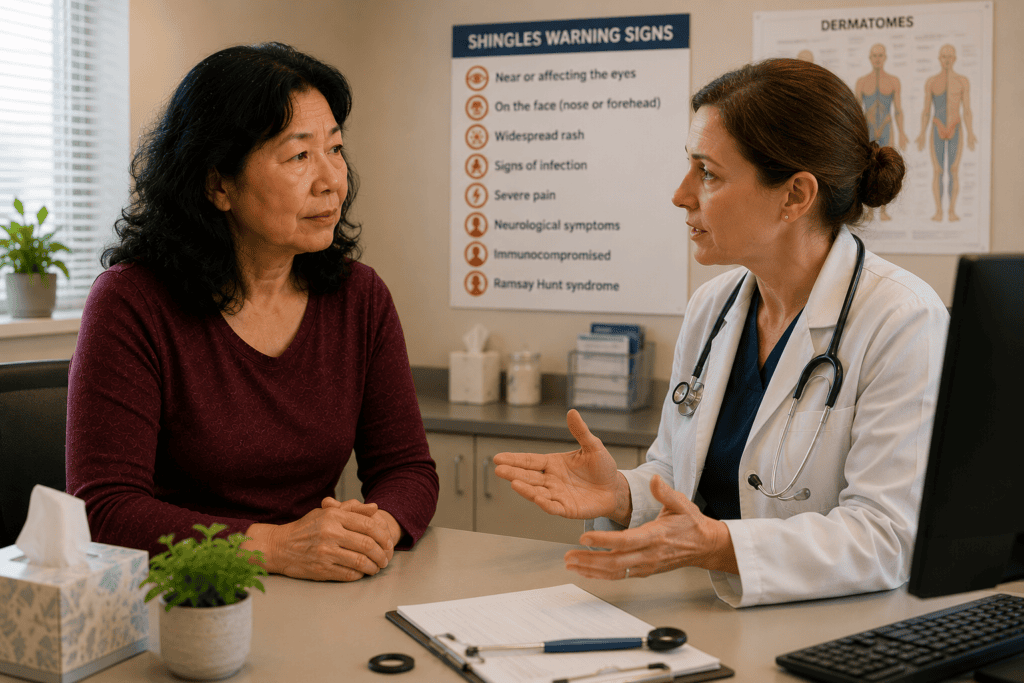
Certain symptoms warrant immediate medical evaluation regardless of your general preference for holistic approaches.
- Shingles near or affecting the eyes.
- Shingles on the face involving the nose or forehead.
- Widespread or disseminated rash affecting large areas.
- Signs of secondary bacterial infection including increasing redness, warmth, pus, or fever.
- Severe pain not managed by any approach.
- Neurological symptoms including weakness, confusion, or difficulty with balance.
- Immunocompromised patients dealing with shingles.
- Signs of Ramsay Hunt syndrome including facial paralysis, hearing changes, or ear pain.
For patients dealing with an active shingles outbreak or the postherpetic neuralgia that can follow, Can Acupuncture Treat Shingles? goes into detail about how acupuncture treatments provide holistic relief.
Emotional upheaval and instability contributes to anxiety, stress, and depression that affects many patients dealing with immune-related conditions such as shingles.
Above and Beyond Acupuncture offers acupuncture, cupping, and lifestyle coaching at the North Frank Lloyd Wright Boulevard location in Scottsdale.
Schedule an appointment online or call us today to start your healing journey.
About the Publisher
Paul Kerzner, L.Ac., is a licensed acupuncturist and board-certified herbalist, as well as the founder of Above and Beyond Acupuncture in Scottsdale. His own journey from chronic patient to practicing acupuncturist shapes his commitment to providing honest, clinically grounded information about acupuncture and Traditional Chinese Medicine. Learn more about Paul and his clinical approach on the About Us page.