Key Takeaways
- Tinnitus is a challenging condition to treat; acupressure can alleviate symptoms for specific types linked to stress or tension.
- Nine acupressure points can help manage tinnitus by improving circulation and addressing underlying patterns.
- Regular daily practice is crucial for effectiveness and is more beneficial than occasional sessions.
- Incorporate lifestyle changes, like reducing noise and managing stress, to improve results.
- Consult a healthcare professional if you experience sudden tinnitus or related symptoms to rule out potential underlying issues.
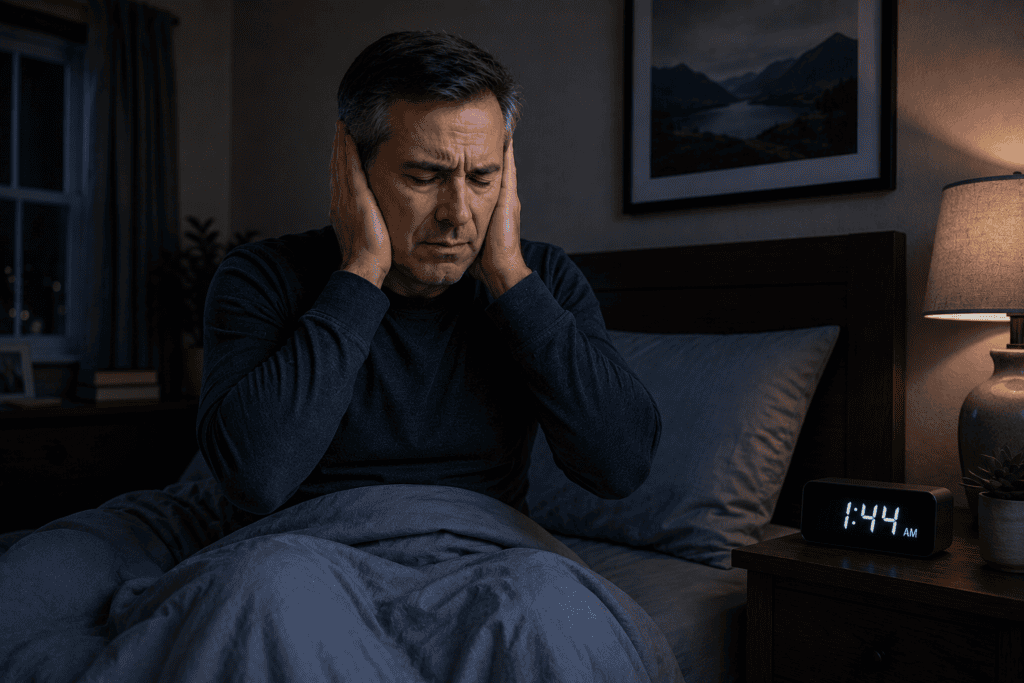
Tinnitus is characterized by ringing, buzzing, or hissing sounds in the ears that others cannot hear, making it challenging to treat. While acupressure isn’t a guaranteed remedy and its effectiveness varies by person, it tends to work better for certain types, especially those linked to stress, neck and jaw tension, or fatigue. For those currently experiencing tinnitus, regular acupressure might help lessen the ringing and calm the nervous system, potentially alleviating the condition. If this resonates with you, the points below are definitely worth exploring.
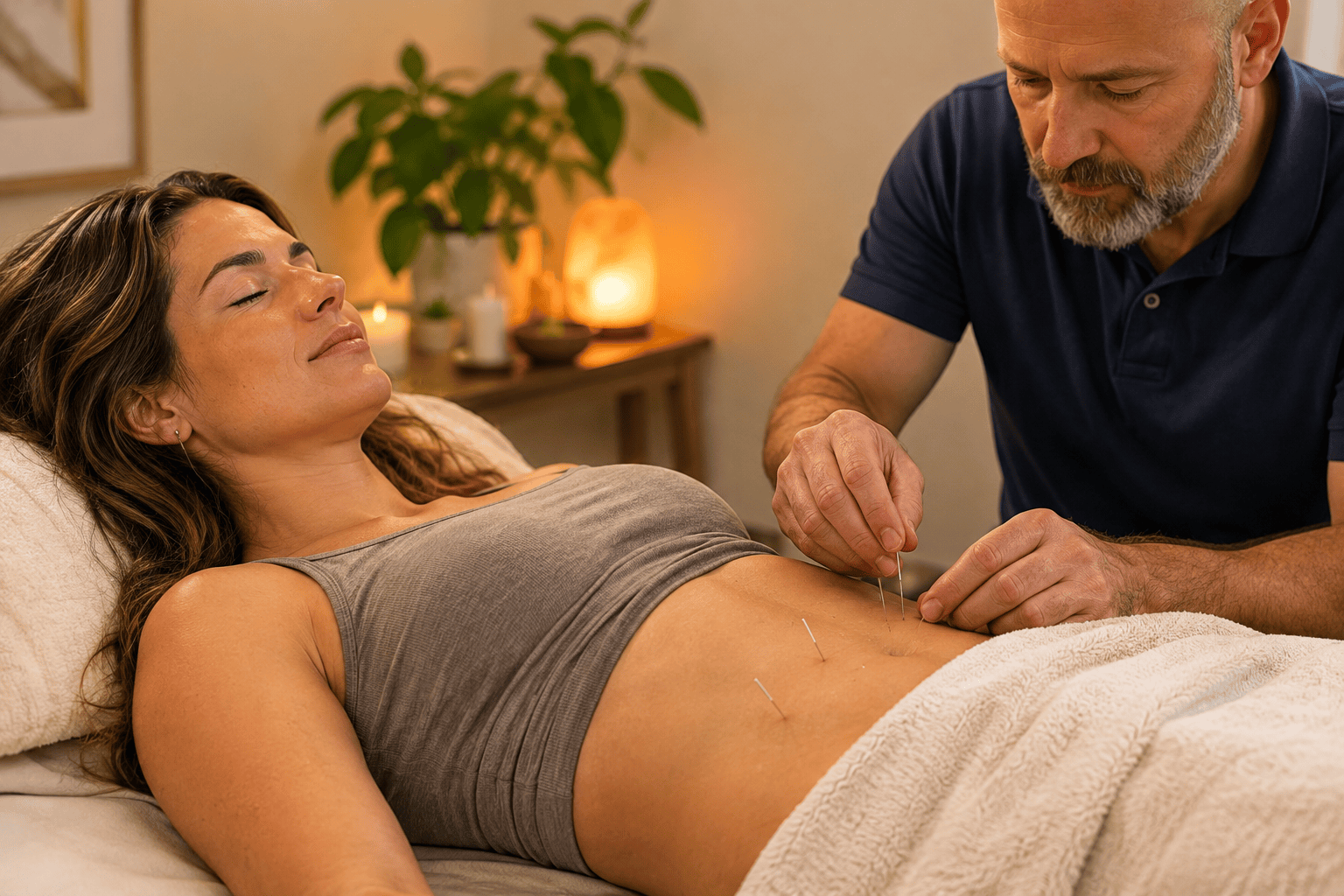
Traditional Chinese Medicine has long addressed ear problems by recognizing two common patterns behind tinnitus. One is a sudden, loud ringing associated with stress, irritability, and tension, known as the Liver-fire type. The other is a gradually worsening, higher-pitched ringing that occurs with age and fatigue and intensifies when you’re exhausted, called the Kidney-deficiency type, reflecting the belief that the Kidneys govern the ears in this system. The methods discussed here target both patterns by directly stimulating the ears and addressing their root causes. For more detail on how acupuncture can treat this condition, see “Can Acupuncture Treat Tinnitus?“
Here are nine acupressure points for the ears, including their locations and how to use them:
What Acupressure Points to Press and Why
1. SI19 (Tinggong)
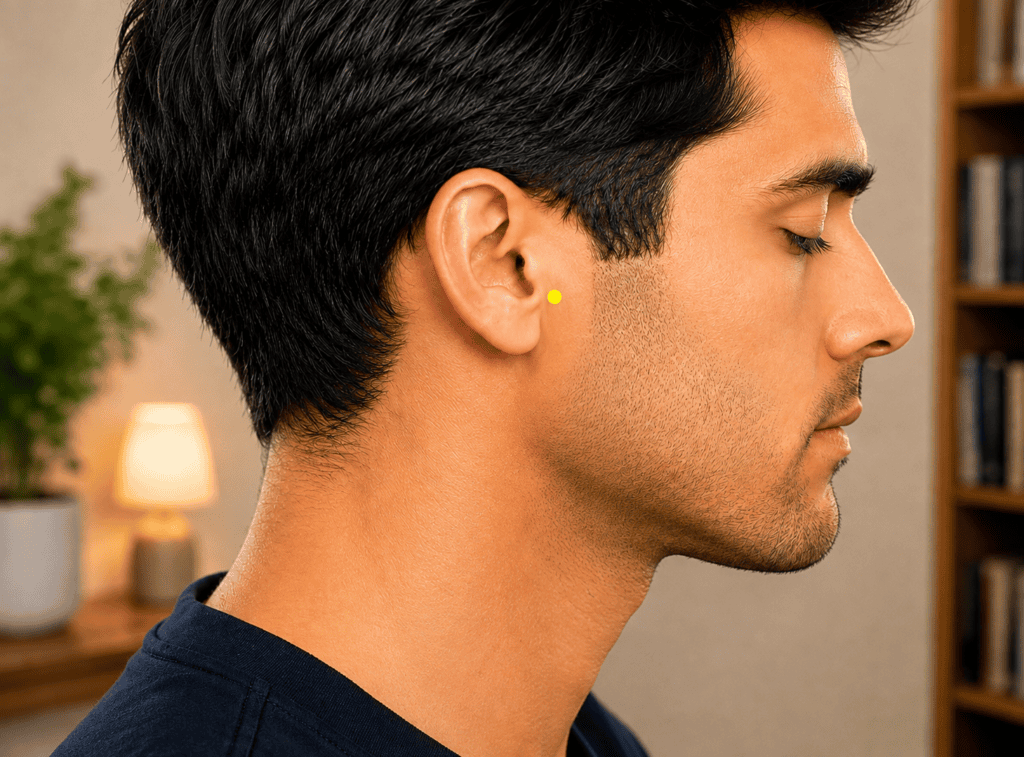
Gently open your mouth and find the depression in front of the ear, aligned with the middle of the jaw opening where it connects to the skull. This hollow is SI19. Keep your mouth slightly open, press your index finger into it, and hold for one to two minutes on each side. SI19 is the primary point for hearing and the first to target for ear problems, including tinnitus. It is located directly over the ear structures, and stimulating it boosts local circulation and nerve activity related to hearing. In Chinese medicine, it’s the meeting point for several channels that reach the ear, which is why many tinnitus treatment protocols begin here. If you can only press one local point, choose this one.
2. SJ21 (Ermen)
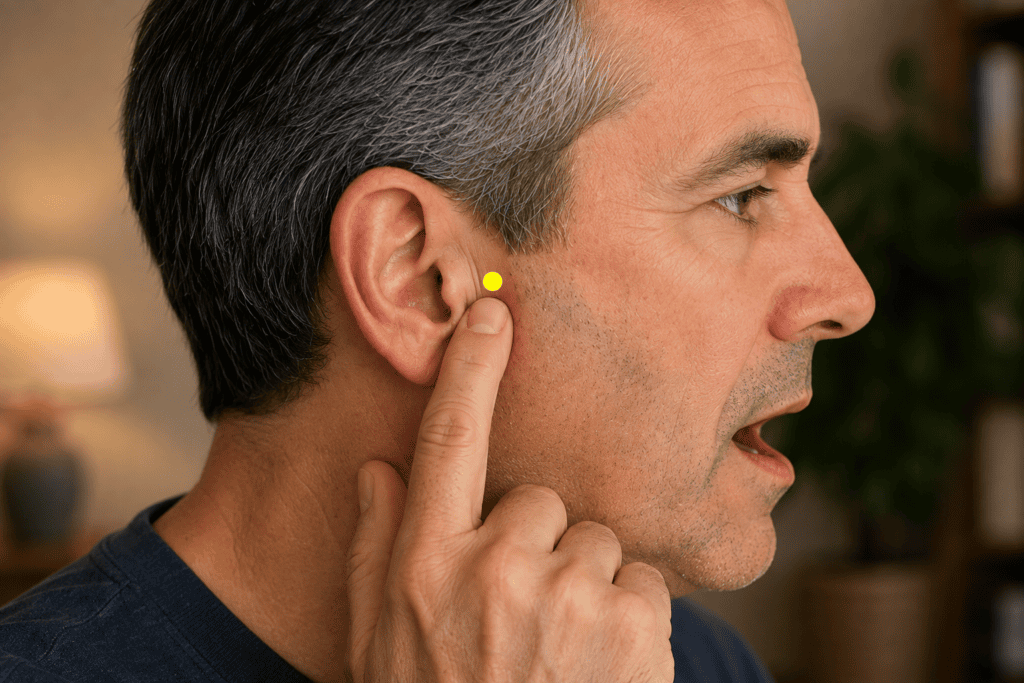
Just above SI19, in the depression before the upper ear area where the small cartilage flap is located, is SJ21, known as the “ear gate.” Find it similarly, with your mouth slightly open to deepen the hollow beneath your fingertip. Press on this point for one to two minutes on each side. The name is literal: this point acts as a gateway into the ear, aiding in alleviating issues like ringing, blockage, and the muffled or plugged sensation often linked with tinnitus. It works best when combined with the vertical line of three points in front of the ear, especially when pressed together with SI19 to target the upper and middle parts of that line.
3. GB2 (Tinghui)
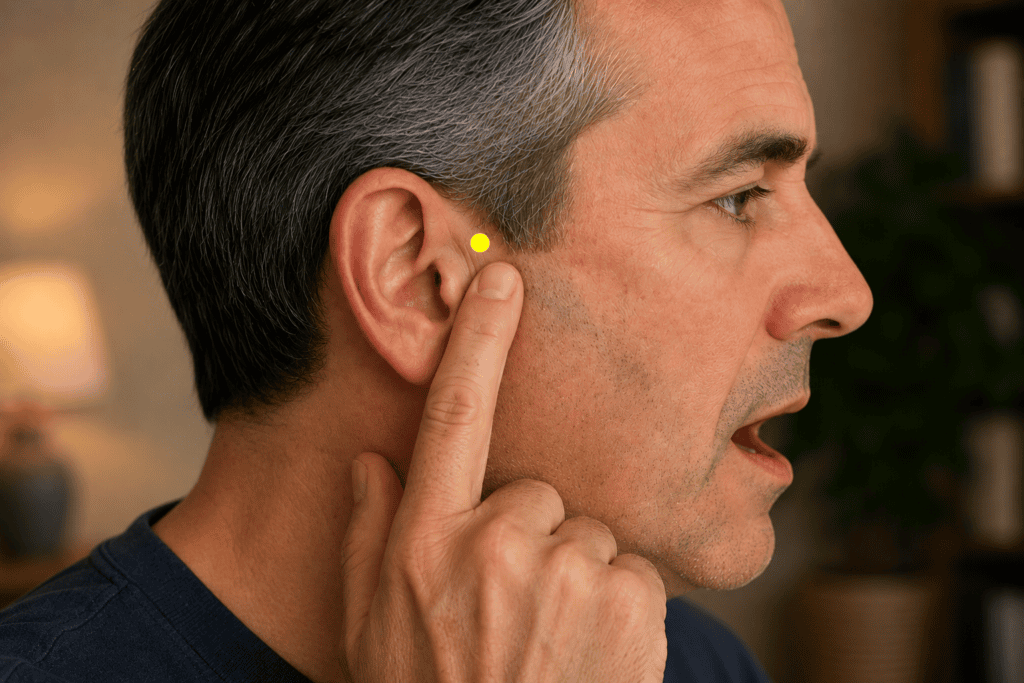
Find the point just below SI19, where the depression in front of the ear deepens most when you open your mouth, near the notch where the jaw hinges. This is GB2, called the “meeting of hearing”, completing the three front-ear points. Gently press this point for one to two minutes on each side with your mouth slightly open. GB2 is especially helpful for tinnitus, hearing loss, and ear pain, and since it is the lowest of the three front-ear points, it addresses this area differently than the two points above. When combined with SJ21 at the top and SI19 in the middle, these three form the core of any tinnitus treatment. Trace the short vertical line and sequentially press each point.
4. SJ17 (Yifeng)
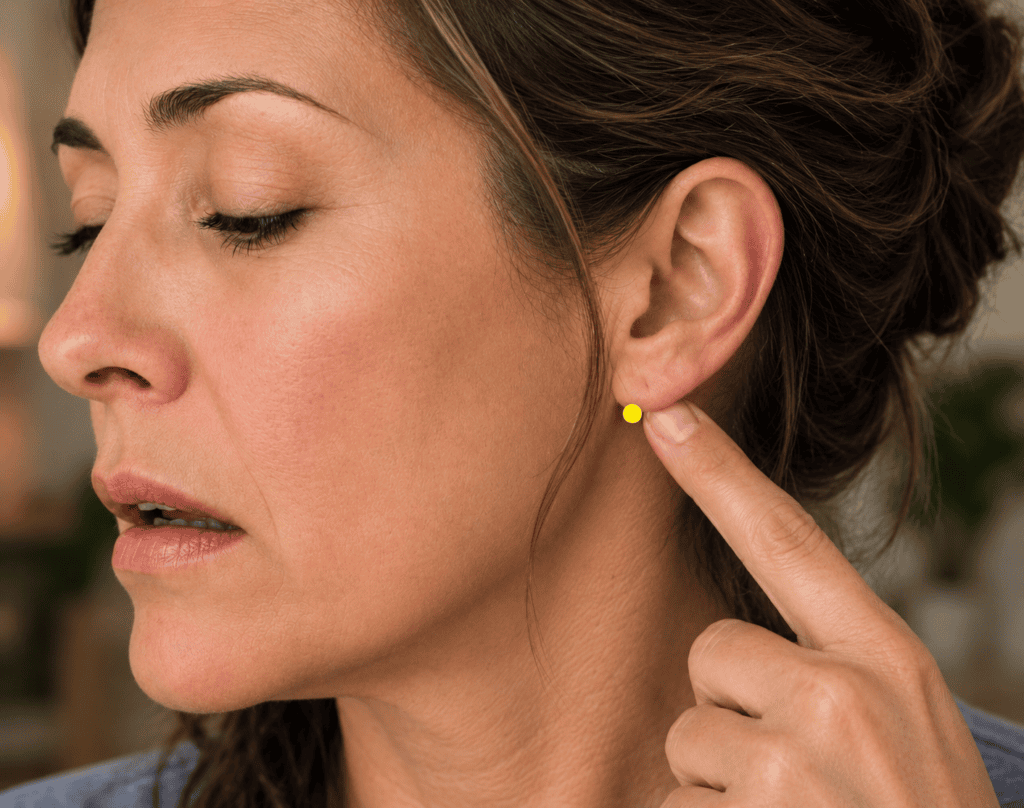
Move behind the ear now. Find SJ17 in the hollow behind the earlobe, within the soft depression between the back of the jaw and the skull bump. Gently press inward and tilt slightly toward the front of the opposite eye, holding for one to two minutes on each side. Keep in mind that this point can be quite tender, so use firm but not sharp pressure. SJ17 is essential for ear health, particularly for tinnitus, ear fullness, and pressure behind the ear. Its location provides access to the deeper structures behind the ear that front-of-ear points can’t reach, which is why local protocols often pair this point with those in the front.
5. Yiming (EX-HN14)
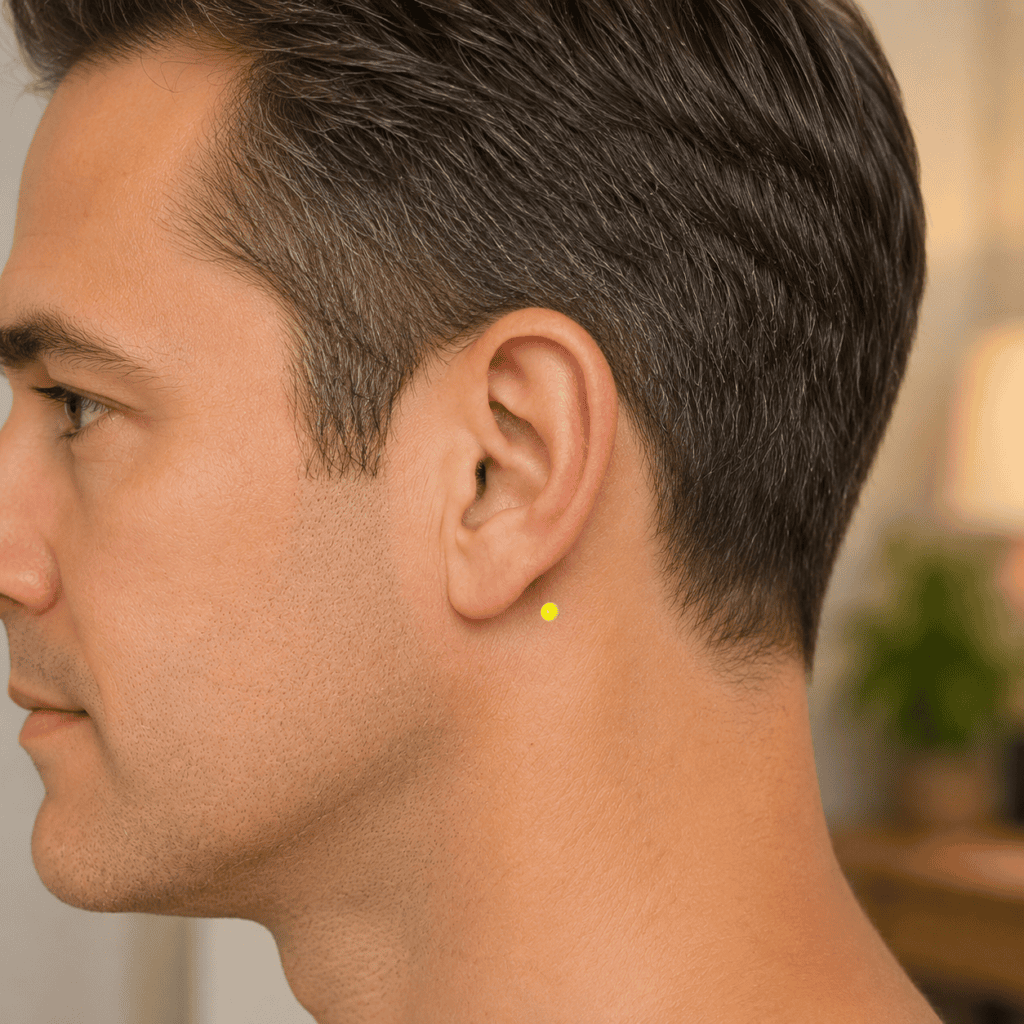
Position yourself behind the ear and locate Yiming, an extra point about one thumb-width back from SJ17, aligned with the earlobe on the bony area behind the ear. This point has a long history of personal use and is not part of the main channels. Apply pressure for one to two minutes on each side. While traditionally an eye point, Yiming effectively addresses tinnitus and its related dizziness. It also provides a calming and grounding effect to soothe an agitated system. Situated close to SJ17, Yiming complements it well, making it easy to treat both points in the same behind-the-ear session: start with SJ17, then move to Yiming just behind it.
6. GB20 (Fengchi)
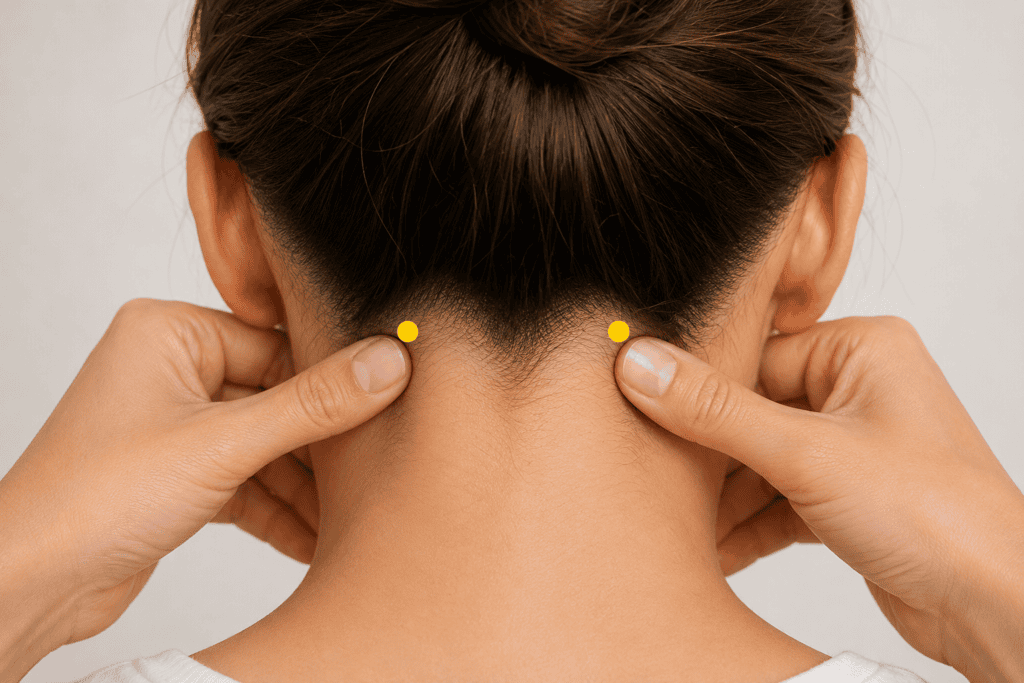
Identify the two hollows at the base of the skull, on each side of the spine, where neck muscles attach beneath the bony ridge. Using your thumbs, press into these dips and move upward and inward, toward the opposite eye, for one to two minutes. GB20 is not located on the ear but is included in a tinnitus routine because it alleviates neck tension that can contribute to ringing. It also helps eliminate wind, a Chinese medicine concept associated with fluctuating tinnitus triggered by weather or stress. For individuals whose tinnitus worsens due to neck and shoulder tightness, stress, or hunched posture while working at a screen, releasing GB20 can be as effective as stimulating nearby ear points. Additionally, it promotes improved circulation to the head and ears.
7. SJ3 (Zhongzhu)
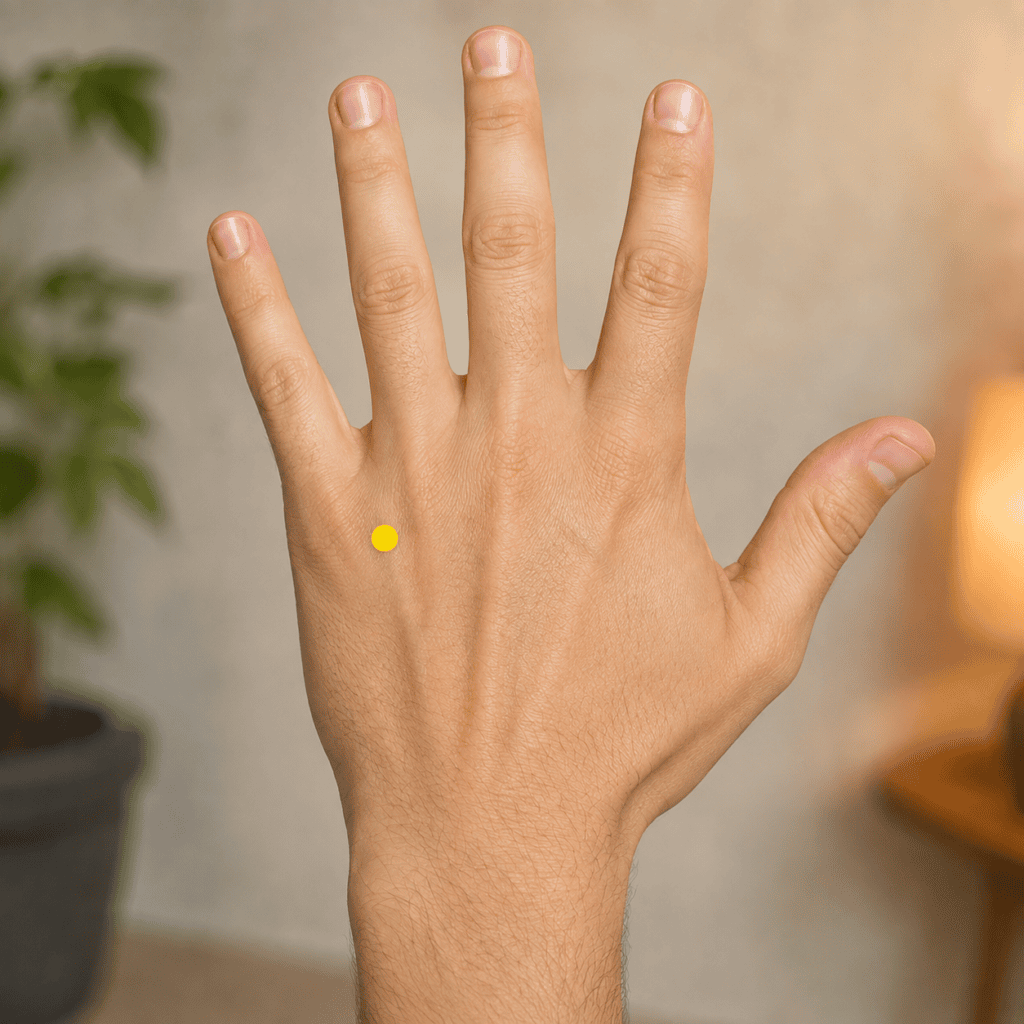
Shift your focus to the back of your hand. Between the bones of the little finger and ring finger, just behind the knuckles, there’s a sensitive spot that becomes more prominent when you make a loose fist. This is SJ3. Use your opposite thumb to press into this area for one to two minutes on each hand. This point signifies the end of the routine and is on the same channel that runs up the arm, around the ear, and to the side of the head. In Chinese medicine, points far from a problem area can still influence the related channel, and SJ3 is a key point on the ear’s channel, with its position at the far end helping to address ringing. It can also assist with stiff neck and shoulder tension that often accompany tinnitus, which is why it pairs well with GB20.
8. KI3 (Taixi)
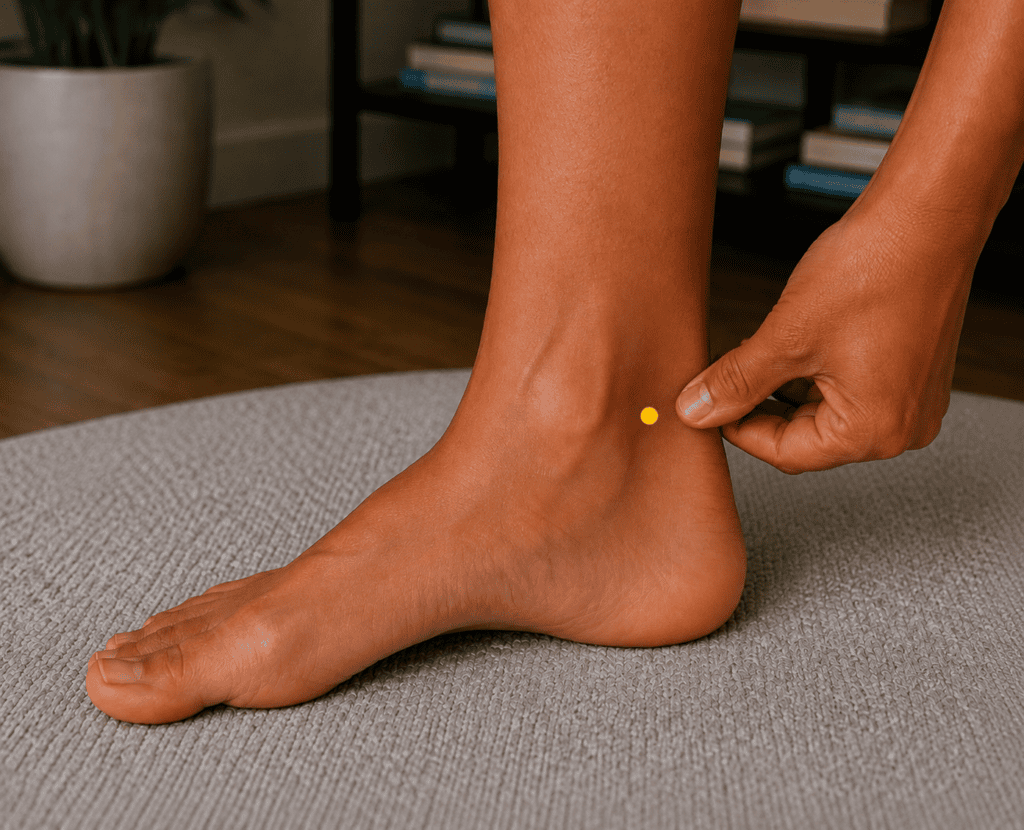
Find the hollow on the inner ankle about midway between the tip of the ankle bone and the Achilles tendon at the back. Press firmly with your thumb for two to three minutes on each side. KI3 is a major point on the Kidney channel, targeting the root cause of tinnitus. In Chinese medicine, the Kidneys are thought to control the ears, and the slow, high-pitched ringing common with age, fatigue, or depletion reflects the Kidney’s energy running low. KI3 is the primary point for this issue. If your tinnitus is quiet, consistent, high-pitched, and worsens with tiredness, stress, or exhaustion, use this point daily. It helps rebuild the deep kidney reserves that support ear health, rather than simply covering up the sound.
9. LR3 (Taichong)
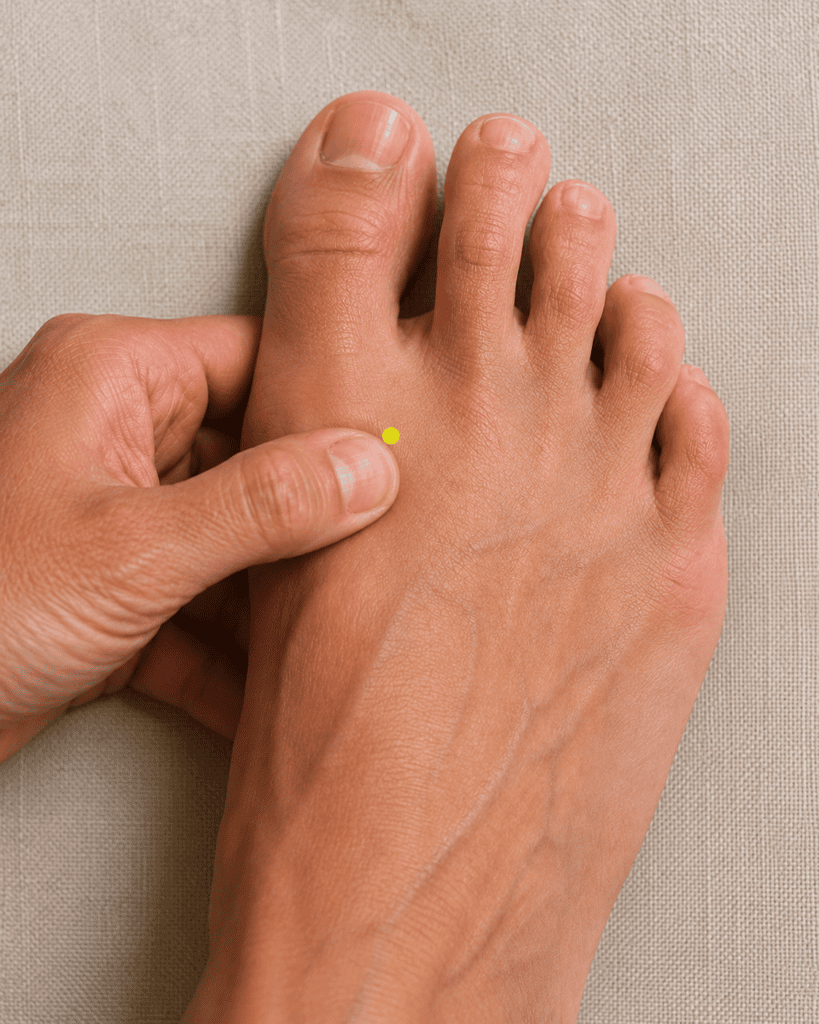
Begin at the top of the foot, sliding your finger from the webbing between the big toe and second toe upward until you find the hollow where these two bones meet, about one and a half finger-widths above the web. Press firmly for one to two minutes on each foot. LR3 is a crucial point for a secondary pattern of tinnitus, characterized by a loud, sudden, and persistent ringing often linked to stress, irritability, and a clenched jaw. In Chinese medicine, this is seen as Liver energy rising to the head and ears. Stimulating LR3 helps release trapped Liver Qi and directs the rising energy downward, easing the ringing that worsens with anger, tension, or upset. This point addresses the root cause of stress-related tinnitus spikes that ear-specific points may not reach.
Why These Acupressure Points Work
Acupressure points for tinnitus involve both local and distal locations. Around the ear, points like SI19, SJ21, GB2, SJ17, and Yiming directly target the area, enhancing circulation and stimulation. GB20 alleviates neck tension, which can often intensify ringing. Distal and constitutional points such as SJ3, KI3, and LR3 address underlying patterns—like Kidney deficiency linked to age-related tinnitus or Liver-fire stress associated with sudden, loud tinnitus. Stress significantly influences tinnitus, as chronic stress and elevated cortisol levels can increase its intrusiveness. Thus, calming the nervous system offers more relief than simply trying to suppress the tinnitus.
How to Use These Acupressure Points
When managing tinnitus, consistency matters more than intensity. Maintaining a daily routine proves more effective than sporadically applying these protocols.
- Work the ear cluster first, SI19, SJ21, and GB2 with the mouth slightly open, then SJ17 and Yiming behind the ear.
- Add GB20 for the neck, then finish with SJ3, KI3, and LR3 to address the pattern underneath.
- Match the constitutional point to your type: KI3 if your ringing worsens with fatigue and age, LR3 if it flares with stress and tension. Working both is fine.
- Give it time. Tinnitus is stubborn, and any benefit tends to come from weeks of steady daily practice, not a single session.
- Keep expectations honest. The goal is to take some edge off the ringing and calm what amplifies it, not to expect silence.
Making simple improvements can help provide additional relief:
- Protect your ears from loud sounds.
- Cut back on caffeine and alcohol, which can exacerbate ringing.
- Manage stress and sleep issues that make the ringing seem louder.
When to See a Medical Professional
Tinnitus requires medical evaluation, especially when it first begins. Seek medical care if tinnitus appears suddenly, affects only one ear, or is accompanied by hearing loss, dizziness, or a pulsing that matches your heartbeat, as these symptoms may indicate a condition that needs diagnosis. A professional should evaluate new or changing tinnitus rather than self-treating it. Acupressure can help manage tinnitus but should not replace proper medical evaluation.
Above and Beyond Acupuncture offers acupuncture, cupping, and lifestyle coaching at the North Frank Lloyd Wright Boulevard location in Scottsdale.
Schedule an appointment online or call us today to start your healing journey.
The points above are only as effective as the technique used to apply them. Where to press, how firmly, and for how long all affect the result. For a full breakdown of how to perform acupressure properly at home, read Performing Acupressure in 3 Easy Steps.

About the Publisher
Paul Kerzner, L.Ac., is a licensed acupuncturist and board-certified herbalist, as well as the founder of Above and Beyond Acupuncture in Scottsdale. His own journey from chronic patient to practicing acupuncturist shapes his commitment to providing honest, clinically grounded information about acupuncture and Traditional Chinese Medicine. Learn more about Paul and his clinical approach on the About Us page.