Key Takeaways
- Postpartum depression affects 1 in 7 new mothers and can lead to severe emotional and physical challenges.
- It develops after childbirth due to hormonal changes, sleep deprivation, and lack of support, often requiring professional treatment.
- Standard care includes psychotherapy and medication, while acupuncture offers complementary support for recovery.
- Immediate professional help is crucial for thoughts of self-harm, harm to the baby, or severe inability to care for oneself or the baby.

Postpartum depression is one of the most common complications of childbirth and one of the most under-recognized. Roughly 1 in 7 new mothers experiences postpartum depression, and the condition affects women across every demographic, income level, and family structure. Despite how common it is, many mothers feel ashamed to bring it up with their doctors, family, or friends. The result is that many cases go untreated for months or longer, which prolongs the suffering and affects the mother, the baby, and the family.
Postpartum depression is a medical condition, not a personal failing. It reflects the significant biological changes that follow childbirth including hormonal shifts, sleep deprivation, physical recovery from delivery, and the emotional weight of caring for a newborn. Standard care including psychotherapy and, when appropriate, medication is essential for treating postpartum depression. Acupuncture and Traditional Chinese Medicine offer meaningful complementary support that works alongside mental health care.
Here is what postpartum depression actually is, how acupuncture supports recovery alongside standard care, and when to reach out for immediate professional help.
What Is Postpartum Depression?

Postpartum depression is a form of depression that develops after childbirth. The condition is defined clinically by persistent depressed mood, loss of interest or pleasure in activities, changes in appetite and sleep, fatigue, feelings of worthlessness or excessive guilt, difficulty concentrating, and in some cases thoughts of death or self-harm. These symptoms must be present most of the day, nearly every day, for at least two weeks and represent a change from the mother’s pre-pregnancy functioning.
Postpartum depression can appear anytime in the first year after birth, though it most commonly develops within the first few weeks to months. Some mothers experience symptoms during pregnancy that continue after delivery, which is sometimes called perinatal depression.
The condition is distinct from postpartum blues, which affects up to 80 percent of new mothers in the first two weeks after delivery. The baby blues involve tearfulness, mood swings, and emotional sensitivity but resolve on their own within two weeks. Postpartum depression is more severe, lasts longer, and does not resolve without intervention.
Postpartum depression is also distinct from postpartum psychosis, which is a rare but medically urgent condition involving hallucinations, delusions, severe confusion, or thoughts of harming the baby. Postpartum psychosis requires immediate emergency medical care.
The Mayo Clinic overview of postpartum depression and the Postpartum Support International resources provide the medical framework and support resources for understanding the condition.
What Causes Postpartum Depression?
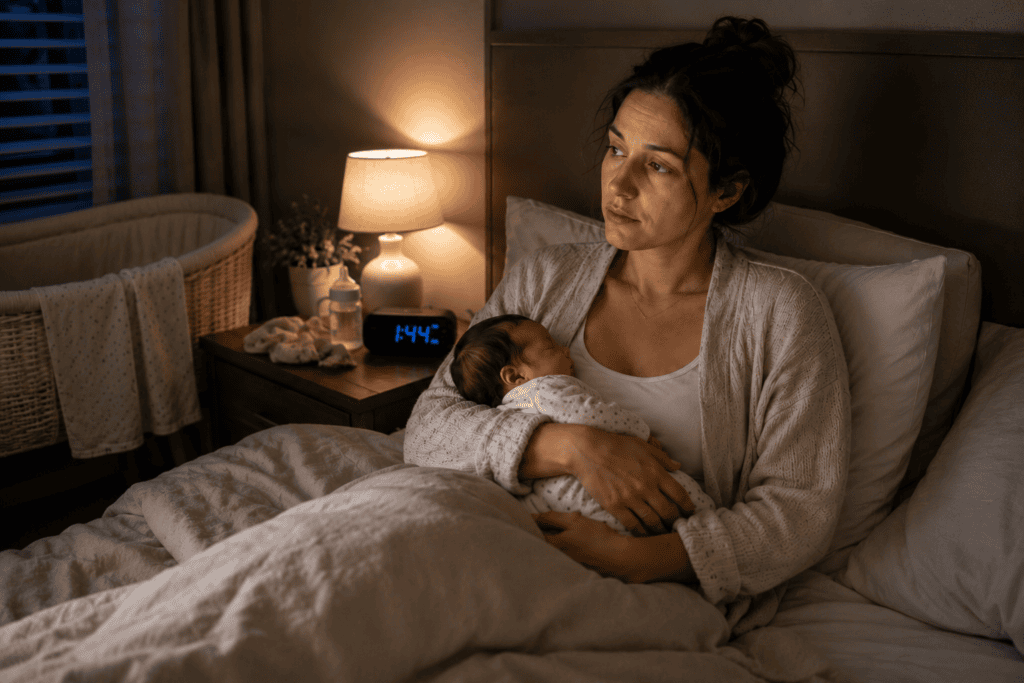
The exact causes of postpartum depression are not fully understood, but several factors contribute.
- Hormonal changes. Estrogen and progesterone levels drop dramatically after delivery, which affects mood-regulating neurotransmitters. Thyroid function can also shift after pregnancy, which contributes to depression symptoms in some mothers.
- Sleep deprivation. New parents get significantly less sleep than they need, and sleep deprivation directly affects mood regulation. The severity and duration of sleep loss with a newborn is often more extreme than mothers anticipate.
- Physical recovery from childbirth. Delivery is physically demanding whether vaginal or cesarean. The body needs substantial resources to heal, and the depletion of childbirth affects mood and energy.
- Previous history of depression or anxiety. Mothers with a history of depression, anxiety, or bipolar disorder before or during pregnancy have higher risk of postpartum depression.
- Difficult birth experience. Traumatic births, unplanned cesarean deliveries, NICU stays for the baby, and other difficult experiences increase risk.
- Lack of support. Mothers without adequate emotional and practical support have higher rates of postpartum depression.
- Feeding difficulties. Breastfeeding challenges, whether the mother chooses to continue or stop, contribute to postpartum depression for many mothers.
- Financial and life stress. Financial pressure, relationship strain, and major life transitions all contribute to risk.
Why Is Standard Medical Care Essential?
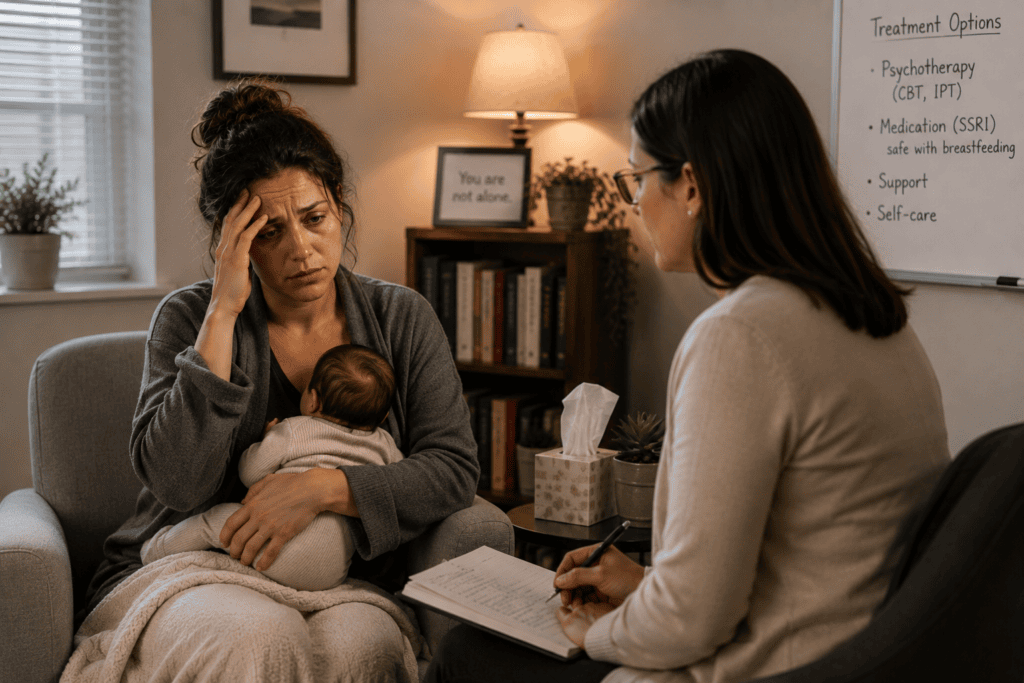
Postpartum depression is a treatable medical condition, and standard mental health care works. First-line treatments include psychotherapy, particularly cognitive behavioral therapy (CBT) and interpersonal therapy, both of which have substantial evidence for postpartum depression specifically.
For moderate to severe postpartum depression, medication is often necessary. Selective serotonin reuptake inhibitors (SSRIs) are the most commonly prescribed medications, and several are considered compatible with breastfeeding. A newer medication called brexanolone (Zulresso) and the oral form zuranolone (Zurzuvae) are specifically approved for postpartum depression and can produce rapid improvement in severe cases.
Screening is important. Many providers now screen for postpartum depression at postpartum visits and pediatric well-child visits, but mothers can also request screening or evaluation directly if they are concerned. The Edinburgh Postnatal Depression Scale (EPDS) is the most commonly used screening tool.
Standard care is not optional in postpartum depression. Acupuncture is complementary support that works alongside psychotherapy and medication when appropriate, not a replacement for them.
How Does Traditional Chinese Medicine View Postpartum Depression?
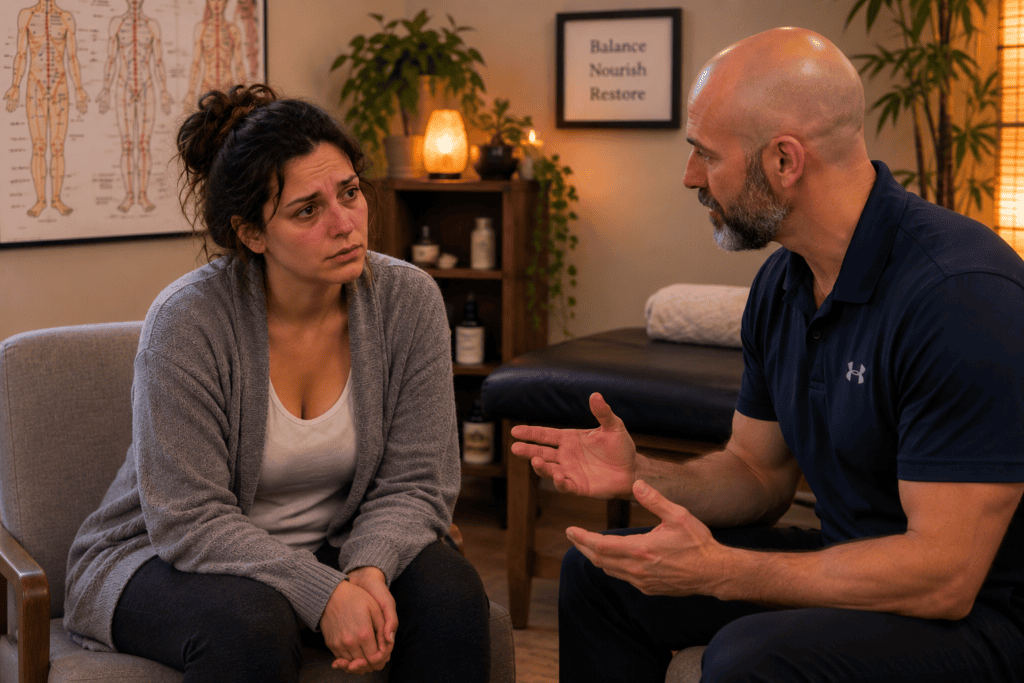
Traditional Chinese Medicine understands postpartum depression as reflecting the significant depletion that pregnancy and childbirth produce. The framework identifies specific patterns commonly involved in postpartum depression.
- Blood deficiency is central. Pregnancy, childbirth, and breastfeeding all deplete Blood in the Chinese medicine sense, which nourishes the tissues and calms the mind. Blood deficiency produces the fatigue, poor sleep, anxiety, and emotional volatility common in postpartum depression.
- Qi deficiency produces the exhaustion, weakness, and difficulty coping that many mothers experience. The physical demands of childbirth and infant care require significant Qi, and depleted Qi cannot support normal emotional resilience.
- Kidney depletion reflects the deepest reserves that pregnancy draws on. In Chinese medicine, the Kidneys govern the deepest energy and long-term resilience. Pregnancy and delivery draw substantially on Kidney reserves, and postpartum depletion of these reserves produces the deep exhaustion and low mood common in postpartum depression.
- Shen disturbance reflects the emotional and mental component. The Shen, which is the spirit housed in the Heart, becomes unsettled by the significant transition of new motherhood, the sleep deprivation, and any traumatic aspects of the birth experience.
- Liver Qi Stagnation produces the irritability, mood swings, and sense of pressure that some mothers experience alongside the depression component.
A licensed acupuncturist identifies which patterns are dominant in each patient and treats accordingly.
How Does Acupuncture Support Postpartum Depression?
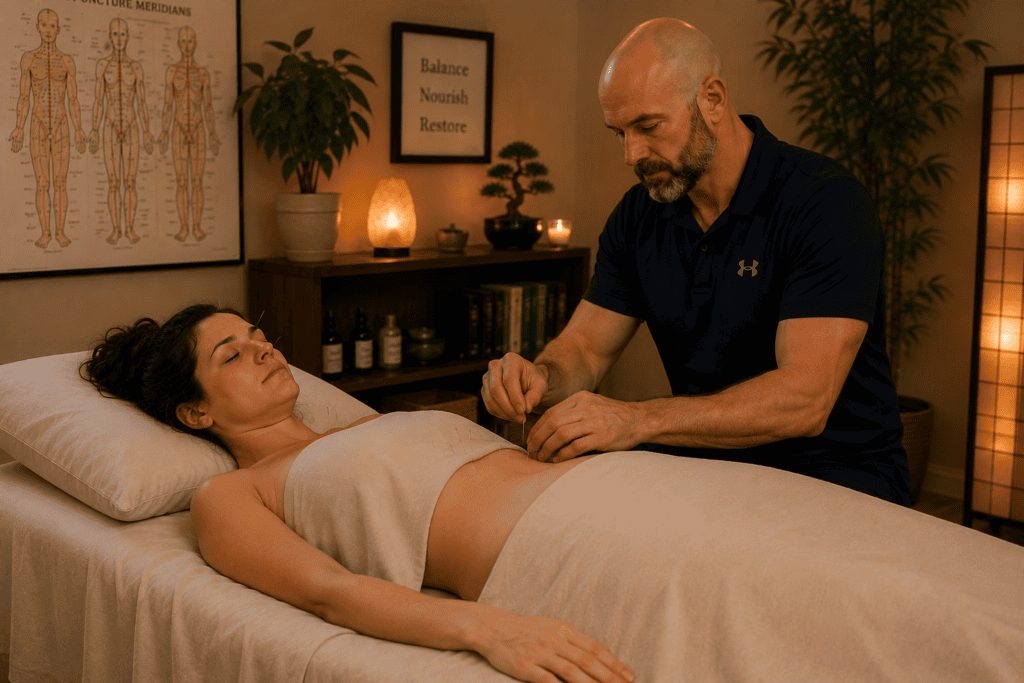
Acupuncture addresses postpartum depression through several mechanisms that work alongside standard care.
- Hormonal support. The dramatic hormonal shifts after delivery are a primary driver of postpartum depression. Acupuncture supports the hormonal recalibration that the body needs after birth through documented effects on the hypothalamic-pituitary axis.
- Stress hormone regulation. Elevated cortisol worsens depression and interferes with sleep. Acupuncture reduces cortisol and supports the stress hormone regulation that recovery requires. What Is Cortisol and Why Do I Have So Much of It? covers the chronic stress component and how it can contribute to emotional instability.
- Sleep support. New mothers cannot control when the baby wakes, but acupuncture can help the mother fall back asleep faster and sleep more deeply during the windows when sleep is possible.
- Mood regulation. Acupuncture has documented effects on the neurotransmitters that regulate mood including serotonin and dopamine. The effect is complementary to any medication being used and can support the effectiveness of both approaches.
- Physical recovery. Postpartum bodies need substantial healing. Acupuncture supports the physical recovery from delivery alongside the mental health support.
- Fatigue and exhaustion. The deep exhaustion of new motherhood responds to the systemic effects of acupuncture on energy, sleep, and stress regulation.
- Pattern-based treatment. The Traditional Chinese Medicine framework identifies the specific patterns present in each patient. Blood nourishment for the deficiency pattern. Qi tonification for the exhaustion pattern. Kidney support for the deep depletion. Shen calming for the emotional and sleep components. This individualized approach is what makes Traditional Chinese Medicine complementary support different from a protocol-only approach.
What Does Acupuncture Actually Do to Your Body? covers the mechanisms and effects of acupuncture in more detail.
The Holistic Integrated Approach

Postpartum depression responds best to a coordinated approach that addresses all the components.
- Mental health care remains essential. Psychotherapy, particularly CBT or interpersonal therapy, and medication when appropriate form the foundation of postpartum depression treatment.
- Regular medical follow-up. Postpartum visits with obstetric care, primary care, or a psychiatrist support monitoring and adjustment of the treatment plan.
- Acupuncture treatment. Regular acupuncture supports the underlying patterns and provides complementary care alongside standard treatment.
- Sleep support. Getting adequate sleep in the newborn period requires creative solutions including partner support, family help, and rest during baby’s naps. Every hour of sleep matters.
- Nutritional support. Postpartum bodies need substantial nutrition to recover from pregnancy and childbirth. Adequate calories, protein, healthy fats, and specific nutrients including iron, B vitamins, and omega-3 fatty acids all support recovery.
- Social and practical support. Isolation worsens postpartum depression. Regular contact with family, friends, mothers groups, or peer support groups helps.
- Gentle movement when ready. Physical activity supports mood, sleep, and stress regulation. Walking with the baby is often accessible in the early weeks.
- Coping support for partners. Partners of mothers with postpartum depression benefit from their own support, both to help the mother and to manage their own stress during a difficult period.
When to Get Immediate Professional Help
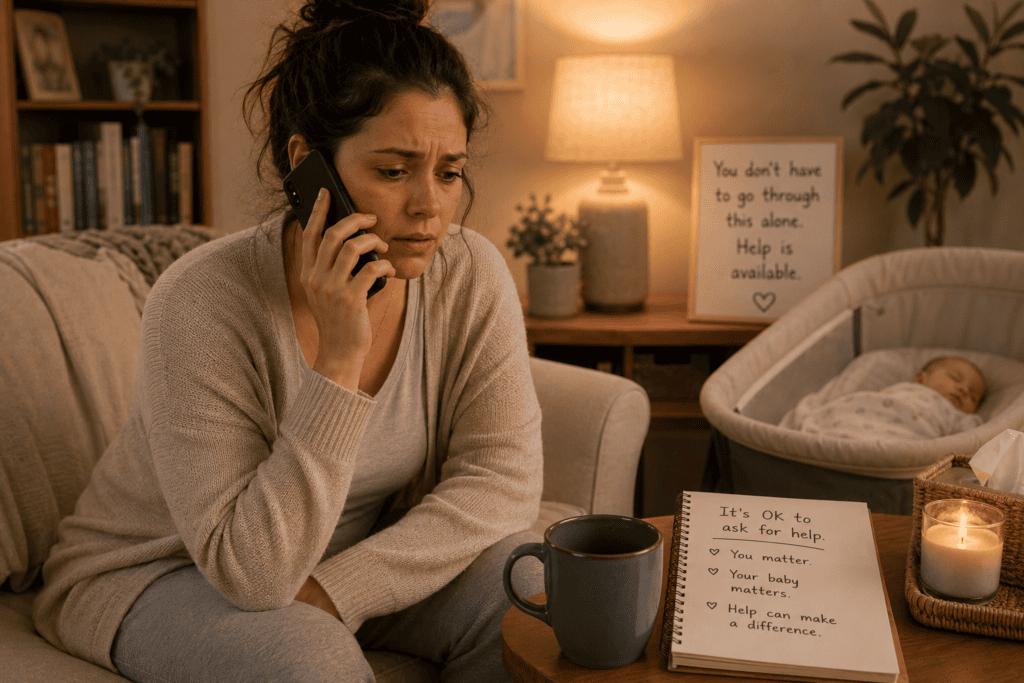
Some symptoms require immediate professional support rather than waiting for a scheduled appointment.
- Thoughts of harming yourself. If you are having thoughts of harming yourself, please reach out to the 988 Suicide and Crisis Lifeline by calling or texting 988. The service is available 24 hours a day and provides confidential support.
- Thoughts of harming the baby. Even fleeting thoughts of harming your baby warrant immediate mental health support. These thoughts do not mean you will act on them, but they require professional attention.
- Symptoms of postpartum psychosis. Hallucinations, delusions, severe confusion, extreme mood swings, or paranoia after delivery require emergency medical evaluation. Postpartum psychosis is a medical emergency.
- Inability to care for yourself or the baby. If the depression is severe enough that basic self-care or infant care has become impossible, immediate professional support is needed.
- Postpartum Support International (PSI) provides comprehensive support for maternal mental health. Their helpline is 1-800-944-4773 or text “help” to 800-944-4773. The organization provides free confidential support and connects mothers with local resources.
For mothers looking for complementary support alongside their mental health care, acupuncture treatment offers meaningful help with the hormonal, sleep, mood, and physical dimensions of postpartum recovery.
Anxiety, Stress, and Depression covers the nervous system imbalances that contribute to many patterns underlying postpartum depression.
Acupuncture, Cupping & Lifestyle Coaching explains what services this practice offers.
Reach out to Above and Beyond Acupuncture on North Frank Lloyd Wright Boulevard in Scottsdale to schedule a consultation.
Schedule an appointment online or call us today to start your healing journey.
About the Publisher
Paul Kerzner, L.Ac., is a licensed acupuncturist and board-certified herbalist, as well as the founder of Above and Beyond Acupuncture in Scottsdale. His own journey from chronic patient to practicing acupuncturist shapes his commitment to providing honest, clinically grounded information about acupuncture and Traditional Chinese Medicine. Learn more about Paul and his clinical approach on the About Us page.