Key Takeaways
- Acupressure can relieve allergy symptoms such as congestion, itchy eyes, and sinus pressure, but it cannot cure allergies.
- Nine key acupressure points target nasal passages, sinus pressure, and the immune response to support allergy relief.
- Use LI20 and GV23 to open nasal passages, and LI4 for overall facial congestion.
- Regularly activate LU7 and LI11 to support Lung function and calm allergic reactions during allergy season.
- Seek medical advice for severe allergies or anaphylaxis symptoms, since professional assistance might be needed.
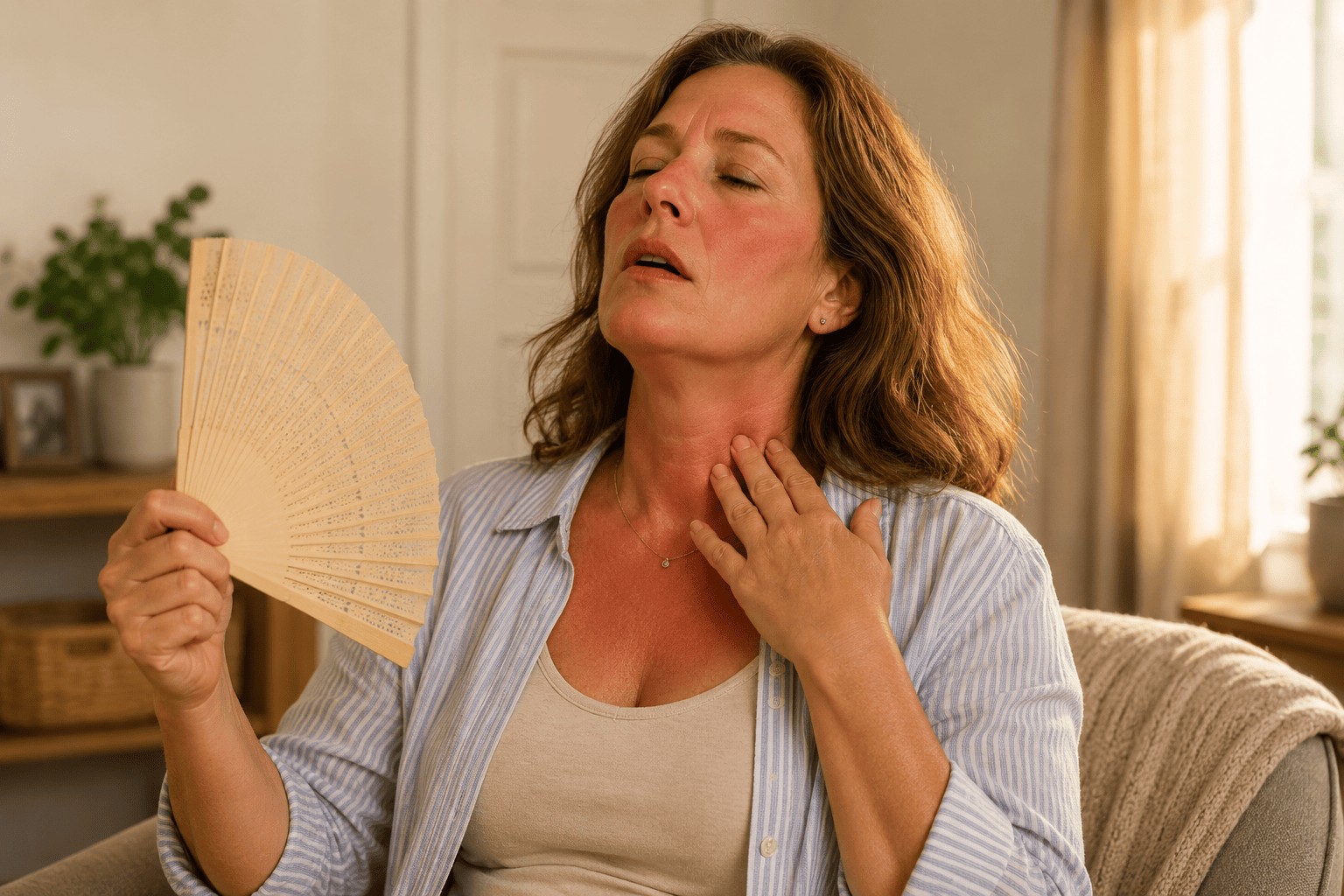
When allergy season starts or your triggers are in the air, the discomfort can feel endless. Sneezing, a runny or stuffy nose, itchy and watery eyes, sinus pressure, and feeling tired or foggy can last for weeks or even months. Allergies, also known as allergic rhinitis, occur when your immune system overreacts to substances like pollen, dust, or pet dander. Acupressure cannot cure allergies, but research shows it can help relieve symptoms like congestion, itchy eyes, and sinus pressure using only your hands. Here are a few tips that may help you feel better.
In Traditional Chinese Medicine, allergy symptoms are typically linked to the Lungs, which are thought to govern the nose, sense of smell, and the body’s protective energy, Wei Qi. If this defense is weak or overly sensitive, the body reacts to harmless airborne substances with sneezing, a runny nose, and congestion, described as wind and dampness entering through the nose and settling in the sinuses. The Lungs and their partner, the Large Intestine channel, both reach the nose and face, which is why many helpful acupressure points are found there.
Because allergies and sinus issues overlap, if your symptoms are more about a headache and facial pressure, “How to Use Acupressure for a Sinus Headache” is a close companion to this article.
Here are nine acupressure points to help open nasal passages, clear congestion, soothe itchy eyes, and boost your defenses to reduce an overreaction.
What Acupressure Points to Press and Why
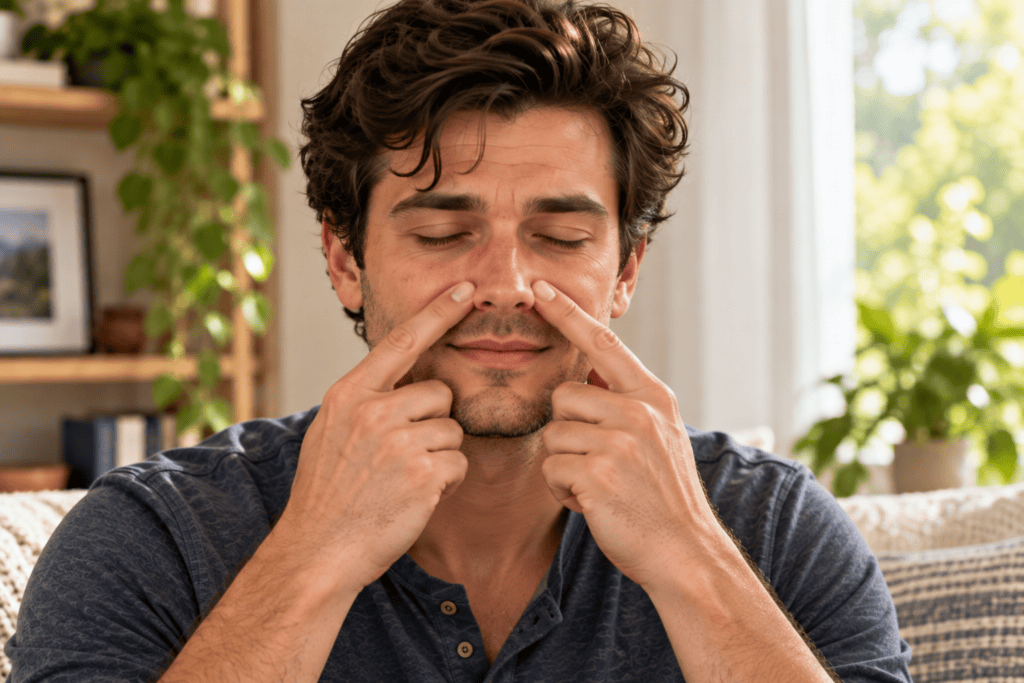
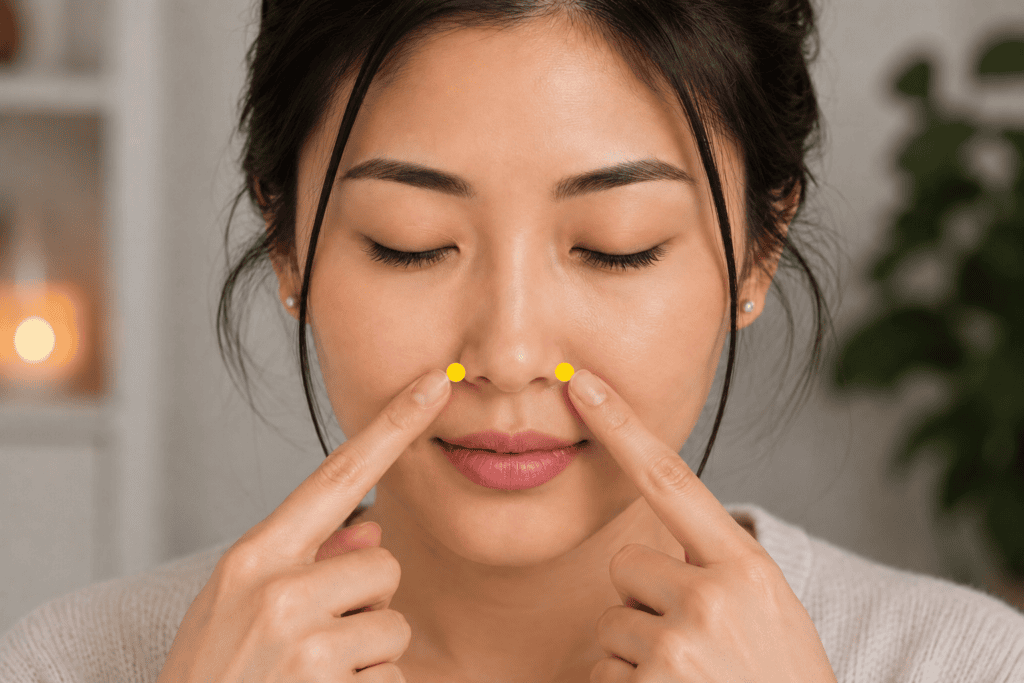
1. Press on LI20 beside the nostrils to open a stuffy, runny nose. LI20 sits in the groove beside each nostril, at the outer edge where the nostril meets the cheek. Press firmly inward and slightly upward with your fingertips for one to two minutes on both sides. LI20 is called “Yingxiang,” which means “Welcome Fragrance,” and it is the single most important point for the nose.
This point is crucial for allergies. Situated just beside the nostrils, it serves as the primary site to open nasal passages and relieve both congestion and a runny nose. It is frequently mentioned in studies on acupressure for allergic rhinitis. Called Welcome Fragrance, it has a long history of helping restore the sense of smell. For symptoms like congestion, sneezing, and a runny nose, this is the first point to target, and relief is often swift.
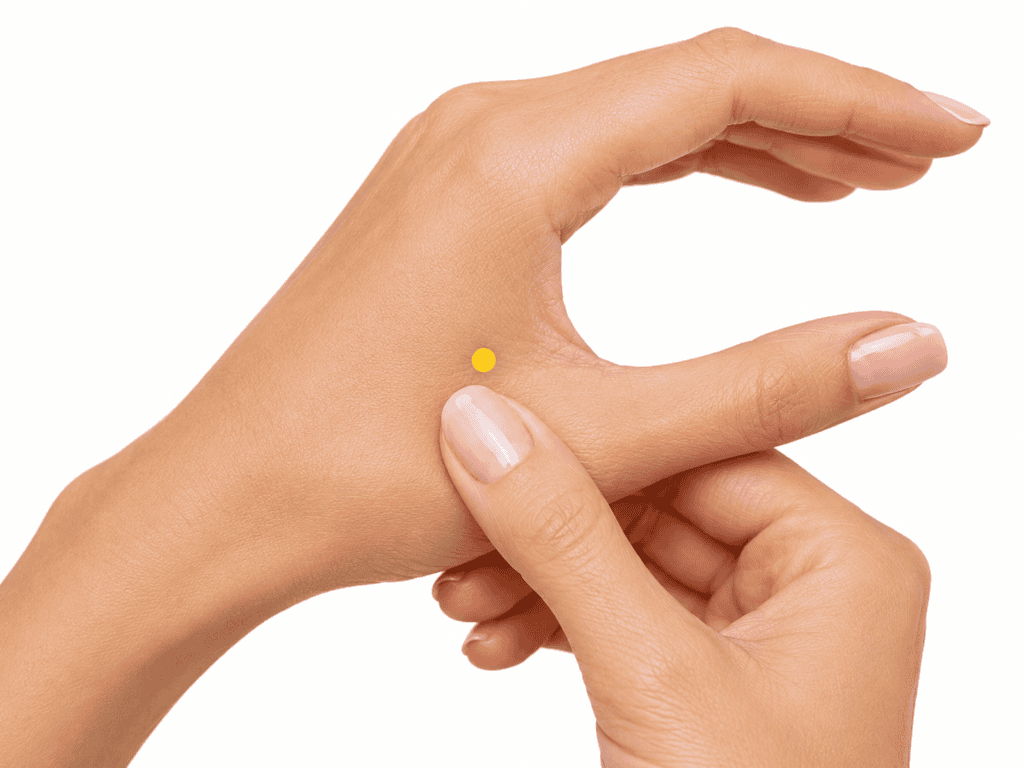
2. Press on LI4 in the hand for congestion and the whole face. LI4 sits in the webbing between the thumb and index finger, at the highest point of the muscle when you bring the thumb and finger together. Press firmly with the thumb of your other hand for one to two minutes on each hand. LI4 is called “Hegu,” and it is the command point for the face and one of the most studied points for allergies. LI4 is avoided during pregnancy.
LI4 is a key acupoint for the head and face. It helps unblock stuck Qi, relieving congestion, sinus pressure, and facial fullness during allergies. Located on the Large Intestine channel that connects to the nose, it supports nasal points and helps clear your mind. LI4 also boosts your immune response. Because it’s on your hand, you can apply easy, discreet pressure at your desk or in the car, making it a common choice in acupressure routines for allergic rhinitis.
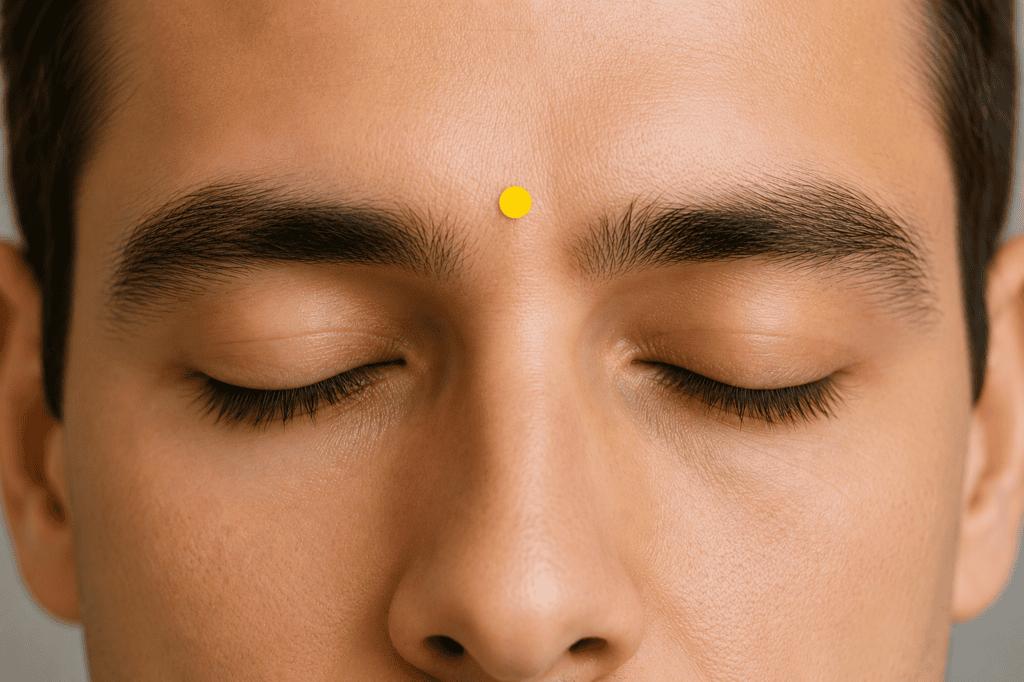
3. Press on Yintang between the eyebrows for sinus pressure and stuffiness. Yintang sits in the small hollow directly between the two eyebrows. Press steadily and hold, or make small, slow circles with your fingertip for one to two minutes. Yintang is an extra point and one of the most useful points for the front of the face.
Yintang alleviates pressure and congestion along the bridge of your nose and lower forehead during allergy attacks, targeting the frontal sinuses. It alleviates the heavy, blocked sensation at the front of your head and promotes relaxation throughout your face. Additionally, this point can calm the tired, foggy sensations linked to allergies. If you experience sinus pressure or a blocked feeling between your eyes, gently pressing this point can provide soothing relief during congestion.
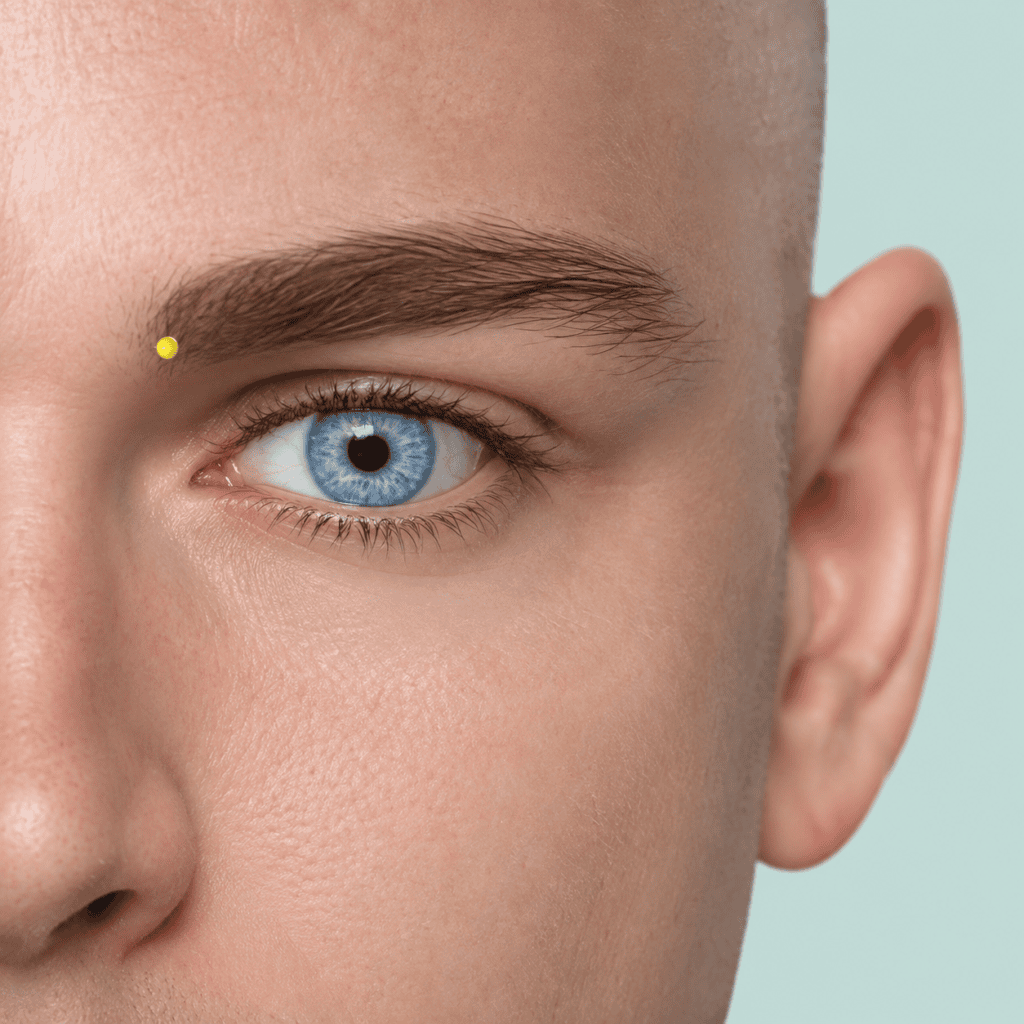
4. Press on BL2 at the inner eyebrow for itchy, watering eyes. BL2 sits in the small notch at the inner end of the eyebrow, right where it meets the bridge of the nose. Press gently but firmly up into the notch with your thumbs or fingertips for about a minute on both sides at once. BL2 is called “Zanzhu,” a key point for the eyes and forehead.
Itchy, watery, irritated eyes are among the most frustrating allergy symptoms, and BL2, found at the inner corner of your eyebrow, targets them. It eases itching, watering, and pressure around the eyes and helps clear congestion across the brow. This can bring real relief, especially if your allergies mostly affect your eyes. BL2 also works well with the nose points to address the full range of allergy symptoms on your face.
5. Press on GV23 on the forehead to clear the nose. GV23 sits on the midline of the head, about one thumb-width back into the hairline above the center of the forehead. Press firmly with your fingertip for one to two minutes. GV23 is called “Shangxing,” the “Upper Star,” and it is a classic point for the nose.
GV23 has traditionally been used for nasal issues and lies along the Governing Vessel over the top of the head. It helps clear nasal passages, alleviating congestion and a blocked nose. While LI20 approaches the nose from a different angle, GV23 provides an additional option for stubborn nasal congestion that doesn’t improve, which is particularly useful during allergy season when stuffiness persists.

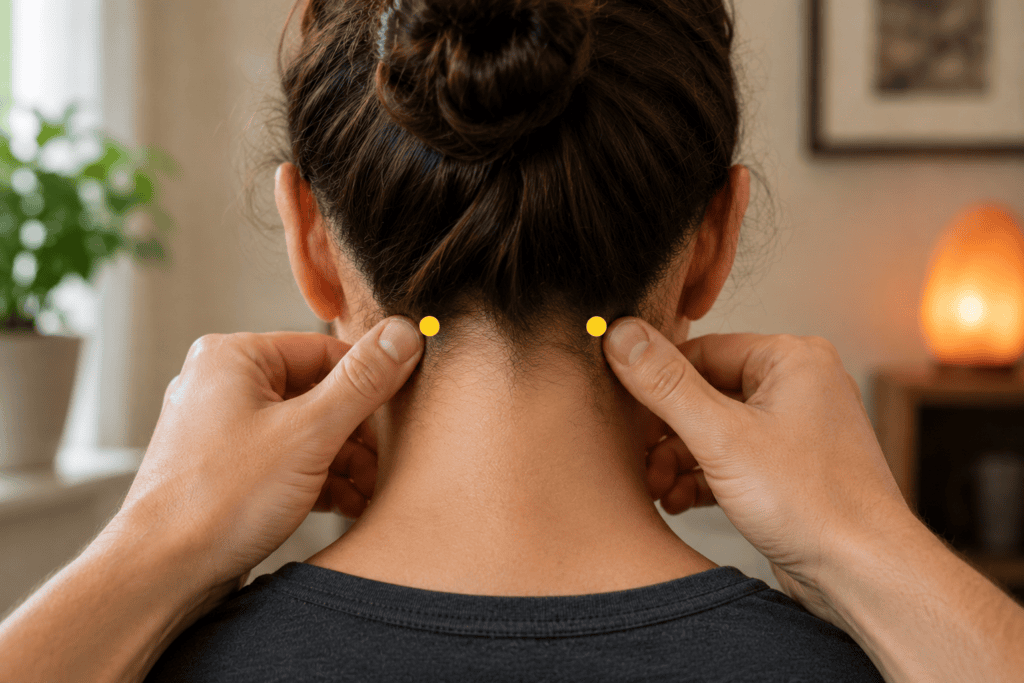
6. Press on GB20 at the base of the skull to relieve pressure and clear the head. GB20 sits in the two hollows at the base of the skull, between the two large vertical neck muscles and the outer edge, roughly level with the tops of the ears. Tip your head back slightly and press firmly up and inward with your thumbs for one to two minutes. GB20 is called “Fengchi,” the “Wind Pool,” and it is a major point for the head and for clearing wind.
GB20 helps clear your mind and reduces pressure, congestion, and the heavy, foggy sensation caused by allergies at the back and top of your head. Its name indicates it is used to release ‘wind,’ which Chinese medicine associates with allergic reactions. Allergy congestion often spreads from the nose into the head and neck, and this point alleviates that overall heaviness while relieving neck tension. GB20 is studied in allergic rhinitis research and is considered one of the best points to target when your entire head feels congested.
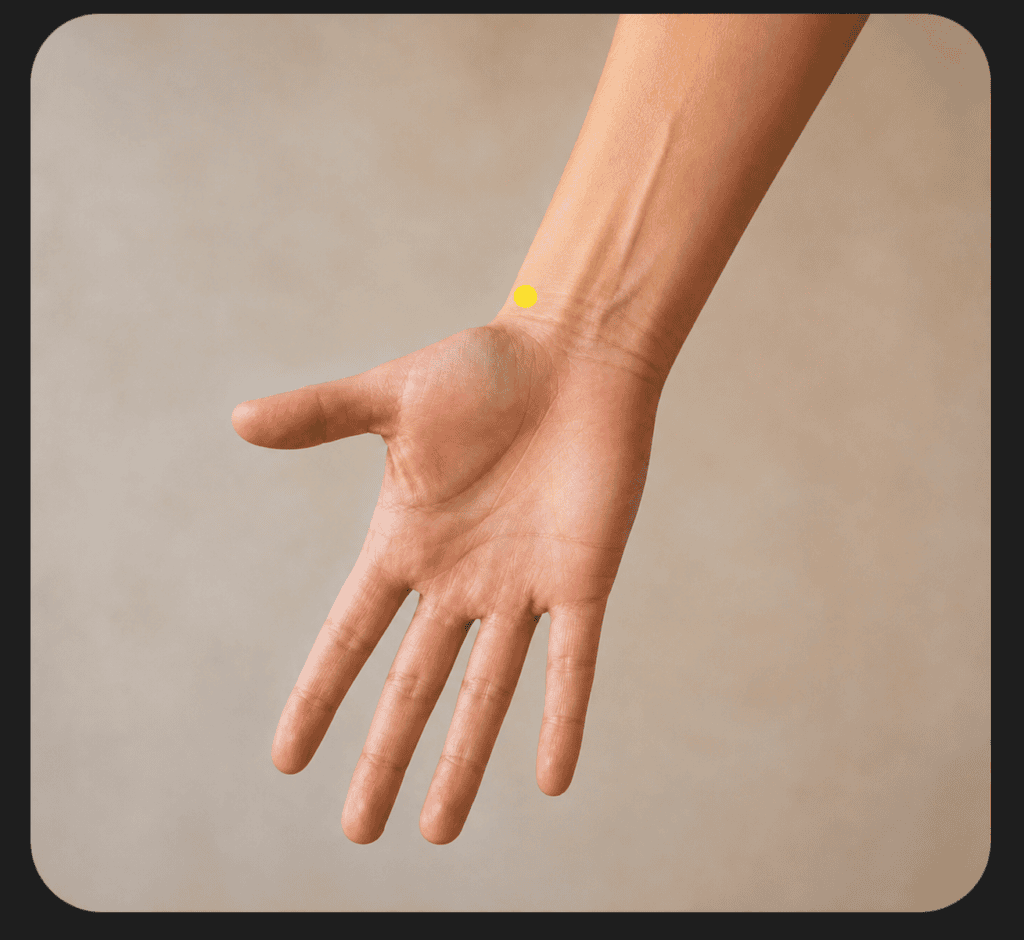
7. Press on LU7 above the wrist to support the Lung and defenses. LU7 sits on the thumb side of the inner forearm, about two finger-widths above the wrist crease, just above the bony bump of the wrist in a small hollow. Press firmly with your thumb for one to two minutes on each arm. LU7 is called “Lieque,” and it is one of the most important points for the Lung and the nose.
In Traditional Chinese Medicine, allergy symptoms are connected to the Lung and its protective Wei Qi. LU7, a key Lung point, helps with allergies by supporting Lung function, dispersing wind factors that cause symptoms, and relieving nasal and sinus issues. As a major head and neck point, it directly relieves nasal and sinus congestion. To target the root cause of allergies rather than just symptoms, regular use of this point during allergy season can help boost your defenses.
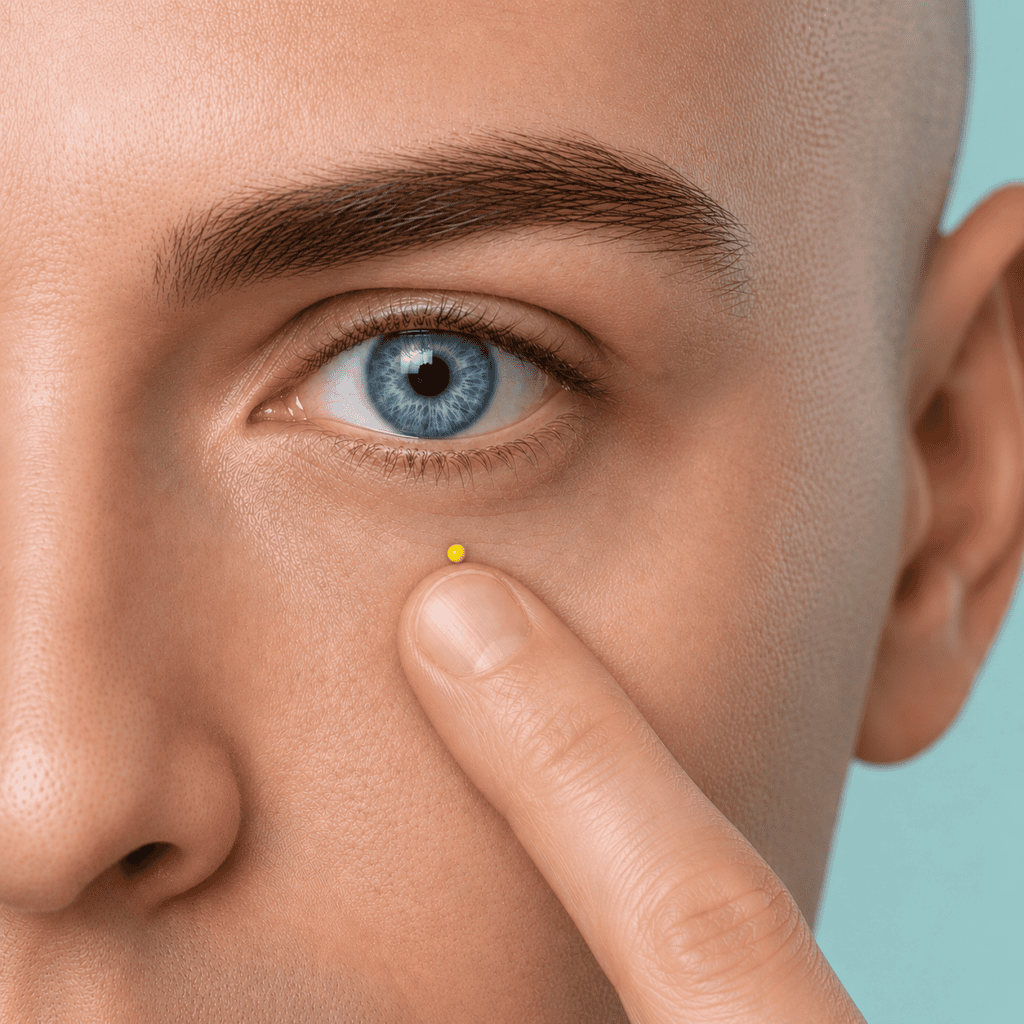
8. Press on ST2 below the eye for cheek and sinus congestion. ST2 sits on the bony ridge below the eye, in a small hollow about a finger-width beneath the center of the lower eyelid, directly below the pupil. Press gently upward against the ridge with your fingertip for about a minute on both sides. ST2 is called “Sibai,” and it clears the region below the eyes.
ST2 sits over the cheekbone sinuses and helps relieve pressure, fullness, and congestion caused by allergies under the eyes and along the upper cheeks. It also reduces the itchy, irritated sensation around the eyes, located just below where BL2 targets the brow. If allergy congestion causes a heavy, blocked feeling in the cheeks and beneath the eyes, this point can help relieve it. Combining ST2 with LI20 beside the nose can help open the entire midface area. Remember to apply gentle pressure against the bone.
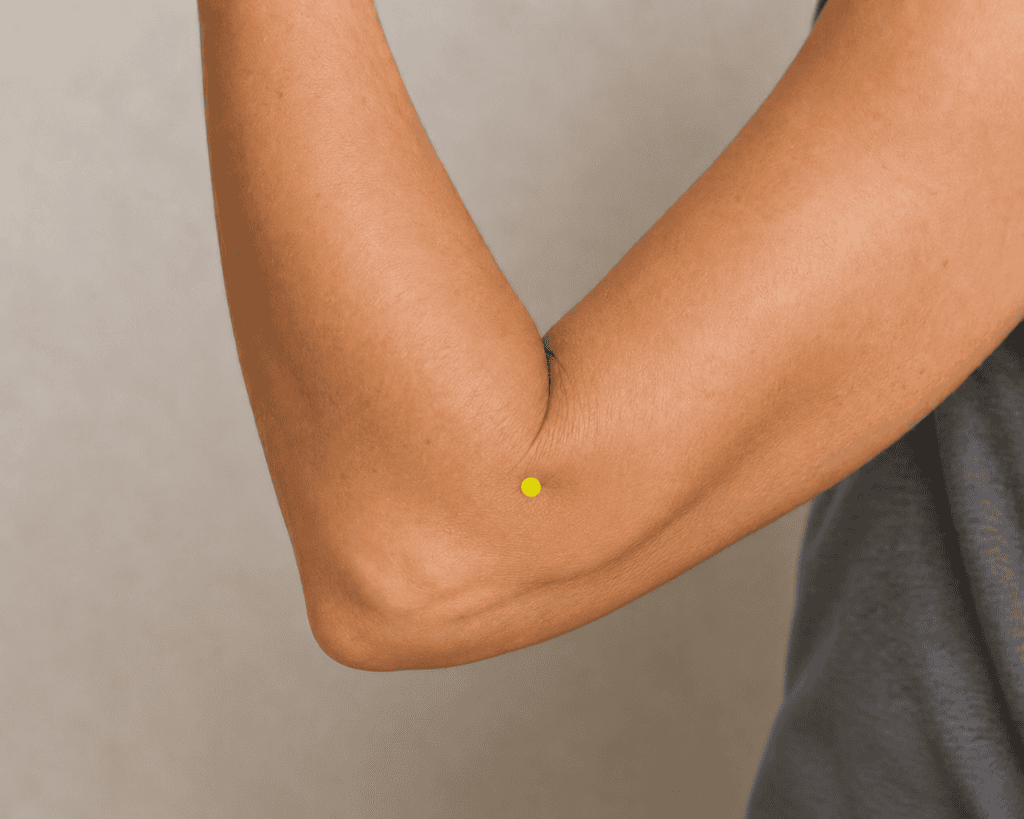
9. Press on LI11 at the elbow to clear heat and calm the reaction. LI11 sits at the outer end of the elbow crease, in the hollow that forms when the elbow is bent, at the top of the forearm. Press firmly with your thumb for one to two minutes on each arm. LI11 is called “Quchi,” and it is one of the strongest points for clearing heat and calming the body.
LI11 helps reduce heat and soothe inflammation associated with allergies, so it’s often used in acupressure treatments for allergic rhinitis. Located on the Large Intestine channel and connected to the nose and face, it supports the immune system and eases the red, itchy, inflamed sensations in your eyes, nose, and skin caused by allergies. If your allergy symptoms include a hot, itchy, or inflamed feeling, this point can help calm the reaction and works best as part of a comprehensive routine, not just for local congestion.
Why These Acupressure Points Work
In Traditional Chinese Medicine, allergy symptoms occur when Wei Qi, the body’s protective energy regulated by the Lung, is weak or overly sensitive. This leads to reactions like sneezing, congestion, and a runny nose in response to harmless airborne particles, described as wind entering through the nose and settling in the sinuses and eyes. The nine acupressure points target and help alleviate these symptoms.
- The nose points (LI20, GV23) open the nasal passages and relieve a stuffy, runny nose.
- The face and eye points (Yintang, BL2, ST2) clear the sinus pressure across the forehead and cheeks and calm itchy, watering eyes.
- The clearing points (LI4, GB20) draw congestion through the whole head and relieve the heavy, foggy pressure.
- The constitutional points (LU7, LI11) support the Lung and defenses and calm the overreactive, inflamed allergic response.
Since much of this depends on the body’s defenses, strengthening the immune system that controls your reactivity is a key component of managing allergies long-term.
How to Properly Use These Acupressure Points
Apply gentle pressure to face points and firmer pressure to hand, arm, and neck points during a flare-up and allergy season.
- For an allergy flare-up, start at the nose with LI20 and GV23, move to the eyes and forehead with BL2, Yintang, and ST2, and add LI4 and GB20 to clear the whole head.
- Activate LU7 and LI11 regularly throughout allergy season to support defenses and calm the overreactive response over time, not just in the moment.
- Keep the pressure gentle around the eyes and on the delicate face points, and press more firmly at LI4, LI11, and GB20.
- Hold each point for a minute or two with steady pressure, breathing slowly, and repeat through the day as symptoms flare.
Acupressure can help alleviate allergy symptoms, but reducing exposure remains the most effective prevention. During high pollen seasons, keep windows closed and monitor pollen forecasts. Shower and change clothes after outdoor activities to eliminate pollen, and use a saline rinse to clear allergens and mucus from your nose. Maintain indoor air quality by minimizing dust and pet dander, and stay aware of your specific triggers. When combined with allergy medications, acupressure provides additional relief without replacing other effective treatments.
When to Get Professional Help
While acupressure and proper self-care can help manage daily allergy symptoms, you may still need occasional additional support.
Consult a doctor if your allergies are severe, persistent despite OTC treatments, or interfere with sleep and daily activities. Prescription options, allergy testing, and immunotherapy can provide significant relief. Also, seek medical advice if you’re unsure whether symptoms are due to allergies or a sinus infection, especially if accompanied by congestion, fever, or facial pain. Most crucially, a severe allergic reaction requires immediate medical attention. If you have difficulty breathing, swelling of the face, lips, tongue, or throat, a widespread rash, dizziness, or a sense that something is seriously wrong after allergen exposure, call emergency services immediately. These symptoms may indicate anaphylaxis, a life-threatening condition that cannot be alleviated by acupressure.
Acupressure can alleviate typical allergy symptoms but is not effective for severe allergic reactions.
Above and Beyond Acupuncture offers acupuncture, cupping, and lifestyle coaching at the North Frank Lloyd Wright Boulevard location in Scottsdale.
Schedule an appointment online to start your healing journey.
The points above are only as effective as the technique used to apply them. Where to press, how firmly, and for how long all affect the result. For a full breakdown of how to perform acupressure properly at home, read Performing Acupressure in 3 Easy Steps.

About the Publisher
Paul Kerzner, L.Ac., is a licensed acupuncturist and board-certified herbalist, as well as the founder of Above and Beyond Acupuncture in Scottsdale. His own journey from chronic patient to practicing acupuncturist shapes his commitment to providing honest, clinically grounded information about acupuncture and Traditional Chinese Medicine. Learn more about Paul and his clinical approach on the About Us page.