
Key Takeaways
- Home remedies for inducing labor are appropriate only once a pregnancy is full term, at 39 weeks or later, and after your provider has confirmed there is no reason to avoid them.
- Eating dates during the last weeks of pregnancy has the strongest research support, with studies linking it to a more favorable cervix, more spontaneous labor, and fewer medical inductions.
- Walking, nipple stimulation, sex, and time on a birth ball can help the body prepare for labor, though each has its limits and safety considerations.
- Castor oil, evening primrose oil, and herbal blends such as blue cohosh pose real risks and should not be used without your provider’s direct guidance.
- In Traditional Chinese Medicine, labor depends on Qi and Blood flowing freely downward, so rest, warmth, and a calm, relaxed state are just as important as any home remedy.

The final weeks of pregnancy can feel endless. The bag is packed, the nursery is ready, and every twinge brings the same question: could today be the day? When the due date passes, many women begin looking for ways to encourage labor to start naturally.
Some home remedies are supported by reasonable research, while others are based mostly on tradition. A few carry risks that may outweigh any potential benefits. They all share one important rule: they are intended only for pregnancies at full term, 39 weeks or later, and only after a provider confirms that both mother and baby are healthy and there is no medical reason to avoid them. Trying to start labor earlier can lead to preterm birth, and some methods may be unsafe with certain conditions, including placenta previa, a previous cesarean birth, a twin pregnancy, a breech-positioned baby, or a history of preterm labor.
It’s important to keep your expectations realistic. Most of these remedies help prepare your body for labor by softening the cervix rather than starting labor right away. If you and your baby are ready, these methods may help labor begin a little sooner and progress more smoothly. Otherwise, labor will usually wait until the right time.
In Traditional Chinese Medicine, labor is the time when Qi and Blood move downward to open the cervix and deliver the baby. This process works best when your body is nourished, warm, and relaxed. Fear, fatigue, and tension can make it more difficult. Many of the remedies below are intended to support this natural movement and help you feel calm and settled.
Eat Dates in the Final Weeks

Dates are the most studied food for supporting labor. One review in BMC Pregnancy and Childbirth found that eating dates late in pregnancy was linked to more cervical dilation at the hospital, more spontaneous labor, and fewer medical inductions, though the evidence isn’t very strong. Most studies used about six dates a day during the last month of pregnancy.
Dates are naturally sweet and rich in fiber, potassium, and energy-providing sugars that can support you during labor. Enjoy them plain, add them to oatmeal, or blend them into smoothies. If you have gestational diabetes, check with your provider before eating them daily, as they’re high in sugar.
Stay Active With Walking

Walking is an easy way to stay active in late pregnancy. Its gentle movement and gravity may help your baby move lower into your pelvis, putting pressure on the cervix and supporting changes before labor. Regular movement can also ease back pain, swelling, and restlessness while building stamina for labor.
There is no strong evidence that walking induces labor; however, it is safe for most women and may help the body feel prepared. Wear comfortable shoes, choose flat routes, walk during cooler periods, stay hydrated, and rest if you feel tired or short of breath.
Try Nipple Stimulation

Gently rolling or massaging the nipples prompts the body to release oxytocin, which causes the uterus to contract.
A Cochrane review of breast stimulation found that it reduced the number of women who were not in labor after 72 hours compared with doing nothing. The review also found too little evidence on safety in high-risk pregnancies and advised against its use in that group.
Because nipple stimulation can trigger strong contractions, check with your provider before trying it. Stimulate one side at a time for a few minutes, resting between sides, and stop if contractions begin or become strong or frequent.
Have Sex, If Your Provider Approves

Sex is often suggested as a way to encourage labor. Semen contains prostaglandins, which can help soften the cervix, while orgasm may trigger mild contractions by releasing oxytocin. Research is mixed on whether sex actually starts labor, but it’s usually safe during low-risk, full-term pregnancies and may help you feel closer and more relaxed.
Avoid sex if your water has broken, you have vaginal bleeding, or your provider has advised against it because of placenta previa or another complication.
Try Gentle Squats and Hip Openers

Positions that open your pelvis may help your baby move down and settle into a good position for birth. Supported squats, using a sturdy chair or countertop, can gently widen the pelvis. Getting on your hands and knees and making slow cat-cow movements may ease back pressure and help your baby turn head-down, facing your spine. Sitting cross-legged or leaning forward over pillows may also help.
Move slowly and stay within a comfortable range of motion. Avoid deep squats if you have pelvic pain or hemorrhoids, or if your baby isn’t head down, unless your provider says they’re okay. Many women find these positions soothing and calming when practiced for a few minutes several times a day.
Bounce and Rock on a Birth Ball

A birth ball, a large exercise ball, offers a comfortable way to stay upright and keep your pelvis moving in late pregnancy. Gentle bouncing, rocking from side to side, and slow hip circles can help ease back pain and pelvic pressure and may help your baby move into a good position for birth.
Sit with your feet flat on the floor and wider than hip-width, keeping a sturdy chair or partner nearby for balance. Many women also use the ball to stay comfortable between contractions during early labor.
Eat Warm, Nourishing Meals
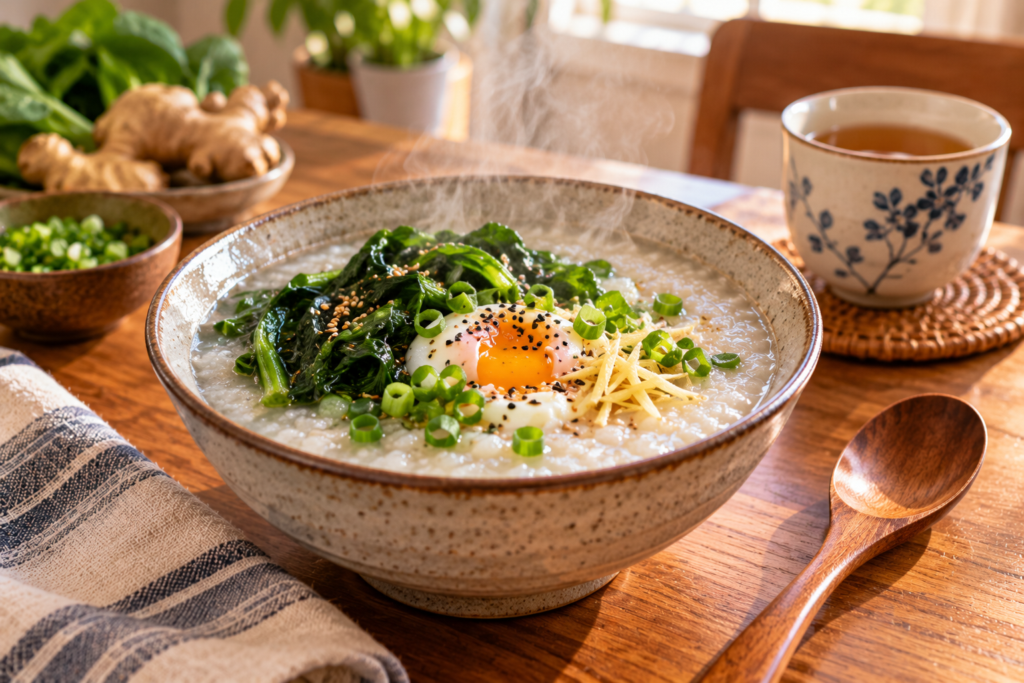
Labor is physically demanding, so your body needs a steady source of fuel to prepare. In Traditional Chinese Medicine, warm, cooked foods are valued in the final weeks of pregnancy because warmth is thought to support the flow of Qi and Blood, while cold drinks and raw foods may slow it. Good choices include soups, stews, congee, roasted vegetables, eggs, and slow-cooked grains.
Include iron-rich foods such as leafy greens, beans, lentils, and some red meat in your diet, and drink plenty of fluids. Dehydration can leave you tired and cause irregular cramping. If you experience heartburn, try eating small, frequent meals. Keep easy snacks, such as dates, nuts, and yogurt, nearby for when early labor begins.
Drink Red Raspberry Leaf Tea
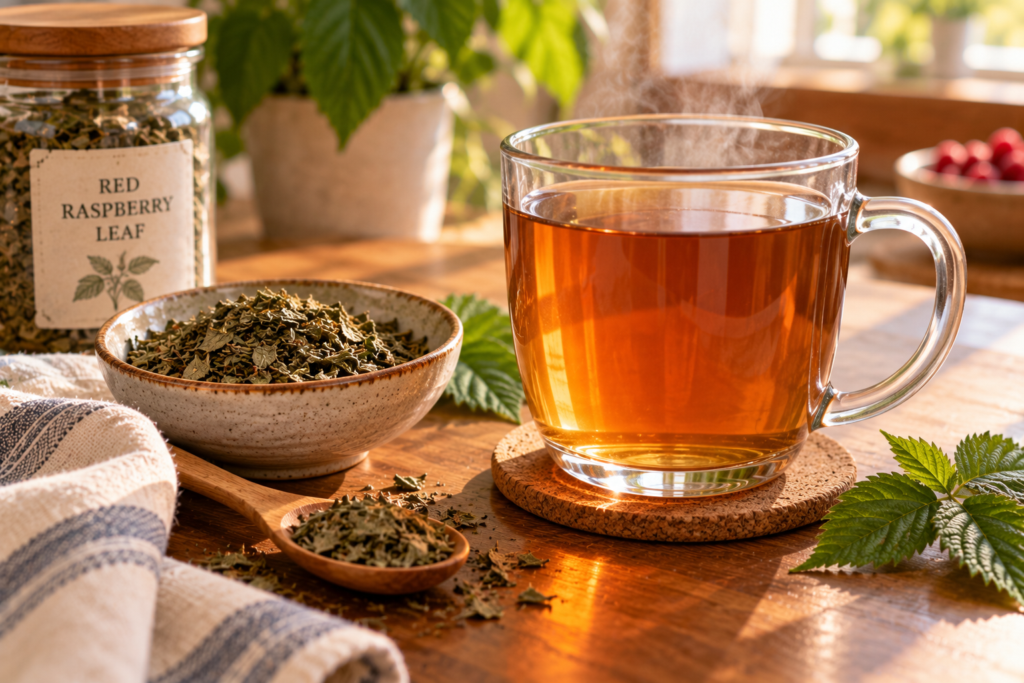
Red raspberry leaf tea has traditionally been used during pregnancy to help strengthen and tone the uterus before labor. Research hasn’t shown that it actually induces labor, and evidence for other benefits, such as a shorter labor, remains limited. Even so, many midwives recommend it during the third trimester as a gentle, nourishing tea.
If you’d like to try it, check with your provider first, especially if you’ve had a cesarean, a history of rapid labor, or a high-risk pregnancy. Start with one cup a day, and increase gradually if it works well for you.
Rest, Relax, and Lower Stress

Oxytocin drives labor and flows best when you feel safe, calm, and rested. Stress hormones like adrenaline can slow labor, so anxiety and exhaustion may stall it. In Traditional Chinese Medicine, fear and tension are thought to block Liver Qi and hinder the downward movement needed for labor.
Rest as much as you can in the last weeks, since labor is very energy-intensive. A warm (not hot) bath, slow breathing, gentle stretching, prenatal yoga, massage, and time with supportive people can all help you relax. Try not to pressure yourself to make labor happen on a set schedule.
Learn more about the benefits of yoga during pregnancy.
Remedies to Skip

Some popular remedies may not be worth the risk. Castor oil can trigger contractions, but it often causes nausea, vomiting, cramping, and diarrhea, potentially leaving you dehydrated and exhausted before labor. Use it only under your provider’s direct supervision, if at all. Evening primrose oil has little supporting evidence and may cause complications. Herbal blends such as blue cohosh and black cohosh have been linked to serious problems, so use them only if prescribed by a qualified provider. Spicy food and pineapple are sometimes recommended, but there’s no strong evidence that they help. Spicy meals may also make heartburn worse.
When to Call Your Provider

Call your provider or the labor and delivery unit right away if your water breaks, you have vaginal bleeding beyond light spotting, your baby is moving less than usual, or your contractions become regular, strong, and close together, as your provider instructed. Seek urgent care for a severe headache, vision changes, sudden swelling in your face or hands, a fever, or constant, severe abdominal pain, as these may signal a serious problem. If you go past your due date, keep all your appointments so your provider can monitor you and your baby and discuss medical induction if needed.
Home remedies may help you prepare for labor, but they don’t replace prenatal care.
For related reading, learn how to use acupressure to induce labor, and find out whether acupuncture can induce labor.
Above and Beyond Acupuncture offers acupuncture, cupping, and lifestyle coaching at the North Frank Lloyd Wright Boulevard location in Scottsdale.
Schedule an appointment online to start your healing journey.

About the Publisher
Paul Kerzner, L.Ac., is a licensed acupuncturist and board-certified herbalist, as well as the founder of Above and Beyond Acupuncture in Scottsdale. His own journey from chronic patient to practicing acupuncturist shapes his commitment to providing honest, clinically grounded information about acupuncture and Traditional Chinese Medicine. Learn more about Paul and his clinical approach on the About Us page.