Key Takeaways
- Insomnia affects one in three American adults and disrupts daily life, leading to serious health issues like anxiety and heart disease.
- Standard care often relies on sleep medications, which can cause side effects; CBT-I is a recommended alternative but has access limitations.
- Acupuncture offers a holistic approach by targeting the hyperarousal patterns impacting sleep, regulating stress hormones, and promoting relaxation.
- A comprehensive treatment plan includes sleep routine management, stimulus control, and stress management practices alongside acupuncture.
- Most patients may require six to twelve acupuncture sessions over two to three months for significant improvement in sleep quality.
Insomnia is one of the most common conditions treated by modern medicine and one of the most disruptive to everyday life.
Difficulty falling asleep. Waking up in the middle of the night unable to return to sleep. Waking too early and being unable to fall back asleep. Feeling unrefreshed even after a full night in bed.
Any of these patterns qualifies as insomnia, and roughly one in three American adults experiences insomnia symptoms at any given time.
The consequences extend well beyond feeling tired the next day. Chronic sleep disruption affects thinking, mood, immune function, heart health, weight regulation, and overall quality of life. Patients with untreated chronic insomnia have higher rates of depression, anxiety, heart disease, and metabolic problems.
The conventional approach involves sleep medications, which help some patients but often produce side effects including daytime grogginess, cognitive impairment, tolerance requiring higher doses over time, and dependence. Cognitive behavioral therapy for insomnia (CBT-I) is now recognized as the first-line treatment by major medical organizations, but access to CBT-I is limited by the small number of trained providers and the cost of treatment.
Acupuncture and Traditional Chinese Medicine offer a different approach that addresses the underlying stress and nervous system patterns driving insomnia. Here is what insomnia actually is, why standard care often falls short, and how acupuncture treats it.
What Is Insomnia?
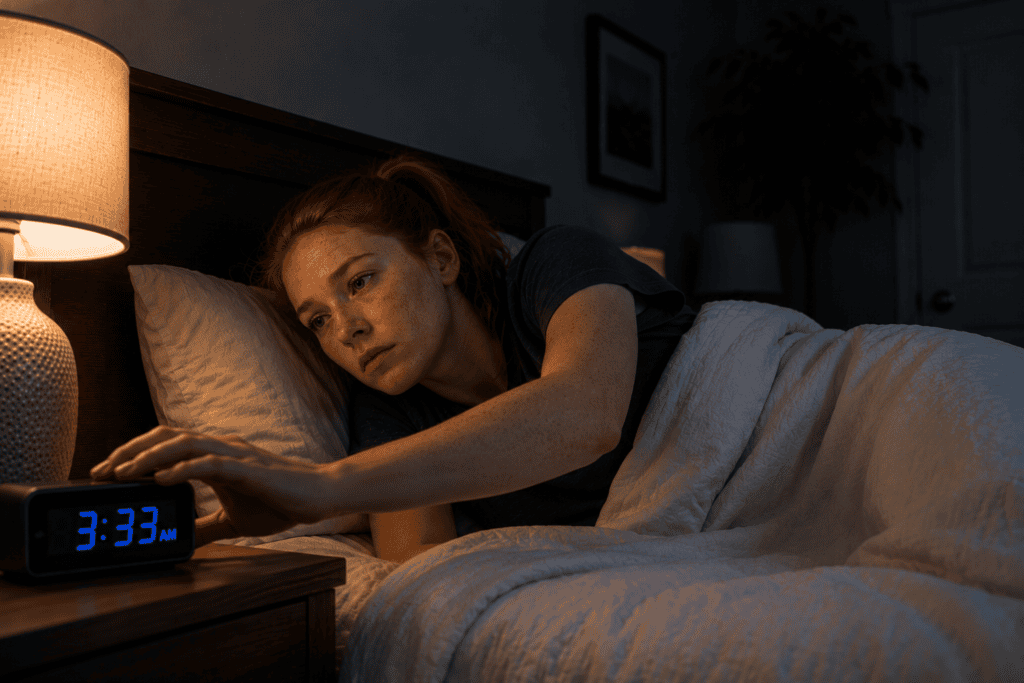
Insomnia is defined clinically as difficulty falling asleep, difficulty staying asleep, or waking too early, combined with daytime consequences like fatigue, mood disturbance, or impaired function. The condition falls into several categories.
- Acute insomnia lasts less than three months and is often triggered by a specific stressor such as work pressure, relationship issues, illness, or grief. Most acute insomnia resolves on its own once the stressor is addressed.
- Chronic insomnia lasts three months or longer with symptoms at least three nights per week. Chronic insomnia is more likely to require active treatment because it often becomes self-perpetuating.
- Sleep-onset insomnia involves difficulty falling asleep at the beginning of the night. Patients often describe lying in bed for an hour or more before sleep comes.
- Sleep-maintenance insomnia involves waking during the night and being unable to return to sleep. This pattern is often associated with the early morning cortisol rise and can indicate underlying stress or hormonal patterns.
- Early morning awakening involves waking substantially earlier than intended and being unable to fall back asleep. This pattern is often associated with depression or hormonal changes.
Many patients experience combinations of these patterns rather than a single pure presentation.
The Mayo Clinic overview of insomnia and the Cleveland Clinic summary provide the medical framework for understanding the different presentations.
The Modern View on Insomnia
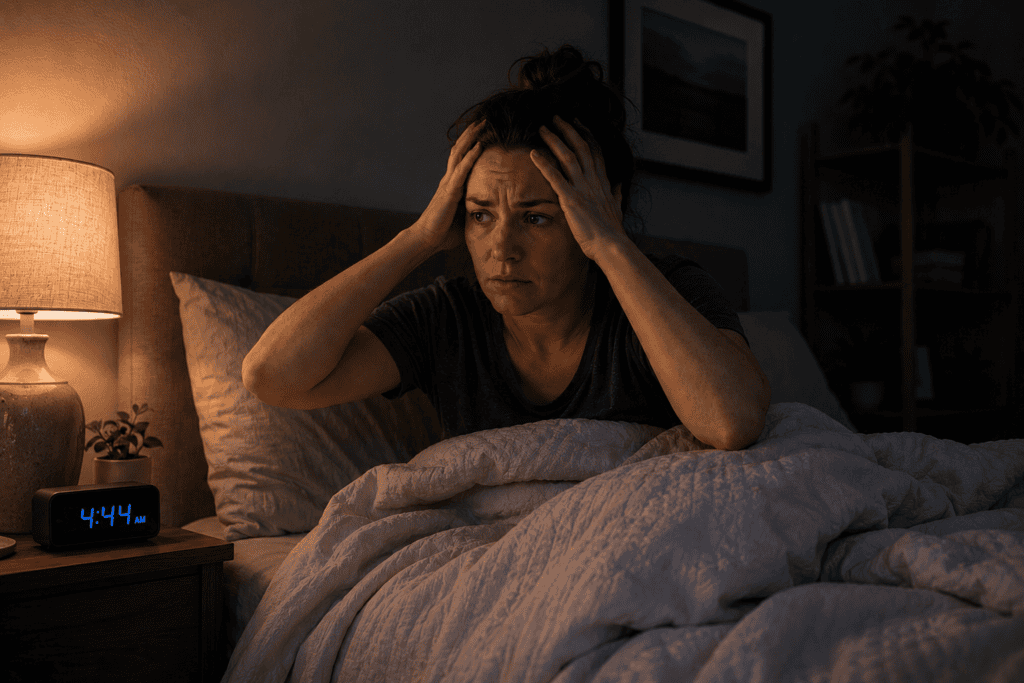
The clinical understanding of insomnia has shifted substantially over the past two decades. The current model identifies insomnia as a hyperarousal disorder rather than simply a lack of sleep. Patients with chronic insomnia typically have measurable increases in cortisol, heart rate, brain activity, and sympathetic nervous system activation both during the day and at night. This physical hyperarousal makes it difficult to transition into sleep and stay asleep.
The hyperarousal has several drivers.
- Chronic stress activates the sympathetic nervous system and elevates cortisol, which directly interferes with falling asleep and staying asleep.
- Anxiety and rumination produce the mental restlessness that keeps patients awake in bed and pulls them out of sleep when they wake at night.
- Conditioned arousal develops when patients spend prolonged periods in bed awake, associating the bed with wakefulness and worry rather than sleep. This is one of the primary patterns CBT-I targets.
- Circadian rhythm disruption from irregular sleep schedules, shift work, or evening light exposure interferes with the biological signals that trigger sleep at appropriate times.
- Sleep changes in older adults and in patients with chronic insomnia involve reduced deep sleep and REM sleep, which produces unrefreshing sleep even when total hours appear adequate.
The stress dimension is central to modern insomnia treatment. What Is Cortisol and Why Do I Have So Much of It? covers this in more detail.
For the specific pattern of waking in the middle of the night unable to return to sleep, How to Fall Back Asleep When You Wake Up at 3am covers practical approaches. For patients whose insomnia has become entrenched over years, Do I Have “Sleep PTSD”? covers the chronic sleep disruption pattern.
Why Standard Care Doesn’t Provide Full Resolution
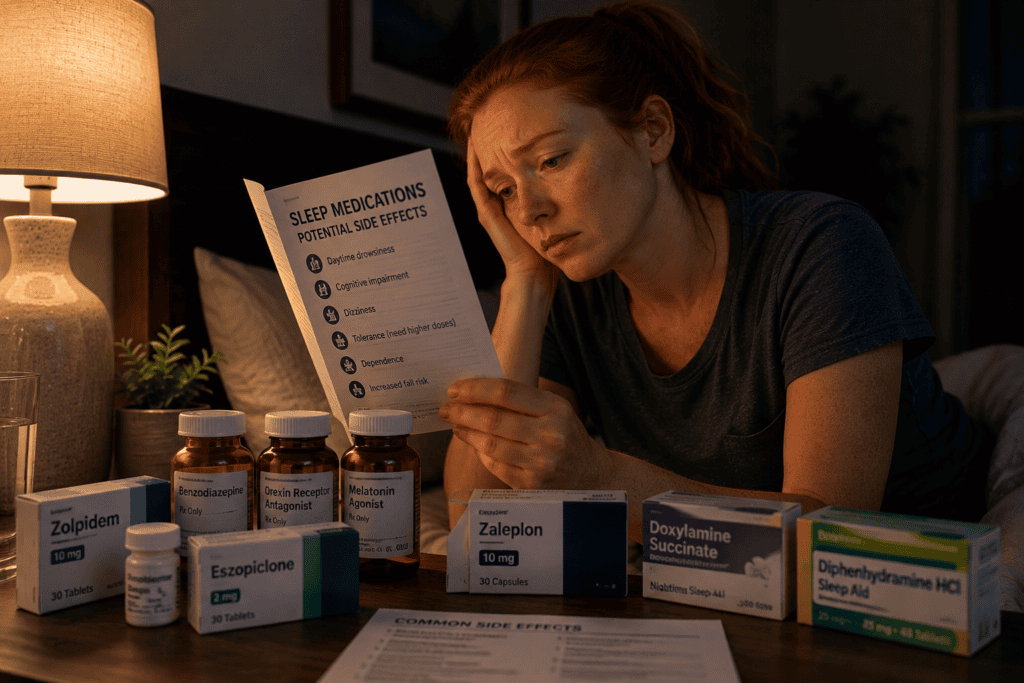
Standard care for insomnia typically involves sleep medications. Benzodiazepines and Z-drugs (zolpidem, eszopiclone, zaleplon) reduce sleep-onset time but produce side effects including daytime cognitive impairment, tolerance requiring higher doses, dependence, and increased fall risk in older adults. Melatonin agonists and orexin receptor antagonists are newer options with somewhat different side effect profiles. Over-the-counter sleep aids typically contain diphenhydramine (Benadryl) which produces significant next-day grogginess and cognitive effects.
The current clinical guidelines from the American Academy of Sleep Medicine and the American College of Physicians recommend cognitive behavioral therapy for insomnia (CBT-I) as first-line treatment before pharmaceuticals. CBT-I addresses the conditioned arousal, sleep restriction, stimulus control, and thinking patterns of insomnia and produces sustained improvements without the side effects of medication. The limitation is access. There are relatively few CBT-I trained providers, sessions are not always covered by insurance, and the treatment requires patient commitment over several weeks.
Many patients cycle through medications with partial or limited relief while dealing with side effects. Others try CBT-I but find the sleep restriction phase difficult. Others need additional support that neither medications nor CBT-I fully provides.
How Acupuncture Treats Insomnia
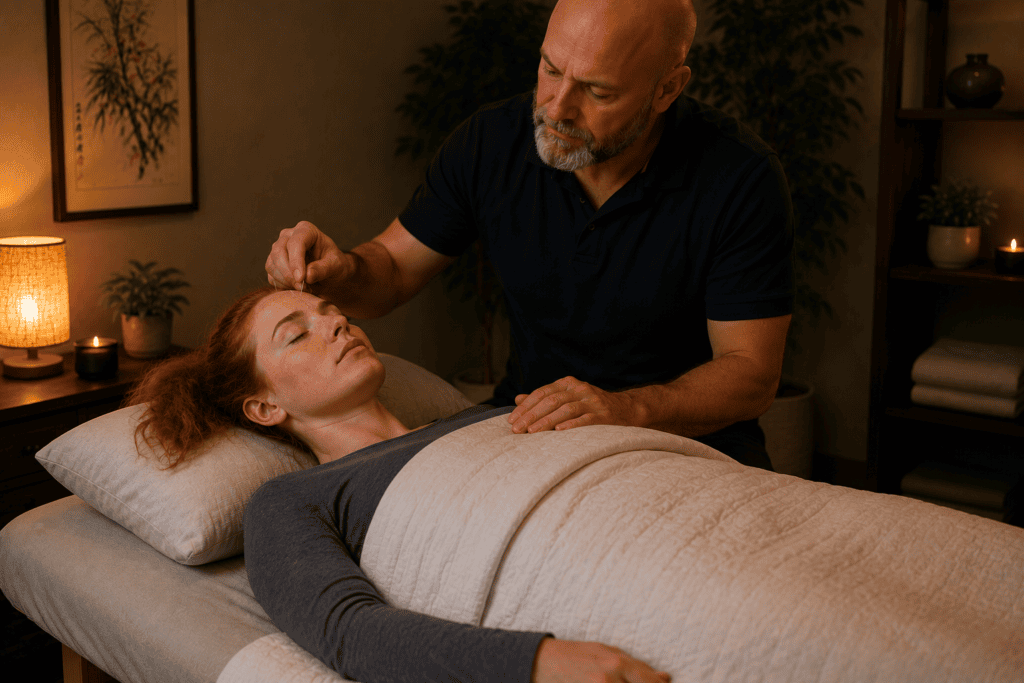
Acupuncture addresses insomnia through several mechanisms that directly target the hyperarousal pattern driving the condition.
- Nervous system regulation. Acupuncture produces measurable shifts from sympathetic dominance toward parasympathetic activation. This is one of the most consistent findings across acupuncture research. The shift supports the physical state required for falling asleep.
- Stress hormone regulation. Acupuncture reduces cortisol and regulates the stress hormone system that drives hyperarousal. This addresses the biological basis of chronic insomnia.
- Vagal stimulation. The vagus nerve is the primary parasympathetic pathway and directly influences falling asleep. Acupuncture stimulates vagal tone in ways that support the transition into sleep.
- Melatonin and serotonin regulation. Multiple studies have documented that acupuncture affects the neurotransmitters that regulate sleep including melatonin and serotonin.
- Muscular relaxation. Chronic muscular tension contributes to the hyperarousal state. Acupuncture releases this tension directly, which supports the physical relaxation required for sleep.
- Pattern differentiation. Traditional Chinese Medicine identifies specific patterns producing insomnia in each patient. Heart Yin Deficiency produces the pattern with difficulty falling asleep, mental restlessness, and mild anxiety. Liver Qi Stagnation produces the stress-triggered pattern with waking around 1 to 3 am. Kidney Yin Deficiency produces the pattern with early morning waking, hot flashes, and night sweats often seen in perimenopause. Spleen Qi Deficiency with Blood Deficiency produces the pattern with fatigue, poor sleep quality, and unrefreshing sleep. A licensed acupuncturist identifies which patterns are dominant and treats accordingly.
What Does Acupuncture Actually Do to Your Body? covers the mechanisms in more detail. The NCCIH summary on acupuncture describes the research base for the treatment.
The Holistic Approach
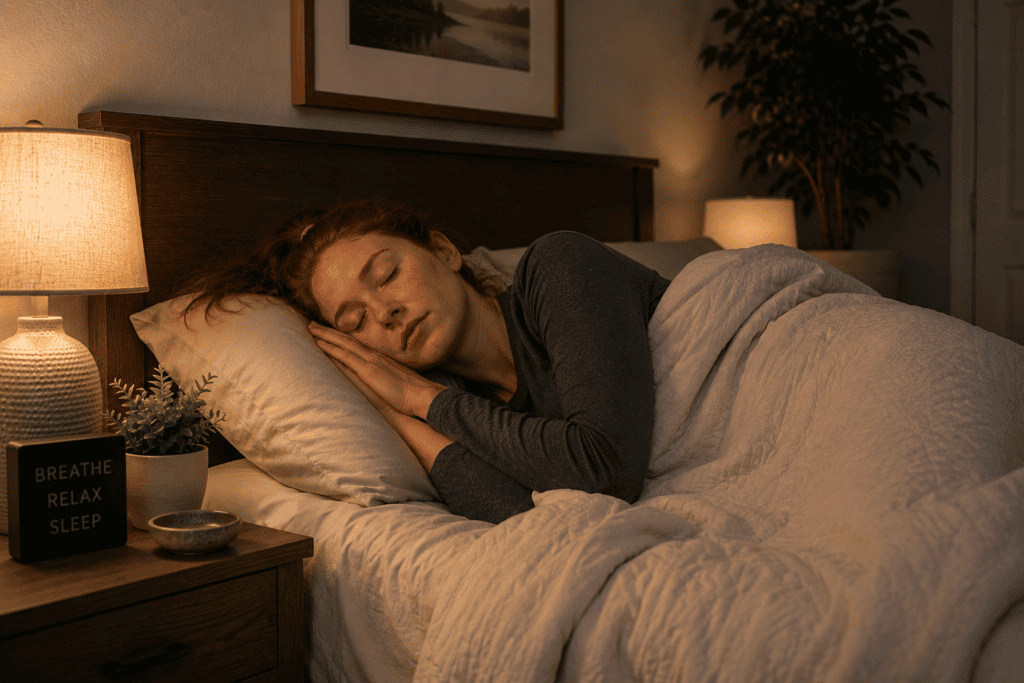
Insomnia responds best to an integrated approach that addresses each of the components.
- Sleep routine. Consistent sleep and wake times. A cool, dark, quiet bedroom. Removing screens from the bedroom. Limiting caffeine after early afternoon. Avoiding alcohol as a sleep aid because it disrupts sleep architecture.
- Stimulus control. Using the bed only for sleep. Getting out of bed if unable to sleep after 20 minutes and returning only when sleepy. This helps break the conditioned arousal pattern.
- Sleep restriction. Temporarily limiting time in bed to consolidate sleep. This is a core CBT-I technique that also amplifies the benefit of acupuncture.
- Stress management. Direct nervous system practices including breath work, meditation, and gentle movement that reduce the sympathetic activation driving insomnia.
- Home remedies. Traditional and evidence-based approaches to supporting sleep at home. Home Remedies for Insomnia covers specific approaches.
- Managing caffeine and alcohol. Both interfere with sleep architecture in ways that patients often underestimate.
- Light exposure regulation. Morning sunlight supports the circadian rhythm. Evening light exposure (particularly blue light from screens) disrupts it.
What to Expect From Treatment
Insomnia treatment with acupuncture is a course of treatment rather than a single session. Most patients need six to twelve sessions over two to three months to see meaningful sustained improvement. The improvements often emerge in stages. The initial sessions typically produce noticeable relaxation and slight improvement in sleep. As the course of treatment progresses, falling asleep gets easier, night wakings become less frequent, and daytime energy improves.
How Long Until I Feel Better From Acupuncture? covers realistic timeline expectations in more detail.
When to See a Medical Professional
Sleep problems accompanied by loud snoring, witnessed pauses in breathing, morning headaches, or excessive daytime sleepiness warrant evaluation for sleep apnea. Insomnia accompanied by significant depression, thoughts of self-harm, or substance use warrants mental health evaluation. Sudden new onset of severe insomnia in older adults sometimes indicates underlying medical conditions that require evaluation.
For patients whose insomnia is not fully responding to standard care, acupuncture treatment offers a substantial intervention that addresses the underlying hyperarousal pattern. Anxiety, Stress, and Depression covers the nervous system framework that contributes to insomnia.
To learn more about what services this clinic offers please click: Acupuncture, Cupping & Lifestyle Coaching.
Reach out to Above and Beyond Acupuncture on North Frank Lloyd Wright Boulevard in Scottsdale to schedule a consultation.
Schedule an appointment online or call us today to start your healing journey.