Key Takeaways
- Fibroids commonly cause heavy periods and pain for women, but home remedies for fibroids can help alleviate symptoms.
- Effective home remedies include castor oil packs, heat application, ginger tea, ground flaxseed, and warm meals.
- Maintaining good iron levels through diet and journaling your cycle can support recovery and identify effective remedies.
- Regular light exercise, stress management, and staying warm contribute to overall well-being and symptom relief.
- See a doctor if you experience persistent heavy bleeding, pelvic pressure, or severe pain, as these symptoms may require medical attention.
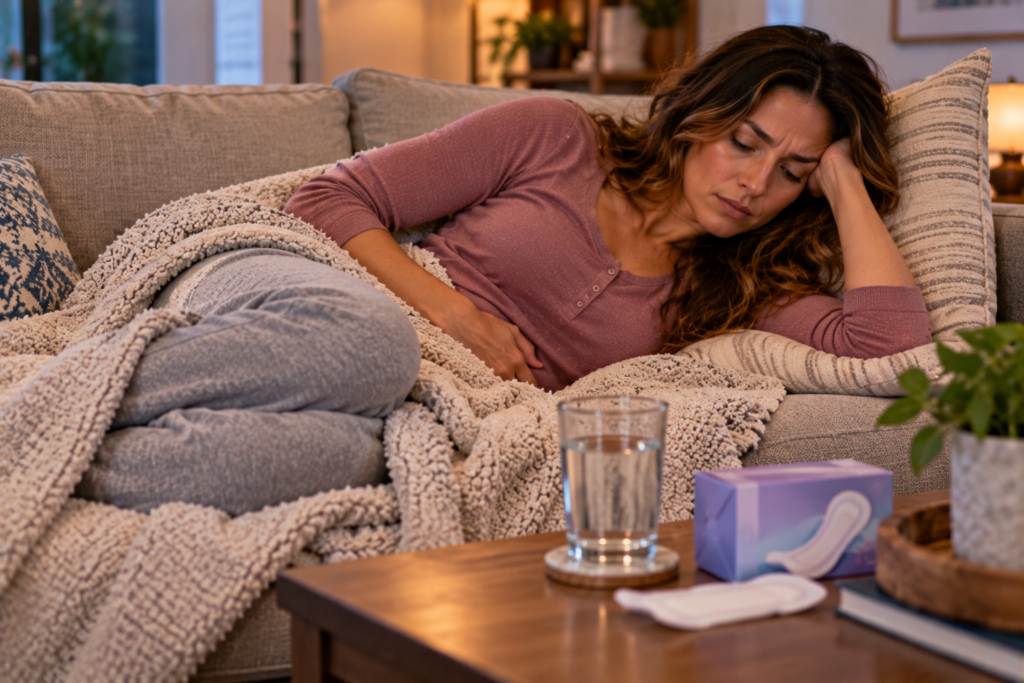
Fibroids are among the most common conditions affecting the uterus. For many women, the hardest part isn’t the diagnosis itself, but coping with symptoms month after month. Heavy periods, cramping, a full or heavy feeling in the lower belly, bloating, and exhaustion can make the days around your period feel like something to endure rather than live through.
The positive news is that numerous options are available for you to try at home.
While home remedies can’t eliminate fibroids or replace medical care, they may help you feel better and recover more easily after each period. Traditional Chinese Medicine views fibroids as a sign that Qi and Blood aren’t flowing well in the lower abdomen. Many home remedies focus on warmth, improved circulation, gentle nourishment, and stress reduction.
Try a Castor Oil Pack
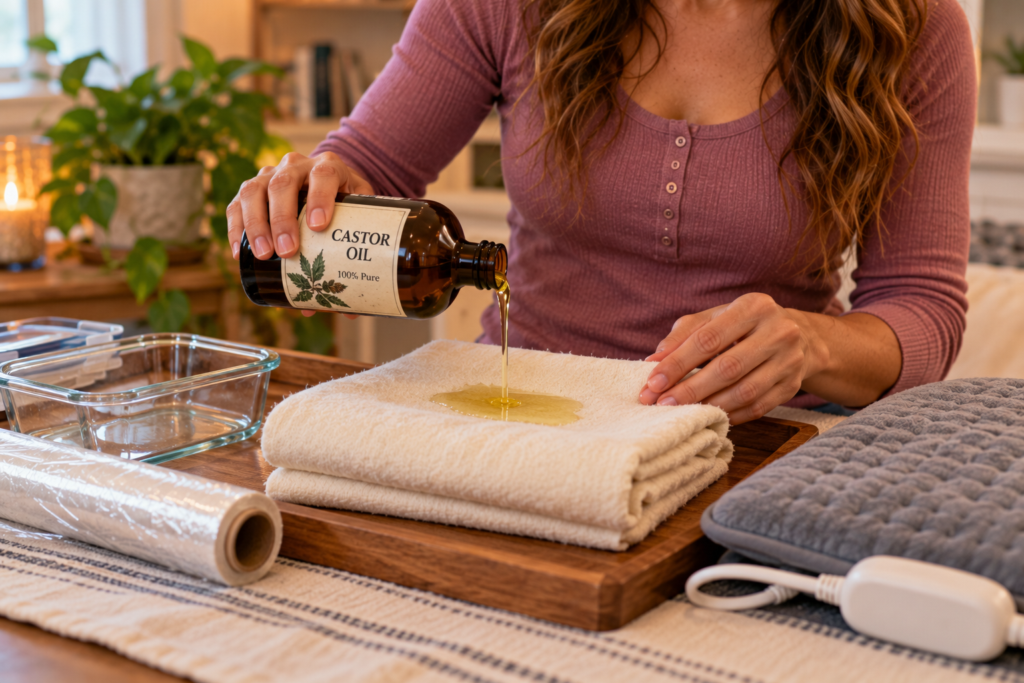
Castor oil packs are a popular home remedy for fibroids. To make one, soak a cloth in castor oil, place it on your lower abdomen, and apply gentle heat over it. This is thought to improve circulation and ease congestion in the area. Although research on castor oil packs for fibroids is limited, many people find them soothing for pelvic heaviness, cramps, and bloating.
To make a castor oil pack:
- Soak a piece of cotton or wool flannel in cold-pressed castor oil until it is saturated but not dripping.
- Lie down and place the cloth over the lower abdomen, between the navel and the pubic bone.
- Cover it with a piece of plastic wrap or an old towel, then place a heating pad or hot water bottle on top.
- Rest for thirty to sixty minutes, then wipe the area clean.
- Store the cloth in a sealed container in the refrigerator and reuse it for several weeks.
Use castor oil packs between periods, but avoid them during menstruation, pregnancy, or while trying to conceive, as well as on broken or irritated skin. Never take castor oil by mouth for this purpose.
Use Heat for Cramping and Pressure
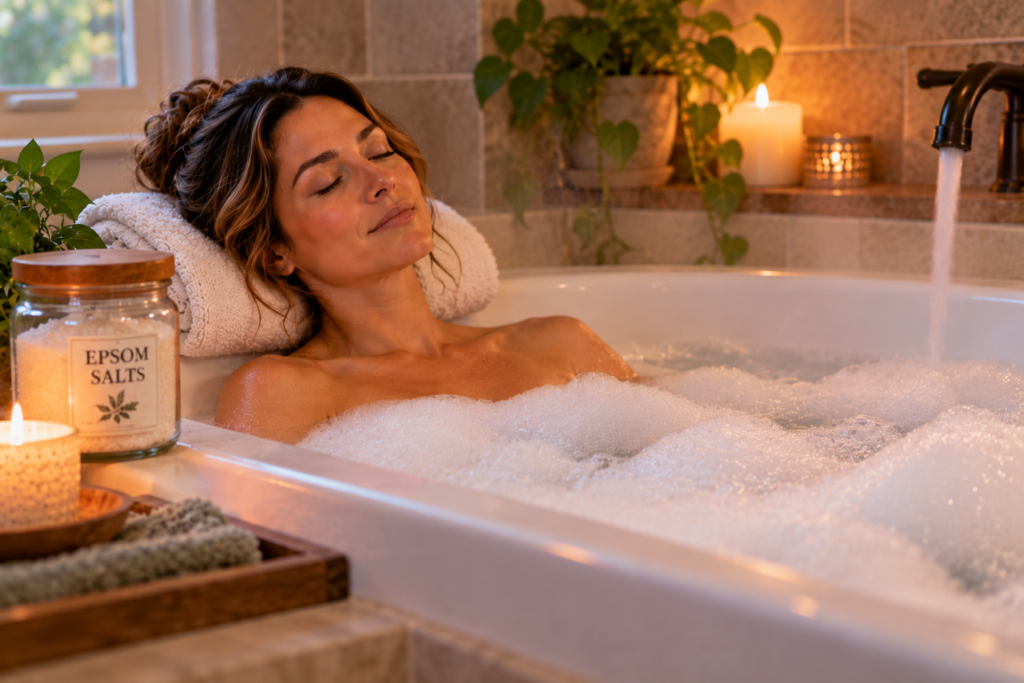
Heat is one of the simplest and most effective ways to ease fibroid cramps. It relaxes the uterine muscles, boosts blood flow in the pelvis, and soothes the dull ache fibroids can cause. In Traditional Chinese Medicine, warmth is thought to keep Qi and Blood moving and counteract Cold, which can slow circulation in the lower abdomen.
Place a heating pad or hot water bottle on your lower abdomen or back for 20 to 30 minutes at a time. A warm bath with Epsom salts may also help your whole body relax. In cold weather or air conditioning, keep your belly and lower back covered to help prevent cramps. Always place a layer of fabric between your skin and the heat, and never fall asleep while using a heating pad.
Drink Ginger Tea
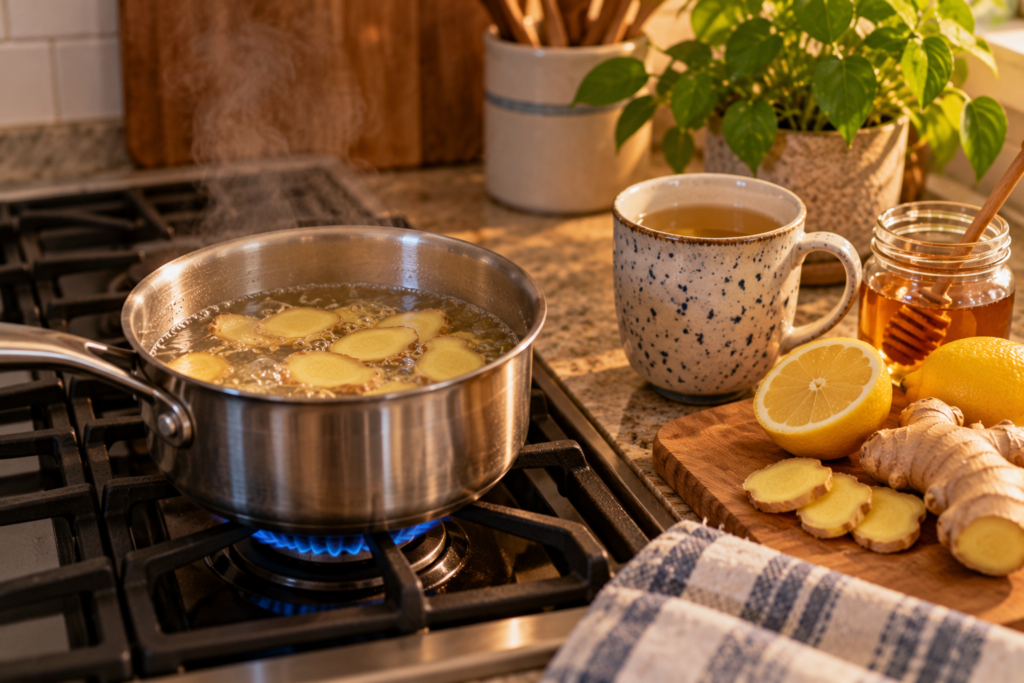
In Traditional Chinese Medicine, ginger is considered a warming spice and is often used to warm the abdomen and ease cramps. Studies have examined ginger for period pain, and one review in Pain Medicine found that taking ginger powder during the first few days of your period may help relieve menstrual pain.
To make fresh ginger tea, slice a two-inch piece of ginger and simmer it in two cups of water for 10 to 15 minutes. Drink it warm, adding lemon or honey if you like. Ginger tea may be especially soothing before and during your period. If you take blood thinners, talk to your doctor before using ginger supplements.
Add Ground Flaxseed and Fiber
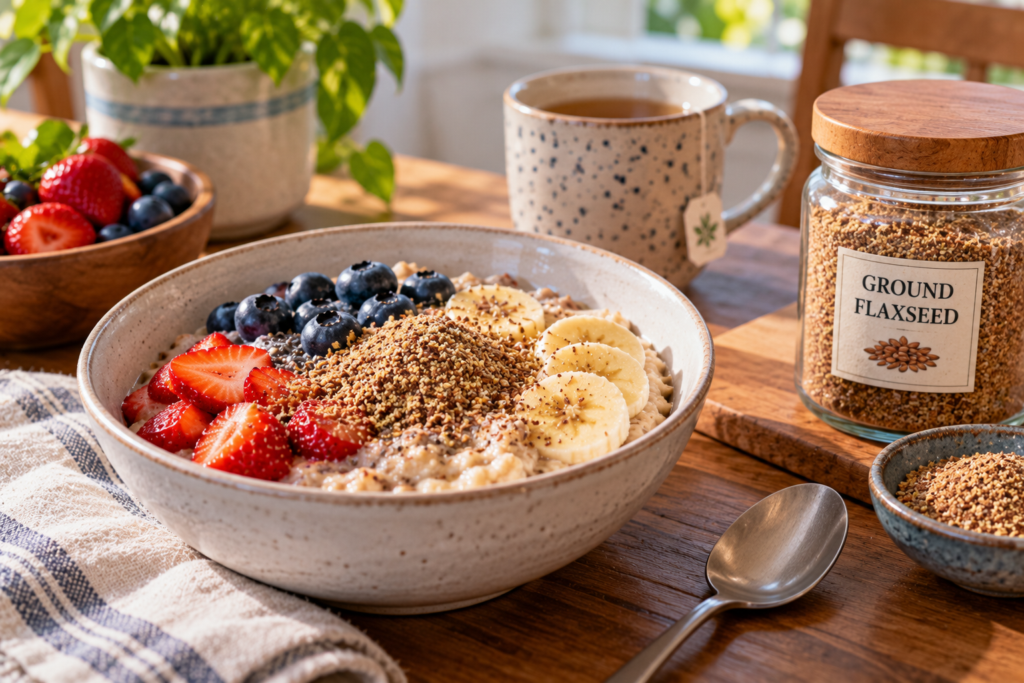
Fibroids can grow in response to estrogen, and fiber helps your body eliminate excess estrogen through digestion. Ground flaxseed is an easy way to add fiber to your diet. It also contains lignans, plant compounds that interact with estrogen in the body.
Add one or two tablespoons of ground flaxseed to oatmeal, yogurt, smoothies, or soups each day, and drink plenty of water. Whole flaxseeds often pass through undigested, so choose ground flaxseed or grind it yourself. For extra fiber and regular digestion, try eating more vegetables, beans, lentils, and whole grains. Staying regular matters because constipation can increase pelvic pressure when fibroids press on your bowel.
Cook Warm, Simple Meals
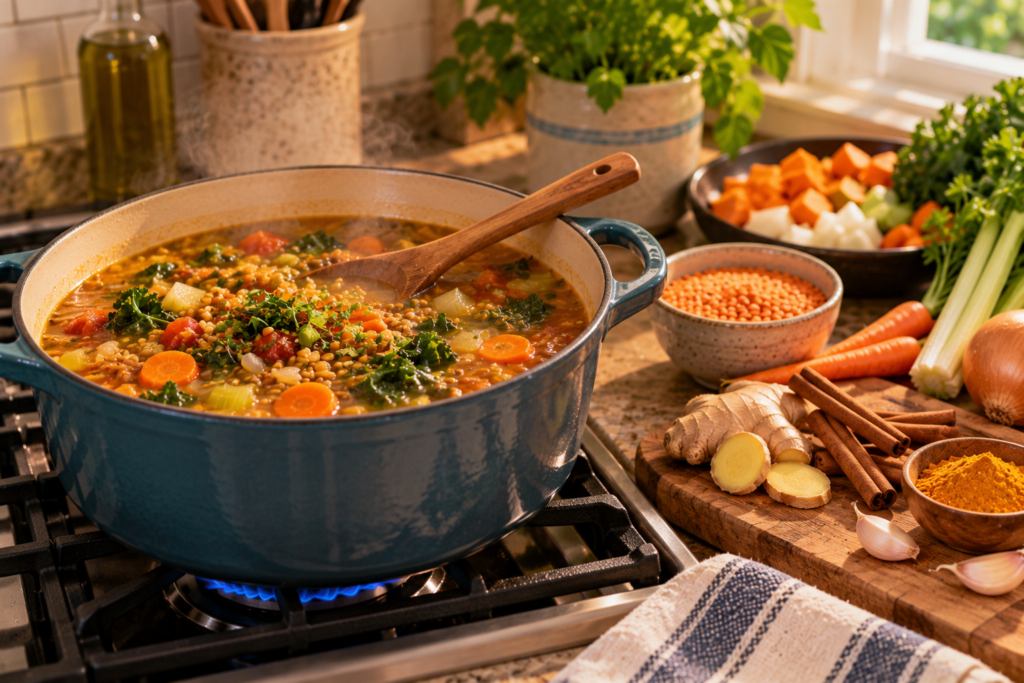
Traditional Chinese Medicine favors warm, cooked foods, based on the belief that the Spleen, which aids digestion, functions best with warm meals. Cold drinks, raw salads, and cold smoothies are thought to slow circulation in the lower abdomen. Good options include soups, stews, congee, steamed vegetables, and roasted root vegetables.
Use warming, anti-inflammatory spices such as ginger, cinnamon, and turmeric in your cooking. Try to cut back on alcohol, sugary drinks, and processed snacks, which can increase inflammation and worsen heavy periods and bloating.
You can also learn more about why Traditional Chinese Medicine recommends avoiding ice.
Rebuild Your Blood After Heavy Periods
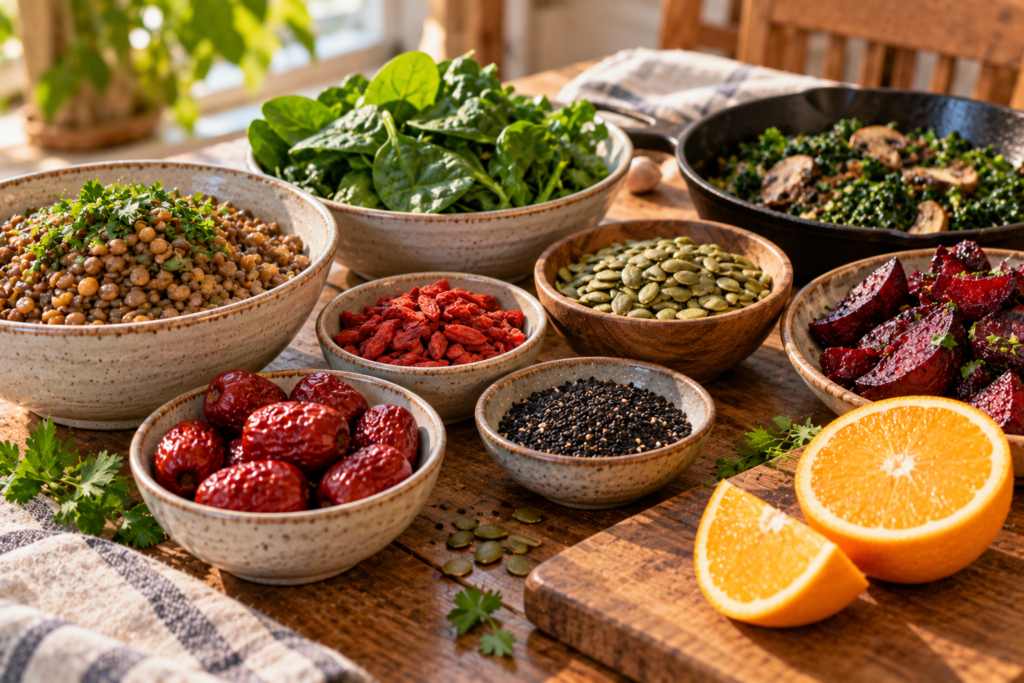
Heavy monthly bleeding can lower your iron levels and lead to anemia, leaving you tired, dizzy, short of breath, or pale. If you have fibroids, eating foods that help rebuild your blood is one of the most important things you can do at home.
- Eat iron-rich foods such as lentils, beans, spinach, dark leafy greens, pumpkin seeds, and, if you eat meat, moderate amounts of red meat, liver, or sardines.
- Pair iron-rich foods with vitamin C, such as citrus, bell peppers, or strawberries, to help the body absorb the iron.
- Avoid drinking coffee or black tea with meals, since they can block iron absorption.
- Cook in a cast iron pan, which adds a small amount of iron to food.
- Include foods traditionally used in Traditional Chinese Medicine to build the Blood, such as Chinese red dates, goji berries, black sesame seeds, beets, and bone broth.
If your periods are heavy, ask your doctor to check your iron levels, and take supplements only as recommended.
Try a Warm Foot Soak
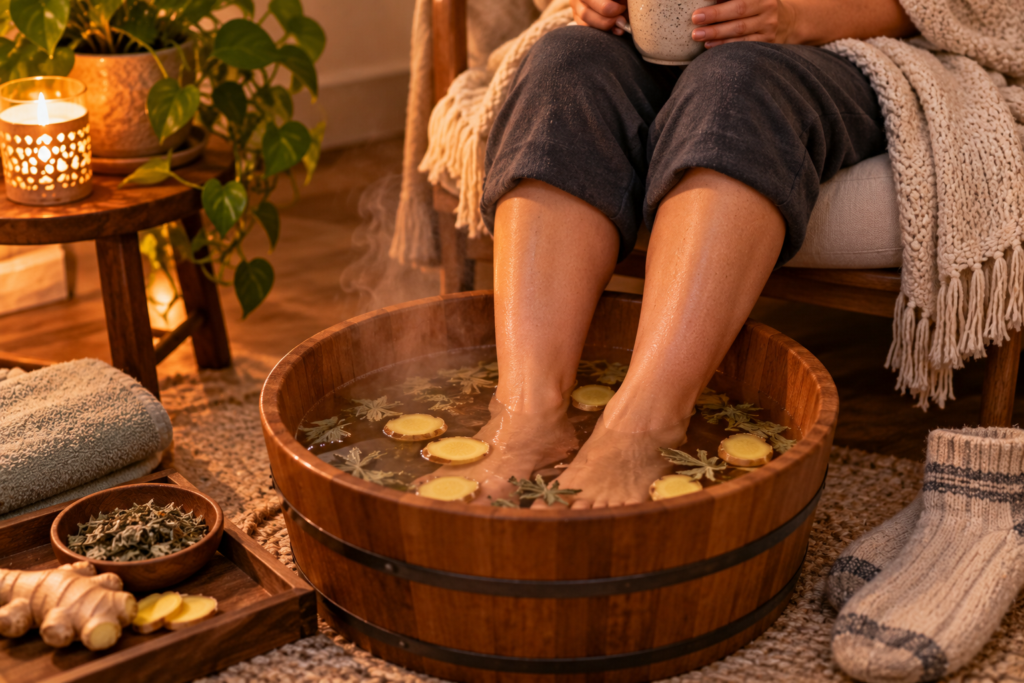
A warm foot soak is a simple remedy often used in the evening and has a long history in Traditional Chinese Medicine. Some believe that channels connected to the lower abdomen and uterus originate in the feet, so warming your feet may help draw circulation downward, ease cramps, and help you relax before bed.
Fill a basin with enough warm water to cover your ankles. For extra warmth, add a few slices of fresh ginger or some dried mugwort. Soak your feet for 15 to 20 minutes, until you feel warm all over. Dry your feet thoroughly and put on socks to retain the heat. Avoid foot soaks if you have numbness in your feet, diabetes-related nerve damage, or open wounds, since you may not be able to tell if the water is too hot.
Keep a Cycle Journal
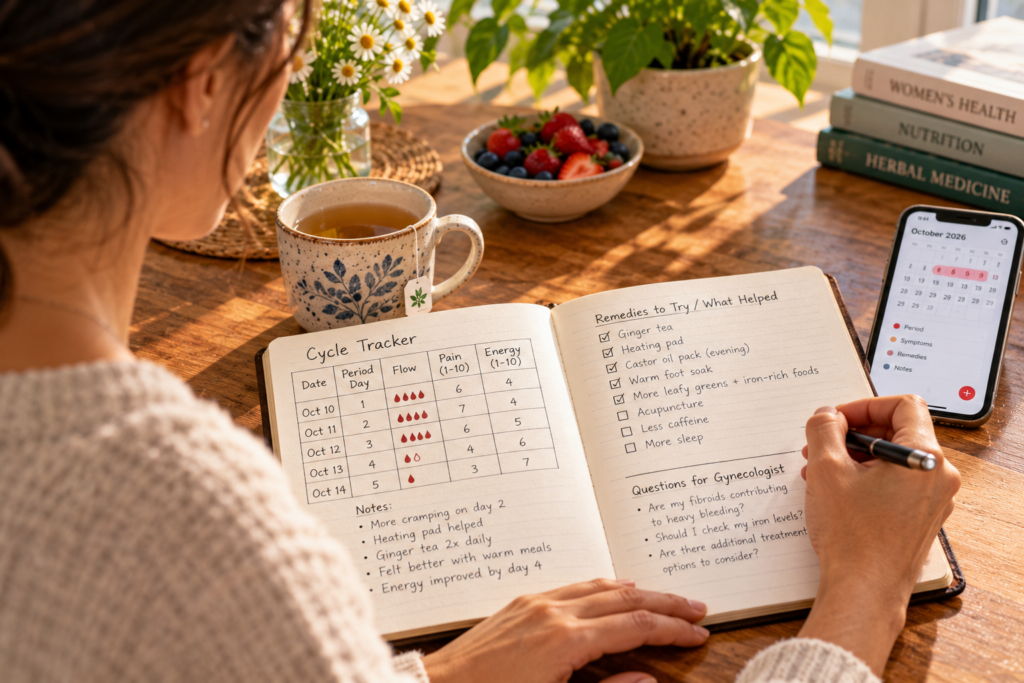
Keeping a simple journal can be helpful if you have fibroids. Each day of your period, note how many pads or tampons you use, the size of any clots, your pain level and energy, and any pressure or urinary symptoms. Also record how long your period lasts and how many days pass between periods.
After a few months, your journal can show whether your symptoms are staying the same, improving, or getting worse, and which home remedies help most. It also gives your gynecologist helpful information for making decisions about your care.
A Few More Everyday Habits
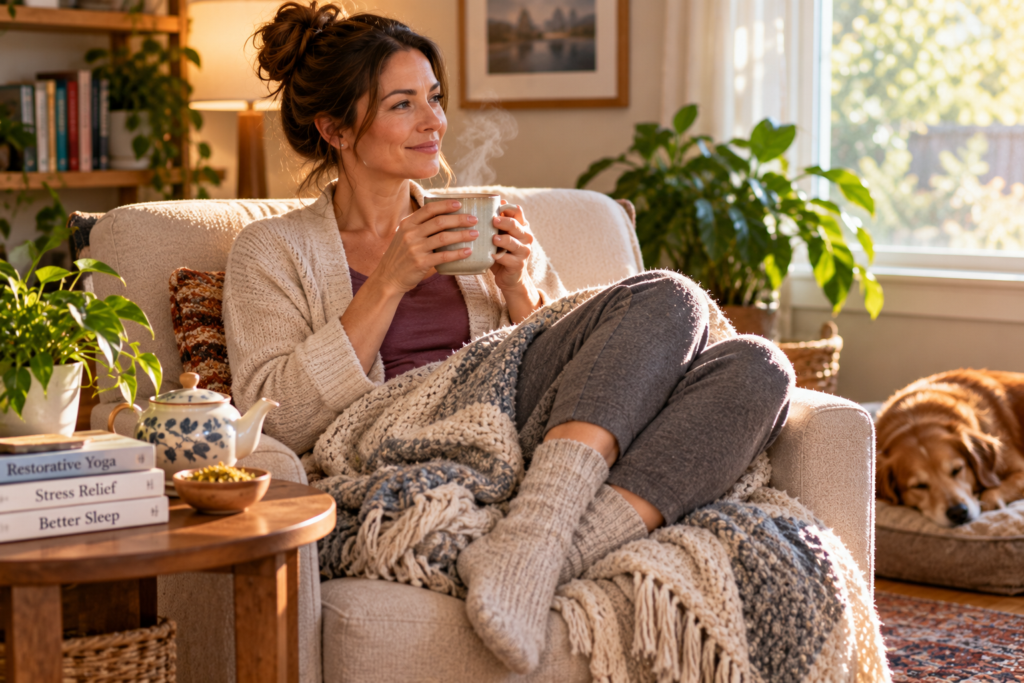
Small daily habits can support these remedies. Move your body each day by walking, swimming, gentle yoga, or stretching to keep blood flowing through your pelvis. On heavy days, choose gentler activities. Get enough sleep so your body can repair and rebuild Blood while you rest. Find simple ways to manage stress, such as slow breathing, spending time outside, or journaling. In Traditional Chinese Medicine, stress is thought to slow the flow of Blood. Keep your feet warm with socks or slippers, and sip warm water or herbal tea throughout the day.
You can also learn more about how acupuncture can help with stress.
When to See a Doctor
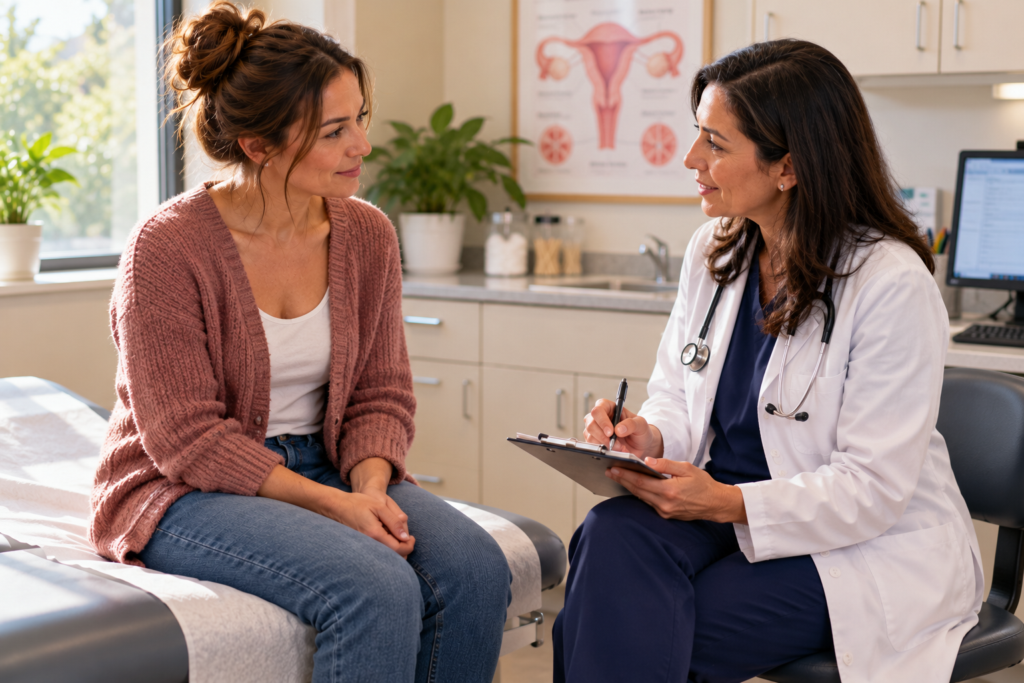
See your gynecologist if your periods are heavy, last longer than seven days, or include large clots, or if you experience pelvic pressure, frequent urination, constipation, or pain during sex. If you have fibroids and are trying to get pregnant, an exam and ultrasound can help guide your care. Contact your doctor promptly if you have bleeding between periods or after menopause; signs of anemia, such as fatigue, dizziness, a racing heart, or shortness of breath; or a fibroid that seems to be growing quickly. Get emergency care if bleeding soaks through a pad or tampon every hour for several hours, you develop sudden, severe pelvic pain, or you have heavy bleeding with lightheadedness or fainting.
Home remedies can provide gentle relief from fibroid symptoms; however, they should not replace a diagnosis or appropriate medical care when necessary.
For related reading, learn how to use acupressure for fibroids for a complete point routine, explore how to holistically treat fibroids with acupuncture and herbal medicine, and read more about home remedies for bloating and gas.
Above and Beyond Acupuncture offers acupuncture, cupping, and lifestyle coaching at the North Frank Lloyd Wright Boulevard location in Scottsdale.
Schedule an appointment online to start your healing journey.

About the Publisher
Paul Kerzner, L.Ac., is a licensed acupuncturist and board-certified herbalist, as well as the founder of Above and Beyond Acupuncture in Scottsdale. His own journey from chronic patient to practicing acupuncturist shapes his commitment to providing honest, clinically grounded information about acupuncture and Traditional Chinese Medicine. Learn more about Paul and his clinical approach on the About Us page.