Key Takeaways
- Fibroids are common and can cause a variety of symptoms, prompting many women to seek ways to holistically treat fibroids.
- A holistic approach considers factors like hormones, stress, and diet to manage fibroids while working alongside medical guidance.
- Traditional Chinese Medicine views fibroids as masses related to Qi and Blood flow, offering personalized treatment that addresses individual imbalances.
- Holistic care methods include acupuncture, herbal medicine, dietary adjustments, and lifestyle changes to ease symptoms and promote overall wellness.
- Consulting with a gynecologist remains essential to monitor fibroid changes and decide on medical interventions if necessary.
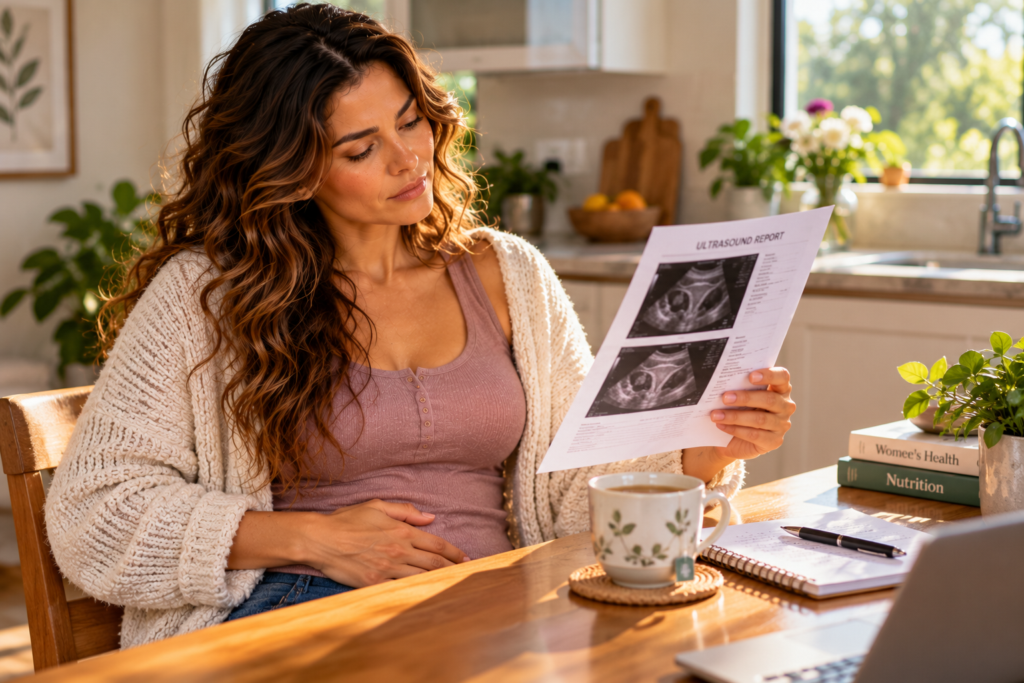
Have you been told you have fibroids and that, for now, the plan is simply to watch and wait? Or are your periods so heavy and painful that you’re considering surgery and wondering whether there’s anything else to try first? Many women with fibroids want to do more than wait. They want to understand why fibroids develop, find ways to ease their symptoms, and support their bodies naturally and sustainably.
Fibroids are remarkably common. In a large ultrasound study published in the American Journal of Obstetrics and Gynecology, researchers estimated that by age fifty, more than eighty percent of black women and nearly seventy percent of white women had developed them. For many women, fibroids never cause problems. For others, they affect daily life, causing heavy bleeding, cramping, pelvic pressure, back pain, bloating, frequent urination, and anemia-related exhaustion.
A holistic approach doesn’t mean skipping medical care. It means considering the whole person, including hormones, digestion, stress, diet, and circulation, and combining natural therapies with guidance from a gynecologist. This article explains what fibroids are, how Traditional Chinese Medicine views them, and which holistic therapies and daily habits may help women living with fibroids.
What Are Fibroids?
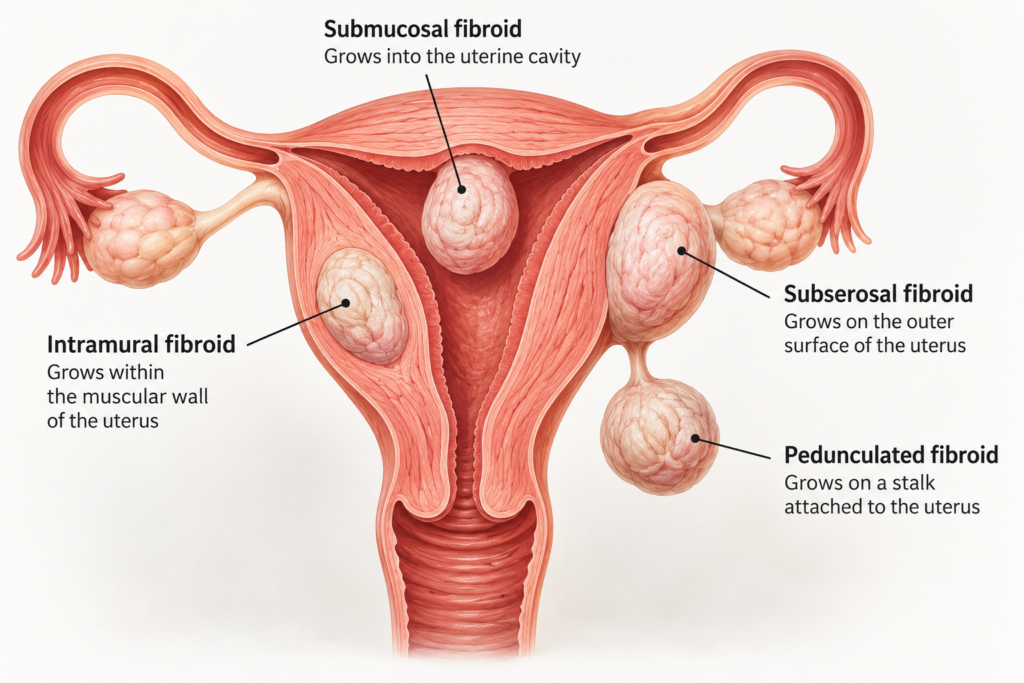
Uterine fibroids, also called leiomyomas or myomas, are noncancerous growths made up of smooth muscle and fibrous tissue. They can range in size from a seed to a melon, and you may have one or several. Fibroids are classified by where they grow:
- Intramural fibroids grow within the muscular wall of the uterus and are the most common type.
- Submucosal fibroids bulge into the uterine cavity and are most likely to cause heavy bleeding.
- Subserosal fibroids grow on the outer surface of the uterus and are more likely to cause pressure on the bladder or bowel.
- Pedunculated fibroids hang from the uterus on a small stalk.
Because fibroids grow in response to estrogen and progesterone, they typically develop during the reproductive years and often shrink after menopause. Risk increases with age, particularly in your forties, and is higher for Black women, women with a family history of fibroids, those who began menstruating early, and those with higher body weight. Studies also suggest that low vitamin D, a diet high in red meat, and alcohol consumption may increase risk, while eating plenty of fruits and vegetables may reduce it.
How Traditional Chinese Medicine Views Fibroids
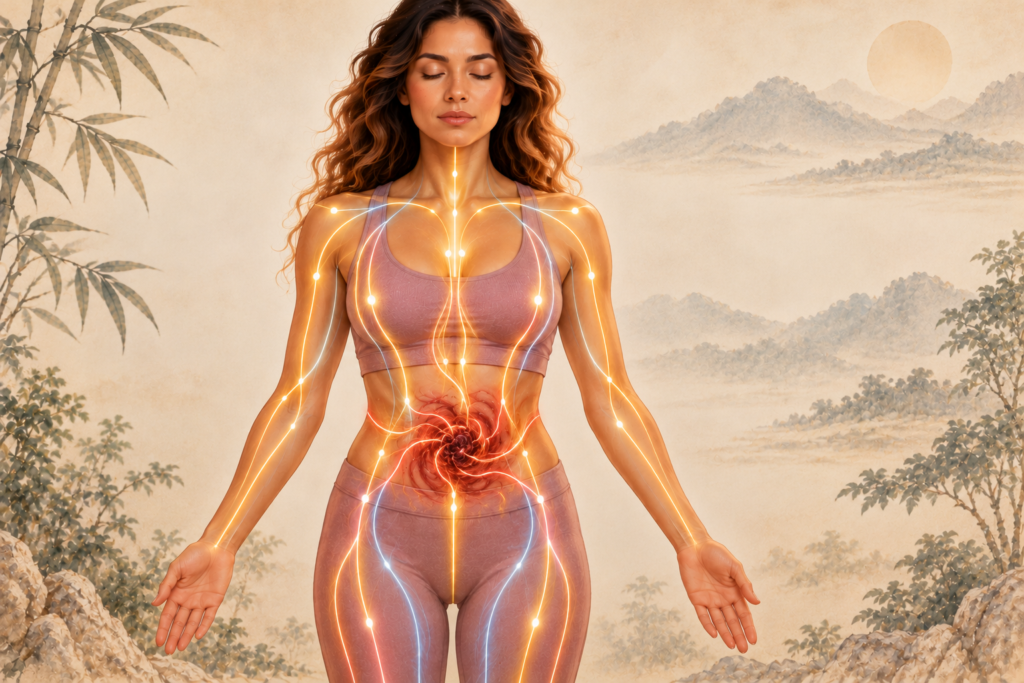
In Traditional Chinese Medicine, fibroids belong to a group of conditions called “zheng jia,” meaning masses that form in the lower abdomen. They develop when Qi and Blood stop flowing smoothly and begin to accumulate in one area. The key question is what caused the flow to slow down, and the answer differs for each woman.
Traditional Chinese Medicine recognizes several common patterns associated with fibroids:
- Qi stagnation and Blood stasis: Stress and frustration constrain the Liver Qi, and the Blood stops moving freely. This pattern brings painful periods with dark clots, breast tenderness, irritability before the period, and fixed, stabbing pain.
- Phlegm and Dampness: When digestion is weak, the body accumulates Dampness, which congeals into Phlegm and adds bulk to the mass. This pattern often comes with bloating, heaviness, fatigue, weight gain, and vaginal discharge.
- Cold congealing in the uterus: Cold slows circulation in the lower abdomen. This pattern brings cramping that improves with warmth, cold hands and feet, and dark, clotted blood.
- Qi and Blood deficiency: Heavy bleeding, month after month, drains the body.. When the Spleen becomes too weak to hold the Blood in the vessels, periods become even heavier, along with fatigue, pale skin, dizziness, and shortness of breath.
Most women experience a mix of these patterns, so treatment plans are tailored to their needs. For example, someone with heavy bleeding and exhaustion may need to nourish and support the Blood, while someone with severe clots and sharp pain may need to get the Blood moving. This personalized approach is central to holistic fibroid care.
What Does It Mean to Treat Fibroids Holistically?
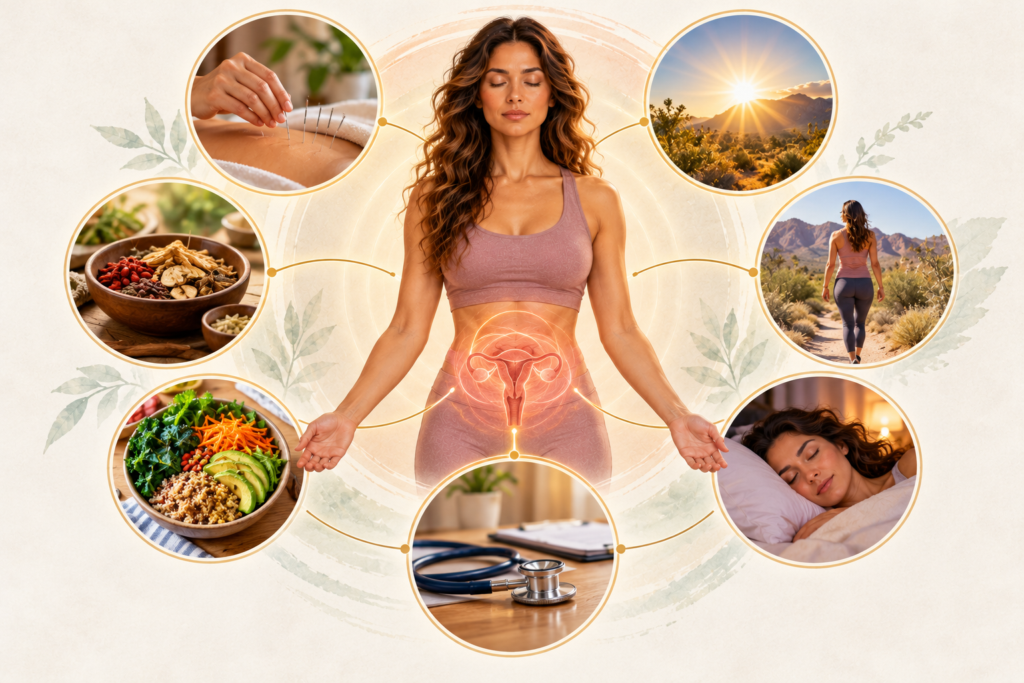
Holistic fibroid care aims to achieve several goals at once:
- Reduce symptoms that interfere with daily life, such as heavy bleeding, pain, pressure, and fatigue.
- Address the underlying factors that led to the fibroids’ development, rather than focusing solely on the mass itself.
- Promote healthy hormone balance with nourishing food, regular movement, good sleep, and stress relief.
- Restore your body after months or years of heavy bleeding.
- Work with a gynecologist who can track fibroid size using ultrasound and discuss medical options if needed.
Many women with small or mild fibroids are advised to monitor them and wait. This can be a good time to begin holistic care.
Acupuncture

Acupuncture is a key part of Traditional Chinese Medicine for fibroids. The acupuncturist begins with a detailed assessment of your pulse and tongue, the timing and symptoms of your period, and your digestion, sleep, and stress. This helps identify the pattern behind your fibroids. They then use fine, sterile needles at points intended to move Qi and Blood, warm the lower abdomen, strengthen the Spleen, and regulate your cycle.
Acupuncture may help ease menstrual pain, pelvic heaviness, heavy or prolonged periods, stress, low energy, and trouble sleeping. Treatments are usually timed to your cycle, using different points before, during, and after your period. Because fibroids develop over years, acupuncture tends to work best with regular treatment over several months, often alongside herbal medicine.
Learn more about how many acupuncture treatments you may need.
Chinese Herbal Medicine
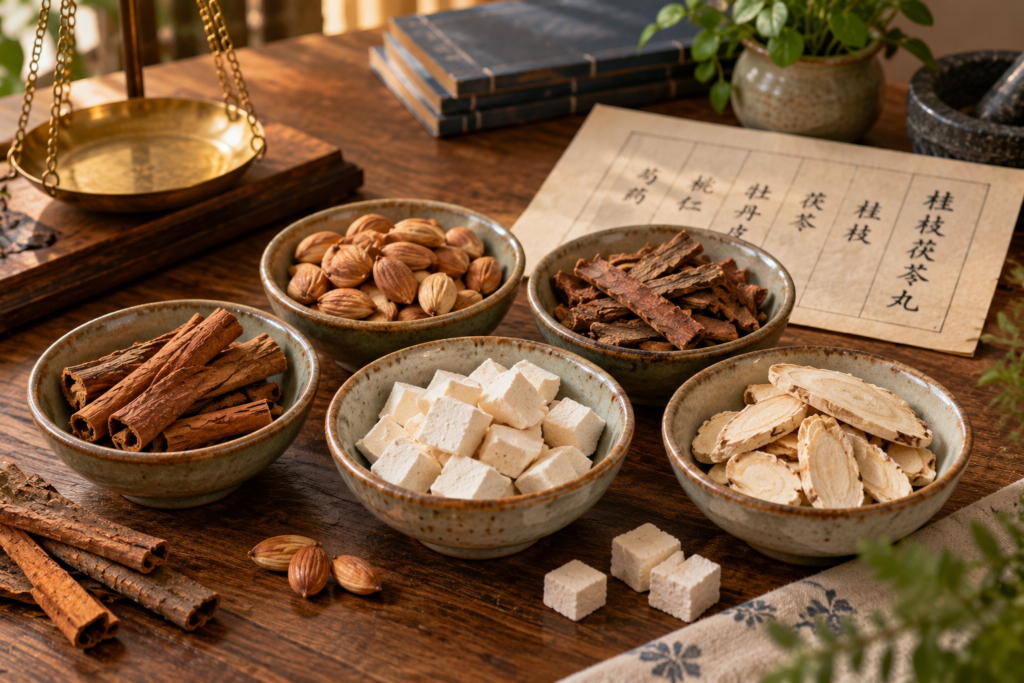
Herbal medicine has long been one of the most important tools in Traditional Chinese Medicine for treating masses in the lower abdomen. The best-known formula is Guizhi Fuling Wan, or the Cinnamon Twig and Poria Pill, first recorded nearly two thousand years ago. It combines cinnamon twig, poria, peony root, peach kernel, and tree peony bark to warm the channels, move stagnant Blood, and gradually reduce masses.
Guizhi Fuling has been studied extensively in China. A systematic review published in BMC Complementary Medicine and Therapies analyzed twenty-eight randomized trials involving 2,813 patients. When Guizhi Fuling capsules were added to a low dose of the medication mifepristone, fibroid volume, uterine volume, and menstrual flow decreased significantly more than with the medication alone, without a significant increase in side effects.
Herbal formulas are tailored to each person. A formula for heavy bleeding and exhaustion differs from one for clots and sharp pain. Some Blood-moving herbs may not be safe during heavy bleeding or pregnancy, so herbs should only be prescribed by a licensed practitioner familiar with your health history and any medications you take.
Acupressure at Home
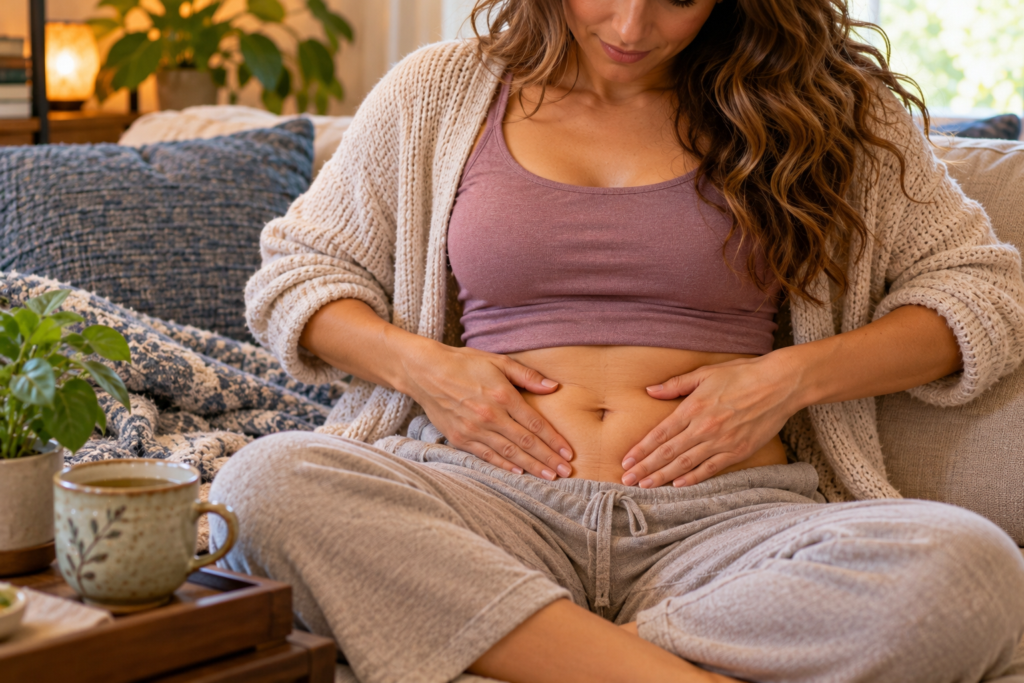
Acupressure applies firm finger pressure to the same points used in acupuncture, allowing you to take an active role in your daily care. Points such as SP6 above the inner ankle, SP10 above the knee, and LR3 on the top of the foot help move Blood, ease cramps, and regulate your cycle. ST36, below the knee, helps restore energy after heavy periods. Gentle pressure or a warm hand on your lower abdomen may also support circulation.
Do not use SP6 or SP10, or apply pressure to your lower abdomen, during pregnancy.
Learn more about acupressure for fibroids.
Food and Nutrition
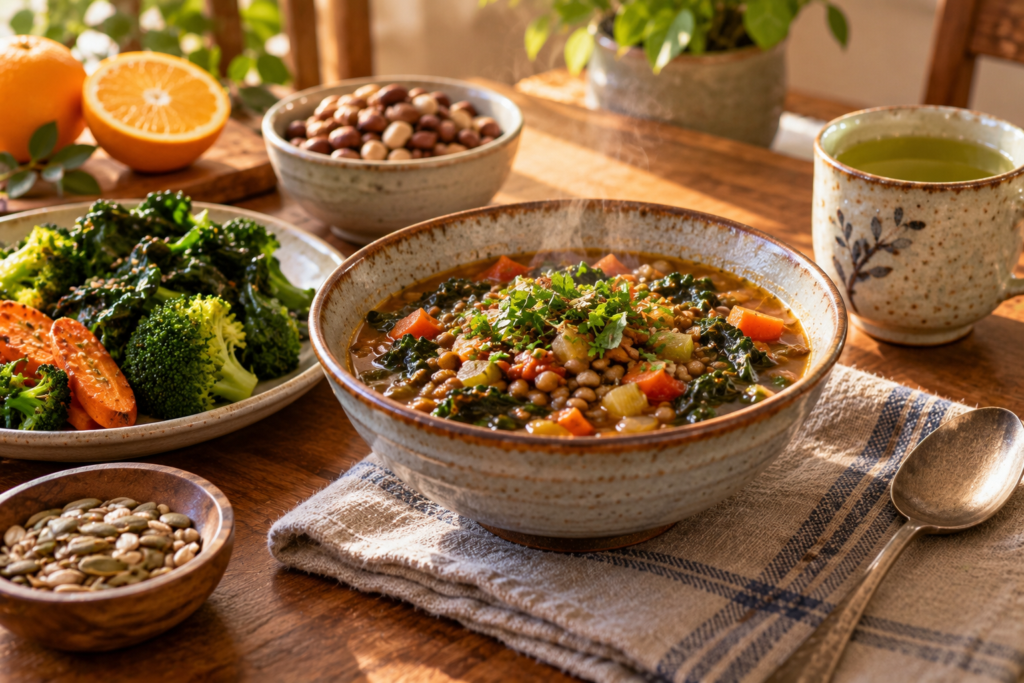
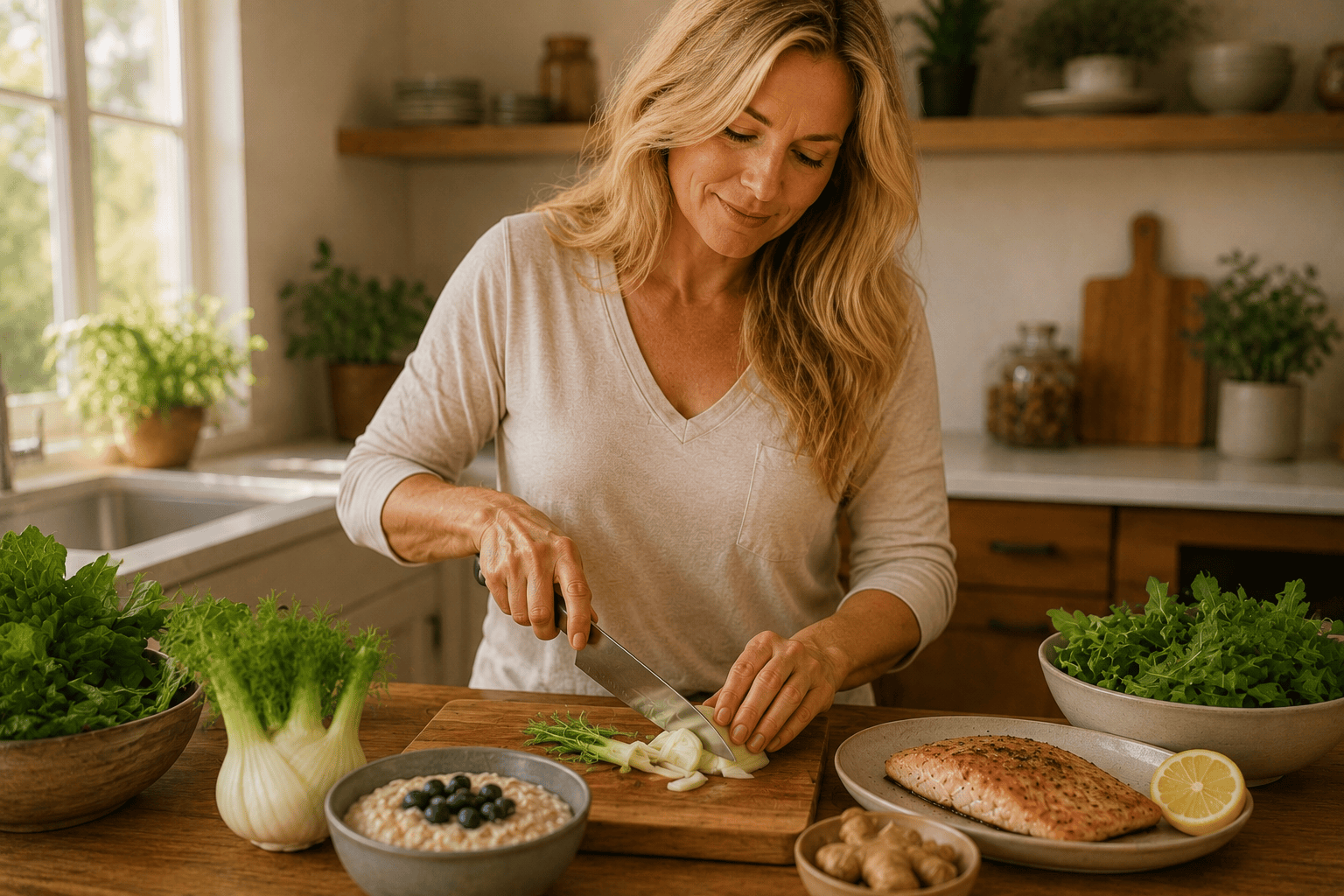
What you eat can influence fibroids by affecting hormones, inflammation, and digestion. Studies have found that eating a lot of red meat and drinking alcohol may increase the risk of fibroids, while eating plenty of fruits and vegetables may lower it. A high-fiber diet helps your body eliminate excess estrogen. Leafy greens, broccoli, cabbage, beans, lentils, and whole grains are all good choices.
Green tea has also drawn interest. In a small randomized trial published in the International Journal of Women’s Health, women with symptomatic fibroids who took green tea extract for four months saw their fibroid volume shrink by about a third, while fibroids in the placebo group grew. The green tea group also had less monthly blood loss, better quality of life, and improved hemoglobin, with no side effects reported. Talk with your doctor before starting a concentrated extract, since high doses can affect the liver.
Traditional Chinese Medicine offers its own guidance: warm, cooked meals support the Spleen, while iced drinks, raw foods, and excess dairy and sugar are believed to create Cold and Dampness, slowing circulation in the lower abdomen. If your periods are heavy, include iron-rich foods such as dark leafy greens, beans, and lentils, along with vitamin C to help your body absorb the iron.
Learn more about why Traditional Chinese Medicine does not like ice.
Vitamin D and Sunlight

Vitamin D may play a role in fibroid growth. In a study of more than 1,000 women published in the journal Epidemiology, women with sufficient vitamin D levels were about 32 percent less likely to have fibroids than women with low levels. Women who spent more than an hour outdoors each day also had a lower estimated risk. Ask your doctor to check your vitamin D level and, if it’s low, discuss whether supplementation is right for you.
Learn more about the value in taking vitamins.
Movement and Body Weight

Regular movement helps keep Qi and Blood flowing through the pelvis, supports a healthy weight, and helps balance hormones. Because body fat produces estrogen, maintaining a healthy weight may reduce one of the hormones that helps fibroids grow. Walking, swimming, yoga, tai chi, and qigong are all good options. During heavy periods, gentle movement and rest are preferable to intense exercise.
Stress and Emotional Health

In Traditional Chinese Medicine, the Liver keeps Qi flowing and stores Blood. Long-term stress, frustration, and suppressed emotions can constrain Liver Qi. When Qi stops moving, Blood follows, and stagnation builds in the lower abdomen. Caring for emotional health is therefore part of caring for fibroids. Slow breathing, meditation, time in nature, journaling, and honest conversations with women you trust can all help keep Liver Qi moving.
Learn more about how acupuncture can reduce stress.
Warmth and Simple Home Care
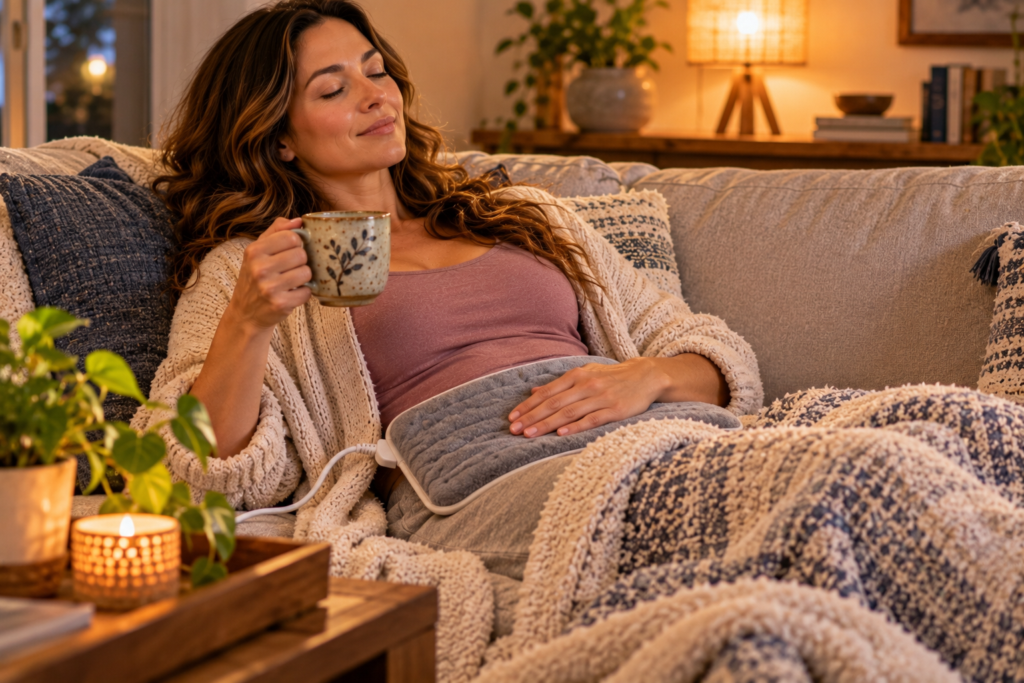
Warmth is one of the easiest, most comforting ways to ease fibroid symptoms. Apply a heating pad or warm compress to your lower abdomen to relax cramps and improve circulation. According to Traditional Chinese Medicine, warmth may be especially helpful when heat eases your pain and cold makes it worse. In cold weather or air conditioning, keep your lower back and abdomen covered, and choose warm drinks over cold ones, especially during your period.
Working With Your Doctor
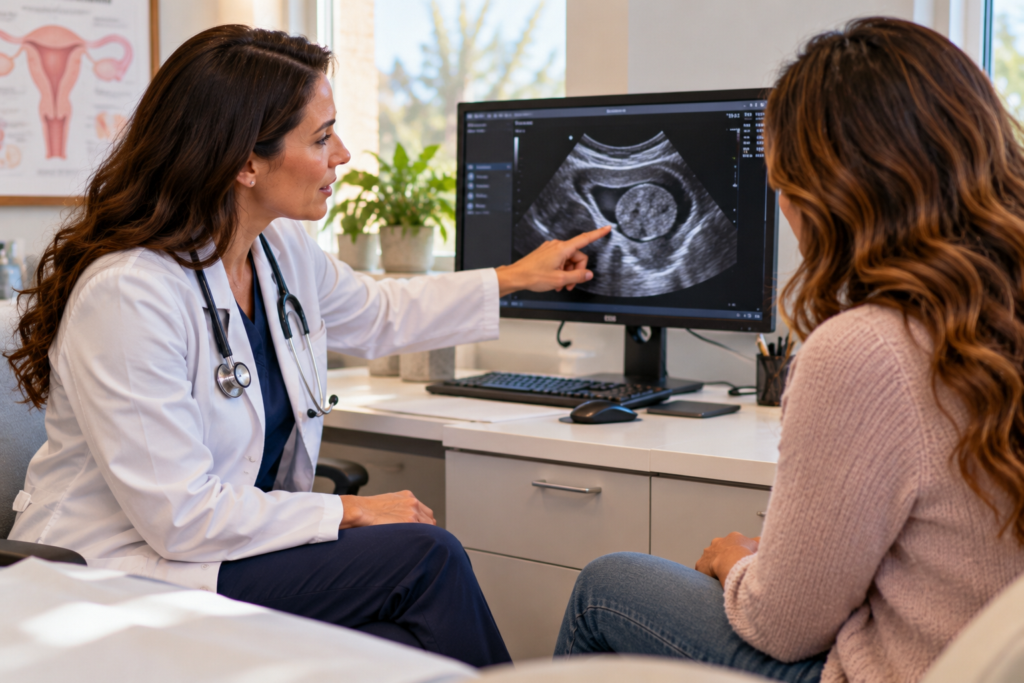
Holistic care works best alongside regular gynecological care. Your doctor can use ultrasound to check your fibroids, test for anemia, and monitor changes over time. If your symptoms are mild, monitoring and holistic care may be enough. For severe symptoms, medical options include hormonal medicines, a hormonal IUD, uterine fibroid embolization, focused ultrasound, myomectomy to remove fibroids while keeping the uterus, and hysterectomy. Holistic care can support you before, during, and after these treatments and help you recover more comfortably after a procedure.
When to See a Doctor
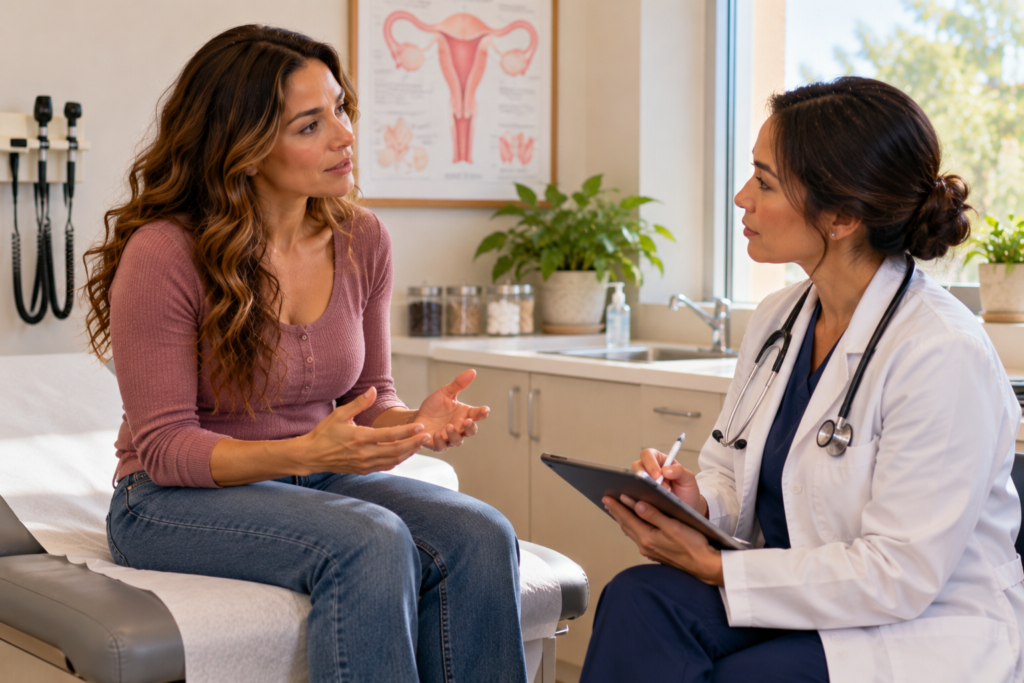
See your gynecologist if your periods are heavy, last longer than seven days, include large clots, or are accompanied by pelvic pressure, frequent urination, constipation, or pain during sex. You should also see your gynecologist if you have fibroids and want to get pregnant. An exam and ultrasound can confirm the diagnosis and help guide treatment. Contact your doctor promptly if you have bleeding between periods or after menopause; signs of anemia, such as tiredness, dizziness, a fast heartbeat, or shortness of breath; or a fibroid that seems to be growing quickly. Get emergency care if bleeding soaks through a pad or tampon every hour for several hours, you have sudden severe pelvic pain, or heavy bleeding comes with lightheadedness or fainting.
Holistic care is a supportive approach to fibroids. It complements, and does not replace, diagnosis and medical care.
For related reading, learn how to use acupressure for endometriosis and acupressure for PCOS, and explore what inflammation is and how it affects the body.
Above and Beyond Acupuncture offers acupuncture, cupping, and lifestyle coaching at the North Frank Lloyd Wright Boulevard location in Scottsdale.
Schedule an appointment online to start your healing journey.

About the Publisher
Paul Kerzner, L.Ac., is a licensed acupuncturist and board-certified herbalist, as well as the founder of Above and Beyond Acupuncture in Scottsdale. His own journey from chronic patient to practicing acupuncturist shapes his commitment to providing honest, clinically grounded information about acupuncture and Traditional Chinese Medicine. Learn more about Paul and his clinical approach on the About Us page.