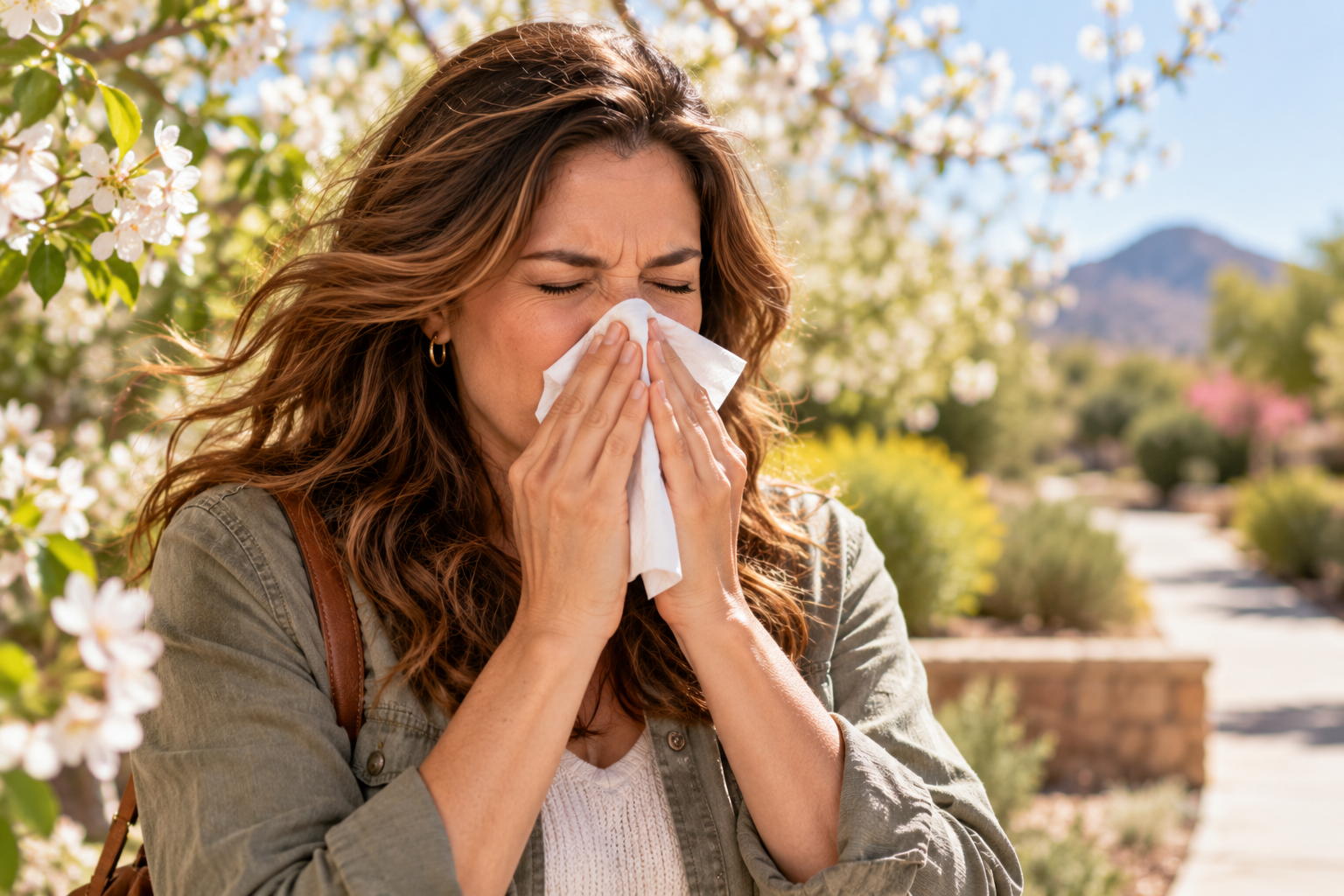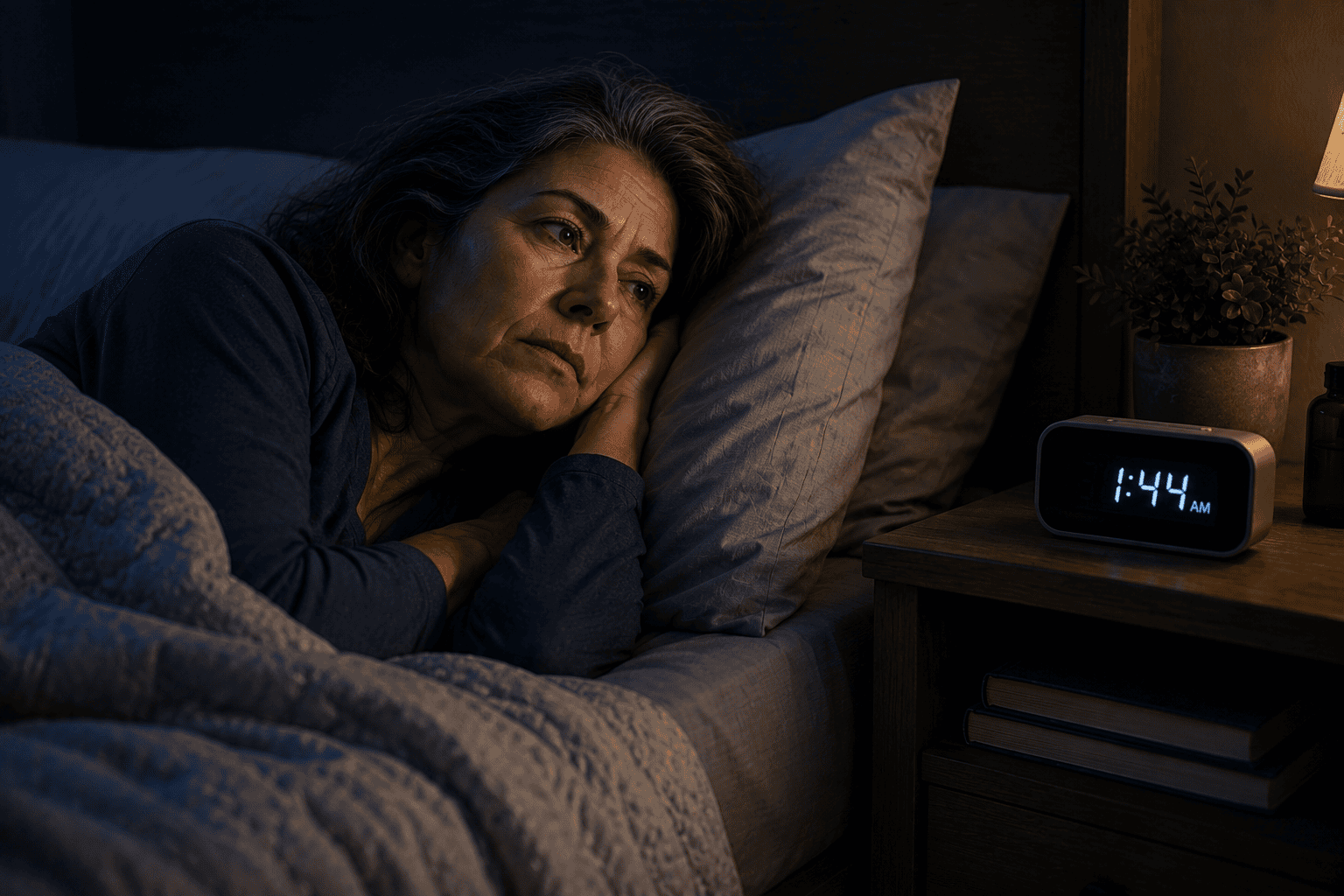
Key Takeaways
- Acupressure applies pressure to specific points to aid the nervous system, circulation, and Qi flow.
- It helps with nausea, pain relief, stress reduction, sleep issues, and women’s health.
- The PC6 point is particularly effective for nausea relief during various situations like pregnancy or motion sickness.
- Acupressure can ease chronic pain and anxiety but does not replace medical care when needed.
- You can start practicing acupressure today without any special tools by following linked resources.
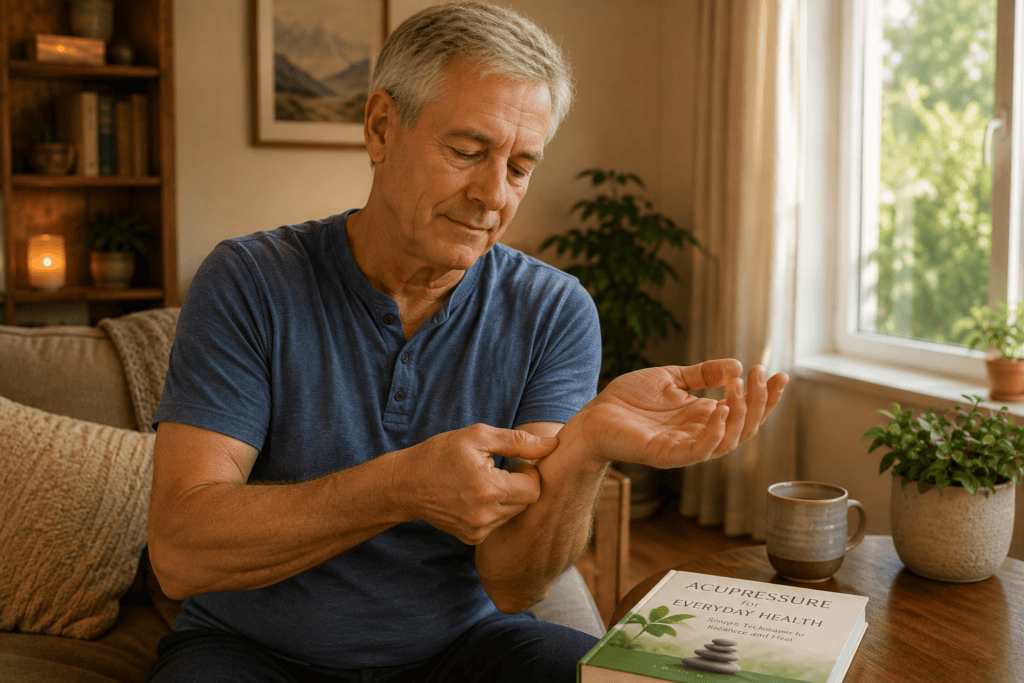
If you’re curious about acupressure and what people typically use it for, here’s a quick overview: acupressure involves applying gentle yet firm pressure to specific points on your body to help support your nervous system, improve circulation, and promote the flow of Qi in Traditional Chinese Medicine.
Since it doesn’t require any needles, special equipment, or appointments, it’s become one of the most accessible self-care methods available today. People use it for a wide variety of concerns, including nausea, pain, sleep issues, stress relief, and women’s health, making it a versatile and approachable wellness practice.
This article explores the many uses of acupressure. Some conditions are supported by strong research; others provide additional support rather than being a cure, and none should replace medical care when it’s needed. Below, you’ll find where acupressure truly makes a difference and guidance on the specific points and techniques to use.
For a clear understanding of what this practice involves, check out “What Is Acupressure?” to learn about its origins and how it works. For an honest look at the evidence supporting this modality, “Does Acupressure Really Work?” reviews the research findings.
Nausea and Digestive Issues
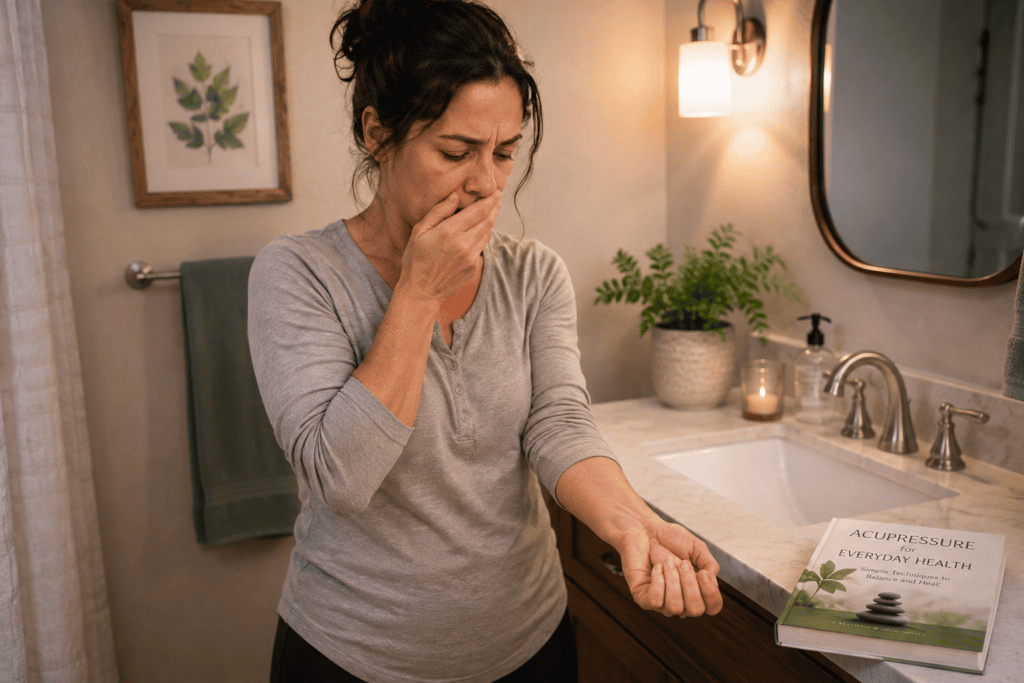
This area provides the strongest evidence for acupressure. The PC6 point on the inner forearm is the most extensively studied acupressure point, showing proven benefits for chemotherapy nausea, postoperative discomfort, motion sickness, and pregnancy-related nausea. In addition to alleviating nausea, acupressure is also widely used to help with common digestive issues like acid reflux, constipation, hiccups, and the queasiness caused by motion sickness.
For helpful information about acupressure points that alleviate nausea and digestive issues, please review the following articles:
- How to Stop Nausea With Acupressure
- How to Use Acupressure for Acid Reflux
- How to Use Acupressure for Constipation
- How to Use Acupressure for Hemorrhoids
- How to Use Acupressure for Sea Sickness
- How to Use Acupressure for Hiccups
Pain Relief
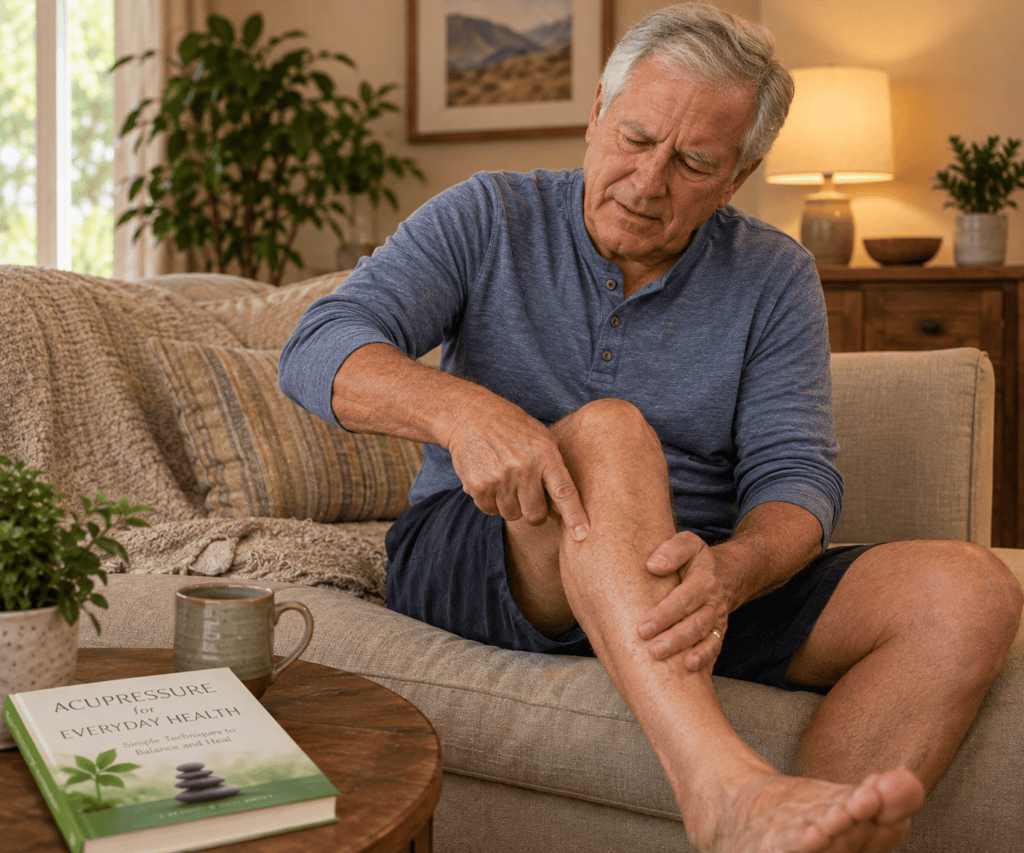
Pain is a common reason people turn to acupressure, and there is research showing benefits for various chronic and acute pain conditions. Acupressure helps relieve pain by releasing endorphins, improving local circulation, and regulating the nervous system. Many people find relief from low back and hip pain, neck pain, knee pain, sciatica, carpal tunnel, frozen shoulder, TMJ issues, migraines and headaches, plantar fasciitis, and nerve pain from neuropathy.
For more information on specific acupressure points to help relieve pain, please read the following posts:
- How to Relieve Low Back and Hip Pain With Acupressure
- How to Use Acupressure for Neck Pain, How to Use Acupressure for Knee Pain
- How to Relieve Sciatica With Acupressure
- How to Use Acupressure for Carpal Tunnel Syndrome
- How to Use Acupressure for Frozen Shoulder Relief
- How to Use Acupressure for TMJ Pain
- How to Use Acupressure for Migraines
- How to Get Rid of a Headache Without Medication
- How to Use Acupressure for Plantar Fasciitis
- How to Use Acupressure for Neuropathy
Stress and Emotional Support
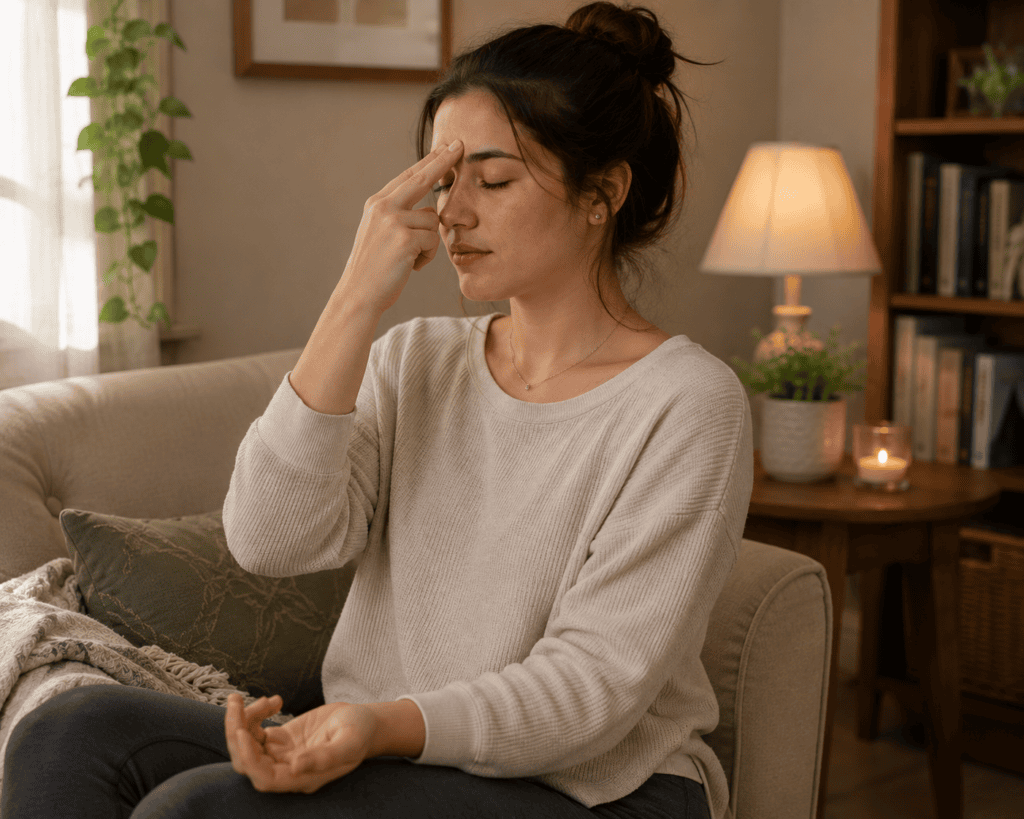
Acupressure is a non-invasive technique that helps settle the physical signs of stress and difficult emotions. It calms the nervous system, helps the body shift out of fight-or-flight mode, and brings peace and balance. Many people turn to acupressure to find relief from anxiety, whether it’s general, social, or related to depression, grief, frustration, or the feeling of being stuck during life changes. It’s also used to help manage OCD and sudden panic attacks.
If you’re looking for acupressure points to help with emotional challenges, please read through the following articles:
- How to Use Acupressure for Anxiety
- How to Use Acupressure for General Anxiety Disorder
- How to Use Acupressure for Social Anxiety
- How to Use Acupressure for Depression
- How to Use Acupressure for Grief
- How to Use Acupressure for Frustration
- How to Use Acupressure When You Feel Stuck
- How to Use Acupressure for OCD
- How to Stop a Panic Attack
Sleep
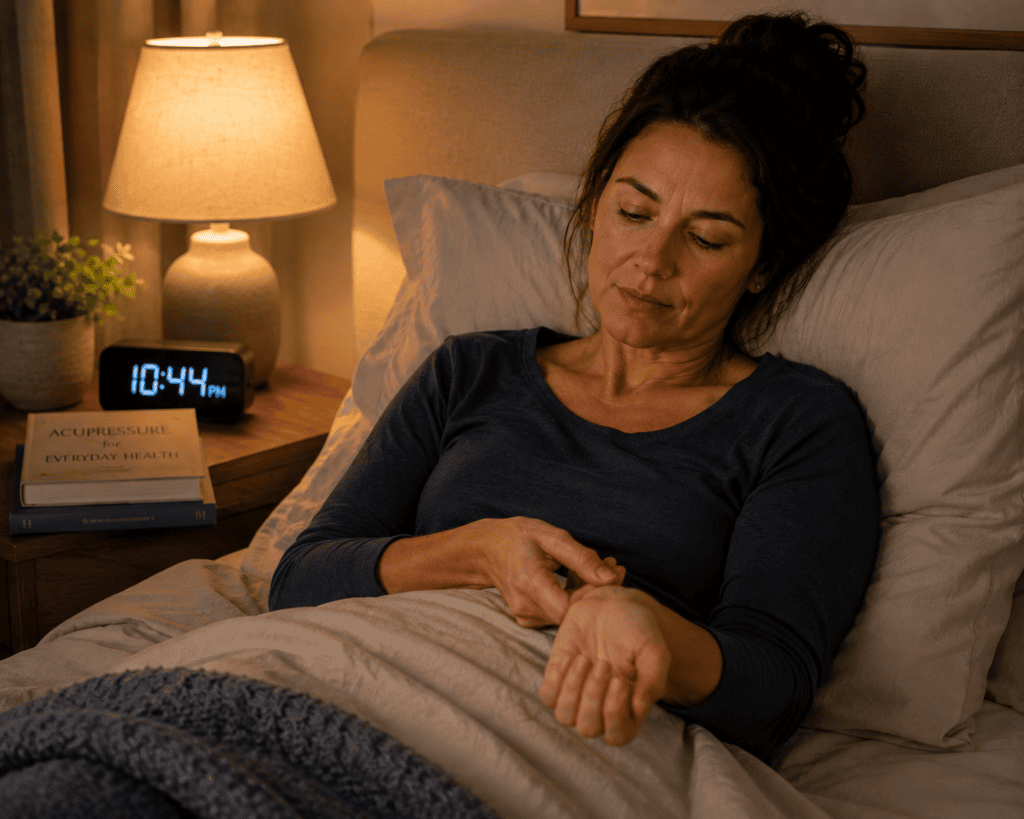
Acupressure can help address common sleep challenges, whether you’re having trouble falling asleep or waking up in the middle of the night. It works by soothing the nervous system and calming the restless mental activity that can keep you awake, making it easier to fall asleep and stay asleep.
If you’re interested in learning about specific acupressure points that can help with sleep challenges, please take a moment to read the following posts:
- How to Use Acupressure for Trouble Falling Asleep
- How to Use Acupressure for Trouble Staying Asleep
- How to Fall Back Asleep When You Wake Up at 3am
Women’s Health
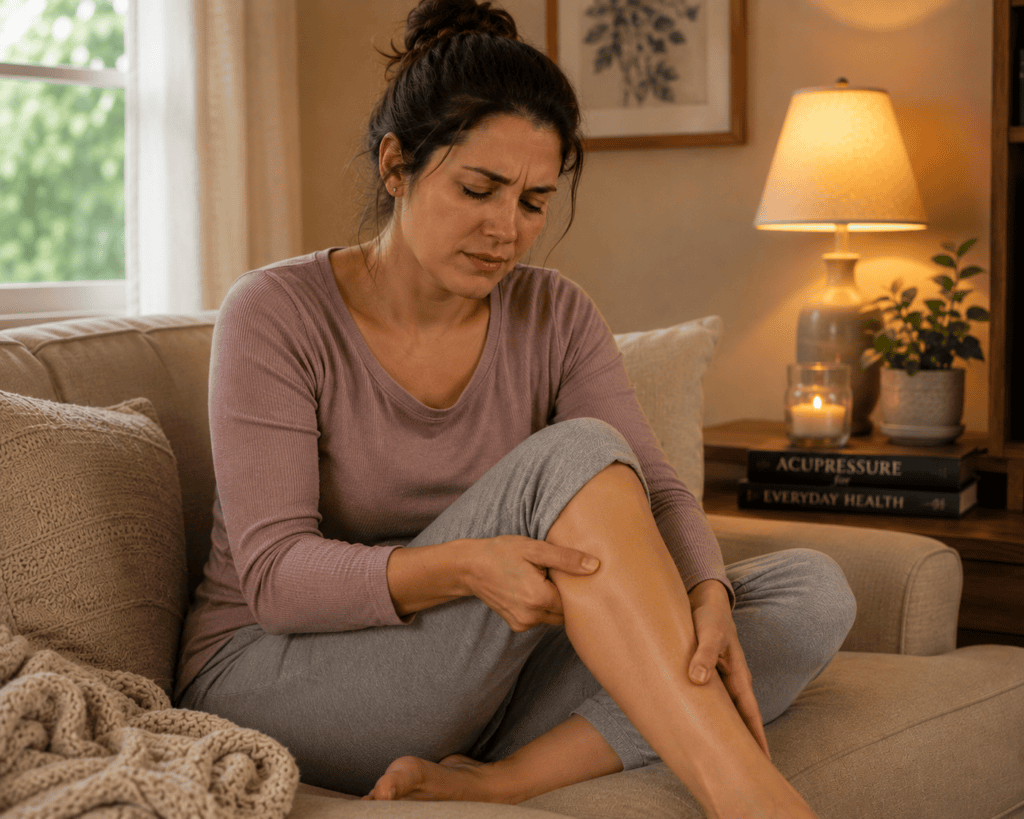
Acupressure is a natural, holistic approach that women frequently use to address various health issues, such as relieving menstrual cramps, offering comfort during full-term labor, and controlling menopause-related hot flashes.
For more information about acupressure points used for women’s health, please read the following articles:
- How to Use Acupressure for Menstrual Cramps
- How to Use Acupressure to Induce Labor
- How to Stop a Hot Flash
Respiratory and Everyday Health Conditions
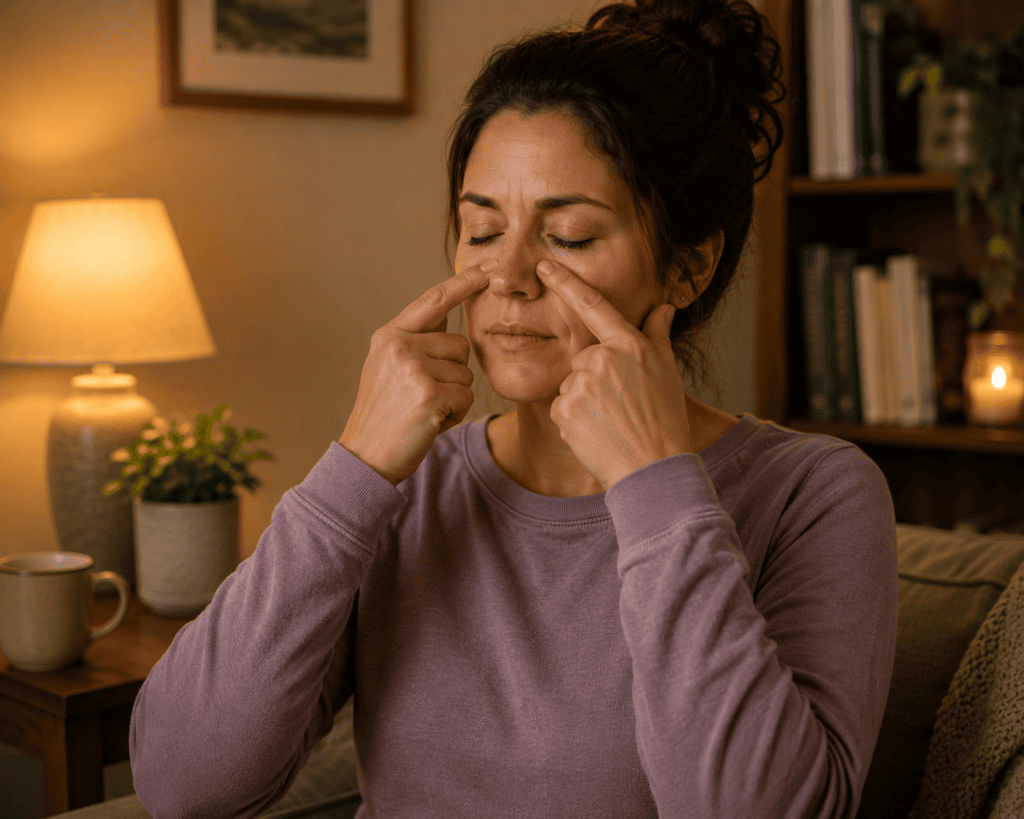
Acupressure can be a helpful remedy for everyday concerns such as sinus congestion, high blood pressure when combined with medical care, side effects from chemotherapy, toothaches, and nerve or circulation issues related to conditions like diabetes and Bell’s palsy.
For more details on how to use acupressure for these specific health conditions, please visit the following pages:
- How to Use Acupressure for Sinus Congestion and Pressure
- How to Use Acupressure for High Blood Pressure
- How to Use Acupressure for Chemotherapy Side Effects
- How to Use Acupressure for Toothache
- How to Use Acupressure for Diabetes
- How to Use Acupressure for Bell’s Palsy
- How to Use Acupressure for Chronic Sinusitis
What Acupressure Does Not Do
Acupressure is a useful and effective practice; however, it is important to be clear about its limitations. It supports the body and alleviates symptoms but does not cure diseases, replace medications, or substitute for medical care when necessary.
Conditions like high blood pressure still need proper medical care, and diabetes requires following a prescribed treatment plan. For serious pain, it’s important to get a proper diagnosis. Acupressure works best as an adjunct alongside regular medical treatment, not as a replacement. If you’re curious how strong the evidence is, the publication “Does Acupressure Really Work?” provides a clear, honest review.
How to Get Started
The advantage of acupressure is that you can start immediately using only your hands. Focus on the points related to your primary concern, utilizing the links provided above. For the basic techniques, such as where to press, how much pressure to apply, and duration, “Performing Acupressure in 3 Easy Steps” offers clear instructions.
Above and Beyond Acupuncture offers acupuncture, cupping, and lifestyle coaching at the North Frank Lloyd Wright Boulevard location in Scottsdale.
Schedule an appointment online or call us today to start your healing journey.
About the Publisher
Paul Kerzner, L.Ac., is a licensed acupuncturist and board-certified herbalist, as well as the founder of Above and Beyond Acupuncture in Scottsdale. His own journey from chronic patient to practicing acupuncturist shapes his commitment to providing honest, clinically grounded information about acupuncture and Traditional Chinese Medicine. Learn more about Paul and his clinical approach on the About Us page.